





Can I leave my 4xe plugged in all the time?

Yes, you can leave your Jeep Wrangler 4xe plugged in all the time, and it’s generally safe to do so. Here’s a detailed explanation of why it’s okay and some considerations to keep in mind:
Why It’s Safe to Leave Your 4xe Plugged In
- Battery Management System:
- The Jeep Wrangler 4xe is equipped with a sophisticated Battery Management System (BMS). This system monitors the state of the battery and manages charging to prevent overcharging. Once the battery reaches full charge, the system will stop charging automatically, so leaving it plugged in won’t harm the battery.
- Charge Maintenance:
- When plugged in, the vehicle can maintain the battery’s charge at an optimal level. This can be particularly useful for ensuring that your vehicle is always ready to go with a full charge, especially if you use the electric-only mode frequently.
- Convenience:
- Keeping your Wrangler 4xe plugged in allows for automatic charging during off-hours, such as overnight, when electricity rates may be lower. This means you can start each day with a full battery without having to worry about manually plugging in and unplugging the vehicle.

Considerations for Leaving Your 4xe Plugged In
- Charging Equipment:
- Ensure that you’re using a high-quality charging cable and that your home charging station is properly installed. Faulty equipment or poor installation can pose risks. It’s always a good idea to have your charging setup checked by a professional if you have any concerns.
- Battery Health:
- While the BMS protects against overcharging, long-term battery health can be influenced by factors like temperature and charging habits. For optimal battery health, avoid extreme temperatures and follow best practices for battery maintenance. For instance, if you’re not going to drive for an extended period, it might be useful to keep the battery at around 50% charge rather than full.
- Energy Costs:
- While leaving your vehicle plugged in ensures a full charge, be mindful of your electricity usage and costs. Consider using a time-of-use plan if available, which may offer lower rates during off-peak hours.
- Vehicle Settings:
- Some hybrid vehicles have settings to manage charging times and battery health. Check your Wrangler 4xe’s owner’s manual or consult with your dealer to see if there are any recommended settings for long-term charging.
Additional Resources
For more detailed information on charging practices and battery maintenance, you can consult the following resources:
- Jeep Official Website: Offers detailed information about the Wrangler 4xe, including charging guidelines and battery care.
- Simi Valley Chrysler Dodge Jeep Ram (CDJR): Provides support and information on Jeep vehicles, including the Wrangler 4xe. They can offer personalized advice and answer specific questions about your vehicle.
- ChargePoint: Provides resources on electric vehicle charging and can help you understand more about charging equipment and best practices.
Conclusion
Leaving your Jeep Wrangler 4xe plugged in is a convenient and safe practice, thanks to the vehicle’s advanced Battery Management System. By following good charging habits and ensuring your charging equipment is in good condition, you can keep your vehicle ready for each drive without worrying about battery health. For any specific concerns or additional information, consult the official Jeep website or visit your local dealership, like Simi Valley CDJR.
How Long Does a Jeep 4xe Battery Last?
The Jeep Wrangler 4xe represents a significant step forward for the iconic off-road brand, blending traditional ruggedness with modern hybrid technology. As a plug-in hybrid electric vehicle (PHEV), the Wrangler 4xe features a battery pack that plays a crucial role in its performance and efficiency. A common question among prospective buyers and current owners is: How long does the Jeep 4xe battery last? This article will delve into the factors that affect battery life, the expected lifespan of the battery, and tips for extending its longevity.
Understanding the Jeep 4xe Battery
The Jeep Wrangler 4xe is equipped with a 17-kWh lithium-ion battery pack. This battery powers the vehicle’s electric motor, allowing for an all-electric driving range of approximately 21 miles. The hybrid system also includes a turbocharged 2.0-liter four-cylinder engine, which works in conjunction with the electric motor to optimize performance and fuel efficiency.
Battery Lifespan: What to Expect
- Manufacturer’s Warranty:
- Jeep offers an 8-year or 100,000-mile warranty on the Wrangler 4xe’s battery. This warranty is an indicator of the manufacturer’s confidence in the battery’s longevity. During this period, if the battery capacity falls below a certain level or if there are any defects, Jeep will repair or replace it.
- Typical Lifespan:
- Under normal conditions, the lithium-ion battery in the Wrangler 4xe is expected to last between 8 to 15 years. Factors such as driving habits, climate, and charging practices can influence this lifespan. For instance, frequent rapid charging or exposure to extreme temperatures may reduce battery life.
Factors Affecting Battery Life
Several factors can impact the longevity of the Jeep 4xe’s battery:
- Charging Habits:
- Regularly using Level 1 (120-volt) or Level 2 (240-volt) chargers is generally better for the battery compared to frequent use of DC fast chargers. Fast charging generates more heat, which can degrade the battery over time.
- Driving Patterns:
- Consistently depleting the battery to near-zero and then fully recharging it can stress the battery. It’s often better to maintain a moderate charge level.
- Climate:
- Extreme temperatures, both hot and cold, can affect battery performance and longevity. Keeping the vehicle in a garage or using thermal management systems can help mitigate temperature-related degradation.
- Battery Maintenance:
- Keeping the battery and its components well-maintained, including software updates and routine checks, can help extend its life.
Maximizing Battery Longevity
To get the most out of your Jeep Wrangler 4xe’s battery, consider the following tips:
- Moderate Charging:
- Avoiding frequent full discharges and charges can help extend battery life. Instead, aim to keep the battery charge between 20% and 80% for daily use.
- Use Appropriate Chargers:
- While DC fast charging is convenient, it’s best used sparingly. Regularly use Level 1 or Level 2 chargers to reduce heat and stress on the battery.
- Protect from Extreme Temperatures:
- Whenever possible, park the vehicle in a shaded area or garage. Using preconditioning features to heat or cool the battery before driving can also help.
- Software Updates:
- Keep the vehicle’s software up to date, as manufacturers often release updates that can improve battery management and efficiency.
Signs of Battery Degradation
Over time, all batteries experience some level of degradation. Here are some signs that your Jeep Wrangler 4xe’s battery may be losing capacity:
- Reduced Electric Range:
- A noticeable decrease in the electric-only driving range is a common indicator of battery degradation.
- Longer Charging Times:
- If it takes significantly longer to charge the battery than it used to, this could be a sign of decreased capacity.
- Warning Messages:
- Pay attention to any warning messages or indicators on the vehicle’s dashboard related to battery health.
Conclusion
The Jeep Wrangler 4xe’s battery is designed to last for many years, with an expected lifespan of 8 to 15 years under normal conditions. By following best practices for charging and maintenance, you can help ensure that your vehicle’s battery remains in good condition for as long as possible. For more detailed information or specific concerns about your Jeep Wrangler 4xe, it’s always a good idea to consult with your local dealership, such as Simi Valley Chrysler Dodge Jeep Ram (CDJR), where you can get personalized advice and support.
4o
How much will a Jeep Cost?

Whether you’re looking for a rugged off-roader or a versatile family SUV, Jeep continues to dominate in 2026 with a lineup that blends performance, innovation, and off-road heritage. But with rising manufacturing costs, new technologies, and evolving trim levels, many shoppers are asking the same question: How much will a Jeep cost in 2026?
This guide provides a full breakdown of Jeep’s expected MSRP pricing across all major models in 2026—from the iconic Wrangler to the luxurious Grand Cherokee and the capable Gladiator. We’ll also compare starting prices vs. top trims, hybrid/electric options, and what’s driving prices in this year’s market.
🏷️ What’s Influencing Jeep Prices in 2026?
Several key trends are shaping Jeep pricing this year:
- Electrification push: More trims are plug-in hybrids (PHEV), driving prices up.
- Tech upgrades: Larger infotainment screens, ADAS, and off-road assist systems.
- Raw material inflation: Steel, battery components, and labor costs are still higher post-pandemic.
- Trim and option expansion: More customization = wider pricing ranges.
💰 2026 Jeep Pricing by Model (Base MSRP)
| Model | Starting MSRP (USD) | Top Trim (Est. MSRP) | Powertrain Options |
|---|---|---|---|
| Jeep Wrangler | $34,995 | $74,995 (Rubicon 392) | Gas, PHEV (4xe), V8 |
| Jeep Gladiator | $39,990 | $68,000 (Mojave X) | Gas, Diesel (limited), PHEV (TBD) |
| Jeep Grand Cherokee | $41,000 | $76,500 (Summit Reserve 4xe) | Gas, PHEV (4xe) |
| Jeep Cherokee (if returns) | ~$36,000 | ~$48,000 | Likely hybrid or 2.0L Turbo |
| Jeep Compass | $27,995 | $39,995 (High Altitude) | 2.0L Turbo AWD only |
| Jeep Renegade | $26,500 (TBD in U.S.) | $33,000 | Gas (phased out in Canada), hybrid in EU |
| Jeep Wagoneer | $63,595 | $87,000+ (L Series III) | Twin-Turbo I6, AWD |
| Jeep Grand Wagoneer | $93,945 | $115,000+ (Obsidian) | High-output Hurricane I6 |
| Jeep Avenger (EU) | ~$35,000 USD equiv. | ~$42,000 | EV-only, not in North America (yet) |
Note: Pricing may vary based on region, incentives, dealer markups, and availability. These 2026 estimates are based on Jeep’s official pricing trends and dealer projections.
📈 What’s New in 2026 That Affects Price?
1. Wrangler 4xe & Rubicon X Enhancements
- Better electric-only range (up to 35 miles).
- Standard 12.3″ Uconnect touchscreen.
- X trims now include steel bumpers and off-road cameras by default.
- Price Impact: ~$2,000 increase over 2025 trims.
2. Grand Cherokee 4xe Lineup Growth
- Electrified trims dominate in 2026.
- Summit Reserve trim sees tech and comfort upgrades (massaging seats, night vision).
- Price Impact: Increases of $1,500–$3,000 across trims.
3. Compass Becomes Turbo-Only
- Discontinued 2.4L engine; now standard 2.0L Turbo on all trims.
- Standard AWD on all U.S. models.
- Price Impact: Base price up by ~$1,200.
4. Wagoneer & Grand Wagoneer Hurricane Engine Rollout
- V8s replaced by twin-turbo I6 “Hurricane” engines with better power and MPG.
- Luxury interior updates (optional 23-speaker McIntosh system).
- Price Impact: $2,000+ increase on upper trims.
⚡ Are There Any EV or PHEV Models in 2026?
Yes. Jeep continues its electrification push in 2026:
- Wrangler 4xe: Most popular plug-in hybrid off-roader.
- Grand Cherokee 4xe: Electric + turbo combo with strong towing and torque.
- Jeep Recon EV (TBD U.S. launch in late 2026): Electric off-roader with removable doors.
- Jeep Wagoneer S (Electric, 600+ hp): U.S. debut expected late 2026.
These models carry a premium over gas counterparts—expect 4xe trims to cost $6,000–$10,000 more, while full EVs (like Recon or Wagoneer S) could start around $65,000–$80,000 depending on trim and tax credits.
🇺🇸 Price Trends vs. 2025: What’s Changing?
| Year | Avg. Jeep Price (Est.) | Notable Changes |
|---|---|---|
| 2025 | $42,000 | Wrangler 4xe boost, new Compass |
| 2026 | $44,000–$46,000 | More PHEV, Hurricane I6 rollout |
💡 Tips Before You Buy a Jeep in 2026
- Compare MSRP and Invoice Price: Know what dealers pay to negotiate effectively.
- Check Incentives: Jeep often offers loyalty rebates, military discounts, and financing bonuses.
- Look for EV Tax Credits: 4xe and full EV models may qualify for up to $7,500 in federal credits.
- Build & Price Tools: Use the official Jeep configurator to see how your selected options impact MSRP.
🧾 Final Thoughts: How Much Will a Jeep Cost in 2026?
The answer depends on your priorities. If you’re aiming for a basic, capable SUV, models like the Jeep Compass or Renegade still start under $30,000. If you’re going all-in on performance or electrification, expect to pay upwards of $70,000–$115,000 for high-end Rubicon 392 or Grand Wagoneer trims.
What’s clear is that Jeep’s 2026 pricing reflects innovation—from hybrid powertrains to luxury-grade interiors—without compromising the brand’s signature ruggedness.
Still deciding which Jeep fits your budget? Stay tuned for our upcoming breakdowns of 2026 Wrangler vs. Bronco and Best Jeep Models for the Money in 2026.

What Happens When a Jeep Wrangler 4xe Runs Out of Charge?
The Jeep Wrangler 4xe is a versatile plug-in hybrid electric vehicle (PHEV) that combines a traditional gasoline engine with an electric motor. This setup allows for flexibility in how the vehicle is powered and driven. One common question among 4xe owners and potential buyers is: what happens when the 4xe runs out of charge? In this article, we’ll explore how the Jeep Wrangler 4xe functions when the battery is depleted, ensuring you have a comprehensive understanding of its capabilities.
Operation of the Jeep Wrangler 4xe with a Depleted Battery
When the battery of the Jeep Wrangler 4xe runs out of charge, the vehicle seamlessly transitions to using its gasoline engine. Here’s what you can expect:
- Gasoline Engine Takes Over:
- The Jeep Wrangler 4xe features a 2.0-liter turbocharged inline-four gasoline engine. When the battery charge is depleted, this engine takes over entirely, providing continuous power to the vehicle.
- Hybrid Mode Functionality:
- In hybrid mode, the vehicle typically switches between the electric motor and the gasoline engine to optimize efficiency and performance. When the battery is low, the hybrid system will rely solely on the gasoline engine.
- Regenerative Braking:
- Even when the battery is low, regenerative braking still functions. This system captures energy during braking and deceleration, which can provide a small amount of charging to the battery. However, it’s not enough to fully recharge the battery but helps improve overall efficiency.
- Seamless Driving Experience:
- The transition from electric to gasoline power is designed to be smooth and imperceptible. Drivers and passengers may not even notice when the switch occurs, maintaining a consistent driving experience.
Performance and Fuel Efficiency
When running solely on gasoline, the Jeep Wrangler 4xe still offers robust performance and reasonable fuel efficiency:
- Power and Capability:
- The gasoline engine delivers ample power, ensuring that the Wrangler 4xe remains capable both on-road and off-road. You won’t experience a significant drop in performance when the battery is depleted.
- Fuel Economy:
- While the 4xe is more fuel-efficient in hybrid mode, the gasoline engine alone provides respectable fuel economy. This makes it a viable option for long-distance travel and everyday driving.
Advantages of a PHEV System
The dual power system of the Jeep Wrangler 4xe provides several benefits:
- Extended Range:
- The combination of electric and gasoline power extends the vehicle’s total range. When the battery is charged, you can enjoy the benefits of electric driving for short commutes and switch to gasoline for longer trips.
- Flexibility:
- The ability to use both power sources offers flexibility. Whether you have access to charging infrastructure or not, the Wrangler 4xe can adapt to your driving needs.
- Reduced Emissions:
- Using the electric motor reduces overall emissions and fuel consumption, especially for city driving and short trips.
Resources for More Information
For further details about the Jeep Wrangler 4xe and its hybrid capabilities, consider these resources:
- Simi Valley Chrysler Dodge Jeep Ram (CDJR): Explore detailed information about the Jeep Wrangler 4xe and get assistance from knowledgeable staff.
- Jeep Official Website: Find comprehensive specifications and features of the Jeep Wrangler 4xe.
- Edmunds: Read expert reviews and insights about the Jeep Wrangler 4xe’s performance and hybrid system.
- Kelley Blue Book: Discover vehicle valuations and detailed guides on the Jeep Wrangler 4xe.
- Autotrader: Access listings and value assessments for the Jeep Wrangler 4xe.
Conclusion
In summary, when the battery of the Jeep Wrangler 4xe runs out of charge, the vehicle seamlessly transitions to using its gasoline engine, ensuring continuous operation and reliable performance. This hybrid system offers the best of both worlds, providing flexibility, extended range, and reduced emissions. For more detailed information and support, visiting your local dealership, such as Simi Valley CDJR, can provide personalized guidance and insights.
What is the controversy with the Cherokee cars?

The Controversy with the Jeep Cherokee: A Comprehensive Analysis
The Jeep Cherokee, an iconic model within the Jeep lineup, has been the center of various controversies over the years. These controversies span cultural appropriation concerns, safety and reliability issues, and environmental impact. This article aims to delve into these issues, providing a thorough understanding of the controversies surrounding the Jeep Cherokee.
Cultural Appropriation and Naming Controversy
The Jeep Cherokee’s name has sparked significant debate due to its appropriation of Native American culture. Named after the Cherokee Nation, one of the largest Native American tribes in the United States, the use of the name has been viewed by many as a form of cultural appropriation.
Cherokee Nation’s Stance
The Cherokee Nation has officially requested that Jeep discontinue the use of their name for the vehicle. Chief Chuck Hoskin Jr. of the Cherokee Nation has articulated this position clearly: “I’m sure this comes from a place that is well-intended, but it does not honor us by having our name plastered on the side of a car” (Canada Population). This request is part of a broader movement among Native American groups to reclaim their cultural heritage and ensure respectful representation.

Jeep’s Response
Jeep has stated that it is open to dialogue with the Cherokee Nation but has not committed to changing the name. This response has been met with criticism from those who believe that Jeep should take more concrete action to address the cultural sensitivity concerns raised by the Cherokee Nation.
Safety and Reliability Concerns
The Jeep Cherokee has faced several safety and reliability issues over the years, leading to multiple recalls and consumer concerns. These issues have not only affected the vehicle’s reputation but have also resulted in legal and financial repercussions for Jeep.
Transmission Problems
One of the significant safety concerns involved the 2014-2015 Jeep Cherokee models, which were recalled due to transmission issues that could cause the vehicle to shift into neutral unexpectedly, increasing the risk of a crash (Canada Population).
Fire Hazards
The 2019 Jeep Cherokee faced a recall due to a potential fire hazard related to the power transfer unit. This issue further exacerbated concerns about the vehicle’s safety and reliability.
Environmental Impact
The environmental impact of the Jeep Cherokee has also been a point of contention. As an SUV, the Cherokee is less fuel-efficient compared to smaller cars, contributing to higher carbon emissions.
Jeep’s Electrification Efforts
In response to growing environmental concerns, Jeep has introduced hybrid and electric versions of its models. The Jeep Grand Cherokee 4xe, a plug-in hybrid, is part of Jeep’s broader strategy to reduce its carbon footprint and comply with stricter emission standards. However, critics argue that these efforts, while commendable, may not be sufficient to offset the environmental impact of the brand’s traditional SUVs.
Legal and Financial Implications
The controversies surrounding the Jeep Cherokee have led to legal challenges and financial implications for Jeep and its parent company, Stellantis. Lawsuits related to safety recalls have resulted in financial settlements and increased scrutiny from regulatory bodies.
Cultural Appropriation Legal Risks
The cultural appropriation controversy also has potential legal implications. If the Cherokee Nation were to pursue legal action to force Jeep to change the name, it could result in a protracted legal battle with significant financial consequences for the automaker.
Industry and Public Reaction
The controversies surrounding the Jeep Cherokee have elicited varied reactions from the industry and the public. Some industry analysts and consumers support the Cherokee Nation’s position and believe that Jeep should change the name. Others view the controversy as overblown and argue that the name should remain unchanged.
Social Media and Public Opinion
Social media platforms have become a battleground for these differing views, reflecting broader societal debates about cultural appropriation, corporate responsibility, and social justice.
Moving Forward
Jeep faces a complex challenge in addressing the controversies surrounding the Cherokee. The brand must balance its commercial interests with the need to demonstrate respect for cultural sensitivities and address safety and environmental concerns.
Possible Strategies
- Renaming the Cherokee: To address cultural appropriation concerns, Jeep could rename the Cherokee in consultation with the Cherokee Nation and other stakeholders. This would demonstrate a commitment to cultural sensitivity and modern values.
- Enhancing Safety Measures: Improving quality control and addressing safety issues proactively would help restore consumer confidence and reduce the risk of legal challenges.
- Focusing on Sustainability: Expanding the range of hybrid and electric models and improving fuel efficiency would align Jeep with environmental sustainability goals and meet growing consumer demand for greener vehicles.
- Engaging with Stakeholders: Open and transparent dialogue with stakeholders, including the Cherokee Nation, consumers, and regulatory bodies, would help Jeep navigate these controversies more effectively.
Conclusion
The Jeep Cherokee controversy is multifaceted, involving cultural appropriation, safety concerns, and environmental impact. As Jeep navigates these challenges, it must balance commercial interests with the need to demonstrate respect for cultural sensitivities and address safety and environmental concerns. The outcome of this controversy will likely shape the future of the Jeep brand and its position in the automotive market.
For further reading on the topic, consider the following resources:
Is a Jeep Grand Cherokee Expensive to Maintain?

Is a Jeep Grand Cherokee Expensive to Maintain?
The Jeep Grand Cherokee is a popular midsize SUV known for its blend of luxury, performance, and off-road capability. However, potential owners often wonder about the cost of maintaining such a vehicle. In this article, we’ll explore the various factors that contribute to the maintenance costs of a Jeep Grand Cherokee, including routine service, common repairs, and the overall cost of ownership.
Routine Maintenance Costs
Routine maintenance is essential for keeping any vehicle in good condition, and the Jeep Grand Cherokee is no exception. Regular maintenance tasks include oil changes, tire rotations, brake inspections, and fluid top-offs.
1. Oil Changes Oil changes are a fundamental aspect of vehicle maintenance. For a Jeep Grand Cherokee, the cost of an oil change typically ranges from $50 to $100, depending on whether you use conventional or synthetic oil.
2. Tire Rotations Tire rotations help ensure even tire wear and extend the life of your tires. This service usually costs between $20 and $50 and is recommended every 5,000 to 7,500 miles.
3. Brake Inspections Regular brake inspections and maintenance are crucial for safety. Replacing brake pads can cost between $150 and $300 per axle, while more extensive brake work, such as replacing rotors, can range from $300 to $500 per axle.
4. Fluid Top-Offs and Replacements Other essential fluids, such as coolant, transmission fluid, and brake fluid, need periodic checking and replacement. These services can cost between $100 and $200, depending on the fluid type and service provider.
Common Repairs and Issues
While routine maintenance is predictable, unexpected repairs can add to the overall cost of owning a Jeep Grand Cherokee. Here are some common issues reported by owners and their associated repair costs:
1. Transmission Problems Transmission issues are among the more expensive repairs. Depending on the severity, transmission repairs can cost between $1,000 and $3,500. In some cases, a complete transmission replacement may be necessary, costing upwards of $4,000.
2. Electrical Problems Electrical issues, such as problems with the Totally Integrated Power Module (TIPM), can be challenging to diagnose and repair. Fixing electrical problems can range from $200 for minor fixes to over $1,000 for more complex issues.
3. Suspension and Steering Components Suspension and steering components, such as ball joints and tie rods, may need replacement over time. The cost for these repairs can vary from $200 to $800, depending on the specific parts and labor involved.
4. Engine Repairs Engine repairs can be costly, especially if they involve significant components like the timing belt, water pump, or head gasket. Repair costs can range from $500 to $2,500, depending on the severity and parts required.
Cost of Ownership
To get a comprehensive understanding of the maintenance costs, it’s essential to consider the overall cost of ownership. This includes insurance, fuel, depreciation, and routine and unexpected repairs.
1. Insurance Insurance costs for a Jeep Grand Cherokee can vary widely based on factors like the driver’s age, driving history, and location. On average, annual insurance premiums can range from $1,200 to $1,800.
2. Fuel Fuel costs are an important consideration, especially for an SUV like the Grand Cherokee. The vehicle’s fuel efficiency varies by model and engine type, but on average, you can expect to spend around $1,500 to $2,000 annually on fuel, depending on driving habits and fuel prices.
3. Depreciation Depreciation is the loss in value of the vehicle over time. The Jeep Grand Cherokee typically has a moderate depreciation rate, losing about 40% of its value over five years. This translates to a depreciation cost of approximately $3,000 to $4,000 per year for the first few years.
Total Cost of Ownership Comparison
To better understand how the Jeep Grand Cherokee’s maintenance costs compare to other midsize SUVs, let’s look at the total cost of ownership over five years, including maintenance, repairs, insurance, fuel, and depreciation.
| Vehicle | Annual Maintenance & Repairs | Insurance | Fuel | Depreciation | Total Annual Cost |
|---|---|---|---|---|---|
| Jeep Grand Cherokee | $1,200 | $1,500 | $1,750 | $3,500 | $7,950 |
| Toyota 4Runner | $800 | $1,400 | $1,500 | $2,800 | $6,500 |
| Ford Explorer | $1,000 | $1,450 | $1,650 | $3,200 | $7,300 |
| Honda Pilot | $900 | $1,400 | $1,550 | $3,000 | $6,850 |
Conclusion
The Jeep Grand Cherokee is an attractive option for those seeking a versatile and capable SUV. However, it does come with higher maintenance costs compared to some of its competitors. Routine maintenance, common repairs, and the overall cost of ownership should be carefully considered when evaluating the expense of maintaining a Grand Cherokee.
While the Jeep Grand Cherokee may be more expensive to maintain, its combination of luxury, performance, and off-road capability can make it a worthwhile investment for those who value these features. By staying on top of regular maintenance and addressing issues promptly, owners can help minimize the costs and enjoy their Grand Cherokee for years to come.
Do Grand Cherokees Hold Their Value?
When considering the purchase of a vehicle, one of the key factors for many buyers is how well the vehicle retains its value over time. The Jeep Grand Cherokee, a popular SUV known for its blend of ruggedness, luxury, and versatility, often comes under scrutiny in this regard. Do Grand Cherokees hold their value? Let’s explore this question in detail, examining various factors that influence the resale value of this iconic SUV.
1. Do Grand Cherokees Hold Their Value? Strong Brand Reputation
Jeep, as a brand, has a storied history and a reputation for building durable and reliable vehicles. This strong brand reputation significantly contributes to the resale value of the Grand Cherokee. Buyers are willing to pay a premium for a vehicle associated with adventure, quality, and durability, which helps the Grand Cherokee maintain its value over time.
2. Do Grand Cherokees Hold Their Value? Robust Demand in the Used Car Market
The Grand Cherokee’s popularity in both the new and used car markets ensures robust demand. Its versatility, from urban commuting to off-road adventures, appeals to a wide range of buyers. This high demand translates to better resale value, as more prospective buyers are interested in purchasing a used Grand Cherokee.
3. Durability and Longevity Do Grand Cherokees Hold Their Value?
The Grand Cherokee is built to last, with many owners reporting high mileage and minimal issues over long periods. Its reputation for durability means that even older models can fetch a good price in the used car market. This longevity makes it a sound investment for those considering the long-term value of their vehicle.
4. Advanced Features and Trim Levels Do Grand Cherokees Hold Their Value?
The Grand Cherokee comes with a variety of trims and options, from the base model to the luxurious Summit and high-performance Trackhawk. Higher trim levels with advanced features tend to hold their value better, as they offer more to potential buyers. Features such as advanced safety systems, premium interiors, and powerful engines make these models particularly attractive in the resale market.
5. Towing Capability and Versatility
One of the Grand Cherokee’s standout features is its impressive towing capacity, which can be a significant selling point in the used car market. This capability, combined with its off-road prowess, makes it a versatile vehicle for a variety of needs. Vehicles that offer practical benefits like these tend to retain their value well.
6. Regular Updates and Improvements
Jeep consistently updates the Grand Cherokee with new technology, design improvements, and performance enhancements. These regular updates keep the model competitive and desirable, which helps maintain its resale value. Buyers looking for a used SUV are often drawn to vehicles with the latest features and technology, even in older models.
7. Resale Value Rankings
Several automotive industry reports and rankings consistently place the Grand Cherokee among the top vehicles in terms of resale value. For instance, the Jeep Grand Cherokee has often featured in lists by Kelley Blue Book and other reputable sources for its strong resale value. These rankings provide a benchmark for buyers and sellers, reinforcing the Grand Cherokee’s status as a vehicle that holds its value well.
8. Market Perception and Buyer Confidence
The perception of the Grand Cherokee as a reliable, capable, and luxurious SUV boosts buyer confidence in the used market. This positive perception means that buyers are willing to pay more for a used Grand Cherokee compared to other vehicles in the same class. This confidence is often reflected in the higher resale prices.
Conclusion
The Jeep Grand Cherokee does indeed hold its value well, thanks to its strong brand reputation, robust demand, durability, advanced features, towing capability, regular updates, and positive market perception. For potential buyers, this means that investing in a Grand Cherokee can offer a good return when it comes time to sell or trade in the vehicle. For current owners, the strong resale value is a testament to the vehicle’s quality and appeal. Whether you’re considering buying a new or used Grand Cherokee, you can be confident that it will retain its value and continue to be a sought-after SUV in the years to come.
Can you plug a 4xe into a regular outlet?

Can You Plug a Jeep 4xe into a Regular Outlet?
The Jeep Wrangler 4xe has revolutionized the iconic brand by merging its legendary off-road capability with modern hybrid technology. A common question among prospective buyers and current owners is whether the 4xe can be charged using a regular household outlet. The answer is yes, but there are a few nuances to understand.
Charging the Jeep Wrangler 4xe
The Jeep Wrangler 4xe comes with a Level I charging cable, which allows you to plug the vehicle into any standard 120-volt household outlet. This is one of the most convenient aspects of owning a plug-in hybrid, as it eliminates the need for special charging infrastructure in your home.
How to Charge Using a Regular Outlet
- Locate the Charging Port: The charging port on the Jeep Wrangler 4xe is located on the driver’s side, just in front of the door.
- Plug in the Charger: Simply connect the Level I charging cable that comes with your Jeep 4xe to a standard 120-volt outlet and then to the vehicle’s charging port.
- Charging Indicator: The vehicle will indicate that it is charging through a series of lights on the dashboard. It’s essential to ensure that these lights are on to confirm that the charging process has started.
Charging Times
Using a regular household outlet (Level I charging) is the slowest method to charge your Jeep 4xe. On average, it takes about 12-14 hours to fully charge the battery using this method. This is ideal for overnight charging when the vehicle is not in use.
Faster Charging Options
For those who need faster charging, there are other options available:
- Level II Charger: A Level II charger operates on a 240-volt outlet, similar to what is used for electric dryers and ovens. This method significantly reduces the charging time to about 2-3 hours for a full charge.
- Public Charging Stations: Many public charging stations offer both Level II and DC fast charging options, which can provide a substantial charge in a relatively short amount of time. However, the Jeep Wrangler 4xe does not currently support DC fast charging.
Benefits of Using a Regular Outlet
Charging your Jeep 4xe using a regular outlet has several benefits:
- Convenience: Most households have multiple 120-volt outlets, making it easy to plug in your vehicle wherever you have access to an outlet.
- Cost-Effective: There is no additional cost to install special charging equipment in your home, as you can use the existing infrastructure.
- Simplicity: Level I charging is straightforward and does not require any special knowledge or equipment.
Considerations for Home Charging
While charging your Jeep 4xe using a regular outlet is convenient, there are a few considerations to keep in mind:
- Extended Charging Time: As mentioned earlier, Level I charging is the slowest method, so it may not be suitable for those who drive frequently and need a quick turnaround.
- Electrical Load: Charging your vehicle can add to your household’s electrical load. Ensure that the outlet and the circuit can handle the additional demand. If unsure, consult with an electrician.
Conclusion
Yes, you can plug a Jeep Wrangler 4xe into a regular household outlet using the provided Level I charging cable. While this method is highly convenient and cost-effective, it does require more time to fully charge the vehicle’s battery. For those needing quicker charging times, upgrading to a Level II charger or utilizing public charging stations can provide faster options. Whether you choose Level I or Level II, the versatility in charging options makes owning a Jeep Wrangler 4xe a flexible and forward-thinking choice for both adventure and daily driving.
Can I charge my Jeep 4xe at Tesla?
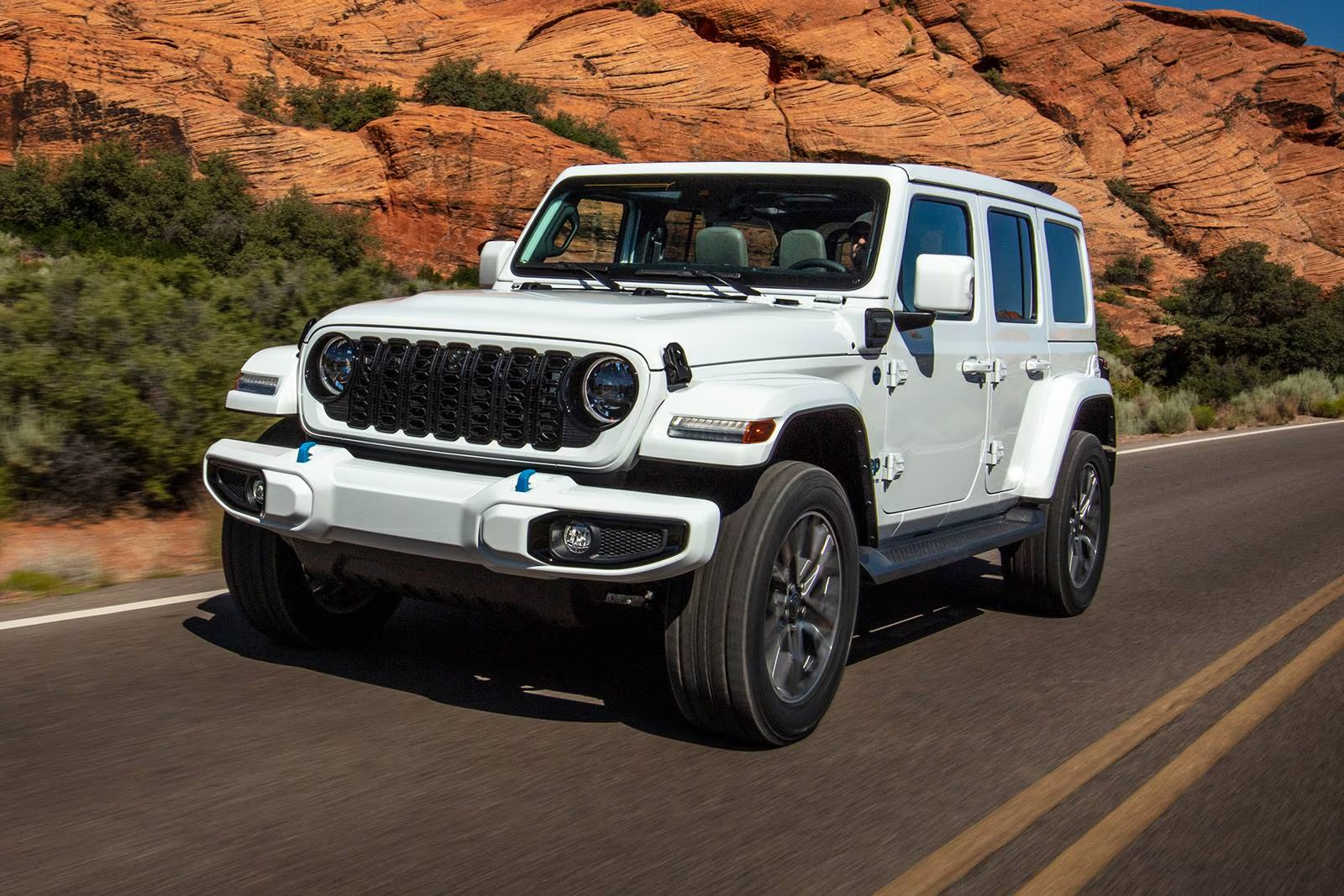
As the popularity of electric vehicles (EVs) continues to grow, the need for accessible and efficient charging stations becomes increasingly important. Jeep’s 4xe lineup, including models like the Wrangler 4xe and the Grand Cherokee 4xe, is a significant player in the plug-in hybrid market. Owners of these vehicles often wonder if they can utilize Tesla’s extensive Supercharger network for their charging needs. This article will explore whether Jeep 4xe owners can charge their vehicles at Tesla stations and what alternatives are available.
Understanding the Jeep 4xe Charging System
The Jeep 4xe is a plug-in hybrid vehicle, which means it has both a gasoline engine and an electric motor powered by a rechargeable battery. This setup allows the 4xe to offer improved fuel efficiency and the ability to drive on electric power alone for a limited range. Charging the battery is crucial for maximizing the vehicle’s electric-only range and overall efficiency.
The Jeep 4xe can be charged using two main types of charging equipment:
- Level 1 Charging (120V): This uses a standard household outlet and is the slowest method, typically taking overnight or longer to fully charge the battery.
- Level 2 Charging (240V): This requires a dedicated charging station and is significantly faster, usually taking a few hours to charge the battery fully.
Tesla Superchargers: Compatibility and Challenges
Tesla Superchargers are known for their widespread availability and rapid charging capabilities. However, they are designed specifically for Tesla vehicles, which poses compatibility issues for other brands. Here are the main challenges for charging a Jeep 4xe at a Tesla Supercharger:
Connector Differences
Tesla Superchargers use a proprietary connector that is not compatible with the charging port on Jeep 4xe models. Jeep 4xe vehicles typically use the J1772 connector for Level 1 and Level 2 charging. This difference in connectors means that, without an adapter, Jeep 4xe owners cannot directly plug into a Tesla Supercharger.
Charging Protocols
Even if a physical connection were possible, Tesla Superchargers and Jeep 4xe vehicles use different charging protocols. Tesla vehicles communicate with Superchargers using a proprietary system that ensures safe and efficient charging. Non-Tesla vehicles, including the Jeep 4xe, do not support this communication protocol, which prevents them from using the Supercharger network.
Adapters and Workarounds
While there are adapters available that allow non-Tesla EVs to use Tesla Destination Chargers (typically found at hotels and restaurants), these are not compatible with Tesla Superchargers. Destination Chargers use the same J1772 protocol as many other EVs, making them accessible to a broader range of vehicles with the proper adapter. However, this does not solve the issue for Superchargers, which remain exclusive to Tesla vehicles.

Alternative Charging Solutions for Jeep 4xe Owners
Although Tesla Superchargers are not an option, Jeep 4xe owners have several other reliable and accessible charging solutions:
Public Charging Networks
Numerous public charging networks are compatible with Jeep 4xe vehicles, including ChargePoint, EVgo, and Electrify America. These networks offer Level 2 and DC fast charging stations that can quickly recharge the 4xe’s battery.
Home Charging Stations
Installing a Level 2 home charging station is one of the most convenient options for Jeep 4xe owners. This setup allows for fast charging overnight or during the day, ensuring the vehicle is always ready for use.
Workplace Charging
Many employers are now offering EV charging stations at the workplace. Jeep 4xe owners should check with their employers to see if this option is available, providing an additional convenient charging location.
Jeep’s Dealership Network
Jeep dealerships often have charging stations available for customer use. This can be a useful resource for 4xe owners who need a quick charge while out and about.
Conclusion
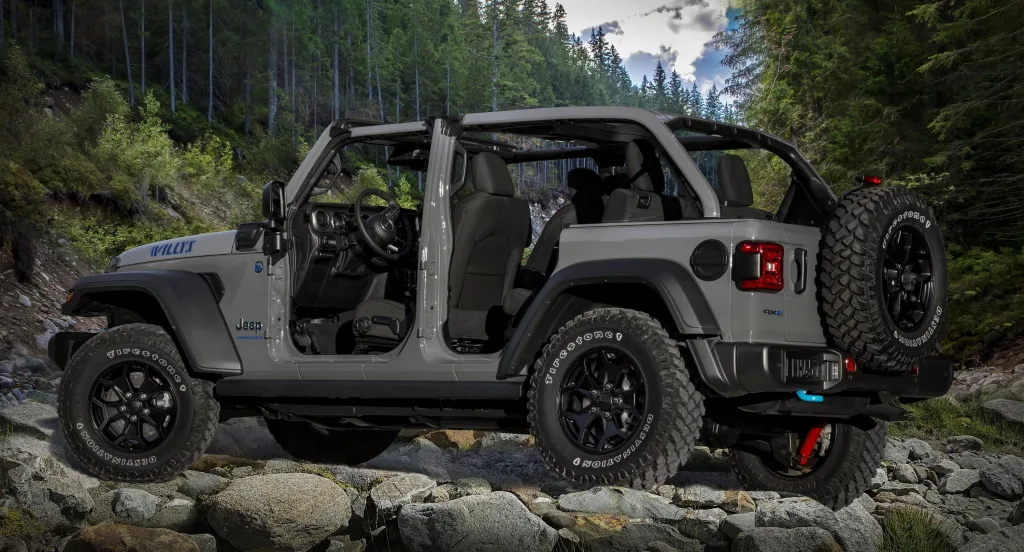
While Jeep 4xe owners cannot currently use Tesla Superchargers due to connector and protocol incompatibilities, there are plenty of alternative charging solutions available. Public charging networks, home charging stations, workplace chargers, and Jeep dealerships provide reliable and accessible options for keeping the 4xe charged and ready to go. As the EV infrastructure continues to expand, Jeep 4xe owners can look forward to even more convenient and efficient charging opportunities in the future.
Is the Dodge Hornet a V8?

The Dodge Hornet is not a V8. In fact, it’s quite different from the muscle cars Dodge is traditionally known for, like the Challenger and Charger, which often feature powerful V8 engines. The Dodge Hornet is a compact SUV that represents a new direction for the brand, focusing on efficiency, modern technology, and practicality while still offering a dash of performance that Dodge fans expect.
Is the Dodge Hornet a V8? A New Kind of Dodge
The Dodge Hornet made its debut as a compact crossover SUV, targeting a different segment of the automotive market compared to the high-performance muscle cars Dodge is famous for. Instead of a roaring V8 engine, the Hornet offers a more efficient and environmentally friendly powertrain, catering to consumers looking for a balance between performance and practicality.

Is the Dodge Hornet a V8? Powertrain Options
The Dodge Hornet comes with a choice of engines, but neither is a V8. The standard engine is a 2.0-liter turbocharged inline-four that delivers around 268 horsepower and 295 lb-ft of torque. This engine is paired with a 9-speed automatic transmission, providing a smooth and responsive driving experience. This powertrain is designed to offer a blend of performance and fuel efficiency, making it suitable for both city driving and longer road trips.
For those looking for something a bit more eco-friendly, Dodge also offers a plug-in hybrid version of the Hornet. This version combines a 1.3-liter turbocharged four-cylinder engine with an electric motor, delivering a total output of 288 horsepower. The hybrid system allows for short distances to be driven on electric power alone, making it an excellent option for those who want to reduce their carbon footprint without sacrificing too much power.
Performance and Driving Dynamics
Even without a V8, the Dodge Hornet offers an engaging driving experience. The turbocharged engines provide plenty of power for quick acceleration, and the handling is sharp and responsive, thanks to the well-tuned suspension system. The available all-wheel-drive system further enhances the Hornet’s performance, offering better traction and stability in various driving conditions.
While it may not have the raw power of a V8 muscle car, the Hornet still manages to embody some of the spirit of Dodge’s performance heritage. It’s a vehicle that feels nimble and fun to drive, especially when compared to other compact SUVs in its class.
Is the Dodge Hornet a V8? Interior and Features
Inside, the Dodge Hornet offers a modern and comfortable cabin with plenty of technology features. The infotainment system is user-friendly, featuring a large touchscreen, Apple CarPlay, Android Auto, and a variety of connectivity options. The Hornet also comes with a suite of advanced driver-assistance features, including adaptive cruise control, lane-keeping assist, and automatic emergency braking, which enhance both safety and convenience.
The interior space is generous for a compact SUV, with comfortable seating for up to five passengers. The cargo area is also spacious, making the Hornet a practical choice for families and individuals who need a versatile vehicle for everyday use.
Is the Dodge Hornet a V8? A New Chapter for Dodge
The Dodge Hornet represents a significant shift in Dodge’s lineup, showcasing the brand’s ability to adapt to the evolving automotive landscape. While it may not feature the V8 engine that Dodge enthusiasts might expect, it offers a compelling package that combines performance, efficiency, and practicality.
The Hornet is an example of how Dodge is expanding its horizons, appealing to a broader audience while still maintaining the performance-oriented DNA that has made the brand so popular. Whether you’re looking for a sporty compact SUV or a plug-in hybrid with some muscle, the Dodge Hornet offers a modern alternative in the world of Dodge vehicles.
1. “Why Dodge Opted for a Turbocharged Inline-Four Over a V8 in the Hornet”
Dodge’s decision to equip the Hornet with a turbocharged inline-four engine instead of a V8 reflects the changing dynamics of the automotive industry. In recent years, fuel efficiency and environmental regulations have become increasingly important, pushing automakers to prioritize smaller, more efficient engines. The 2.0-liter turbocharged inline-four in the Hornet offers a balance of power and efficiency, delivering a respectable 268 horsepower while also helping drivers save on fuel costs. Additionally, the market for compact SUVs has grown rapidly, with consumers seeking vehicles that offer practicality and lower running costs without sacrificing performance. By choosing a turbocharged four-cylinder engine, Dodge positions the Hornet as a versatile option that appeals to a broader audience, including those who might not be drawn to the brand’s traditional V8 muscle cars.
2. “Comparing the Dodge Hornet’s Performance to Traditional V8-Powered Muscle Cars”
While the Dodge Hornet may not have the same raw power as the brand’s legendary V8-powered muscle cars, it still delivers an engaging driving experience. The turbocharged inline-four engine provides brisk acceleration and a lively feel, especially when paired with the responsive 9-speed automatic transmission. When compared to traditional V8 muscle cars like the Challenger, the Hornet’s performance is more focused on agility and efficiency rather than sheer horsepower. The compact SUV’s lighter weight and advanced suspension tuning allow for sharper handling, making it fun to drive on twisty roads. While the Hornet might not roar down the highway with the same intensity as a V8 muscle car, it offers a more practical and modern take on performance that aligns with today’s automotive trends.
3. “The Evolution of Dodge: From V8 Muscle Cars to Modern Compact SUVs”
Dodge has long been synonymous with powerful V8 engines and muscle cars that embody the spirit of American automotive culture. However, the introduction of the Dodge Hornet marks a significant evolution in the brand’s lineup. As consumer preferences shift toward more versatile and fuel-efficient vehicles, Dodge has expanded its offerings to include modern compact SUVs like the Hornet. This shift reflects the broader changes in the automotive market, where SUVs and crossovers have become the dominant choice for many buyers. The Hornet represents Dodge’s ability to adapt to these changes while still incorporating the performance DNA that has defined the brand for decades. By embracing new technologies and engine options, Dodge is evolving to meet the needs of a new generation of drivers without abandoning its roots.
4. “The Future of Dodge: Will We See a V8-Powered SUV?”
As Dodge continues to diversify its lineup, the question arises: could we see a V8-powered SUV from the brand in the future? While the Hornet currently features smaller, more efficient engines, there is certainly a market for high-performance SUVs that offer the power and thrill of a V8 engine. Dodge has a history of pushing the boundaries of performance, and a V8-powered SUV could be the next step in this evolution. Such a vehicle would appeal to enthusiasts who crave the muscle car experience but need the practicality of an SUV. With competitors offering powerful V8 options in their SUVs, it wouldn’t be surprising if Dodge decided to enter this space with a model that combines the best of both worlds: the brute force of a V8 with the versatility of an SUV.
5. “Hybrid Powertrain: The Hornet’s Answer to Balancing Performance and Efficiency”
The Dodge Hornet’s hybrid powertrain option is a testament to the brand’s commitment to balancing performance with efficiency. The plug-in hybrid version of the Hornet combines a 1.3-liter turbocharged four-cylinder engine with an electric motor, resulting in a total output of 288 horsepower. This setup allows drivers to enjoy the benefits of electric driving for short trips, reducing emissions and fuel consumption, while still providing the power needed for longer journeys or spirited driving. The hybrid system also offers the flexibility to switch between electric and gasoline power, depending on the driving conditions. For Dodge, the Hornet’s hybrid option represents a strategic move to appeal to environmentally conscious consumers without sacrificing the performance edge that the brand is known for. It’s a forward-thinking approach that positions Dodge as a brand that’s ready to meet the challenges of the future while staying true to its performance heritage.
Dodge Hornet FAQs
- Q: Is the Dodge Hornet a V8? A: No, the Dodge Hornet is not equipped with a V8 engine. It comes with either a 2.0-liter turbocharged inline-four engine or a plug-in hybrid powertrain.
- Q: What type of vehicle is the Dodge Hornet? A: The Dodge Hornet is a compact crossover SUV, representing a new direction for the Dodge brand.
- Q: What are the engine options for the Dodge Hornet? A: The Dodge Hornet offers two engine options: a 2.0-liter turbocharged inline-four and a plug-in hybrid combining a 1.3-liter turbocharged four-cylinder with an electric motor.
- Q: How much horsepower does the standard Dodge Hornet engine produce? A: The standard 2.0-liter turbocharged engine delivers around 268 horsepower and 295 lb-ft of torque.
- Q: Is there a hybrid version of the Dodge Hornet? A: Yes, Dodge offers a plug-in hybrid version of the Hornet, which combines a gasoline engine with an electric motor.
- Q: What’s the total power output of the Dodge Hornet hybrid? A: The plug-in hybrid version of the Dodge Hornet delivers a total output of 288 horsepower.
- Q: What transmission does the Dodge Hornet use? A: The standard Dodge Hornet comes with a 9-speed automatic transmission.
- Q: Does the Dodge Hornet offer all-wheel drive? A: Yes, the Dodge Hornet is available with an all-wheel-drive system for better traction and stability.
- Q: How does the Dodge Hornet compare to traditional Dodge muscle cars in terms of performance? A: While not as powerful as V8 muscle cars, the Hornet offers quick acceleration and responsive handling, focusing on agility and efficiency rather than raw power.
- Q: What are some key features of the Dodge Hornet’s interior? A: The Hornet features a modern cabin with a user-friendly infotainment system, large touchscreen, Apple CarPlay, Android Auto, and various connectivity options.
- Q: Does the Dodge Hornet come with advanced driver-assistance features? A: Yes, the Hornet is equipped with a suite of advanced driver-assistance features, including adaptive cruise control, lane-keeping assist, and automatic emergency braking.
- Q: How many passengers can the Dodge Hornet accommodate? A: The Dodge Hornet can comfortably seat up to five passengers.
- Q: Is the Dodge Hornet suitable for family use? A: Yes, with its spacious interior, comfortable seating for five, and generous cargo area, the Hornet is a practical choice for families.
- Q: Can the plug-in hybrid Dodge Hornet drive on electric power alone? A: Yes, the plug-in hybrid version allows for short distances to be driven on electric power alone.
- Q: Why did Dodge choose a turbocharged inline-four engine for the Hornet instead of a V8? A: Dodge opted for the turbocharged inline-four to balance performance with fuel efficiency, meeting modern environmental regulations and consumer demands for lower running costs.
- Q: How does the Dodge Hornet represent a shift in Dodge’s lineup? A: The Hornet represents Dodge’s adaptation to changing market trends, offering a compact SUV that combines efficiency and practicality with the brand’s performance-oriented DNA.
- Q: Is the Dodge Hornet as fuel-efficient as other compact SUVs? A: While specific fuel economy figures aren’t provided, the Hornet’s engine options are designed to offer a balance of performance and efficiency competitive with other compact SUVs.
- Q: Does the Dodge Hornet still maintain some of Dodge’s performance heritage? A: Yes, while different from traditional muscle cars, the Hornet still offers engaging performance with quick acceleration and responsive handling.
- Q: Is there a possibility of a V8-powered Dodge SUV in the future? A: While not confirmed, the article speculates that Dodge might consider a V8-powered SUV in the future to cater to enthusiasts who want both power and practicality.
- Q: How does the Dodge Hornet appeal to environmentally conscious consumers? A: The Hornet’s plug-in hybrid option allows for reduced emissions and fuel consumption on short trips, appealing to environmentally conscious consumers without sacrificing performance.
Connect with us


