





How Many Miles Can the Jeep 4xe Go on Electric?
The Jeep Wrangler 4xe represents the brand’s foray into the hybrid market, offering an exciting blend of traditional off-road prowess with modern, eco-friendly technology. One of the most frequently asked questions about the Wrangler 4xe is: How many miles can it go on electric power alone? This article delves into the details, highlighting the electric range, battery capacity, and overall performance of this innovative vehicle.

How Many Miles Can the Jeep 4xe Go on Electric? Electric Range and Battery Capacity
The Jeep Wrangler 4xe is equipped with a 17 kWh battery pack, which powers its electric motor. On a full charge, this allows the Wrangler 4xe to travel up to 21 miles on electric power alone. This range makes it perfect for short commutes, errands, and even some off-road adventures without relying on gasoline.
How Many Miles Can the Jeep 4xe Go on Electric? Daily Driving Benefits
For many drivers, the 21-mile electric range is more than sufficient for daily commutes and typical driving needs. According to the U.S. Department of Transportation, the average American drives about 29 miles per day. With the Wrangler 4xe, many daily trips can be completed using only electric power, significantly reducing fuel consumption and emissions.
Hybrid Flexibility
While the electric range of 21 miles is impressive, the Wrangler 4xe also shines with its hybrid capabilities. When the battery is depleted, the vehicle seamlessly switches to its 2.0-liter turbocharged inline-four engine, which works in conjunction with the electric motor. This hybrid setup provides a combined range of over 370 miles, ensuring that drivers can embark on longer journeys without worrying about recharging.
How Many Miles Can the Jeep 4xe Go on Electric? Regenerative Braking
The Wrangler 4xe also features regenerative braking, which helps extend the electric range. This system captures energy that would otherwise be lost during braking and deceleration, using it to recharge the battery. While this doesn’t drastically increase the 21-mile electric range, it does enhance overall efficiency and reduces the frequency of needing to plug in for a recharge.
Charging Options
Charging the Wrangler 4xe is convenient and flexible. It can be charged using a standard 120-volt household outlet, which takes approximately 12 hours for a full charge. For faster charging, a 240-volt Level 2 charger can be used, reducing the charging time to about 2 hours. Additionally, public charging stations are becoming increasingly common, providing more options for topping up the battery.
Environmental Impact
Driving the Wrangler 4xe on electric power not only saves on fuel costs but also contributes to a cleaner environment. By reducing reliance on gasoline, the Wrangler 4xe lowers greenhouse gas emissions and helps combat climate change. For eco-conscious drivers who still crave the rugged capabilities of a Jeep, the 4xe offers a compelling solution.
Off-Road Capabilities
Despite its hybrid nature, the Wrangler 4xe retains the legendary off-road prowess that Jeep is known for. The electric motor provides instant torque, which can be particularly advantageous in off-road situations. The 4xe can traverse challenging terrains, ford water, and tackle steep inclines with ease, all while operating in electric mode.
Conclusion
The Jeep Wrangler 4xe is a remarkable blend of tradition and innovation, offering an electric range of up to 21 miles that meets the needs of many daily drivers. Its hybrid system ensures that longer journeys are never a concern, while its off-road capabilities remain intact. For those looking to reduce their carbon footprint without sacrificing the adventurous spirit of a Jeep, the Wrangler 4xe is an excellent choice. Whether for commuting, running errands, or hitting the trails, the Wrangler 4xe delivers efficiency, flexibility, and performance.
4o

The Jeep Wrangler 4xe, Jeep’s plug-in hybrid model, is designed to use both electricity and gasoline, but when it comes to choosing the type of gasoline, it’s important to know that it requires premium fuel. Here’s a detailed breakdown:
Why Premium Fuel?
- Engine Requirements: The 4xe’s turbocharged 2.0-liter four-cylinder engine is engineered to optimize performance and efficiency with higher-octane fuel. Premium gasoline, with an octane rating of 91 or higher, helps prevent engine knock and ensures that the engine operates at its designed performance levels.
- Performance and Efficiency: Using premium fuel allows the engine to reach its full potential. It helps in maintaining power output and efficiency, which is especially important for hybrid systems like the 4xe. The advanced engine management system is calibrated to work best with premium fuel, enhancing both power and fuel economy.
- Hybrid System Compatibility: The 4xe combines electric motors with a gasoline engine, and the premium fuel supports the high-performance demands of the hybrid system. This ensures smooth operation and longevity of both the electric and gasoline components.
Links for More Information
If you’re in the Simi Valley area and want to explore the Jeep Wrangler 4xe or need more specific information about its fuel requirements, check out the following links:
- Simi Valley Chrysler Dodge Jeep Ram (CDJR): Visit Simi Valley CDJR to browse their inventory, schedule a test drive, or get in touch with their sales team for personalized assistance.
- Jeep Official Site: Jeep Wrangler 4xe Specifications for the latest details on fuel requirements and other specifications.
- Car and Driver Review: Jeep Wrangler 4xe Review for expert insights and comprehensive reviews on the vehicle’s performance, including its fuel requirements.
By using premium gasoline, you’ll be ensuring that your Jeep Wrangler 4xe performs optimally, delivering the driving experience you expect from this innovative plug-in hybrid.
Does a Jeep 4XE Charge while Driving?
The Jeep Wrangler 4xe is a plug-in hybrid electric vehicle (PHEV) that combines the rugged performance of a traditional gas engine with the eco-friendly benefits of electric power. This hybrid system lets drivers enjoy off-road capability while reducing emissions.
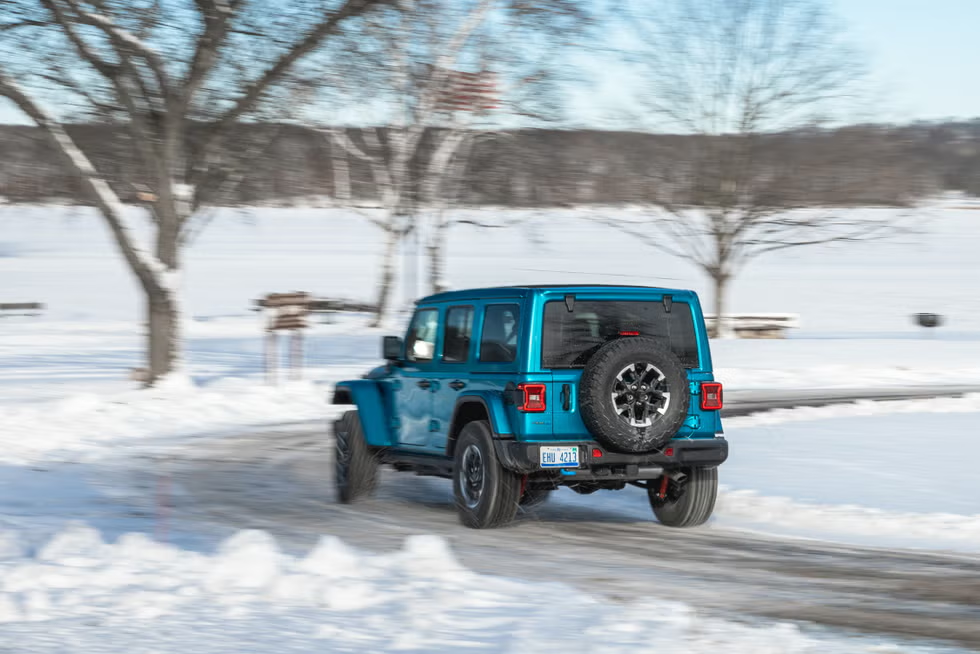
A common question from potential buyers and current owners is whether the Wrangler 4xe charges its battery while driving. To answer this, let’s take a closer look at its regenerative braking system and hybrid powertrain.
The Wrangler 4xe is equipped with regenerative braking, a technology that captures energy usually lost during braking. When the driver presses the brakes, the system converts kinetic energy into electricity, which is then stored in the vehicle’s battery. This helps recharge the battery and improves overall energy efficiency.
In addition, the hybrid powertrain blends the power of the gasoline engine and electric motor for optimal performance and fuel efficiency. While the main way to charge the battery is through an external power source, regenerative braking plays a key role in extending the electric range and boosting efficiency during everyday driving and off-road adventures.
In short, the Jeep Wrangler 4xe does charge its battery while driving, thanks to its regenerative braking system. Paired with the hybrid powertrain, this makes the 4xe a great option for those who want both the excitement of off-roading and the environmental benefits of hybrid technology.
Does a Jeep 4xe Charge while Driving? Regenerative Braking System
The Jeep Wrangler 4xe actively charges its battery while driving through its advanced regenerative braking system. This cutting-edge technology allows the vehicle to capture and convert kinetic energy, which is typically lost during braking or deceleration, into usable electrical energy. The process works whenever the driver slows down or applies the brakes, transforming that energy into a power source that is then stored in the vehicle’s battery. This not only helps recharge the battery on the go but also improves overall energy efficiency by maximizing the use of the electric motor. As a result, the regenerative braking system extends the electric range, making the Jeep Wrangler 4xe an efficient choice for drivers looking to balance power, performance, and eco-friendliness without relying solely on external charging stations.
This smart energy recovery system is particularly beneficial in stop-and-go traffic or during long downhill stretches, where more braking occurs, thus enhancing the recharging process. Overall, the Jeep 4xe’s regenerative braking system is a key feature that supports its hybrid capabilities, ensuring the vehicle can maintain electric power even during regular driving. (CarGurus) .
Does a Jeep 4xe Charge while Driving? Hybrid Powertrain Capabilities
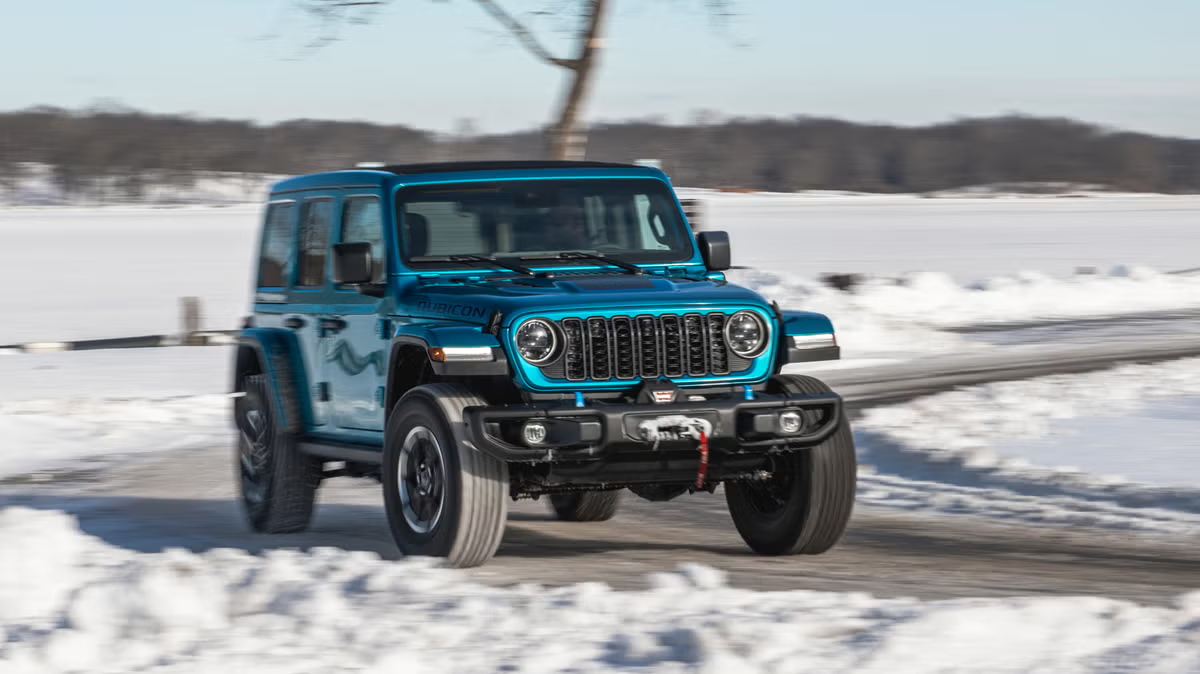
In addition to regenerative braking, the Jeep 4xe’s hybrid powertrain can also charge the battery while driving under certain conditions. The 4xe features a 2.0-liter turbocharged inline-four gasoline engine paired with two electric motors. When the vehicle operates in hybrid mode, the gasoline engine can provide power to the wheels and, when necessary, generate electricity to recharge the battery. This dual capability allows the Jeep 4xe to maintain a charge and extend its electric range, especially during long drives (CarGurus) .
Does a Jeep 4xe Charge while driving? Driving Modes
The Jeep Wrangler 4xe provides three unique driving modes, allowing drivers to tailor how the vehicle uses its gasoline engine and electric motor based on their preferences and driving conditions. These modes give the driver more flexibility in managing fuel efficiency, battery usage, and overall vehicle performance. Here’s a detailed breakdown of each mode:
Hybrid Mode:
This mode is the default setting for the Wrangler 4xe. In Hybrid Mode, the vehicle intelligently combines power from the gasoline engine and the electric motor to deliver optimal efficiency and performance. The system prioritizes using the electric motor first, consuming the battery’s charge until it is depleted. Once the battery is low, the vehicle seamlessly transitions to using the gasoline engine, ensuring continuous power and performance.
This mode is particularly useful for long drives or when you want to maximize overall range. The vehicle adapts to driving conditions, using electric power when possible to reduce fuel consumption, and switching to gasoline for more power when needed. It strikes the perfect balance between efficiency and performance, offering smooth, fuel-efficient driving while still maintaining the Jeep’s rugged capabilities.
Electric Mode:
In Electric Mode, the Wrangler 4xe runs exclusively on electric power. This mode is ideal for short trips around town or in areas where you want to reduce noise and emissions. The vehicle operates silently and produces zero tailpipe emissions, making it perfect for urban environments, environmentally sensitive areas, or simply when you prefer to drive with minimal environmental impact.
Electric Mode will use the battery until its charge is depleted, after which the vehicle will automatically switch to Hybrid Mode. Even in this mode, the regenerative braking system continues to capture energy during deceleration and braking, helping to recharge the battery and extend the electric range.
eSave Mode:
eSave Mode is designed for situations where you want to conserve the battery’s charge for later use. In this mode, the vehicle prioritizes the gasoline engine and reduces reliance on the electric motor, allowing you to save the battery for specific situations, such as when you plan to drive in an area that restricts emissions or when you need electric power for off-road situations.
eSave Mode offers two sub-options:
- Battery Save: This setting maintains the current battery level, preserving it for later use.
- Battery Charge: In this setting, the gasoline engine actively charges the battery while driving, allowing you to replenish the electric power as you go.
This mode is especially useful on long trips where you want to save the electric range for city driving, where it’s more beneficial, or for off-road trails where you want the instant torque and quiet operation of electric power.
Does a Jeep 4xe Charge While Driving? Practical Benefits
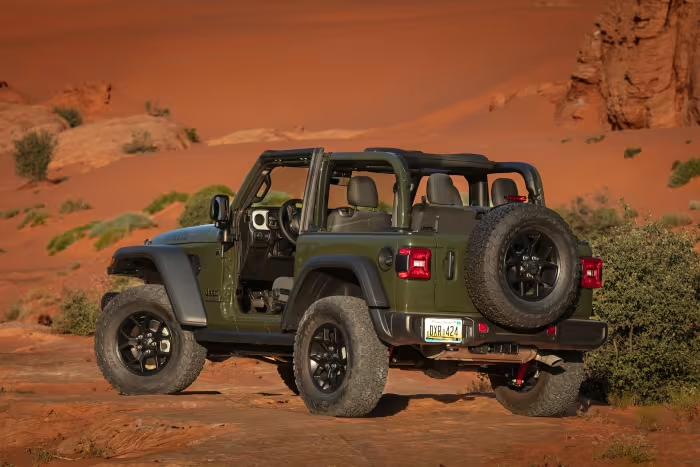
Yes, the Jeep Wrangler 4xe does charge while driving, and this ability brings several key practical benefits that enhance the vehicle’s performance and convenience. This feature is made possible through its regenerative braking system, which captures energy that would otherwise be lost during braking and deceleration, converting it into electrical energy that is stored in the battery.
Here are the practical benefits of the Jeep 4xe’s ability to charge while driving:
- Improved Efficiency for Long Trips: The ability to recharge the battery while driving significantly improves the overall efficiency of the Jeep 4xe. It extends the vehicle’s range without requiring frequent stops to charge the battery at an external charging station. Whether you’re commuting daily or embarking on long road trips, this feature ensures that the vehicle’s electric motor is continually replenished, enhancing fuel economy and reducing emissions.
- Enhanced Off-Road Capability: For off-road enthusiasts, having the battery charged and ready is a major advantage. Electric power is particularly beneficial for low-speed, high-torque driving, which is common in off-road conditions. The regenerative braking system ensures that, even in rough terrain, the battery remains charged, allowing you to tap into the instant torque of the electric motor for better control and performance in challenging conditions.
- Seamless Driving Experience: The Jeep 4xe’s hybrid system offers a seamless blend of gasoline and electric power, thanks to its regenerative charging capability. You don’t have to worry about running out of electric power on the go—whether you’re driving in the city, on highways, or off-road, the vehicle continually recharges itself, providing an efficient and smooth driving experience.
Conclusion
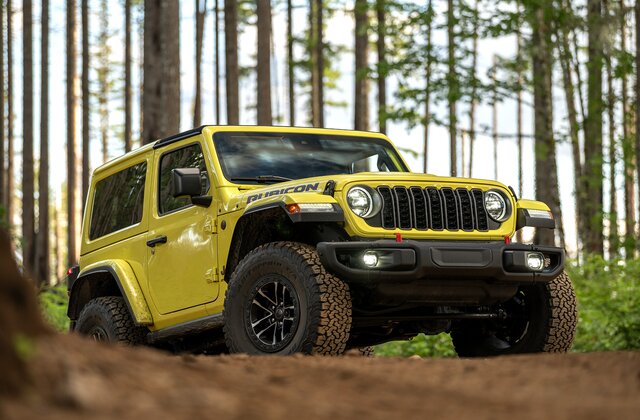
In summary, the Jeep Wrangler 4xe does indeed charge while driving, thanks to its regenerative braking system and hybrid powertrain. This feature allows the vehicle to maintain its battery charge and extend its electric range, delivering a perfect balance between gasoline and electric power. It offers a versatile and efficient driving experience, making it ideal for both daily commuting and off-road adventures.
If you’re considering the Jeep 4xe, understanding these features highlights its advanced technology and practical benefits. This vehicle is not only capable of conquering off-road trails but is also equipped with modern eco-friendly technology that enhances fuel efficiency and performance.
For more detailed information, you can visit the Jeep official website and read reviews on MotorTrend and Car and Driver.
FAQ
- Does the Jeep Wrangler 4xe charge while driving?
Yes, the Jeep Wrangler 4xe charges its battery while driving through its regenerative braking system. This technology captures energy typically lost during braking and converts it into electrical energy, which is then stored in the vehicle’s battery.
- How does the regenerative braking system work?
The regenerative braking system in the Wrangler 4xe captures kinetic energy during braking or deceleration and converts it into electrical energy. This process occurs whenever the driver slows down or applies the brakes, helping to recharge the battery and improve overall energy efficiency.
- What are the driving modes available in the Wrangler 4xe?
The Jeep Wrangler 4xe offers three driving modes:
- Hybrid Mode: The default setting that combines power from both the gasoline engine and electric motor for optimal efficiency and performance.
- Electric Mode: Runs exclusively on electric power, ideal for short trips and urban environments with zero tailpipe emissions.
- eSave Mode: Prioritizes the gasoline engine to conserve battery charge for later use, with options to maintain or actively charge the battery while driving.
- How does the hybrid powertrain work?
The Wrangler 4xe features a 2.0-liter turbocharged inline-four gasoline engine paired with two electric motors. In hybrid mode, the gasoline engine can both power the wheels and generate electricity to recharge the battery, allowing for extended electric range and improved efficiency.
- What are the benefits of charging while driving?
Charging while driving offers several practical benefits:
- Improved Efficiency: Extends the vehicle’s range without frequent stops at charging stations, enhancing fuel economy.
- Enhanced Off-Road Capability: Keeps the battery charged for low-speed, high-torque driving conditions typical in off-roading.
- Seamless Driving Experience: Provides a smooth blend of gasoline and electric power without worrying about depleting electric charge.
- Is the Wrangler 4xe suitable for both daily commuting and off-road adventures?
Yes, the Jeep Wrangler 4xe is designed to be versatile. Its hybrid powertrain and regenerative braking system make it efficient for daily commuting, while its rugged design and off-road capabilities maintain the Jeep’s traditional strengths for adventure driving.
Can I leave my 4xe plugged in all the time?

Yes, you can leave your Jeep Wrangler 4xe plugged in all the time, and it’s generally safe to do so. Here’s a detailed explanation of why it’s okay and some considerations to keep in mind:
Why It’s Safe to Leave Your 4xe Plugged In
- Battery Management System:
- The Jeep Wrangler 4xe is equipped with a sophisticated Battery Management System (BMS). This system monitors the state of the battery and manages charging to prevent overcharging. Once the battery reaches full charge, the system will stop charging automatically, so leaving it plugged in won’t harm the battery.
- Charge Maintenance:
- When plugged in, the vehicle can maintain the battery’s charge at an optimal level. This can be particularly useful for ensuring that your vehicle is always ready to go with a full charge, especially if you use the electric-only mode frequently.
- Convenience:
- Keeping your Wrangler 4xe plugged in allows for automatic charging during off-hours, such as overnight, when electricity rates may be lower. This means you can start each day with a full battery without having to worry about manually plugging in and unplugging the vehicle.
Considerations for Leaving Your 4xe Plugged In
- Charging Equipment:
- Ensure that you’re using a high-quality charging cable and that your home charging station is properly installed. Faulty equipment or poor installation can pose risks. It’s always a good idea to have your charging setup checked by a professional if you have any concerns.
- Battery Health:
- While the BMS protects against overcharging, long-term battery health can be influenced by factors like temperature and charging habits. For optimal battery health, avoid extreme temperatures and follow best practices for battery maintenance. For instance, if you’re not going to drive for an extended period, it might be useful to keep the battery at around 50% charge rather than full.
- Energy Costs:
- While leaving your vehicle plugged in ensures a full charge, be mindful of your electricity usage and costs. Consider using a time-of-use plan if available, which may offer lower rates during off-peak hours.
- Vehicle Settings:
- Some hybrid vehicles have settings to manage charging times and battery health. Check your Wrangler 4xe’s owner’s manual or consult with your dealer to see if there are any recommended settings for long-term charging.
Additional Resources
For more detailed information on charging practices and battery maintenance, you can consult the following resources:
- Jeep Official Website: Offers detailed information about the Wrangler 4xe, including charging guidelines and battery care.
- Simi Valley Chrysler Dodge Jeep Ram (CDJR): Provides support and information on Jeep vehicles, including the Wrangler 4xe. They can offer personalized advice and answer specific questions about your vehicle.
- ChargePoint: Provides resources on electric vehicle charging and can help you understand more about charging equipment and best practices.
Conclusion
Leaving your Jeep Wrangler 4xe plugged in is a convenient and safe practice, thanks to the vehicle’s advanced Battery Management System. By following good charging habits and ensuring your charging equipment is in good condition, you can keep your vehicle ready for each drive without worrying about battery health. For any specific concerns or additional information, consult the official Jeep website or visit your local dealership, like Simi Valley CDJR.
How Long Does a Jeep 4xe Battery Last?
The Jeep Wrangler 4xe represents a significant step forward for the iconic off-road brand, blending traditional ruggedness with modern hybrid technology. As a plug-in hybrid electric vehicle (PHEV), the Wrangler 4xe features a battery pack that plays a crucial role in its performance and efficiency. A common question among prospective buyers and current owners is: How long does the Jeep 4xe battery last? This article will delve into the factors that affect battery life, the expected lifespan of the battery, and tips for extending its longevity.
Understanding the Jeep 4xe Battery
The Jeep Wrangler 4xe is equipped with a 17-kWh lithium-ion battery pack. This battery powers the vehicle’s electric motor, allowing for an all-electric driving range of approximately 21 miles. The hybrid system also includes a turbocharged 2.0-liter four-cylinder engine, which works in conjunction with the electric motor to optimize performance and fuel efficiency.
Battery Lifespan: What to Expect
- Manufacturer’s Warranty:
- Jeep offers an 8-year or 100,000-mile warranty on the Wrangler 4xe’s battery. This warranty is an indicator of the manufacturer’s confidence in the battery’s longevity. During this period, if the battery capacity falls below a certain level or if there are any defects, Jeep will repair or replace it.
- Typical Lifespan:
- Under normal conditions, the lithium-ion battery in the Wrangler 4xe is expected to last between 8 to 15 years. Factors such as driving habits, climate, and charging practices can influence this lifespan. For instance, frequent rapid charging or exposure to extreme temperatures may reduce battery life.
Factors Affecting Battery Life
Several factors can impact the longevity of the Jeep 4xe’s battery:
- Charging Habits:
- Regularly using Level 1 (120-volt) or Level 2 (240-volt) chargers is generally better for the battery compared to frequent use of DC fast chargers. Fast charging generates more heat, which can degrade the battery over time.
- Driving Patterns:
- Consistently depleting the battery to near-zero and then fully recharging it can stress the battery. It’s often better to maintain a moderate charge level.
- Climate:
- Extreme temperatures, both hot and cold, can affect battery performance and longevity. Keeping the vehicle in a garage or using thermal management systems can help mitigate temperature-related degradation.
- Battery Maintenance:
- Keeping the battery and its components well-maintained, including software updates and routine checks, can help extend its life.
Maximizing Battery Longevity
To get the most out of your Jeep Wrangler 4xe’s battery, consider the following tips:
- Moderate Charging:
- Avoiding frequent full discharges and charges can help extend battery life. Instead, aim to keep the battery charge between 20% and 80% for daily use.
- Use Appropriate Chargers:
- While DC fast charging is convenient, it’s best used sparingly. Regularly use Level 1 or Level 2 chargers to reduce heat and stress on the battery.
- Protect from Extreme Temperatures:
- Whenever possible, park the vehicle in a shaded area or garage. Using preconditioning features to heat or cool the battery before driving can also help.
- Software Updates:
- Keep the vehicle’s software up to date, as manufacturers often release updates that can improve battery management and efficiency.
Signs of Battery Degradation
Over time, all batteries experience some level of degradation. Here are some signs that your Jeep Wrangler 4xe’s battery may be losing capacity:
- Reduced Electric Range:
- A noticeable decrease in the electric-only driving range is a common indicator of battery degradation.
- Longer Charging Times:
- If it takes significantly longer to charge the battery than it used to, this could be a sign of decreased capacity.
- Warning Messages:
- Pay attention to any warning messages or indicators on the vehicle’s dashboard related to battery health.
Conclusion
The Jeep Wrangler 4xe’s battery is designed to last for many years, with an expected lifespan of 8 to 15 years under normal conditions. By following best practices for charging and maintenance, you can help ensure that your vehicle’s battery remains in good condition for as long as possible. For more detailed information or specific concerns about your Jeep Wrangler 4xe, it’s always a good idea to consult with your local dealership, such as Simi Valley Chrysler Dodge Jeep Ram (CDJR), where you can get personalized advice and support.
4o
How much will a Jeep Cost?

Whether you’re looking for a rugged off-roader or a versatile family SUV, Jeep continues to dominate in 2026 with a lineup that blends performance, innovation, and off-road heritage. But with rising manufacturing costs, new technologies, and evolving trim levels, many shoppers are asking the same question: How much will a Jeep cost in 2026?
This guide provides a full breakdown of Jeep’s expected MSRP pricing across all major models in 2026—from the iconic Wrangler to the luxurious Grand Cherokee and the capable Gladiator. We’ll also compare starting prices vs. top trims, hybrid/electric options, and what’s driving prices in this year’s market.
🏷️ What’s Influencing Jeep Prices in 2026?
Several key trends are shaping Jeep pricing this year:
- Electrification push: More trims are plug-in hybrids (PHEV), driving prices up.
- Tech upgrades: Larger infotainment screens, ADAS, and off-road assist systems.
- Raw material inflation: Steel, battery components, and labor costs are still higher post-pandemic.
- Trim and option expansion: More customization = wider pricing ranges.
💰 2026 Jeep Pricing by Model (Base MSRP)
| Model | Starting MSRP (USD) | Top Trim (Est. MSRP) | Powertrain Options |
|---|---|---|---|
| Jeep Wrangler | $34,995 | $74,995 (Rubicon 392) | Gas, PHEV (4xe), V8 |
| Jeep Gladiator | $39,990 | $68,000 (Mojave X) | Gas, Diesel (limited), PHEV (TBD) |
| Jeep Grand Cherokee | $41,000 | $76,500 (Summit Reserve 4xe) | Gas, PHEV (4xe) |
| Jeep Cherokee (if returns) | ~$36,000 | ~$48,000 | Likely hybrid or 2.0L Turbo |
| Jeep Compass | $27,995 | $39,995 (High Altitude) | 2.0L Turbo AWD only |
| Jeep Renegade | $26,500 (TBD in U.S.) | $33,000 | Gas (phased out in Canada), hybrid in EU |
| Jeep Wagoneer | $63,595 | $87,000+ (L Series III) | Twin-Turbo I6, AWD |
| Jeep Grand Wagoneer | $93,945 | $115,000+ (Obsidian) | High-output Hurricane I6 |
| Jeep Avenger (EU) | ~$35,000 USD equiv. | ~$42,000 | EV-only, not in North America (yet) |
Note: Pricing may vary based on region, incentives, dealer markups, and availability. These 2026 estimates are based on Jeep’s official pricing trends and dealer projections.
📈 What’s New in 2026 That Affects Price?
1. Wrangler 4xe & Rubicon X Enhancements
- Better electric-only range (up to 35 miles).
- Standard 12.3″ Uconnect touchscreen.
- X trims now include steel bumpers and off-road cameras by default.
- Price Impact: ~$2,000 increase over 2025 trims.
2. Grand Cherokee 4xe Lineup Growth
- Electrified trims dominate in 2026.
- Summit Reserve trim sees tech and comfort upgrades (massaging seats, night vision).
- Price Impact: Increases of $1,500–$3,000 across trims.
3. Compass Becomes Turbo-Only
- Discontinued 2.4L engine; now standard 2.0L Turbo on all trims.
- Standard AWD on all U.S. models.
- Price Impact: Base price up by ~$1,200.
4. Wagoneer & Grand Wagoneer Hurricane Engine Rollout
- V8s replaced by twin-turbo I6 “Hurricane” engines with better power and MPG.
- Luxury interior updates (optional 23-speaker McIntosh system).
- Price Impact: $2,000+ increase on upper trims.
⚡ Are There Any EV or PHEV Models in 2026?
Yes. Jeep continues its electrification push in 2026:
- Wrangler 4xe: Most popular plug-in hybrid off-roader.
- Grand Cherokee 4xe: Electric + turbo combo with strong towing and torque.
- Jeep Recon EV (TBD U.S. launch in late 2026): Electric off-roader with removable doors.
- Jeep Wagoneer S (Electric, 600+ hp): U.S. debut expected late 2026.
These models carry a premium over gas counterparts—expect 4xe trims to cost $6,000–$10,000 more, while full EVs (like Recon or Wagoneer S) could start around $65,000–$80,000 depending on trim and tax credits.
🇺🇸 Price Trends vs. 2025: What’s Changing?
| Year | Avg. Jeep Price (Est.) | Notable Changes |
|---|---|---|
| 2025 | $42,000 | Wrangler 4xe boost, new Compass |
| 2026 | $44,000–$46,000 | More PHEV, Hurricane I6 rollout |
💡 Tips Before You Buy a Jeep in 2026
- Compare MSRP and Invoice Price: Know what dealers pay to negotiate effectively.
- Check Incentives: Jeep often offers loyalty rebates, military discounts, and financing bonuses.
- Look for EV Tax Credits: 4xe and full EV models may qualify for up to $7,500 in federal credits.
- Build & Price Tools: Use the official Jeep configurator to see how your selected options impact MSRP.
🧾 Final Thoughts: How Much Will a Jeep Cost in 2026?
The answer depends on your priorities. If you’re aiming for a basic, capable SUV, models like the Jeep Compass or Renegade still start under $30,000. If you’re going all-in on performance or electrification, expect to pay upwards of $70,000–$115,000 for high-end Rubicon 392 or Grand Wagoneer trims.
What’s clear is that Jeep’s 2026 pricing reflects innovation—from hybrid powertrains to luxury-grade interiors—without compromising the brand’s signature ruggedness.
Still deciding which Jeep fits your budget? Stay tuned for our upcoming breakdowns of 2026 Wrangler vs. Bronco and Best Jeep Models for the Money in 2026.

What Happens When a Jeep Wrangler 4xe Runs Out of Charge?
The Jeep Wrangler 4xe is a versatile plug-in hybrid electric vehicle (PHEV) that combines a traditional gasoline engine with an electric motor. This setup allows for flexibility in how the vehicle is powered and driven. One common question among 4xe owners and potential buyers is: what happens when the 4xe runs out of charge? In this article, we’ll explore how the Jeep Wrangler 4xe functions when the battery is depleted, ensuring you have a comprehensive understanding of its capabilities.
Operation of the Jeep Wrangler 4xe with a Depleted Battery
When the battery of the Jeep Wrangler 4xe runs out of charge, the vehicle seamlessly transitions to using its gasoline engine. Here’s what you can expect:
- Gasoline Engine Takes Over:
- The Jeep Wrangler 4xe features a 2.0-liter turbocharged inline-four gasoline engine. When the battery charge is depleted, this engine takes over entirely, providing continuous power to the vehicle.
- Hybrid Mode Functionality:
- In hybrid mode, the vehicle typically switches between the electric motor and the gasoline engine to optimize efficiency and performance. When the battery is low, the hybrid system will rely solely on the gasoline engine.
- Regenerative Braking:
- Even when the battery is low, regenerative braking still functions. This system captures energy during braking and deceleration, which can provide a small amount of charging to the battery. However, it’s not enough to fully recharge the battery but helps improve overall efficiency.
- Seamless Driving Experience:
- The transition from electric to gasoline power is designed to be smooth and imperceptible. Drivers and passengers may not even notice when the switch occurs, maintaining a consistent driving experience.
Performance and Fuel Efficiency
When running solely on gasoline, the Jeep Wrangler 4xe still offers robust performance and reasonable fuel efficiency:
- Power and Capability:
- The gasoline engine delivers ample power, ensuring that the Wrangler 4xe remains capable both on-road and off-road. You won’t experience a significant drop in performance when the battery is depleted.
- Fuel Economy:
- While the 4xe is more fuel-efficient in hybrid mode, the gasoline engine alone provides respectable fuel economy. This makes it a viable option for long-distance travel and everyday driving.
Advantages of a PHEV System
The dual power system of the Jeep Wrangler 4xe provides several benefits:
- Extended Range:
- The combination of electric and gasoline power extends the vehicle’s total range. When the battery is charged, you can enjoy the benefits of electric driving for short commutes and switch to gasoline for longer trips.
- Flexibility:
- The ability to use both power sources offers flexibility. Whether you have access to charging infrastructure or not, the Wrangler 4xe can adapt to your driving needs.
- Reduced Emissions:
- Using the electric motor reduces overall emissions and fuel consumption, especially for city driving and short trips.
Resources for More Information
For further details about the Jeep Wrangler 4xe and its hybrid capabilities, consider these resources:
- Simi Valley Chrysler Dodge Jeep Ram (CDJR): Explore detailed information about the Jeep Wrangler 4xe and get assistance from knowledgeable staff.
- Jeep Official Website: Find comprehensive specifications and features of the Jeep Wrangler 4xe.
- Edmunds: Read expert reviews and insights about the Jeep Wrangler 4xe’s performance and hybrid system.
- Kelley Blue Book: Discover vehicle valuations and detailed guides on the Jeep Wrangler 4xe.
- Autotrader: Access listings and value assessments for the Jeep Wrangler 4xe.
Conclusion
In summary, when the battery of the Jeep Wrangler 4xe runs out of charge, the vehicle seamlessly transitions to using its gasoline engine, ensuring continuous operation and reliable performance. This hybrid system offers the best of both worlds, providing flexibility, extended range, and reduced emissions. For more detailed information and support, visiting your local dealership, such as Simi Valley CDJR, can provide personalized guidance and insights.
What is the controversy with the Cherokee cars?

The Controversy with the Jeep Cherokee: A Comprehensive Analysis
The Jeep Cherokee, an iconic model within the Jeep lineup, has been the center of various controversies over the years. These controversies span cultural appropriation concerns, safety and reliability issues, and environmental impact. This article aims to delve into these issues, providing a thorough understanding of the controversies surrounding the Jeep Cherokee.
Cultural Appropriation and Naming Controversy
The Jeep Cherokee’s name has sparked significant debate due to its appropriation of Native American culture. Named after the Cherokee Nation, one of the largest Native American tribes in the United States, the use of the name has been viewed by many as a form of cultural appropriation.
Cherokee Nation’s Stance
The Cherokee Nation has officially requested that Jeep discontinue the use of their name for the vehicle. Chief Chuck Hoskin Jr. of the Cherokee Nation has articulated this position clearly: “I’m sure this comes from a place that is well-intended, but it does not honor us by having our name plastered on the side of a car” (Canada Population). This request is part of a broader movement among Native American groups to reclaim their cultural heritage and ensure respectful representation.

Jeep’s Response
Jeep has stated that it is open to dialogue with the Cherokee Nation but has not committed to changing the name. This response has been met with criticism from those who believe that Jeep should take more concrete action to address the cultural sensitivity concerns raised by the Cherokee Nation.
Safety and Reliability Concerns
The Jeep Cherokee has faced several safety and reliability issues over the years, leading to multiple recalls and consumer concerns. These issues have not only affected the vehicle’s reputation but have also resulted in legal and financial repercussions for Jeep.
Transmission Problems
One of the significant safety concerns involved the 2014-2015 Jeep Cherokee models, which were recalled due to transmission issues that could cause the vehicle to shift into neutral unexpectedly, increasing the risk of a crash (Canada Population).
Fire Hazards
The 2019 Jeep Cherokee faced a recall due to a potential fire hazard related to the power transfer unit. This issue further exacerbated concerns about the vehicle’s safety and reliability.
Environmental Impact
The environmental impact of the Jeep Cherokee has also been a point of contention. As an SUV, the Cherokee is less fuel-efficient compared to smaller cars, contributing to higher carbon emissions.
Jeep’s Electrification Efforts
In response to growing environmental concerns, Jeep has introduced hybrid and electric versions of its models. The Jeep Grand Cherokee 4xe, a plug-in hybrid, is part of Jeep’s broader strategy to reduce its carbon footprint and comply with stricter emission standards. However, critics argue that these efforts, while commendable, may not be sufficient to offset the environmental impact of the brand’s traditional SUVs.
Legal and Financial Implications
The controversies surrounding the Jeep Cherokee have led to legal challenges and financial implications for Jeep and its parent company, Stellantis. Lawsuits related to safety recalls have resulted in financial settlements and increased scrutiny from regulatory bodies.
Cultural Appropriation Legal Risks
The cultural appropriation controversy also has potential legal implications. If the Cherokee Nation were to pursue legal action to force Jeep to change the name, it could result in a protracted legal battle with significant financial consequences for the automaker.
Industry and Public Reaction
The controversies surrounding the Jeep Cherokee have elicited varied reactions from the industry and the public. Some industry analysts and consumers support the Cherokee Nation’s position and believe that Jeep should change the name. Others view the controversy as overblown and argue that the name should remain unchanged.
Social Media and Public Opinion
Social media platforms have become a battleground for these differing views, reflecting broader societal debates about cultural appropriation, corporate responsibility, and social justice.
Moving Forward
Jeep faces a complex challenge in addressing the controversies surrounding the Cherokee. The brand must balance its commercial interests with the need to demonstrate respect for cultural sensitivities and address safety and environmental concerns.
Possible Strategies
- Renaming the Cherokee: To address cultural appropriation concerns, Jeep could rename the Cherokee in consultation with the Cherokee Nation and other stakeholders. This would demonstrate a commitment to cultural sensitivity and modern values.
- Enhancing Safety Measures: Improving quality control and addressing safety issues proactively would help restore consumer confidence and reduce the risk of legal challenges.
- Focusing on Sustainability: Expanding the range of hybrid and electric models and improving fuel efficiency would align Jeep with environmental sustainability goals and meet growing consumer demand for greener vehicles.
- Engaging with Stakeholders: Open and transparent dialogue with stakeholders, including the Cherokee Nation, consumers, and regulatory bodies, would help Jeep navigate these controversies more effectively.
Conclusion
The Jeep Cherokee controversy is multifaceted, involving cultural appropriation, safety concerns, and environmental impact. As Jeep navigates these challenges, it must balance commercial interests with the need to demonstrate respect for cultural sensitivities and address safety and environmental concerns. The outcome of this controversy will likely shape the future of the Jeep brand and its position in the automotive market.
For further reading on the topic, consider the following resources:
Is a Jeep Grand Cherokee Expensive to Maintain?

Is a Jeep Grand Cherokee Expensive to Maintain?
The Jeep Grand Cherokee is a popular midsize SUV known for its blend of luxury, performance, and off-road capability. However, potential owners often wonder about the cost of maintaining such a vehicle. In this article, we’ll explore the various factors that contribute to the maintenance costs of a Jeep Grand Cherokee, including routine service, common repairs, and the overall cost of ownership.
Routine Maintenance Costs
Routine maintenance is essential for keeping any vehicle in good condition, and the Jeep Grand Cherokee is no exception. Regular maintenance tasks include oil changes, tire rotations, brake inspections, and fluid top-offs.
1. Oil Changes Oil changes are a fundamental aspect of vehicle maintenance. For a Jeep Grand Cherokee, the cost of an oil change typically ranges from $50 to $100, depending on whether you use conventional or synthetic oil.
2. Tire Rotations Tire rotations help ensure even tire wear and extend the life of your tires. This service usually costs between $20 and $50 and is recommended every 5,000 to 7,500 miles.
3. Brake Inspections Regular brake inspections and maintenance are crucial for safety. Replacing brake pads can cost between $150 and $300 per axle, while more extensive brake work, such as replacing rotors, can range from $300 to $500 per axle.
4. Fluid Top-Offs and Replacements Other essential fluids, such as coolant, transmission fluid, and brake fluid, need periodic checking and replacement. These services can cost between $100 and $200, depending on the fluid type and service provider.
Common Repairs and Issues
While routine maintenance is predictable, unexpected repairs can add to the overall cost of owning a Jeep Grand Cherokee. Here are some common issues reported by owners and their associated repair costs:
1. Transmission Problems Transmission issues are among the more expensive repairs. Depending on the severity, transmission repairs can cost between $1,000 and $3,500. In some cases, a complete transmission replacement may be necessary, costing upwards of $4,000.
2. Electrical Problems Electrical issues, such as problems with the Totally Integrated Power Module (TIPM), can be challenging to diagnose and repair. Fixing electrical problems can range from $200 for minor fixes to over $1,000 for more complex issues.
3. Suspension and Steering Components Suspension and steering components, such as ball joints and tie rods, may need replacement over time. The cost for these repairs can vary from $200 to $800, depending on the specific parts and labor involved.
4. Engine Repairs Engine repairs can be costly, especially if they involve significant components like the timing belt, water pump, or head gasket. Repair costs can range from $500 to $2,500, depending on the severity and parts required.
Cost of Ownership
To get a comprehensive understanding of the maintenance costs, it’s essential to consider the overall cost of ownership. This includes insurance, fuel, depreciation, and routine and unexpected repairs.
1. Insurance Insurance costs for a Jeep Grand Cherokee can vary widely based on factors like the driver’s age, driving history, and location. On average, annual insurance premiums can range from $1,200 to $1,800.
2. Fuel Fuel costs are an important consideration, especially for an SUV like the Grand Cherokee. The vehicle’s fuel efficiency varies by model and engine type, but on average, you can expect to spend around $1,500 to $2,000 annually on fuel, depending on driving habits and fuel prices.
3. Depreciation Depreciation is the loss in value of the vehicle over time. The Jeep Grand Cherokee typically has a moderate depreciation rate, losing about 40% of its value over five years. This translates to a depreciation cost of approximately $3,000 to $4,000 per year for the first few years.
Total Cost of Ownership Comparison
To better understand how the Jeep Grand Cherokee’s maintenance costs compare to other midsize SUVs, let’s look at the total cost of ownership over five years, including maintenance, repairs, insurance, fuel, and depreciation.
| Vehicle | Annual Maintenance & Repairs | Insurance | Fuel | Depreciation | Total Annual Cost |
|---|---|---|---|---|---|
| Jeep Grand Cherokee | $1,200 | $1,500 | $1,750 | $3,500 | $7,950 |
| Toyota 4Runner | $800 | $1,400 | $1,500 | $2,800 | $6,500 |
| Ford Explorer | $1,000 | $1,450 | $1,650 | $3,200 | $7,300 |
| Honda Pilot | $900 | $1,400 | $1,550 | $3,000 | $6,850 |
Conclusion
The Jeep Grand Cherokee is an attractive option for those seeking a versatile and capable SUV. However, it does come with higher maintenance costs compared to some of its competitors. Routine maintenance, common repairs, and the overall cost of ownership should be carefully considered when evaluating the expense of maintaining a Grand Cherokee.
While the Jeep Grand Cherokee may be more expensive to maintain, its combination of luxury, performance, and off-road capability can make it a worthwhile investment for those who value these features. By staying on top of regular maintenance and addressing issues promptly, owners can help minimize the costs and enjoy their Grand Cherokee for years to come.
Do Grand Cherokees Hold Their Value?
When considering the purchase of a vehicle, one of the key factors for many buyers is how well the vehicle retains its value over time. The Jeep Grand Cherokee, a popular SUV known for its blend of ruggedness, luxury, and versatility, often comes under scrutiny in this regard. Do Grand Cherokees hold their value? Let’s explore this question in detail, examining various factors that influence the resale value of this iconic SUV.
1. Do Grand Cherokees Hold Their Value? Strong Brand Reputation
Jeep, as a brand, has a storied history and a reputation for building durable and reliable vehicles. This strong brand reputation significantly contributes to the resale value of the Grand Cherokee. Buyers are willing to pay a premium for a vehicle associated with adventure, quality, and durability, which helps the Grand Cherokee maintain its value over time.
2. Do Grand Cherokees Hold Their Value? Robust Demand in the Used Car Market
The Grand Cherokee’s popularity in both the new and used car markets ensures robust demand. Its versatility, from urban commuting to off-road adventures, appeals to a wide range of buyers. This high demand translates to better resale value, as more prospective buyers are interested in purchasing a used Grand Cherokee.
3. Durability and Longevity Do Grand Cherokees Hold Their Value?
The Grand Cherokee is built to last, with many owners reporting high mileage and minimal issues over long periods. Its reputation for durability means that even older models can fetch a good price in the used car market. This longevity makes it a sound investment for those considering the long-term value of their vehicle.
4. Advanced Features and Trim Levels Do Grand Cherokees Hold Their Value?
The Grand Cherokee comes with a variety of trims and options, from the base model to the luxurious Summit and high-performance Trackhawk. Higher trim levels with advanced features tend to hold their value better, as they offer more to potential buyers. Features such as advanced safety systems, premium interiors, and powerful engines make these models particularly attractive in the resale market.
5. Towing Capability and Versatility
One of the Grand Cherokee’s standout features is its impressive towing capacity, which can be a significant selling point in the used car market. This capability, combined with its off-road prowess, makes it a versatile vehicle for a variety of needs. Vehicles that offer practical benefits like these tend to retain their value well.
6. Regular Updates and Improvements
Jeep consistently updates the Grand Cherokee with new technology, design improvements, and performance enhancements. These regular updates keep the model competitive and desirable, which helps maintain its resale value. Buyers looking for a used SUV are often drawn to vehicles with the latest features and technology, even in older models.
7. Resale Value Rankings
Several automotive industry reports and rankings consistently place the Grand Cherokee among the top vehicles in terms of resale value. For instance, the Jeep Grand Cherokee has often featured in lists by Kelley Blue Book and other reputable sources for its strong resale value. These rankings provide a benchmark for buyers and sellers, reinforcing the Grand Cherokee’s status as a vehicle that holds its value well.
8. Market Perception and Buyer Confidence
The perception of the Grand Cherokee as a reliable, capable, and luxurious SUV boosts buyer confidence in the used market. This positive perception means that buyers are willing to pay more for a used Grand Cherokee compared to other vehicles in the same class. This confidence is often reflected in the higher resale prices.
Conclusion
The Jeep Grand Cherokee does indeed hold its value well, thanks to its strong brand reputation, robust demand, durability, advanced features, towing capability, regular updates, and positive market perception. For potential buyers, this means that investing in a Grand Cherokee can offer a good return when it comes time to sell or trade in the vehicle. For current owners, the strong resale value is a testament to the vehicle’s quality and appeal. Whether you’re considering buying a new or used Grand Cherokee, you can be confident that it will retain its value and continue to be a sought-after SUV in the years to come.
Connect with us


