






Jeep Wrangler Reliability in 2024: Insights from Consumer Reports
The 2024 Jeep Wrangler reliability is a hot topic among automotive enthusiasts, potential buyers, and industry experts. As we move into 2024, the iconic off-roader continues to captivate the market with its rugged design and unparalleled off-road prowess. However, the question “Is Jeep Wrangler reliable?” remains a point of contention and scrutiny.
Unlock Hidden Car DiscountsKnown for its distinctive styling and go-anywhere capabilities, the Wrangler has long been a symbol of adventure and freedom. Its ability to tackle challenging terrains while providing an open-air driving experience has made it a favorite among off-road enthusiasts. However, this same ruggedness and specialized design have often led to concerns about its long-term reliability and suitability for daily driving.
Consumer Reports, a trusted source for unbiased product evaluations, has been tracking the Jeep Wrangler’s reliability over the years. Their comprehensive data, collected from real-world owner experiences and rigorous testing, provides valuable insights into the vehicle’s performance, durability, and potential issues. These findings are particularly crucial for those considering the 2024 model year, as they offer a glimpse into what buyers can expect in terms of dependability and maintenance.
As we delve deeper into the Jeep Wrangler reliability ratings and explore the most reliable Jeep Wrangler years, it’s important to consider how the vehicle has evolved. The introduction of new technologies, powertrains, and features in recent models, including the 2024 Jeep Wrangler, may have impacted its overall reliability. Additionally, variations between different trims, such as the Sport, Sahara, and Rubicon, can affect the vehicle’s long-term durability and maintenance needs.
For prospective buyers, understanding the Jeep Wrangler’s reliability by year is crucial in making an informed decision. Whether you’re considering a new 2024 model or looking at used options, knowing which years are considered the most reliable can significantly influence your choice. Moreover, for those asking, “How reliable is a Jeep Wrangler?” or “Is the Jeep Wrangler a reliable car?“, we’ll explore the factors that contribute to its reliability score and how it compares to competitors in the SUV market.
Unlock Hidden Car DiscountsIn this comprehensive look at the 2024 Jeep Wrangler reliability, we’ll examine Consumer Reports’ latest findings, analyze historical data, and provide insights into what these evaluations mean for potential owners. We’ll also discuss how Jeep has addressed past reliability issues and what improvements, if any, have been made in the 2024 model year. By the end of this article, you’ll have a clearer picture of the Jeep Wrangler’s reliability landscape, helping you make an informed decision on whether this iconic off-roader is the right choice for your needs in 2024 and beyond.
Rewrite Consumer Reports, a trusted source for unbiased product evaluations has provided valuable insights into the Wrangler’s reliability over the years. Here’s a closer look at the latest findings and what they mean for prospective buyers in 2024.

Consumer Reports Findings
Consumer Reports’ data suggests that Jeep Wrangler reliability has been a mixed bag over the years. While some model years have performed well, others have faced challenges. The question “Is Jeep Wrangler reliable?” doesn’t have a simple yes or no answer – it largely depends on the specific year and model.
Unlock Hidden Car DiscountsAccording to Consumer Reports, the Jeep Wrangler has shown improvements in specific areas over recent years. The vehicle’s powertrain reliability and in-car electronics have seen upgrades, which have positively impacted its overall reliability ratings.
Improvements in New Models
Jeep has listened to customer feedback and worked diligently to enhance the Wrangler’s reliability. The 2024 Jeep Wrangler models boast several improvements:
Unlock Hidden Car Discounts- Advanced Technology: The latest infotainment systems are more user-friendly and reliable, reducing the frequency of electronic glitches reported in earlier models.
- Enhanced Build Quality: Better materials and improved manufacturing processes have resulted in fewer issues with body integrity and climate systems.
- New Powertrain Options: The introduction of more efficient and reliable engines, including hybrid options, has addressed some of the previous powertrain concerns.
These advancements reflect Jeep’s commitment to improving the Wrangler’s reliability while maintaining its core strengths.
Most Reliable Jeep Wrangler Years

According to various sources, including Consumer Reports and owner feedback, some of the most reliable Jeep Wrangler years include:
- 2024 Jeep Wrangler
- 2015 Jeep Wrangler
- 2018 Jeep Wrangler
- 2021 Jeep Wrangler
The 2015 Jeep Wrangler reliability has been particularly praised, with fewer reported issues and better overall performance.
Unlock Hidden Car DiscountsLess Reliable Years
On the flip side, some years have faced more reliability challenges:
- 2012 Jeep Wrangler
- 2014 Jeep Wrangler
- 2007 Jeep Wrangler
It’s worth noting that the 2012 Jeep Wrangler reliability and 2014 Jeep Wrangler reliability were impacted by various issues, including electrical problems and powertrain concerns.
Unlock Hidden Car DiscountsFactors Affecting Jeep Wrangler’s Reliability
Several factors contribute to the overall reliability of Jeep Wranglers:
- Model year variations
- Regular maintenance
- Driving conditions (off-road use vs. daily driving)
- Manufacturing changes and updates
Improving Your Jeep Wrangler’s Reliability
To ensure your Jeep Wrangler remains reliable:
- Follow the recommended maintenance schedule
- Address issues promptly
- Use quality parts for repairs and upgrades
- Consider the vehicle’s intended use when choosing a model
Off-Road Excellence
The Jeep Wrangler’s off-road prowess remains its most significant selling point. Designed to tackle the toughest terrains, the Wrangler excels in environments that would challenge most other vehicles. Its solid axles, high ground clearance, and advanced four-wheel-drive systems make it a favorite among off-road enthusiasts.
Unlock Hidden Car DiscountsHowever, this off-road capability does come with trade-offs. The rugged design that makes the Wrangler so competent off-road can contribute to a stiffer ride and increased maintenance needs when used as a daily driver. Potential buyers should consider their intended use to determine if the Wrangler’s unique capabilities align with their lifestyle.
Consumer Reports Reliability Ratings
Consumer Reports reliability ratings are based on extensive data from vehicle owners, covering various aspects of the vehicle’s performance and durability. For the Jeep Wrangler, specific areas such as electronics and body integrity have historically received lower scores. However, it’s important to note that reliability ratings are just one part of the overall evaluation.
Unlock Hidden Car DiscountsThe 2024 Jeep Wrangler’s improved scores in areas like powertrain reliability and in-car electronics indicate that Jeep’s efforts to enhance the vehicle are paying off. Prospective buyers should weigh these improvements against their own needs and expectations.
According to Consumer Reports’ detailed analysis of the Jeep Wrangler, owners should be aware of potential issues but also recognize the strides Jeep has made in addressing past concerns. The 2024 models show promise in delivering a more reliable experience while maintaining the core attributes that make the Wrangler unique.
Unlock Hidden Car DiscountsThe Consumer Reports page on the Jeep Wrangler discusses its mixed reliability ratings. While the Wrangler excels in off-road performance and retains its iconic design, it faces issues with in-car electronics, climate systems, and body integrity. Improvements in newer models have addressed some of these concerns, particularly in powertrain reliability and user-friendly technology. Despite these issues, the Wrangler maintains high owner satisfaction due to its unique capabilities and distinctive appeal. For detailed information, you can visit the Consumer Reports page on the Jeep Wrangler.
Conclusion
As of 2024, the Jeep Wrangler continues to be a compelling choice for those who prioritize off-road capability and distinctive style. While it may have some reliability concerns, ongoing improvements and a high level of owner satisfaction make it a viable option for many buyers.
For those interested in experiencing the latest Jeep Wrangler models, Simi Valley Chrysler Dodge Jeep Ram offers a wide selection of vehicles to explore. By understanding the strengths and potential drawbacks of the Wrangler, prospective buyers can make an informed decision that suits their needs.
Consumer Reports’ insights provide a valuable perspective on the Jeep Wrangler’s reliability, highlighting both the areas of concern and the significant improvements made in recent years. As Jeep continues to refine and enhance its flagship model, the Wrangler remains a distinctive and appealing choice in the SUV market.
Unlock Hidden Car DiscountsThe question “Is Jeep Wrangler a reliable car?” doesn’t have a one-size-fits-all answer. While some model years have proven to be quite dependable, others have faced challenges. The most recent models, including the 2024 Jeep Wrangler, show promise in terms of reliability improvements. For those asking, “How reliable is a Jeep Wrangler?” the answer largely depends on the specific year, how well it’s maintained, and how it’s used. By choosing a well-regarded model year and maintaining it properly, many owners find their Wranglers to be rugged and reliable companions for both daily driving and off-road adventures. As always, prospective buyers should research thoroughly, consider their specific needs, and possibly consult with Jeep enthusiasts or mechanics familiar with the model before making a decision. The Jeep Wrangler’s iconic status and off-road capabilities continue to make it a popular choice, and with careful selection and maintenance, it can be a reliable vehicle for many years to come.
Jeep wrangler safety is something a lot of people are looking to learn about before buying. When it comes to safety, Jeep Wranglers present an interesting blend of features designed for both on-road and off-road scenarios. Here’s a comprehensive look at their safety aspects:

Structural Integrity and Design
Jeep Wranglers are built with a robust body-on-frame design, providing a solid foundation that enhances durability and impact resistance. This construction is particularly beneficial during off-road adventures, where the vehicle needs to withstand rough terrains and unexpected obstacles. The high-strength steel frame contributes significantly to occupant protection in the event of a collision.
Jeep Wrangler Safety: Advanced Safety Features
Modern Jeep Wranglers come equipped with a variety of advanced safety features. These include:
- Electronic Stability Control (ESC): Helps maintain vehicle stability by detecting and reducing loss of traction.
- Electronic Roll Mitigation (ERM): Anticipates potential rollover situations and applies corrective measures to prevent it.
- Hill Start Assist and Hill Descent Control: Provides added control when navigating steep inclines or declines.
- Advanced Multistage Airbags: Offers protection for front occupants, with sensors adjusting the airbag deployment force based on the severity of the impact.
- ParkView® Rear Backup Camera: Enhances rear visibility to assist with parking and avoid obstacles.
Off-Road Safety Enhancements
For off-road enthusiasts, the Wrangler’s safety extends beyond traditional features. The Trail Rated® badge signifies that the vehicle has passed rigorous tests for traction, water fording, maneuverability, articulation, and ground clearance. These capabilities ensure that the Wrangler can safely navigate challenging environments, reducing the risk of accidents in off-road conditions.
Visibility and Driver Assistance
Visibility is a critical aspect of driving safety, and the Wrangler’s design offers large windows and high seating positions for excellent outward visibility. The available LED lighting package, including headlights, fog lights, and taillights, enhances visibility in low-light conditions, further promoting safe driving.
What Jeep has the best safety rating?
The Jeep Grand Cherokee typically has the best safety ratings among Jeep models. It consistently receives high marks in crash tests conducted by organizations such as the National Highway Traffic Safety Administration (NHTSA) and the Insurance Institute for Highway Safety (IIHS). The Grand Cherokee is known for its robust construction, advanced safety features, and comprehensive suite of driver-assistance technologies, all of which contribute to its excellent safety performance.
Is the 2024 Jeep Wrangler safe?
The safety of the 2024 Jeep Wrangler depends on various factors, including its design, features, and crash test ratings. Generally, Jeep Wranglers are built with a sturdy body-on-frame construction, which contributes to their durability and impact resistance. They also come equipped with a range of safety features such as electronic stability control, advanced airbags, and available driver-assistance technologies.
However, specific safety ratings for the 2024 Jeep Wrangler would be determined by crash tests conducted by organizations like the National Highway Traffic Safety Administration (NHTSA) and the Insurance Institute for Highway Safety (IIHS). These tests evaluate the vehicle’s performance in various crash scenarios and assign ratings based on factors like frontal impact, side impact, rollover resistance, and crash avoidance features.
To get the most accurate and up-to-date information about the safety of the 2024 Jeep Wrangler, it’s advisable to refer to the official safety ratings from NHTSA and IIHS once they become available for this model year.

Jeep wrangler safety: Are Jeeps Safe and Reliable?
Jeeps are generally considered safe vehicles, especially when equipped with modern safety features. Their robust construction, including body-on-frame designs and high-strength steel frames, contributes to their safety. Additionally, Jeep models often come with advanced safety technologies like electronic stability control, multiple airbags, and available driver-assistance systems.
In terms of reliability, Jeep’s ratings can vary depending on the model and specific year. Some Jeep models have received average to above-average reliability ratings from organizations like J.D. Power and Consumer Reports, while others may have lower ratings. It’s important to note that factors such as maintenance, driving habits, and individual vehicle history can also influence reliability.
Given these considerations, it’s challenging to provide a single numerical rating for both safety and reliability across all Jeep models. However, on a scale of 1 to 10, with 10 being the highest:
- Safety: Jeeps typically range from 7 to 9, with newer models and those equipped with advanced safety features scoring higher.
- Reliability: Jeeps range from 5 to 8, depending on the model year, maintenance history, and specific vehicle condition.
These ratings are general and may vary based on the specific Jeep model, trim level, and individual vehicle history. It’s recommended to research and review the safety and reliability ratings for the particular Jeep model you’re interested in to make an informed decision.
Do Jeep Wranglers roll over easily?
Jeep Wranglers are known for their off-road capabilities and rugged design, but they also have a higher risk of rollover compared to many other vehicles. This is primarily due to their higher ground clearance and narrow wheelbase, which are essential for off-roading but can make them more prone to tipping over in certain situations.
Factors Contributing to Rollover Risk
- High Center of Gravity:
- The Wrangler’s high ground clearance and elevated ride height, which are advantageous for off-roading, raise its center of gravity. This can make the vehicle more susceptible to tipping over during sharp turns or sudden maneuvers.
- Narrow Wheelbase:
- A relatively narrow wheelbase compared to the vehicle’s height can also contribute to a higher rollover risk.
- Off-Road Use:
- Off-roading often involves navigating uneven terrain and steep inclines, which can increase the likelihood of a rollover if not driven carefully.
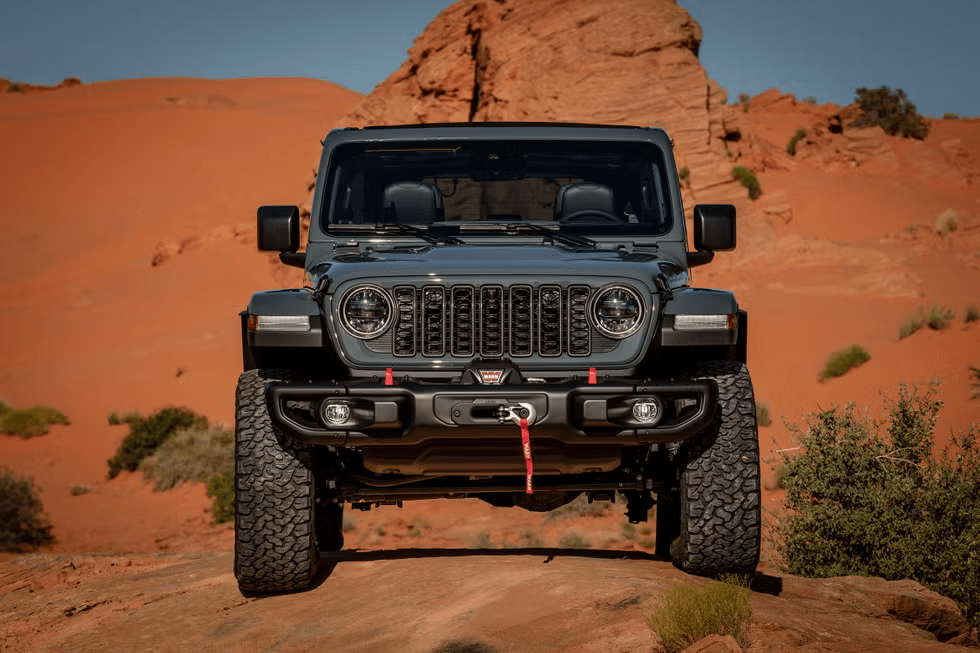
Mitigation Features
Jeep Wranglers are equipped with several features designed to mitigate the risk of rollovers:
- Electronic Stability Control (ESC):
- Helps maintain vehicle stability by reducing loss of traction and improving control during emergency maneuvers.
- Electronic Roll Mitigation (ERM):
- Anticipates potential rollover situations and applies corrective measures, such as braking and adjusting engine power, to prevent a rollover.
- Advanced Traction Control:
- Helps manage wheel slip and maintain control on slippery or uneven surfaces.
Driving Tips to Reduce Rollover Risk
- Drive Carefully:
- Avoid sharp turns at high speeds and sudden maneuvers, especially on paved roads.
- Proper Loading:
- Distribute cargo weight evenly and avoid overloading the vehicle, which can raise the center of gravity further.
- Use Off-Road Features:
- Utilize features like low-range gearing and differential locks when navigating challenging off-road conditions to maintain better control.
Conclusion
While Jeep Wranglers do have a higher risk of rollover compared to many other vehicles due to their design, this risk can be managed with careful driving and by making use of the vehicle’s safety features. The Wrangler is designed to excel in off-road environments, and understanding its handling characteristics is key to safely enjoying its capabilities.
Jeep Wrangler Safety: Are Jeep Wranglers Safe in a Crash?

We sell Jeeps in the Ventura/ Los Angeles Area. Jeep Wranglers offer a mix of safety features and crash performance, but their safety in a crash can vary based on several factors. Here’s a detailed look at their crash safety:
Structural Design and Safety Features
Structural Integrity:
- Body-on-Frame Construction: The Wrangler’s body-on-frame design provides a sturdy structure, which is beneficial for off-road durability but can impact its crash performance differently compared to unibody SUVs.
- High-Strength Steel Frame: This enhances the vehicle’s ability to withstand impacts and provides better protection for occupants.
Safety Features:
- Airbags: Wranglers come equipped with advanced multistage front airbags and available supplemental side airbags for added protection.
- Electronic Stability Control (ESC): Helps maintain vehicle stability and control during emergency maneuvers.
- Electronic Roll Mitigation (ERM): Works to prevent rollovers by applying brakes and reducing engine power when necessary.
- Advanced Driver Assistance Systems (ADAS): Includes features like forward collision warning, blind-spot monitoring, and rear cross-path detection.
Jeep Wrangler Safety: Crash Test Ratings
National Highway Traffic Safety Administration (NHTSA):
- Frontal Crash Tests: Historically, the Wrangler has received average ratings in frontal crash tests.
- Side Crash Tests: The vehicle tends to perform better in side-impact tests.
- Rollover Ratings: Given its higher center of gravity, the Wrangler typically receives lower rollover resistance ratings compared to other SUVs.
Insurance Institute for Highway Safety (IIHS):
- Moderate Overlap Front Test: Generally performs well.
- Small Overlap Front Test: Has shown varied results, sometimes indicating areas for improvement.
- Side Impact Test: Usually scores well.
- Roof Strength Test: Strong roof structure offers good protection in rollover scenarios.
- Headlights and ADAS: Newer models with advanced safety packages and improved headlights have better ratings.
Real-World Considerations
Off-Road Safety:
- Off-Road Capabilities: Designed to handle rough terrain, which contributes to its overall safety when used in off-road environments.
- Visibility: High seating position and large windows enhance driver visibility, reducing the likelihood of accidents.
On-Road Safety:
- Handling Characteristics: The higher center of gravity and off-road suspension can affect on-road handling and stability, especially in sharp turns or sudden maneuvers.
Conclusion
While Jeep Wranglers have solid structural integrity and a range of safety features, their crash test ratings reveal some areas where they may not perform as well as other SUVs, particularly in rollover resistance and some frontal crash scenarios. However, their robust design and off-road capabilities offer a different kind of safety advantage in rugged environments.
Overall, Jeep Wranglers can be considered safe in crashes, but prospective buyers should consider their specific needs and review the latest safety ratings for the model year they are interested in. For those who prioritize off-road capabilities and adventure, the Wrangler remains a compelling and relatively safe choice.
Jeep Wrangler Safety: Are Jeep Wranglers Safe for New Drivers?
When it comes to choosing a first car, safety is always a big concern. So, how do Jeep Wranglers stack up for new drivers? Let’s break it down.
The Good Stuff
Sturdy and Tough:
- Jeep Wranglers are built like tanks. Their body-on-frame construction is super solid, which can give you peace of mind knowing it can handle a bit of rough and tumble.
Great Visibility:
- One of the perks of driving a Wrangler is the high seating position and large windows. This gives you a great view of the road, which is a huge plus for avoiding accidents.
Modern Safety Features:
- Newer Wranglers come packed with advanced safety features. Think electronic stability control, multiple airbags, and options like blind-spot monitoring. These can really help keep new drivers safe.
Off-Road Ready:
- While most new drivers aren’t heading off-road, it’s good to know the Wrangler can handle rough terrain like a champ. This versatility adds an extra layer of confidence.
The Not-So-Good Stuff
Rollover Risk:
- Here’s where things get tricky. Wranglers have a higher center of gravity, which means they’re more prone to rolling over, especially in sharp turns. This can be a bit intimidating for someone who’s just learning to drive.
Handling:
- Wranglers are designed for off-roading, so they can feel a bit different on regular roads compared to more conventional cars. They’re not as stable in tight maneuvers, which can take some getting used to.
Fuel Efficiency:
- Let’s face it, Wranglers aren’t the most fuel-efficient vehicles out there. This might be something to consider if you’re a new driver on a tight budget.
Crash Test Ratings:
- While Wranglers do well in some crash tests, their ratings can be a mixed bag, especially when it comes to rollover tests. It’s something to keep in mind.
Real-Life Considerations
Experience Matters:
- If you’re set on a Wrangler, it’s really important to get some proper training on how to handle it. Understanding how to navigate its higher rollover risk and off-road capabilities is key.
What Are You Using It For?
- If you’re mainly driving in the city or on highways, you might want to consider something with better on-road stability and fuel efficiency. But if you’re planning to hit the trails or live in a rural area, the Wrangler’s off-road prowess can be a big advantage.
Safety Features:
- Go for the newer models if you can. They come with more comprehensive safety packages that can make a big difference. Features like forward collision warning and blind-spot monitoring can be really helpful for new drivers.
Bottom Line
Jeep Wranglers have a lot going for them, especially if you’re into their rugged look and off-road capabilities. This increases in Los Angeles. However, they do come with some challenges, particularly around handling and rollover risk. With the right training and understanding of its unique driving characteristics, a Wrangler can be a safe and fun choice for new drivers. Just make sure to weigh the pros and cons based on your specific needs and driving environment.

What is the Safest Jeep Wrangler Model?
The safest Jeep Wrangler model is typically the newest and has the most up-to-date safety features. As of now, the 2024 Jeep Wrangler is likely the safest due to several enhancements and modern safety technologies. Here’s why:
Advanced Safety Features
The 2024 Jeep Wrangler comes equipped with a variety of advanced safety features that improve its overall safety rating:
- Forward Collision Warning: Alerts the driver of potential frontal collisions.
- Blind-Spot Monitoring: Helps detect vehicles in the driver’s blind spots.
- Rear Cross-Path Detection: Assists when reversing by detecting cross traffic.
- Adaptive Cruise Control: Maintains a set distance from the vehicle ahead.
- Automatic Emergency Braking: Applies the brakes automatically to prevent a collision.
- ParkView® Rear Backup Camera: Provides a clear view when reversing.
Improved Crash Test Ratings
The latest models often benefit from improvements in design and technology that enhance their performance in crash tests. The 2024 model is expected to perform better in these tests compared to older models due to structural reinforcements and additional safety features.
Enhanced Lighting
The 2024 Wrangler offers advanced LED lighting options, improving visibility in low-light conditions and enhancing safety for night driving.
Driver Assistance Technologies
Newer models come with a suite of driver-assistance technologies that can significantly reduce the risk of accidents. These technologies are continually improved in newer models.
Conclusion
While older models can be safe, the 2024 Jeep Wrangler is likely the safest option due to its advanced safety features, improved crash test ratings, and modern driver-assistance technologies. If safety is a top priority, opting for the newest model with the most comprehensive safety package is the best choice.
10 reasons why Jeeps hold their value
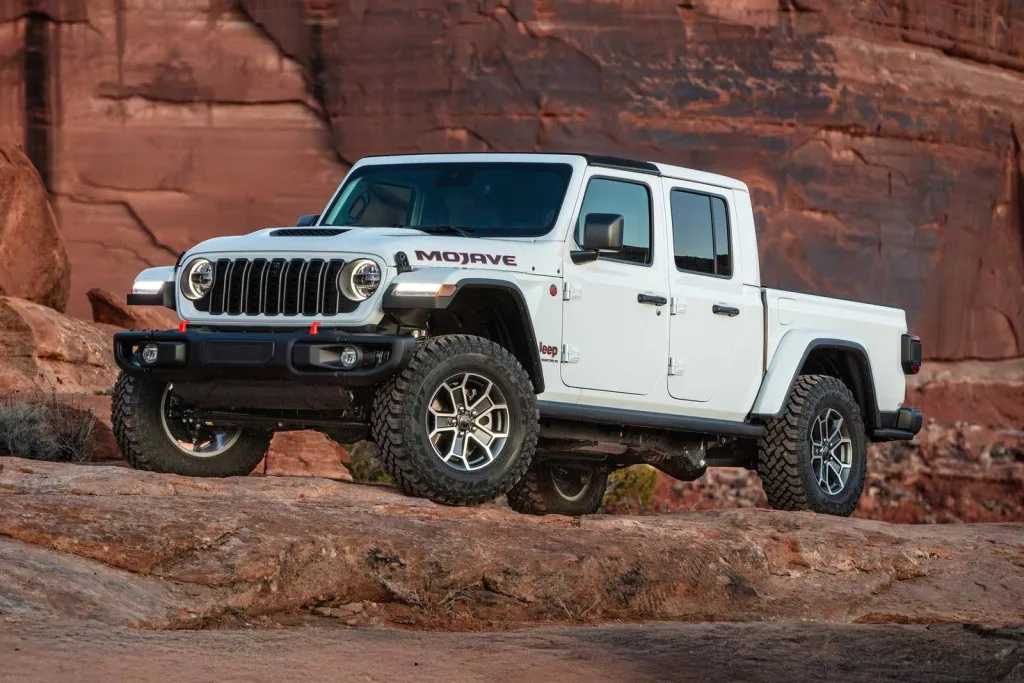
10 Reasons Why Jeeps Hold Their Value
Jeeps hold their value because they have something most SUVs do not: real identity. A Jeep is not just transportation. It is off-road capability, brand heritage, open-air driving, strong aftermarket support, and a community-driven lifestyle vehicle.
The simple answer is this: Jeeps hold value because demand stays high, supply is limited on the right trims, the Wrangler and Gladiator have unique capability, and buyers are willing to pay more for vehicles that feel special even when used. iSeeCars estimates that a Jeep Wrangler depreciates about 32% after five years, compared with about 46.3% for the midsize SUV category. That is a major reason Wranglers remain one of the strongest used-SUV values.
1. Jeep Has One of the Strongest Brand Identities in the Auto Industry
Most SUVs blend together. Jeep does not.
The seven-slot grille, Wrangler shape, removable roof, off-road stance, trail badges, and Jeep Wave all make the brand instantly recognizable. Buyers know what a Jeep is supposed to represent: freedom, trails, snow, mud, camping, outdoor life, and rugged utility.
That identity helps resale because used buyers are not just shopping for an SUV. They are shopping for the Jeep image.
2. Wrangler Demand Stays Strong
The Jeep Wrangler is the biggest reason people say Jeeps hold their value.
A used Wrangler can still feel desirable years later because the design does not age like a normal crossover. A five-year-old Wrangler still looks like a Wrangler. A ten-year-old Wrangler still has the same basic appeal: open-air driving, 4×4 capability, and off-road personality.
iSeeCars lists the Wrangler’s five-year depreciation at about 32%, which is much better than the average midsize SUV. That kind of value retention is rare in the used SUV market.
3. Jeeps Are Not Easily Replaced by Regular Crossovers
A Honda CR-V, Toyota RAV4, Mazda CX-5, or Ford Escape may be easier to drive every day, but they do not replace a Wrangler.
A Wrangler offers removable doors, removable roof options, solid off-road hardware, short overhangs, high ground clearance, and a massive modification culture. A Gladiator adds pickup utility to that same Jeep personality.
That uniqueness protects resale. When there are fewer true substitutes, buyers stay willing to pay more.
4. Off-Road Capability Holds Long-Term Appeal
Jeep’s off-road reputation is not just marketing.
Models like the Wrangler Rubicon, Gladiator Rubicon, and other trail-focused trims have hardware that matters: 4×4 systems, locking differentials, skid plates, off-road tires, rock rails, and strong approach and departure angles.
Even used, that capability stays valuable. A buyer looking for a trail-ready SUV is not comparing a Wrangler Rubicon only against normal SUVs. They are comparing it against other serious off-road vehicles, and that keeps demand strong.
5. The Aftermarket Makes Used Jeeps More Desirable
Jeeps have one of the largest aftermarket ecosystems in the world.
Owners can add wheels, tires, lifts, bumpers, winches, lights, roof racks, storage systems, rock rails, fender flares, soft tops, hardtops, and camping gear. That keeps older Jeeps relevant because buyers can personalize them instead of replacing them.
A used Jeep is not seen as outdated the same way many used SUVs are. It is seen as a platform.
That helps value, especially for clean, well-kept examples.
6. Jeep Styling Ages Slowly
Some vehicles look old as soon as the next redesign comes out. Jeeps age differently.
A Wrangler from several years ago still looks familiar because the design evolves carefully. Jeep does not completely abandon the Wrangler formula every generation. That means older models do not become visually obsolete as quickly.
A clean JK or JL Wrangler can still look modern with the right wheels, tires, and stance. That slow-aging design helps resale.
7. Jeep Has a Loyal Ownership Community
Jeep ownership comes with culture.
There is the Jeep Wave, Jeep Ducking, trail groups, local clubs, off-road events, build pages, forums, and huge social communities. That matters because lifestyle vehicles often hold value better when buyers feel emotionally connected to them.
People do not just buy a Jeep because they need a ride to work. They buy one because they want to be part of the Jeep world.
That emotional demand supports used prices.
8. Certain Jeep Trims Are Especially Desirable
Not every Jeep holds value equally.
The strongest resale usually comes from models and trims with real enthusiast demand, especially Wrangler, Gladiator, Rubicon, Willys, 4xe in the right market, and special editions. Clean, stock, low-mile, rust-free examples tend to do best.
A base commuter SUV from any brand can depreciate quickly if demand is weak. A Wrangler Rubicon or Gladiator Mojave has a much more specific buyer base.
That buyer base keeps pricing stronger.
9. Clean Used Jeeps Are Harder to Find Than People Think
Many Jeeps are modified, off-roaded, lifted, scratched, rusted, or used hard.
That makes clean examples more valuable. A stock Wrangler with service records, no rust, good tires, no accident history, and no cheap modifications can command strong money because buyers know how hard it is to find one.
The used Jeep market rewards condition. A clean Jeep often sells better than a cheaper one with questionable upgrades.
For shoppers, this is why comparing used Jeep inventory by mileage, trim, service history, and modification quality matters more than simply chasing the lowest price.
10. Jeep Resale Is Supported by Real Market Data
This is not just owner bias.
Market data repeatedly shows that Wrangler resale is stronger than many SUV competitors. Cars.com shows strong nationwide used Wrangler pricing, with average used listing prices often well above many ordinary SUVs. iSeeCars also shows the Wrangler depreciating less than its segment average.
That does not mean every Jeep is immune to depreciation. Mileage, condition, accident history, trim, market demand, fuel prices, and incentives still matter. But compared with many SUVs, Jeep has stronger built-in demand.
Which Jeeps Hold Value Best?
The strongest Jeep value holders are usually:
Jeep Wrangler
Jeep Wrangler Unlimited
Jeep Wrangler Rubicon
Jeep Gladiator
Jeep Gladiator Rubicon
Jeep Gladiator Mojave
Jeep Grand Cherokee in desirable trims
Jeep special editions with limited availability
The Wrangler is still the king of Jeep resale value. The Gladiator also benefits from being a Jeep pickup, especially in desirable trims and clean condition.
Which Jeeps Depreciate More?
More mainstream Jeep SUVs can depreciate faster than Wrangler-based models.
Compass, Cherokee, Renegade, and some Grand Cherokee configurations may not hold value the same way a Wrangler does. They can still be good vehicles, but they compete more directly with normal crossovers, which means they do not always get the same enthusiast-driven resale support.
That is why “Jeeps hold value” is most accurate when talking about Wrangler, Gladiator, Rubicon trims, and desirable 4×4 models.
How to Protect Jeep Resale Value
Keep it clean.
Maintain service records.
Avoid cheap modifications.
Keep original parts if you upgrade.
Protect the frame from rust.
Use quality tires.
Fix leaks early.
Avoid neglected off-road damage.
Do not ignore recalls.
Keep the title clean.
A well-maintained Jeep will always be easier to sell than one with mystery wiring, poor lift kits, rust, leaks, and no service records.
Final Thoughts: Jeep Value Comes From Identity, Not Just Utility
Jeeps hold their value because they are different.
A Wrangler is not just another SUV. A Gladiator is not just another midsize truck. These vehicles have heritage, capability, customization potential, and community appeal that keep buyers interested long after the first owner drives away.
The best-value Jeeps are usually clean, well-maintained, lightly modified or stock, and equipped with desirable trims. If you are shopping, compare current new Jeep inventory and local used Jeep inventory before deciding. The right Jeep can hold value extremely well, but condition and trim still decide the real number.
What is the 0-60 Acceleration of a Jeep Wrangler?
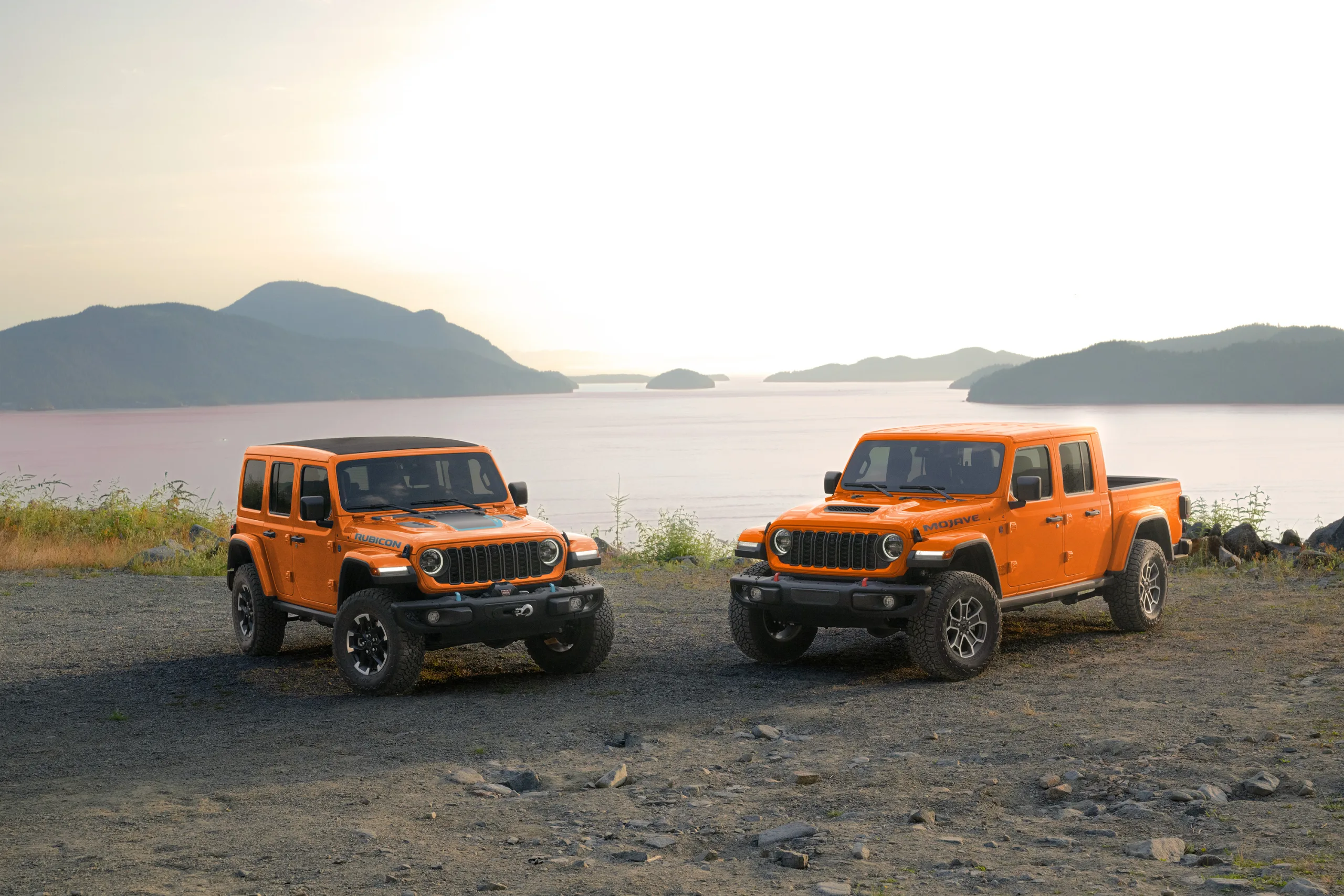
The Jeep Wrangler has long been known for its off-road prowess, rugged design, and go-anywhere attitude—but what about straight-line speed? While not traditionally seen as a performance SUV, the Wrangler’s recent evolution has introduced more powerful engine options that significantly improve its 0–60 mph times. In this blog, we’ll break down how fast the Jeep Wrangler accelerates from 0 to 60 mph depending on the engine and trim level, and how it stacks up against rivals.
🚦 Jeep Wrangler 0–60 MPH Times by Engine
Let’s start by looking at the performance metrics of each engine option available in the current-generation (JL) Jeep Wrangler lineup.
| Engine | Horsepower | Torque (lb-ft) | 0–60 MPH Time (sec) | Availability |
|---|---|---|---|---|
| 3.6L V6 Pentastar | 285 hp | 260 lb-ft | 6.1–7.5 sec | Sport, Willys, Rubicon, Sahara |
| 2.0L Turbo I4 | 270 hp | 295 lb-ft | 6.5–6.8 sec | Sport S, Sahara |
| 3.0L EcoDiesel V6 | 260 hp | 442 lb-ft | 6.5–7.0 sec | Sahara, Rubicon (Discontinued for 2024+) |
| 4xe Plug-in Hybrid | 375 hp | 470 lb-ft | 5.5–6.0 sec | Willys 4xe, Sahara 4xe, Rubicon 4xe |
| 6.4L HEMI V8 (392) | 470 hp | 470 lb-ft | 4.0 sec | Rubicon 392 |
🏁 Fastest Jeep Wrangler: Rubicon 392
The Wrangler Rubicon 392 is the fastest Wrangler ever built. With a monstrous 6.4L HEMI V8 engine producing 470 horsepower and 470 lb-ft of torque, it rockets from 0 to 60 mph in just 4.0 seconds. That’s muscle car territory in a vehicle designed for trails and boulders. It’s also equipped with paddle shifters, an active dual-exhaust system, and performance-tuned suspension—making it more than just a drag strip toy.
Who is it for? Enthusiasts looking for power, acceleration, and off-road capability in one package.
⚡ Wrangler 4xe: Performance Meets Efficiency
Jeep’s 4xe plug-in hybrid variant is another surprise performer. With a combined output of 375 hp and 470 lb-ft of torque, the Wrangler 4xe can reach 60 mph in just 5.5 to 6.0 seconds—making it the second-fastest Wrangler.
Plus, it does this while offering 21 miles (34 km) of all-electric range and a total driving range over 370 miles (595 km). For buyers interested in speed and sustainability, the 4xe is the best of both worlds.
🛠️ Standard Engine: 3.6L Pentastar V6
The base 3.6L V6 engine, a mainstay in the Wrangler lineup, delivers solid performance with a 0–60 time ranging from 6.1 to 7.5 seconds, depending on trim and weight. Manual transmission variants are slower due to gear ratios and weight, while 8-speed automatic models perform better.
This engine is great for drivers who want reliability and decent acceleration without paying a premium.
🔥 Turbocharged Option: 2.0L Turbo I4
The 2.0L turbocharged inline-four might not seem like much, but it actually delivers more torque (295 lb-ft) than the V6. It hits 60 mph in 6.5 to 6.8 seconds, making it a lively option for city drivers or daily commuters who want improved fuel efficiency without sacrificing fun.
💪 Diesel Option: 3.0L EcoDiesel V6 (Now Discontinued)
Though now phased out in the U.S. for 2024, the 3.0L EcoDiesel offered excellent low-end torque (442 lb-ft), allowing for a 0–60 time around 6.5 to 7.0 seconds. Its strength was more about torque for towing and fuel efficiency than raw acceleration, but it still delivered solid speed for a diesel SUV.
🚘 How the Jeep Wrangler Compares to Competitors
Let’s see how the Wrangler’s 0–60 mph times stack up against some of its key rivals:
| Vehicle | Fastest 0–60 MPH Time | Top Engine |
|---|---|---|
| Jeep Wrangler Rubicon 392 | 4.0 sec | 6.4L V8 |
| Ford Bronco Raptor | 5.6 sec | 3.0L EcoBoost V6 |
| Toyota 4Runner TRD Pro | 7.5 sec | 4.0L V6 |
| Land Rover Defender V8 | 4.4 sec | 5.0L Supercharged V8 |
| Chevrolet Colorado ZR2 Bison | 6.5 sec | 2.7L Turbo I4 |
As you can see, the Wrangler Rubicon 392 doesn’t just keep up—it leads the class in raw speed. Even the plug-in hybrid 4xe holds its own against performance SUVs like the Bronco Raptor.
🎯 Performance Isn’t Everything—But It Matters
While most people buy Wranglers for off-road adventures and open-air driving, 0–60 performance has become more relevant. Modern buyers want a vehicle that performs well both on and off the pavement. Whether you’re merging on the highway, overtaking a vehicle, or just enjoying the occasional burst of speed, acceleration does matter.
🚙 What Affects 0–60 Times?
Several factors can influence how fast your Wrangler goes from 0 to 60:
- Tire Type & Size – Mud-terrain tires can reduce acceleration
- Weight – 4-door Unlimited models are heavier and slightly slower
- Transmission – Automatic transmission tends to be quicker
- Trim Level – Rubicon trims include off-road hardware that can add weight
- Altitude & Temperature – High altitudes or cold temps may reduce engine performance
🧠 Should You Buy a Wrangler for Speed?
If speed is your main concern, the Rubicon 392 is your best bet. However, if you’re looking for a balance of performance, capability, and efficiency, the Wrangler 4xe is an ideal choice. The standard V6 and turbo-four engines also provide respectable performance without breaking the bank.
Ultimately, the Jeep Wrangler proves that you don’t have to sacrifice acceleration for off-road toughness.
✅ Final Verdict: Jeep Wrangler 0–60 – More Than Just a Trail Crawler
The Jeep Wrangler has come a long way. With 0–60 mph times as quick as 4.0 seconds, it’s now a legitimate performer on the road. Whether you’re buying it for its iconic looks, its rock-crawling credentials, or its surprising straight-line speed, there’s a Wrangler for every type of driver.
Looking to test drive a fast Wrangler? Explore new and used Jeep Wranglers at Simi Valley Chrysler Dodge Jeep Ram or check out the latest used car deals and offers near you. The Wrangler 4xe and Rubicon 392 models are in high demand—act fast to find yours today.
Are Jeep Wranglers Fast?

Are Jeep Wranglers Fast? Exploring Speed and Performance
When it comes to Jeep Wranglers, speed isn’t typically the first thing that comes to mind. These iconic vehicles are more renowned for their off-road prowess, rugged durability, and unmistakable style than for outright speed. However, the question of how fast Jeep Wranglers are is one that deserves a closer look.
Engine Power and Performance
Jeep Wranglers come with a variety of engine options, each offering different levels of power and performance. The standard engine in many Wrangler models is a 3.6-liter V6 that delivers solid performance both on and off the pavement. This engine typically produces around 285 horsepower and 260 lb-ft of torque, providing enough power for most driving situations.
For those seeking more oomph, Jeep offers options like the 2.0-liter turbocharged inline-4 engine, which provides a balance of power and efficiency, or even the 3.0-liter EcoDiesel V6 engine, known for its torque and fuel efficiency.
Acceleration and Speed
In terms of acceleration, Jeep Wranglers are not known for being sports car quick off the line. The Wrangler’s focus is on low-speed crawling ability and steady acceleration rather than rapid 0-60 mph times. Depending on the model and engine configuration, Wranglers typically achieve 0-60 mph times in the range of 6 to 8 seconds, which is respectable for a vehicle designed more for rugged terrain than for drag racing.
Off-Road Capability
Where Jeep Wranglers truly shine is off the beaten path. Their robust construction, high ground clearance, and advanced four-wheel-drive systems make them capable of tackling challenging terrains that would leave other vehicles stuck in the mud. The Wrangler’s ability to conquer steep inclines, rocky trails, and deep mud pits is what makes it a favorite among off-road enthusiasts worldwide.
Conclusion
While Jeep Wranglers may not be the fastest vehicles on the road, they offer a unique blend of rugged performance, iconic design, and off-road capability that few vehicles can match. Whether you’re cruising down the highway or forging a path through the wilderness, the Jeep Wrangler delivers an experience that is as exhilarating as it is versatile.
In summary, while speed enthusiasts might look elsewhere for a thrill, Jeep Wrangler owners appreciate their vehicle’s ability to conquer any terrain with confidence and style. So, while they may not win races, they certainly win hearts with their adventurous spirit and legendary Jeep heritage.
Exploring the Performance and Driving Experience of Jeep Wranglers
When considering the performance of Jeep Wranglers, it’s essential to delve deeper into what makes these vehicles unique in the automotive landscape. While they may not compete with sports cars in terms of straight-line speed, Wranglers excel in other areas that appeal to a different kind of driver — one who values capability, versatility, and adventure.
Engine Options and Power Delivery
Jeep Wranglers are available with several engine options, each tailored to different preferences and driving needs. The standard 3.6-liter V6 engine is a workhorse, providing ample power for daily driving and off-road excursions. With approximately 285 horsepower and 260 lb-ft of torque, this engine offers a balance of performance and reliability that suits a wide range of driving conditions.
For those seeking a bit more punch, Jeep offers a 2.0-liter turbocharged inline-4 engine, which enhances fuel efficiency without sacrificing power. This engine delivers around 270 horsepower and an impressive 295 lb-ft of torque, making it a compelling choice for both urban commuting and off-road adventures.
Additionally, the 3.0-liter EcoDiesel V6 engine provides an alternative for Wrangler enthusiasts who prioritize torque and fuel economy. With approximately 260 horsepower and a robust 442 lb-ft of torque, this engine option offers exceptional low-end grunt and extended range between refueling stops.
Driving Dynamics and Off-Road Capability
While acceleration times may not be a top priority for Wrangler owners, these vehicles offer a dynamic driving experience that prioritizes control and adaptability. The Wrangler’s robust chassis, advanced four-wheel-drive systems, and high ground clearance make it exceptionally capable on rough terrain and challenging off-road trails.
The Wrangler’s off-road prowess is further enhanced by features like solid axles, electronic locking differentials, and specialized traction control systems. These components work together to provide maximum traction and stability, allowing Wranglers to conquer steep inclines, deep mud, and rocky obstacles with ease.
On-Road Performance and Comfort
On paved roads, Jeep Wranglers provide a comfortable and confident driving experience. Despite their rugged nature, modern Wranglers offer improved handling and ride quality compared to earlier generations. Features such as electronic stability control, tuned suspension systems, and precise steering contribute to a smoother and more controlled ride, whether cruising on the highway or navigating city streets.
Conclusion
While Jeep Wranglers may not boast the speed and acceleration of sports cars, they excel in areas that matter most to adventurous drivers. From their robust engine options and off-road capability to their distinctive design and go-anywhere attitude, Wranglers embody a spirit of exploration and freedom that few vehicles can match.
In essence, Jeep Wranglers are not just vehicles; they’re icons of adventure and versatility. Whether you’re tackling rugged trails or enjoying a leisurely drive through town, Wranglers deliver an experience that is as exhilarating as it is timeless. So, while they may not win drag races, they certainly win over enthusiasts with their unique blend of performance, capability, and legendary Jeep heritage.
Jeep Wrangler Models Available in Long Beach
Exploring Long Beach and its surrounding areas in a Jeep Wrangler offers an unparalleled experience of rugged versatility and modern comfort. Here’s an overview of some Jeep Wrangler models available in Long Beach:
1. Jeep Wrangler Sport In Long Beach
- Overview: The base model, perfect for those who seek a reliable off-road experience with essential features.
- Features: 3.6L V6 engine, Command-Trac 4×4 system, and a removable top and doors.

2. Jeep Wrangler Sahara In Long Beach
- Overview: A balance of off-road capability and on-road comfort, ideal for urban and suburban adventures.
- Features: Premium interior, advanced infotainment system, and available full-time Selec-Trac 4×4 system.
3. Jeep Wrangler Rubicon In Long Beach
- Overview: Built for extreme off-road enthusiasts who demand the best in rugged capability.
- Features: Rock-Trac 4×4 system, electronic front sway bar disconnect, and 33-inch all-terrain tires.
4. Jeep Wrangler 4xe In Long Beach
- Overview: The hybrid version of the Wrangler, offering both eco-friendly efficiency and powerful performance.
- Features: Plug-in hybrid powertrain, up to 21 miles of electric-only range, and all the off-road prowess of the traditional Wrangler.
5. Jeep Wrangler Willys In Long Beach
- Overview: A nod to the original military Jeep, the Willys edition blends classic style with modern technology.
- Features: Limited-slip rear differential, rock rails, and 32-inch mud-terrain tires.
Why Choose a Jeep Wrangler in Long Beach?
Long Beach, with its scenic coastal drives and proximity to off-road trails, is the perfect place to enjoy the versatility of a Jeep Wrangler. Whether cruising through the city streets or tackling rugged terrain, the Wrangler’s robust design and advanced features ensure a comfortable and capable ride.
Where to Buy Jeep Wrangler in Long Beach?
Local dealerships in Long Beach offer a wide selection of Jeep Wrangler models, along with expert guidance to help you choose the perfect fit for your lifestyle and adventures. Be sure to check out the latest offers and take a test drive to experience the Jeep Wrangler difference firsthand. Simi Valley is the best place.

Exploring Jeep Wrangler Models in Long Beach
Jeep Wrangler Sport
- Overview: The base model, known for its reliability and essential off-road features. Perfect for those starting their Jeep journey.
- Features: 3.6L V6 engine, Command-Trac 4×4 system, removable top and doors.
Jeep Wrangler Sahara
- Overview: Balances off-road capability with on-road comfort, making it ideal for both urban and suburban adventures.
- Features: Premium interior, advanced infotainment, full-time Selec-Trac 4×4 system.
Jeep Wrangler Rubicon
- Overview: Designed for extreme off-road enthusiasts, offering the best in rugged capability.
- Features: Rock-Trac 4×4 system, electronic front sway bar disconnect, 33-inch all-terrain tires.
Jeep Wrangler 4xe
- Overview: The hybrid Wrangler, combining eco-friendly efficiency with powerful performance.
- Features: Plug-in hybrid powertrain, up to 21 miles of electric-only range, advanced off-road capabilities.
Jeep Wrangler Willys
- Overview: A tribute to the original military Jeep, blending classic style with modern technology.
- Features: Limited-slip rear differential, rock rails, 32-inch mud-terrain tires.
Why Drive a Jeep Wrangler in Long Beach?
1. Scenic Coastal Drives
- Enjoy breathtaking views of the Pacific Ocean while driving along the coast.
2. Urban Versatility
- The Wrangler’s compact size and maneuverability make it perfect for navigating city streets and parking in tight spaces.
3. Off-Road Adventures
- Proximity to off-road trails in nearby mountains and deserts offers endless exploration opportunities.
4. Year-Round Outdoor Activities
- With Long Beach’s mild climate, the Wrangler’s open-air options are perfect for year-round outdoor enjoyment.
Customization Options for Your Wrangler
1. Roof Options
- Choose from a soft top, hardtop, or the versatile Sky One-Touch power top for quick transitions between open and closed configurations.
2. Lift Kits
- Enhance your off-road capabilities with a lift kit, providing increased ground clearance and the ability to fit larger tires.
3. Lighting Upgrades
- Improve visibility with upgraded LED headlights, fog lights, and off-road lighting solutions.
4. Interior Upgrades
- Customize the interior with premium materials, advanced infotainment systems, and enhanced storage solutions.
Top Jeep Dealerships in Long Beach
1. Simi Valley CDJR Dodge Chrysler Jeep
- Known for its extensive inventory and excellent customer service.
2. Tuttle-Click’s Tustin Chrysler Jeep Dodge Ram
- Offers a wide selection of new and used Wranglers, along with expert service and support.
3. Huntington Beach Chrysler Dodge Jeep Ram
- Conveniently located and known for its friendly staff and competitive pricing.
Jeep Wrangler Events and Meetups in Long Beach
1. Off-Roading Meetups
- Join local off-roading clubs and participate in organized trail rides and events.
2. Jeep Jamborees
- Participate in Jeep Jamboree events, which offer guided off-road adventures and social activities.
3. Car Shows
- Showcase your Wrangler at local car shows and meet other Jeep enthusiasts.
Maintenance Tips for Long Beach Jeep Owners
1. Regular Inspections
- Ensure your Wrangler is ready for both city driving and off-road adventures with regular inspections.
2. Tire Care
- Check tire pressure and tread regularly, especially if you frequently switch between on-road and off-road driving.
3. Fluid Checks
- Regularly check and top off essential fluids, including oil, coolant, and brake fluid.
4. Cleaning and Detailing
- Keep your Wrangler looking its best with regular cleaning and detailing, paying special attention to undercarriage and exterior surfaces after off-road excursions.
Testimonials from Long Beach Jeep Owners
1. Adventure Enthusiasts
- “I love taking my Wrangler Rubicon on weekend trips to the nearby mountains. It handles everything I throw at it!”
2. City Dwellers
- “The Wrangler Sahara is perfect for my daily commute and weekend beach trips. It’s the best of both worlds.”
3. Eco-Conscious Drivers
- “The Wrangler 4xe lets me enjoy off-roading while reducing my carbon footprint. It’s a win-win!”
Conclusion
Owning a Jeep Wrangler in Long Beach means having the freedom to explore diverse landscapes, from scenic coastal drives to rugged off-road trails. With a variety of models and customization options available, there’s a Wrangler for every lifestyle and adventure. Whether you’re navigating city streets or conquering the wilderness, the Jeep Wrangler is your perfect companion.
Jeep Wrangler Long Beach Reviews
Read some reviews about Jeep Wrangler Shopping in Long beach
“Beach-Ready Beast!” ⭐️⭐️⭐️⭐️⭐️ “Living in Long Beach, I needed a vehicle that could handle both city streets and sandy shores. The Jeep Wrangler was the perfect choice! Its rugged build and convertible top make it a breeze to go from cruising down Ocean Boulevard to hitting the waves at Huntington Beach. Couldn’t ask for a better ride!”
“Urban Explorer’s Dream” ⭐️⭐️⭐️⭐️ “As a city dweller in Long Beach, I never thought I’d own a Jeep Wrangler, but it’s been a game-changer! The off-road capability comes in handy for exploring nearby trails in Palos Verdes, and the spacious interior fits all my gear for weekend getaways. Plus, it turns heads on Pine Avenue. Highly recommend!”
“Family Fun Machine” ⭐️⭐️⭐️⭐️⭐️ “Our family loves our Jeep Wrangler! From cruising along Shoreline Drive to picnicking at El Dorado Park, it’s versatile and spacious enough for all our adventures in Long Beach. The kids especially love the open-air feel when we remove the top. It’s the ultimate vehicle for sunny California days!”
“Surfer’s Paradise” ⭐️⭐️⭐️⭐️ “As a surfer living near Long Beach, the Jeep Wrangler is more than just a car – it’s a lifestyle! With enough room for my boards and buddies, we can hit the waves at Bolsa Chica State Beach or catch sunset sessions at Seal Beach effortlessly. It handles the sandy terrain like a champ!”
“Luxury in the City” ⭐️⭐️⭐️⭐️ “Who says you can’t have luxury in a rugged vehicle? The Jeep Wrangler in Long Beach proves otherwise! It’s stylish, comfortable, and perfect for cruising down Pacific Coast Highway or grabbing brunch at Belmont Shore. Whether it’s date night or a day trip to Catalina Island, this Jeep delivers.”
The Best Place to Buy a Jeep Wrangler In Long Branch
If you’re looking to buy a Jeep in Long Beach, Simi Valley CDJR is your go-to dealership. Located just a drive away from Long Beach, Simi Valley CDJR offers an extensive selection of Jeep vehicles, including the iconic Jeep Wrangler, Grand Cherokee, and more. Their commitment to customer satisfaction and competitive pricing makes them a top choice for local buyers.
At Simi Valley CDJR, you’ll find knowledgeable sales staff ready to help you find the perfect Jeep to fit your lifestyle, whether you’re cruising the coastline or tackling off-road adventures. They also provide excellent financing options and often run specials that make owning a Jeep more affordable than ever.
Visit Simi Valley CDJR from Long Beach today and discover why they’re renowned for their exceptional service and wide range of Jeep models. It’s where Long Beach residents find their ideal Jeep, backed by a dealership that understands the needs of Southern California drivers.
Where to Buy Wrangler Parts in Long Branch?
When it comes to Jeep parts in Long Beach, Simi Valley CDJR stands out as a reliable source for genuine and quality components. Whether you’re looking for replacement parts, accessories to customize your Jeep, or performance upgrades, Simi Valley CDJR offers a comprehensive inventory.
Their parts department is staffed with experts who understand the intricacies of Jeep models, ensuring you get the right parts for your specific vehicle. From routine maintenance items like filters and fluids to specialized components for off-road enhancements, Simi Valley CDJR stocks a wide range of parts to meet your needs.
Customers from Long Beach appreciate Simi Valley CDJR’s commitment to stocking authentic Jeep parts, ensuring durability and compatibility with their vehicles. Whether you’re restoring a classic Jeep or upgrading your current model, you can trust Simi Valley CDJR for top-notch service and genuine parts that keep your Jeep running smoothly.
For Long Beach residents seeking quality Jeep parts and accessories, Simi Valley CDJR is your local destination, known for its reliability and expertise in everything Jeep-related.
Test Drive A Wrangler In Long Branch
Thinking about test-driving a Jeep Wrangler in Long Beach? Look no further than Simi Valley CDJR. They offer a wide range of Jeep Wrangler models, including the rugged Wrangler Willys edition. Whether you’re navigating city streets or exploring off-road trails, the Wrangler Willys is designed to deliver unmatched capability and style.
To explore their current inventory and schedule your test drive in Long Beach, visit Simi Valley CDJR’s Jeep inventory page here. Experience firsthand why the Wrangler Willys is a favorite among adventure-seekers and city explorers alike.
Trade in Wrangler in Long Branch
Considering trading in your current vehicle for a Jeep Wrangler in Long Beach? Simi Valley CDJR offers a seamless trade-in process that makes upgrading to a Wrangler easier than ever. Whether you’re looking to trade in a sedan, SUV, or truck, their expert team is ready to assist.
At Simi Valley CDJR, you can expect fair market value for your trade-in, which can be applied towards your new Jeep Wrangler purchase. Their dealership is conveniently located for Long Beach residents, making it convenient to explore their extensive Wrangler inventory and discuss trade-in options in person.
Ready to trade in and trade up to the iconic Jeep Wrangler? Visit Simi Valley CDJR today and start your journey towards owning one of the most capable and adventurous vehicles on the road.
How Much do Jeep Wranglers Cost in Long branch?
The pricing for a Jeep Wrangler in Long Beach can vary based on factors such as the model year, trim level, and optional features. Here are approximate price ranges for new Jeep Wrangler models:
- Jeep Wrangler Sport: Starting around $29,000 to $36,000
- Jeep Wrangler Willys: Starting around $34,000 to $38,000
- Jeep Wrangler Sahara: Starting around $40,000 to $46,000
- Jeep Wrangler Rubicon: Starting around $42,000 to $50,000
These prices are estimates and can fluctuate based on dealership pricing, current incentives, and specific configurations like 2-door or 4-door models, engine options, and additional packages or accessories. For precise pricing and availability in Long Beach, it’s recommended to contact local dealerships like Simi Valley CDJR directly or check their online inventory.
Jeep Wrangler Leases in Long Branch: Best Rates in Long Branch
Considering leasing a Jeep Wrangler in Long Beach? Leasing offers a flexible and cost-effective way to enjoy the iconic Jeep Wrangler without committing to long-term ownership. At dealerships like Simi Valley CDJR in Long Beach, you can find competitive lease options tailored to fit your budget and driving needs.
Leasing a Jeep Wrangler typically includes:
- Lower monthly payments compared to financing a new vehicle.
- Options for lease terms that suit your lifestyle, usually ranging from 24 to 48 months.
- The ability to easily upgrade to a new model at the end of your lease term.
Simi Valley CDJR offers various lease plans for the Jeep Wrangler, including different trim levels like the Wrangler Willys and Sahara. They provide transparent leasing terms and can help you navigate the process, ensuring you find a lease that meets your preferences and financial goals.
Ready to explore leasing options for the adventurous Jeep Wrangler in Long Beach? Contact Simi Valley CDJR today or visit their dealership to learn more about current lease specials and begin your journey towards driving a Wrangler on California’s scenic roads and rugged terrains.

Introduction
The 2024 Jeep Wrangler is not just an off-road powerhouse; it’s also a vehicle designed to provide comfort and convenience, making it a versatile choice for both rugged adventures and daily commutes. Let’s delve into the remarkable comfort and interior features that the 2024 Jeep Wrangler offers.

Spacious and Versatile Interior
The 2024 Jeep Wrangler boasts a spacious interior that can comfortably accommodate up to five passengers. With ample legroom and headroom, both front and rear passengers can enjoy a relaxed ride. The seats are designed for comfort, featuring high-quality materials and supportive cushioning that make long drives enjoyable.
The Wrangler’s versatile interior allows for easy reconfiguration to suit your needs. The rear seats can be folded down to create a substantial cargo space, perfect for hauling gear, groceries, or anything else you need on your journey. Whether you’re heading to the mountains for a weekend getaway or simply running errands around town, the Wrangler’s adaptable interior ensures you have the space you need.
Advanced Technology and Connectivity
In the 2024 Jeep Wrangler, staying connected and entertained on the go is effortless. The vehicle is equipped with the latest Uconnect® system, featuring a user-friendly touchscreen interface that supports Apple CarPlay® and Android Auto™. This allows you to seamlessly integrate your smartphone, accessing your favorite apps, navigation, and music.
Additionally, the available premium audio system delivers crystal-clear sound, ensuring that every drive is accompanied by your preferred soundtrack. For those who appreciate convenience, the Wrangler also offers voice command functionality, allowing you to control various features without taking your hands off the wheel.
Climate Control and Comfort Features
No matter the weather outside, the 2024 Jeep Wrangler keeps the interior environment just right. The dual-zone automatic climate control system allows the driver and front passenger to set individual temperature preferences, ensuring personalized comfort. Heated front seats and a heated steering wheel are available options, providing warmth during colder months and adding a touch of luxury to your driving experience.
The Wrangler’s removable top and doors offer a unique open-air experience, perfect for enjoying pleasant weather and scenic drives. Whether you choose the standard soft top, the available hardtop, or the convenient Sky One-Touch® Power Top, the Wrangler provides options to suit your preferences for open-air driving.
Premium Materials and Thoughtful Design
The 2024 Jeep Wrangler’s interior is crafted with attention to detail and premium materials that elevate the overall driving experience. From the available leather-trimmed seats to the soft-touch surfaces and accent stitching, the Wrangler exudes a sense of refinement and quality.
The cabin design is not only aesthetically pleasing but also practical. The Wrangler features numerous storage solutions, including a lockable glove box, center console, and mesh pockets, ensuring that your essentials are always within reach and securely stored.
Safety and Convenience
Safety is paramount in the 2024 Jeep Wrangler, with a suite of advanced safety features designed to keep you and your passengers protected. Available features such as Blind Spot Monitoring, Rear Cross Path Detection, and a ParkView® Rear Back-Up Camera enhance your awareness and confidence while driving.
For added convenience, the Wrangler offers keyless entry and push-button start, making it easy to get in and go without fumbling for your keys. Additionally, the available remote start system allows you to start your vehicle from a distance, ensuring it’s warmed up and ready to go when you are.
1. Uconnect® System
The 2024 Jeep Wrangler is equipped with the latest Uconnect® system, which serves as the central hub for all your entertainment and connectivity needs. This advanced system includes:
- Touchscreen Interface: The intuitive touchscreen makes it easy to access navigation, media, and vehicle settings.
- Apple CarPlay® and Android Auto™ Integration: Seamlessly connect your smartphone to use apps, make calls, send texts, and listen to music.
- Voice Command: Control your Uconnect® system with simple voice commands, keeping your hands on the wheel and eyes on the road.
2. Premium Audio System
For audiophiles, the Wrangler offers an available premium audio system:
- Alpine® Premium Audio System: This system includes a subwoofer and nine speakers, delivering crystal-clear sound and an immersive audio experience.
- Bluetooth® Streaming Audio: Stream your favorite music wirelessly from any compatible device.
3. Dual-Zone Automatic Climate Control
The dual-zone automatic climate control system ensures that both the driver and front passenger can set their preferred temperatures:
- Individual Temperature Settings: Each front occupant can adjust the temperature to their liking.
- Automatic Adjustments: The system automatically maintains the set temperatures, enhancing comfort in varying weather conditions.
4. Heated Front Seats and Steering Wheel
To combat chilly weather, the Wrangler offers:
- Heated Front Seats: Warm up quickly with heated seats, providing comfort during colder months.
- Heated Steering Wheel: Keep your hands warm with the heated steering wheel, adding a touch of luxury to your driving experience.
5. Open-Air Driving Options
The Jeep Wrangler is known for its unique open-air driving experience, offering multiple top configurations:
- Standard Soft Top: Easily removable for an open-air feel.
- Available Hardtop: Provides added security and insulation, with removable panels for versatility.
- Sky One-Touch® Power Top: A convenient option that allows you to open the roof with the push of a button, combining the benefits of both soft and hard tops.
6. Premium Materials and Interior Design
The 2024 Wrangler’s interior is crafted with high-quality materials and thoughtful design:
- Leather-Trimmed Seats: Available leather-trimmed seats add a touch of elegance and durability.
- Soft-Touch Surfaces: Enhanced comfort and a refined look with soft-touch materials throughout the cabin.
- Accent Stitching: Stylish accent stitching adds a premium feel to the interior.
7. Storage Solutions
The Wrangler offers ample storage options to keep your belongings organized and secure:
- Lockable Glove Box: Securely store important items and documents.
- Center Console: Provides additional storage space with a convenient armrest.
- Mesh Pockets: Located on the doors, these pockets are perfect for smaller items that need to be within easy reach.
8. Advanced Safety Features
The Wrangler is equipped with a suite of advanced safety features to keep you and your passengers safe:
- Blind Spot Monitoring: Alerts you to vehicles in your blind spots, enhancing safety during lane changes.
- Rear Cross Path Detection: Helps detect vehicles approaching from either side when backing out of parking spaces.
- ParkView® Rear Back-Up Camera: Provides a clear view of what’s behind you, making parking and reversing safer and easier.
9. Keyless Entry and Push-Button Start
Convenience is key with the Wrangler’s keyless entry and push-button start:
- Keyless Entry: Unlock and lock your vehicle without taking the key fob out of your pocket.
- Push-Button Start: Start your engine with the push of a button, adding a modern touch to your driving experience.
10. Remote Start System
For added convenience, the available remote start system allows you to start your vehicle from a distance:
- Remote Start: Warm up or cool down your Wrangler before you even step inside, ensuring it’s comfortable and ready to go when you are.
Conclusion
The 2024 Jeep Wrangler is designed to provide a superior driving experience, blending its legendary off-road capability with a range of comfort and interior features. Whether you’re navigating city streets or exploring the great outdoors, the Wrangler’s thoughtful design and advanced amenities ensure that every journey is comfortable, convenient, and enjoyable.
The 2024 Jeep Wrangler seamlessly blends rugged capability with modern comfort and interior features. Its spacious and versatile interior, advanced technology, climate control options, premium materials, and comprehensive safety features make it a standout choice for those seeking adventure without compromising on comfort. Whether you’re navigating city streets or exploring off-road trails, the Wrangler’s thoughtfully designed interior ensures every journey is a pleasurable experience.
Is The Jeep Wrangler a Comfortable Car?
Yes, the Jeep Wrangler, especially the 2024 model, offers a comfortable ride with its improved suspension system designed to absorb shocks and bumps, supportive seats made from high-quality materials, and modern amenities like dual-zone climate control and advanced audio systems. While its primary strength lies in off-road capability, recent models have enhanced on-road comfort, making it a versatile vehicle for both rugged adventures and daily commutes.
Are Jeep Wrangler Seats Comfortable?
Yes, Jeep Wrangler seats are designed for comfort, featuring high-quality materials and supportive cushioning to ensure a pleasant ride. The seats are ergonomically designed to provide good support for long drives, and higher trims offer additional comforts such as leather trim and heated seats. These features, along with the spacious and versatile interior, make the Jeep Wrangler a comfortable choice for both daily commutes and extended adventures.
Are Jeep Wrangler Seats Comfortable?
The Jeep Wrangler Sahara is widely regarded as the most comfortable model in the Wrangler lineup, often praised by automotive experts for its superior blend of off-road capability and on-road refinement. According to reviews from reputable sources such as Car and Driver and Motor Trend, the Sahara’s sophisticated suspension system ensures a smoother ride, significantly enhancing overall comfort. Its interior is outfitted with premium materials, including available leather-trimmed seats, and advanced comfort features like dual-zone automatic climate control and an enhanced infotainment system with a larger touchscreen. Additionally, the Sahara offers optional heated seats and a heated steering wheel, making it an excellent choice for both daily commuting and extended road trips.
Are Jeep Wranglers Noisy Inside?
Jeep Wranglers, especially older models, are known for their rugged design, which can contribute to more road and wind noise compared to traditional SUVs. However, recent improvements in insulation and sound-deadening materials have made newer Wranglers quieter inside. The 2024 Jeep Wrangler, for instance, features enhancements to reduce cabin noise, providing a more comfortable driving experience. While some engine noise may still be noticeable, particularly at higher speeds or on rough terrain, overall noise levels have been mitigated to enhance passenger comfort during both city driving and off-road adventures.
Can you Make a Jeep Wrangler Comfortable?
Yes, you can make a Jeep Wrangler more comfortable by considering several upgrades and adjustments. Starting with the seats, upgrading to models with leather upholstery or opting for seat covers can enhance comfort. Adding seat cushions or lumbar support pillows can provide extra comfort during long drives. Upgrading the suspension with aftermarket components designed for improved ride quality can also significantly reduce bumps and vibrations, making the ride smoother. Installing additional sound insulation and carpeting can help reduce interior noise, creating a quieter cabin environment. Finally, investing in modern convenience features like dual-zone climate control and advanced infotainment systems can further enhance comfort and enjoyment for both driver and passengers alike.

The 2024 Jeep Wrangler continues its legacy as an iconic off-road vehicle, offering a variety of trims to suit different driving needs and preferences. Two of the most popular trims are the Wrangler Sport and the Wrangler Rubicon. While both trims deliver the rugged performance and classic styling that Jeep enthusiasts love, they cater to different audiences with distinct features and capabilities. Let’s dive into a detailed comparison of the 2024 Jeep Wrangler Sport and the Rubicon to help you decide which one is right for you.
| Category | Wrangler Sport | Wrangler Rubicon | Winner |
|---|---|---|---|
| Exterior and Design | Classic Jeep design, 17-inch steel wheels | Enhanced off-road features, 17-inch polished wheels, rock rails, steel bumpers | Rubicon |
| Performance and Capability | 3.6L V6, Command-Trac 4×4, suitable for light off-roading | 3.6L V6 or 2.0L turbo, Rock-Trac 4×4, locking differentials, electronic sway bar disconnect | Rubicon |
| Interior and Comfort | Practical interior, 5-inch touchscreen, cloth seats | Upgraded materials, leather options, 8.4-inch touchscreen, premium audio | Rubicon |
| Technology and Features | Basic features, rearview camera, Bluetooth | Advanced features, adaptive cruise control, dual-zone climate control | Rubicon |
| Price and Value | More affordable, great value for essential features | Higher price, justified by superior capability and features |
Exterior and Design
Wrangler Sport: The Wrangler Sport trim maintains the classic Jeep aesthetic with its distinctive seven-slot grille, round headlights, and rugged body-on-frame construction. This entry-level trim offers a no-frills approach, making it ideal for those who appreciate the Jeep’s iconic design without additional embellishments. The Sport trim comes with standard 17-inch steel wheels, black fender flares, and removable doors and roof, providing the quintessential open-air Jeep experience.
Wrangler Rubicon: The Rubicon trim takes the Wrangler’s rugged look a step further with enhanced off-road features. It includes 17-inch polished wheels with all-terrain tires, high-clearance fender flares, and the signature Rubicon hood decal. The Rubicon also boasts rock rails and steel bumpers for added protection during intense off-road adventures. These features not only add to the vehicle’s aggressive appearance but also enhance its capability in rough terrains.
Jeep Wrangler Sport vs. Rubicon Performance and Capability
Wrangler Sport: Under the hood, the Wrangler Sport comes standard with a 3.6-liter V6 engine producing 285 horsepower and 260 lb-ft of torque. This engine is paired with a six-speed manual transmission, with an option for an eight-speed automatic. The Sport trim offers a capable 4×4 system with the Command-Trac part-time transfer case, making it suitable for light to moderate off-road conditions. While it can handle trails and rough roads, it lacks some of the advanced off-road features found in the Rubicon.
Wrangler Rubicon: The Rubicon trim is engineered for serious off-road enthusiasts. It features the same 3.6-liter V6 engine but adds the option for a 2.0-liter turbocharged inline-four engine, providing 270 horsepower and 295 lb-ft of torque. The Rubicon stands out with its Rock-Trac 4×4 system, offering superior torque and control. It also includes front and rear electronic locking differentials, an electronic sway bar disconnect, and Dana 44 heavy-duty axles. These enhancements make the Rubicon exceptionally capable on challenging trails, steep inclines, and rocky terrains.
Jeep Wrangler Sport vs. Rubicon Interior and Comfort
Wrangler Sport: Inside, the Wrangler Sport offers a practical and straightforward interior with durable materials designed for outdoor use. Standard features include cloth seats, a 5-inch touchscreen infotainment system, and an eight-speaker audio system. While the interior is functional and comfortable, it lacks some of the premium touches found in higher trims. The Sport is designed for those who prioritize utility and simplicity over luxury.
Wrangler Rubicon: The Rubicon’s interior blends ruggedness with comfort and technology. It features upgraded materials, including available leather-trimmed seats and a leather-wrapped steering wheel. The Rubicon also comes with a larger 8.4-inch touchscreen infotainment system, Apple CarPlay, Android Auto, and an optional premium Alpine audio system. These features provide a more refined and enjoyable driving experience, whether you’re on the road or off the beaten path.
Jeep Wrangler Sport vs. Rubicon Technology and Features
Wrangler Sport: The Sport trim offers essential technology and safety features, including a rearview camera, push-button start, and Bluetooth connectivity. While it covers the basics, it lacks some of the advanced driver-assistance features available in higher trims. The Sport is ideal for those who prefer a simpler vehicle without a lot of electronic frills.
Wrangler Rubicon: The Rubicon trim enhances the Wrangler’s technology suite with advanced features such as available adaptive cruise control, blind-spot monitoring, and rear cross-path detection. It also includes additional convenience features like dual-zone automatic climate control and keyless entry. These enhancements make the Rubicon a well-rounded vehicle that combines off-road prowess with modern amenities.
Jeep Wrangler Sport vs. Rubicon Price and Value
Wrangler Sport: The Wrangler Sport is the more budget-friendly option, making it an attractive choice for those who want the Jeep experience without breaking the bank. Its lower price point provides excellent value, especially for drivers who don’t need the advanced off-road capabilities and luxury features of the Rubicon.
Wrangler Rubicon: The Rubicon, with its extensive off-road features and upgraded interior, comes at a higher price. However, for serious off-road enthusiasts and those who want a more premium driving experience, the Rubicon’s added cost is justified by its superior capability and comfort.
What are the main differences between Wrangler Sport and Rubicon? 2024 updated answer
The main difference: The Jeep Wrangler Sport is a base model that offers essential features and rugged capability, ideal for those looking for a simpler, budget-friendly option. The standard Wrangler, often referred to as the Wrangler Unlimited or by its specific trim names like Sahara or Rubicon, includes more advanced features, higher-end materials, and greater off-road capabilities. Essentially, the Sport focuses on basic functionality, while higher trims provide additional comfort, technology, and performance upgrades.
Conclusion
Choosing between the 2024 Jeep Wrangler Sport and the Rubicon ultimately depends on your priorities and intended use. The Sport trim offers a classic Jeep experience with essential features at an affordable price, making it ideal for budget-conscious buyers who enjoy light to moderate off-roading. On the other hand, the Rubicon trim provides unparalleled off-road capabilities, advanced technology, and a more refined interior, making it perfect for those who crave adventure and are willing to invest in a more capable and comfortable vehicle.
No matter which trim you choose, the 2024 Jeep Wrangler delivers the iconic style, versatility, and rugged performance that have made it a legend in the off-road world.
How Well Do Jeep Wranglers Handle Snow?

Short Answer From the experts: Yes, Jeep Wranglers handle snow well due to their 4×4 capabilities, high ground clearance, and off-road features.
How Well Do Jeep Wranglers Handle Snow?
When winter weather rolls in, the capabilities of your vehicle become crucial, especially if you live in an area prone to heavy snowfall and icy conditions. The Jeep Wrangler, known for its rugged off-road prowess, is also a standout performer in snowy environments. Here’s a detailed look at why Jeep Wranglers handle snow so well:
1. 4×4 Capabilities
One of the primary reasons Jeep Wranglers excel in snow is their advanced 4×4 systems. Models like the Wrangler Sport, Sahara, and Rubicon come equipped with part-time and full-time four-wheel drive options. These systems allow for better traction control by distributing power to all four wheels, which is essential for maintaining grip on slippery surfaces.
2. High Ground Clearance
Jeep Wranglers are designed with higher ground clearance compared to many other vehicles. This feature helps prevent the undercarriage from getting stuck in deep snow and allows the vehicle to drive over obstacles with ease. The high ground clearance ensures that the vital components of the Wrangler are protected from snow and ice buildup.
3. Aggressive Tires
Stock Jeep Wranglers come with all-terrain tires that provide a good balance between on-road comfort and off-road capability. For even better performance in snow, many Jeep owners opt for winter-specific tires that feature deeper treads and softer rubber compounds to enhance traction on icy and snowy roads.
4. Skid Plates and Protection
The rugged design of the Jeep Wrangler includes skid plates that protect the underbody from damage caused by ice chunks and hidden obstacles under the snow. This added protection ensures that you can drive confidently in snowy conditions without worrying about damaging vital components. This makes them great for long winter trips.
5. Electronic Stability Control and Traction Control
Modern Jeep Wranglers are equipped with advanced safety features such as Electronic Stability Control (ESC) and Traction Control. ESC helps keep the vehicle stable by preventing skids, while Traction Control minimizes wheel spin on slick surfaces. These technologies work together to keep the Wrangler firmly planted on the road, even in adverse conditions.
6. Heated Mirrors and Seats
Driving in the snow isn’t just about traction and stability; comfort matters too. Jeep Wranglers offer features like heated mirrors and heated seats, which can be incredibly useful during cold winter months. Heated mirrors help maintain visibility by preventing ice buildup, and heated seats provide warmth and comfort during chilly drives.
7. Removable Roof and Doors
While this feature might not directly impact snow handling, the removable roof and doors of a Wrangler allow for quick clearing of snow from the vehicle. This can be particularly useful after a heavy snowfall, ensuring you can get on the road quickly without extensive snow removal efforts.
What do people say about wrangler Snow Driving ability?
The forum discussion on JLWranglerForums addresses whether winter tires are necessary for Jeep Wranglers. Contributors generally agree that while the stock all-terrain tires are adequate for light snow, dedicated winter tires significantly improve performance and safety in harsher winter conditions. Many users share personal experiences, noting better traction, handling, and stopping power with winter tires, especially in regions with heavy snowfall and icy roads. The consensus is that investing in winter tires is beneficial for those facing severe winter weather.
For more details, you can visit the JLWranglerForums.
What Gear Should a Jeep Be in For Snow?
When driving a Jeep in snowy conditions, it’s generally recommended to use four-wheel drive (4WD) for better traction and control. Engaging 4WD helps distribute power to all four wheels, reducing the risk of getting stuck or losing control on slippery surfaces. Experts advise using 4WD High (4H) for most snowy road conditions, which provides enhanced traction without compromising speed. For extremely deep snow or very challenging terrain, switching to 4WD Low (4L) can offer maximum torque and power at lower speeds, which is beneficial for overcoming significant obstacles. Ensuring your Jeep is equipped with appropriate winter tires is also crucial for maintaining grip and safety in snow (Risk Management and Safety) (Stockton WordPress).
How should I drive my Jeep in snow? Updated answer 2024
Short answer: Driving a Jeep in snow requires careful preparation and technique to ensure safety and control. Here are seven tips for winter driving:
- Engage 4WD: Utilize your Jeep’s four-wheel drive to enhance traction on slippery roads.
- Use Winter Tires: Equip your vehicle with winter-specific tires for better grip.
- Maintain Low Speeds: Drive slowly to maintain control and allow for longer stopping distances.
- Avoid Sudden Movements: Steer, accelerate, and brake gently to prevent skidding.
- Increase Following Distance: Leave extra space between your Jeep and the vehicle in front to account for reduced braking ability.
- Use Low Gears: In particularly deep snow or steep descents, use lower gears to improve control.
- Stay Prepared: Carry essential winter gear, including an ice scraper, shovel, and emergency supplies.
What is snow mode on Jeep?
Short Answer: Snow mode on a Jeep adjusts the vehicle’s throttle response, transmission shift points, and traction control settings to optimize handling and stability on snowy and icy roads, providing better grip and control in winter conditions.
Snow Mode on a Jeep is a specialized driving setting designed to enhance the vehicle’s performance in snowy and icy conditions. When activated, Snow Mode adjusts various vehicle systems to improve traction and stability on slippery surfaces. Here’s a detailed look at how it works:
Key Features of Snow Mode
- Throttle Response: Snow Mode softens the throttle response, making it less sensitive. This helps prevent wheel spin when starting from a standstill or accelerating on slippery surfaces.
- Transmission Shift Points: The transmission shifts earlier at lower RPMs to provide a smoother and more controlled power delivery. This minimizes the risk of losing traction during acceleration.
- Traction Control System (TCS): The traction control system becomes more active, reducing wheel spin by applying brakes to slipping wheels and redistributing power to those with more grip.
- Anti-lock Braking System (ABS): ABS is tuned to provide more consistent braking on snow and ice, preventing wheel lock-up and helping maintain steering control during hard braking.
- All-Wheel Drive (AWD) or Four-Wheel Drive (4WD): Snow Mode optimizes the AWD or 4WD system to ensure power is distributed effectively to all four wheels, enhancing grip and stability.
- Stability Control: Stability control systems are adjusted to intervene earlier, helping to keep the vehicle on its intended path even when traction is compromised.
Benefits of Snow Mode
- Enhanced Traction: By managing power delivery and braking more effectively, Snow Mode helps maintain better traction, reducing the likelihood of getting stuck or losing control.
- Improved Stability: The adjustments in stability control and transmission ensure that the vehicle remains stable, even on slick and uneven snowy surfaces.
- Increased Confidence: Drivers can feel more confident tackling winter conditions, knowing that their Jeep is optimized for safety and performance.
Conclusion
In summary, Jeep Wranglers are well-equipped to handle snowy conditions thanks to their 4×4 capabilities, high ground clearance, protective features, and advanced safety technologies. Whether you’re navigating through a blizzard or driving on icy roads, the Wrangler’s design and features provide confidence and control, making it an excellent choice for winter driving.
How much does a 1500 Dodge RAM Cost?
How much does a 1500 Dodge RAM Cost? The cost of a 1500 Dodge RAM can vary significantly depending on factors such as the model year, trim level, options, and location. As of the most recent information, the starting MSRP (Manufacturer’s Suggested Retail Price) for a new 2024 RAM 1500 typically ranges from around $36,000 for the base Tradesman trim to over $70,000 for higher-end trims like the Limited or TRX. Given the starting MSRP for a 2024 RAM 1500 ranges from approximately $36,000 to over $70,000, it is reasonable to expect a modest increase for the 2025 models. Assuming an average annual price increase of 3-5%, the estimated starting prices for a 2025 Dodge RAM 1500 could be.
How much does the Top Trim of a Dodge RAM 1500 Cost?
The top trim of a Dodge RAM 1500, such as the Limited or TRX, usually costs over $70,000. These higher-end models come with premium features and advanced technologies, making them significantly more expensive than the base models.
How much does a 1500 Dodge RAM Cost? What factors affect the price of a Dodge RAM 1500?
The price of a Dodge RAM 1500 is affected by several factors, including the model year, trim level, and additional options or features. Location and market demand also play a role, as do the condition and mileage for used models. Higher-end trims and advanced features can significantly increase the overall cost.
How much does a 1500 Dodge RAM Cost? How much do used Dodge RAM 1500 trucks typically cost?
Used Dodge RAM 1500 trucks typically cost between $20,000 and $50,000, depending on model year, trim level, mileage, condition, and location. Newer models with low mileage and premium trims will be on the higher end, while older models or those with higher mileage may be more affordable. Exceptional deals can sometimes be found, but rare or highly sought-after versions can exceed this range, offering both value and versatility for truck enthusiasts.
What are the Price differences between the base and high-end trims of the Dodge RAM 1500?
The price differences between the base and high-end trims of the Dodge RAM 1500 can be substantial. The base models, like the Tradesman, typically start around $36,000, offering essential features and functionality. In contrast, high-end trims such as the Limited or TRX can exceed $70,000 due to their premium amenities, advanced technology, and enhanced performance capabilities. These higher trims often include luxurious interiors, powerful engines, and innovative safety features, reflecting their higher price points aimed at buyers seeking top-tier comfort and performance in their trucks.
How does the Cost of a Dodge RAM 1500 vary by location?
The cost of a Dodge RAM 1500 can vary significantly depending on location. In areas with higher demand or limited availability, prices tend to be higher. Urban areas and regions with higher average incomes may also see higher prices due to market dynamics. Additionally, local taxes, fees, and dealership pricing strategies can influence the final cost. Shopping around different regions or considering neighboring cities can sometimes yield better deals, especially if willing to travel for a more competitive price.
How much does a 1500 Dodge RAM Cost? What Additional Options and Features Can Increase the Price of a Dodge RAM 1500?
Several additional options and features can increase the price of a Dodge RAM 1500:
- Trim Level: Upgrading to higher trim levels like the Limited or TRX adds premium features and increases the overall cost.
- Engine Options: Choosing a more powerful engine, such as a V8 or turbocharged engine, often comes at an additional cost compared to standard engine configurations.
- Technology Packages: Advanced technology packages, including upgraded infotainment systems, navigation, and driver assistance features like adaptive cruise control or blind-spot monitoring, can increase the price.
- Interior Upgrades: Premium interior materials, such as leather upholstery, heated and ventilated seats, and upgraded sound systems, add to the price.
- Towing and Payload Packages: Opting for packages that enhance towing capacity, such as heavy-duty suspension, trailer brake control, and larger towing mirrors, can increase the cost.
- Off-Road Packages: Features like off-road tires, skid plates, and terrain management systems designed for off-road performance can come with an additional price tag.
- Appearance Packages: Cosmetic upgrades such as special paint colors, chrome accents, or unique wheel designs can add to the overall cost.
- Bed and Cab Size: Choosing a larger bed size or cab configuration, such as a crew cab or extended cab, can also increase the price depending on the model.
These options and features allow buyers to customize their Dodge RAM 1500 to suit their preferences and needs, with each addition potentially raising the total price of the truck.
How much is a fully loaded Dodge RAM 1500?
A fully loaded Dodge RAM 1500, equipped with top-tier trim levels and all available options and features, can cost upwards of $70,000 to $80,000 or more, depending on specific configurations and additional customization. This price range reflects the inclusion of premium amenities such as advanced technology, luxury interior materials, powerful engine choices, extensive towing capabilities, and comprehensive safety features.
What is the estimated cost increase for the 2025 Dodge RAM 1500?
The estimated cost increase for the 2025 Dodge RAM 1500 is expected to be around 3-5% compared to the previous year’s models. This modest increase is typical in the automotive industry and factors in inflation, advancements in technology, and market demand for trucks of this caliber. Actual pricing will vary based on trim levels, optional features, and regional factors, so it’s advisable to check with dealerships for the most accurate pricing closer to the release date.
What is the Price Difference between a New and a Certified pre-owned Dodge RAM 1500?
The price difference between a new and a certified pre-owned (CPO) Dodge RAM 1500 can vary based on factors such as model year, mileage, condition, and location. Generally, new Dodge RAM 1500 trucks have higher initial prices due to depreciation not yet affecting their value. On the other hand, CPO vehicles, which undergo rigorous inspection and meet manufacturer criteria, often offer lower prices compared to new models. This price difference allows buyers to access newer models or higher trims for a potentially lower cost, providing a balance between affordability and the assurance of quality and warranty coverage.
Are there Financing Options Available for Purchasing a Dodge RAM 1500?
Yes, there are typically various financing options available for purchasing a Dodge RAM 1500. Dealerships often offer financing through their affiliated finance departments or partner lenders. These options may include traditional auto loans with fixed or variable interest rates, lease-to-own arrangements, or special financing promotions such as zero-percent APR for qualified buyers. Financing terms and rates can vary based on credit history, down payment amount, and the length of the loan term. It’s advisable for buyers to compare offers from different lenders and dealerships to find the best financing option that fits their budget and preferences.
Connect with us


