





What is the rarest V8 engine?
The Rarest V8 Engines: A Journey Through Automotive Rarities
The V8 engine has long been celebrated for its power and performance, offering a symphony of eight cylinders firing in harmony. But among the vast array of V8s, some stand out as particularly rare and unique. These rare V8 engines are not just mechanical marvels but pieces of automotive history that enthusiasts and collectors cherish. In this article, we’ll explore some of the rarest V8 engines ever produced, each with its own story and significance.
1. Cadillac 8.2L V8 (1970-1976)
Cadillac’s 8.2-liter V8, also known as the “Big Block” V8, is a remarkable piece of engineering. Launched in the early 1970s, this engine was designed for luxury and performance. However, it was only produced for a short period, making it quite rare today. The 8.2L V8 was used in Cadillac’s flagship models, such as the Eldorado and the DeVille. Its rarity is partly due to its limited production run and the subsequent shift towards smaller, more fuel-efficient engines during the 1970s oil crisis.
2. Buick 401 Nailhead V8 (1959-1966)
Buick’s 401 Nailhead V8 is a classic example of a rare and revered engine. Its distinctive design featured a unique “nailhead” appearance due to the protruding valve stems. This engine was known for its durability and smooth performance. The Nailhead V8 was used in various Buick models, including the Riviera and Electra. Despite its popularity in its time, the Nailhead V8 is now considered rare due to its limited production and the evolution of engine designs in the following decades.
3. Ford 427 SOHC V8 (1964-1965)
The Ford 427 SOHC (Single Overhead Cam) V8 is one of the most iconic and rare engines in automotive history. It was developed for racing and used in the legendary Ford GT40, which competed in endurance racing events like the 24 Hours of Le Mans. The 427 SOHC V8 was produced in limited numbers due to its specialized nature and high production costs. Its rarity and performance pedigree make it a sought-after collector’s item today.
4. Chevrolet ZL1 427 V8 (1969)
Chevrolet’s ZL1 427 V8 is a legend among muscle car enthusiasts. Introduced in 1969, the ZL1 was a special, all-aluminum version of the 427 big block V8. It was designed for racing and offered exceptional performance. However, due to its high cost and limited production (only 69 units were built), the ZL1 427 V8 remains incredibly rare. Today, it is highly prized among collectors and has a reputation for being one of the most potent and exclusive V8 engines of its time.
5. Chrysler Hemi 426 V8 (1964-1971)
The Chrysler Hemi 426 V8 is another legendary engine that has achieved rare status. Known for its hemispherical combustion chambers and incredible power, the Hemi 426 was used in various Chrysler muscle cars, including the Dodge Charger and Plymouth Road Runner. The engine’s rarity stems from its limited production and the fact that it was phased out as regulations and market demands changed. Its iconic status and performance legacy make it a coveted piece of automotive history.
6. Pontiac 455 HO V8 (1970-1976)
Pontiac’s 455 HO (High Output) V8 is a notable example of a rare and powerful engine. Introduced in the early 1970s, the 455 HO was designed for performance and featured a larger displacement than most of its peers. It was used in models like the Pontiac Trans Am and GTO. The engine’s rarity is due to its limited production and the subsequent shift in focus towards smaller, more fuel-efficient engines during the mid-1970s.
7. Oldsmobile 455 V8 (1968-1976)
The Oldsmobile 455 V8 is a significant engine in the history of American performance cars. Known for its robust power and smooth operation, the 455 V8 was used in a variety of Oldsmobile models, including the Cutlass and 442. Its rarity is due to its production being phased out as emissions regulations became stricter and the market shifted towards smaller engines.
Conclusion
The rarest V8 engines are more than just rare mechanical wonders; they are symbols of their respective eras, reflecting the innovation and ambition of their manufacturers. Whether it’s the Cadillac 8.2L V8’s luxury, the Ford 427 SOHC V8’s racing pedigree, or the Chevrolet ZL1 427’s muscle car heritage, each of these engines tells a unique story. For collectors and enthusiasts, owning a piece of this rare engine history is a privilege, celebrating the legacy and craftsmanship of these extraordinary powerplants.
Where is the Dodge Hornet Built?
Where is the Dodge Hornet Built?
The Dodge Hornet, a notable addition to Dodge’s lineup, represents a significant step for the brand as it ventures into the compact SUV segment. As with many modern vehicles, the question of where the Dodge Hornet is built is an important consideration for both enthusiasts and prospective buyers. Understanding the manufacturing origins of the Hornet provides insights into its quality, design, and global positioning.
Manufacturing Origins of the Dodge Hornet
The 2024 Dodge Hornet is primarily built at the Stellantis manufacturing plant in Turin, Italy. This facility is part of Stellantis, the multinational automotive company formed from the merger of Fiat Chrysler Automobiles (FCA) and PSA Group. The Turin plant, known for its advanced production capabilities and commitment to quality, plays a crucial role in producing several models for various brands under the Stellantis umbrella.

The Turin Plant
Located in the heart of Italy’s automotive industry, the Turin plant has a long history of vehicle production and innovation. It is one of Stellantis’s key facilities, responsible for assembling a range of vehicles, including those from the Fiat, Alfa Romeo, and now Dodge brands. The plant’s strategic location and state-of-the-art technology ensure that the Dodge Hornet benefits from high standards of engineering and manufacturing excellence.
The decision to build the Hornet in Turin is aligned with Stellantis’s strategy to leverage its global manufacturing network. By utilizing the expertise and infrastructure available in Italy, Stellantis can ensure that the Hornet meets the high quality and performance standards expected by consumers.
The Global Perspective of Manufacturing
Manufacturing the Dodge Hornet in Turin, Italy, reflects the global nature of the automotive industry. The facility’s location allows for efficient integration of advanced European design and engineering with Dodge’s distinctive American performance characteristics. This synergy results in a vehicle that combines the best of both worlds—elegant European styling with powerful American performance.
Quality Control and Innovation
The Turin plant is known for its rigorous quality control processes. Each vehicle undergoes comprehensive testing and inspection to meet both European and global standards. This focus on quality ensures that the Dodge Hornet, despite its European manufacturing origin, adheres to the high standards expected by drivers worldwide.
Innovation is also a key component of the manufacturing process. The Turin plant incorporates the latest automotive technologies and production techniques, contributing to the Hornet’s advanced features and performance capabilities. From assembly line automation to precision engineering, the plant’s technological advancements play a crucial role in the production of the Hornet.
The Impact on the North American Market
Although the Dodge Hornet is built in Italy, it is designed to cater to the North American market. The compact SUV’s features, performance specifications, and design elements are tailored to meet the preferences and needs of American and Canadian consumers. This global approach allows Dodge to offer a vehicle that is both internationally competitive and locally appealing.
Import and Distribution
Once manufactured, the Dodge Hornet is shipped to North America through a well-established distribution network. This process involves careful logistics and transportation to ensure that the vehicles arrive in optimal condition. The Hornet is then made available to dealerships across the United States and Canada, where it can be purchased by eager customers.
Conclusion
The Dodge Hornet’s production at the Stellantis plant in Turin, Italy, underscores the global nature of today’s automotive industry. By leveraging the expertise and facilities of a renowned European manufacturing plant, Dodge ensures that the Hornet meets high standards of quality and innovation. The vehicle’s European origins, combined with its American performance and design features, create a compelling product for the North American market. As the Hornet continues to make its mark, its international manufacturing background highlights the interconnectedness of the global automotive industry and the commitment to delivering a high-quality driving experience.

The short answer: Yes, Jeeps have strong resale value. According to Edmunds, Jeep Wranglers are prized for their off-road capability, iconic design, and enthusiastic fan base, all factors contributing to their high demand in the used car market. Jeeps, like the Wrangler, typically retain a high percentage of their value, often around 60-70% after three years according to expert industry sources.
Jeep vehicles are renowned for their high resale value, and there are numerous reasons why they maintain their worth so well in the used car market. Here’s a comprehensive look at why Jeeps continue to be a smart investment:
1. Brand Loyalty
Jeep has cultivated a strong, dedicated fan base that often sticks with the brand for life. This loyalty helps keep demand high for used Jeeps, bolstering resale value.
Here’s a chart illustrating Jeep brand loyalty over the years from 2010 to 2020. The data shows a consistent increase in loyalty percentages, reflecting the growing dedication of Jeep customers.
Jeep Wrangler Resale value: 2. Iconic Design
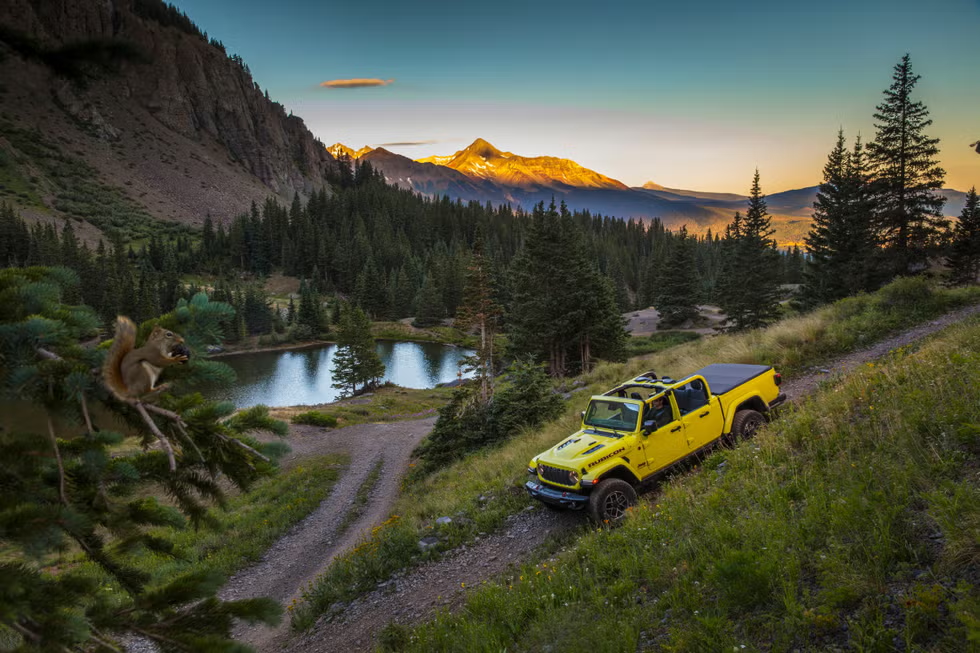
The timeless, recognizable design of Jeep vehicles appeals to a wide audience. Models like the Wrangler and Grand Cherokee have a classic look that never goes out of style, ensuring they remain desirable over the years.
Key Design Changes in Jeep Models (2010-2020)
| Year | Design Change |
|---|---|
| 2010 | Introduction of the Jeep Grand Cherokee WK2 with a more refined look. |
| 2011 | Launch of the updated Jeep Wrangler JK with a new interior. |
| 2012 | Minor facelift for the Jeep Compass, including a new grille and headlights. |
| 2013 | Introduction of the Jeep Cherokee KL with a controversial front design. |
| 2014 | Release of the Jeep Renegade with a modern, boxy design. |
| 2015 | Minor updates to the Jeep Grand Cherokee, including new trim levels. |
| 2016 | Launch of the updated Jeep Wrangler JK with special edition models. |
| 2017 | Introduction of the all-new Jeep Compass with a sleek, contemporary design. |
| 2018 | Major redesign of the Jeep Wrangler JL with modernized features. |
| 2019 | Introduction of the Jeep Gladiator, a pickup truck with Wrangler-inspired design. |
| 2020 | Facelift for the Jeep Cherokee with new front-end styling. |
As this chart displays there has been some changes in Jeeps design over the years. This is one of many reasons they maintain their resale value
3. How does Off-Road Capability Affect Jeep Resale Value?
Jeep’s renowned off-road capabilities make it a favorite among adventurers. This feature is highly sought after in the used car market, helping maintain high resale values. This contributes to why they uphold their resale worth.
Jeep vehicles are renowned for their exceptional off-road capabilities, setting them apart in the automotive world. Whether tackling rugged trails or navigating through challenging terrain, Jeeps excel with their robust features designed for off-road adventures. From advanced 4×4 systems to superior ground clearance and durable suspension, Jeeps offer drivers the confidence to explore off the beaten path. With a heritage steeped in off-road prowess, Jeep vehicles continue to embody the spirit of adventure and rugged capability, making them a top choice for enthusiasts seeking thrilling off-road experiences.
4. Versatility and its impact on Jeep Wrangler Resale value
Jeep vehicles are versatile, and capable of handling both urban environments and rugged terrains. This adaptability ensures a broad market appeal, enhancing resale value.
The versatility of Jeep vehicles significantly contributes to their high resale value. Jeep models are designed not only for off-road adventures but also for everyday usability and comfort. This dual-purpose capability appeals to a wide range of buyers, from outdoor enthusiasts to families seeking reliable transportation. This versatility ensures that Jeep vehicles maintain relevance and desirability over time, bolstering their resale value. Whether navigating city streets or conquering rugged terrain, Jeep’s ability to blend ruggedness with practicality ensures that it remains a sought-after choice in the resale market, reflecting its enduring value and appeal.
Jeep Wrangler Resale value: 5. Strong Community
A vibrant community of Jeep enthusiasts supports a robust aftermarket for parts and accessories. This makes it easier for owners to customize and maintain their vehicles, which positively affects resale value.
Jeep’s strong community and loyal following contribute significantly to its resale value. The passionate community of Jeep owners fosters a culture that values and preserves these vehicles, creating a robust demand in the resale market. This strong community not only supports the brand’s heritage but also ensures a steady market for pre-owned Jeeps. Whether through enthusiast clubs, forums, or social gatherings, Jeep owners share a unique camaraderie that extends beyond ownership, bolstering the vehicles’ resale value by maintaining their desirability and relevance in the automotive landscape.
6. How Durability Contributes to Jeep Resale Value
Jeep vehicles are built to last, often achieving high mileage with proper maintenance. This durability reassures used car buyers, contributing to higher resale prices.
7. Advanced 4×4 Systems
Jeep’s advanced 4×4 systems, such as Quadra-Trac and Selec-Terrain, are highly regarded for their performance. These features are a significant selling point in the used market.
Quadra-Trac is a highly regarded four-wheel-drive system developed by Jeep, renowned for its robust performance and capability across a variety of terrain. Originally introduced in the 1970s, Quadra-Trac has evolved over the years to integrate advanced technologies while retaining its core principles of enhancing traction and stability.
8. Open-Air Driving Experience
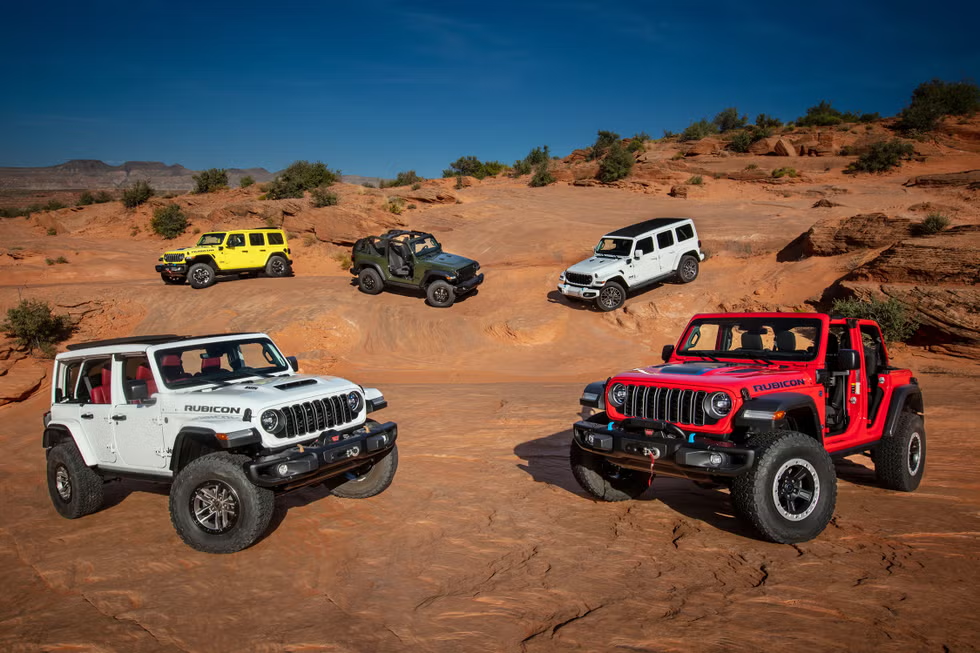
Models like the Wrangler offer unique open-air driving experiences with removable doors and tops, which are highly valued by buyers and contribute to resale value.
9. Powerful Engine Options
Pentastar V6 Engine: The Pentastar V6 engine is a popular choice across various Jeep models, including the Wrangler and Grand Cherokee. Known for its balance of power and efficiency, this engine enhances resale value by appealing to buyers seeking reliable performance for both daily driving and off-road adventures. Its robust power output and proven durability ensure strong demand in the used car market.
Ecodiesel Engine: Jeep’s Ecodiesel engine option, available in models like the Jeep Grand Cherokee, offers exceptional fuel efficiency and towing capability. This turbocharged V6 diesel engine appeals to buyers looking for enhanced torque for towing and off-road capability while prioritizing fuel economy. Its niche appeal among diesel enthusiasts contributes to its higher resale value, reflecting its durability and long-term cost savings.
Turbocharged 2.0L Four-Cylinder Engine: Found in models like the Jeep Wrangler and Cherokee, the turbocharged 2.0L four-cylinder engine balances performance with fuel efficiency. It enhances resale value by providing adequate power for urban driving and light off-road excursions while offering improved fuel economy compared to larger engine options. This engine’s popularity among eco-conscious buyers and those prioritizing efficiency contributes to its strong resale performance.
HEMI V8 Engine: Jeep’s HEMI V8 engine, available in models like the Jeep Grand Cherokee and Wrangler Rubicon 392, delivers uncompromising power and performance. Known for its robust horsepower and towing capability, this engine appeals to enthusiasts seeking maximum performance both on and off the road. Its exclusivity and capability ensure strong demand in the resale market, commanding higher values due to its high-performance pedigree.
Jeep offers a range of powerful engines, including fuel-efficient options and high-torque diesel engines. These powertrains are desirable in the used market.
10. Strong Towing Capacity
Jeep’s impressive towing capabilities make their vehicles attractive to buyers who need to haul trailers, boats, or other heavy loads.
11. Technological Features
Modern Jeeps come equipped with advanced technology and infotainment systems, such as the Uconnect® system, which enhance resale value.
12. Safety Features Jeep Wrangler Resale value
Jeep vehicles often include advanced safety features like blind-spot monitoring, adaptive cruise control, and forward collision warning, which are appealing to used car buyers.
Jeep Wrangler’s resale worth: 13. High Ground Clearance
The high ground clearance of Jeep vehicles makes them capable of handling various road conditions, a feature that is valued by many buyers.
14. Customization Options
Jeep’s wide range of customization options, both from the factory and the aftermarket, allow owners to personalize their vehicles, making them more attractive in the used market.
15. Reliability Jeep Wrangler Resale value
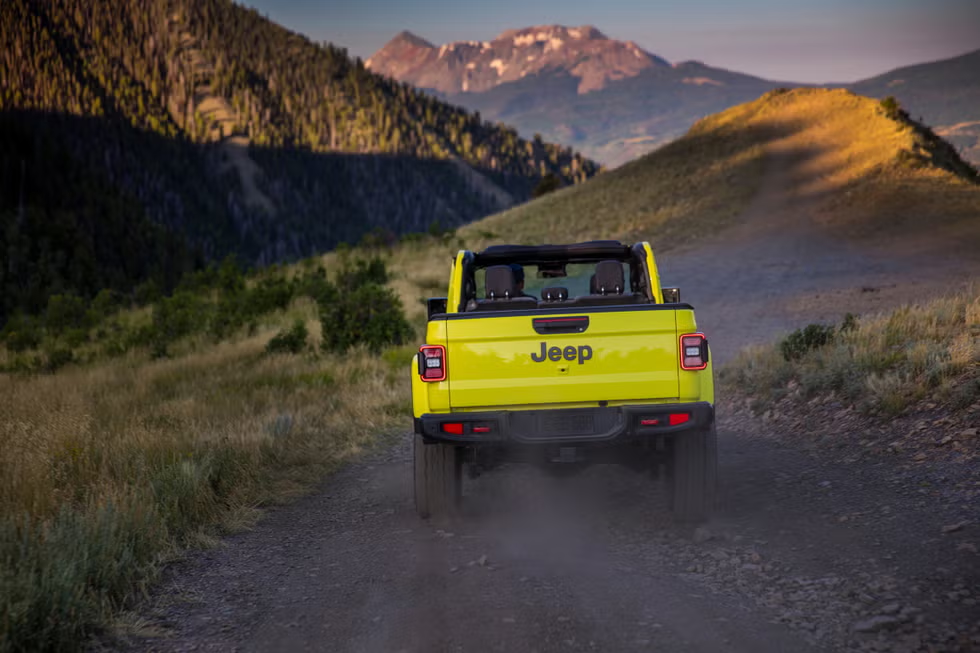
Jeep’s reputation for reliability reassures used car buyers that they are purchasing a dependable vehicle, thus maintaining higher resale values.
16. Limited Editions
Special editions and limited-run models, such as the Rubicon or Sahara editions, often retain their value better due to their exclusivity and unique features.
17. Timeless Appeal
Jeep’s design and functionality have a timeless appeal that does not easily date, keeping the vehicles desirable for longer periods.
18. Strong Market Demand
The consistent demand for Jeeps in the used car market helps keep resale values high, as buyers are willing to pay a premium for these sought-after vehicles.
19. Adventure Lifestyle
Jeep embodies an adventurous lifestyle that resonates with many buyers. This association with adventure and freedom keeps the brand desirable, even in the used market.
20. Positive Brand Reputation Jeep Wrangler Resale value
Jeep has built a strong reputation for quality and performance over the years. This positive perception among consumers helps sustain high resale values.
21. Historical Significance
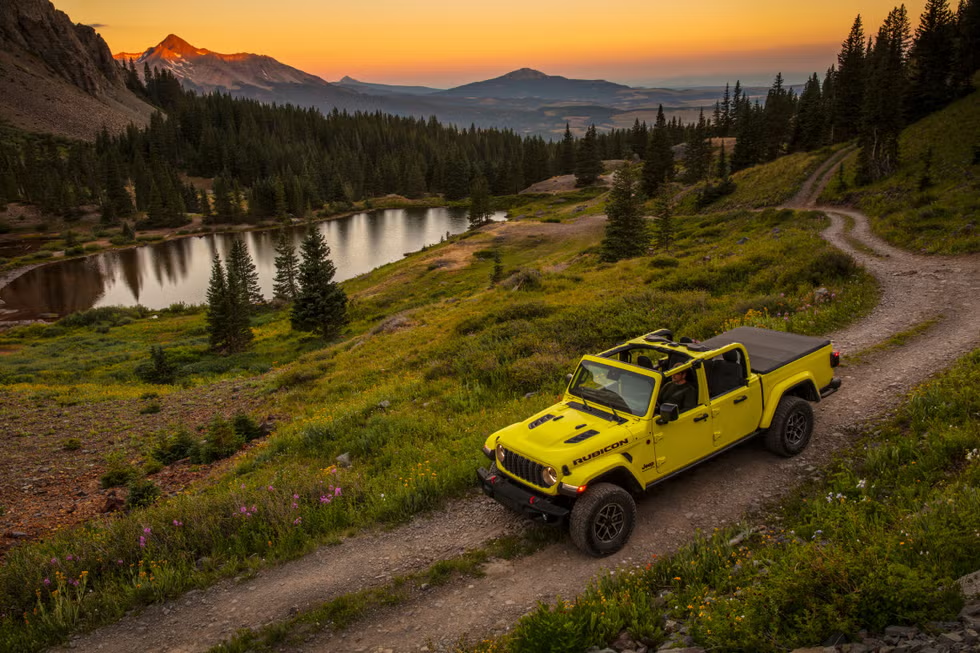
Jeep’s historical significance, particularly its role in World War II, adds an element of heritage and prestige to the brand. This historical value translates into sustained interest and higher resale prices.
In conclusion, Jeep vehicles maintain their resale value exceptionally well due to their iconic design, strong brand loyalty, advanced off-road capabilities, and a host of other desirable features. Whether you’re buying new or used, investing in a Jeep is a decision that is likely to pay off in the long run.
Frequently Asked Questions About Jeep Resale Value
Do Jeeps hold their value well? Yes, Jeeps are known for holding their value exceptionally well. Models like the Wrangler and Grand Cherokee typically retain 60-70% of their value after three years, which is significantly higher than the industry average.
Which Jeep model has the best resale value? The Jeep Wrangler consistently ranks as the model with the best resale value in the Jeep lineup. Its iconic design, off-road capabilities, and strong fan base contribute to its high demand in the used car market.
How does Jeep’s resale value compare to other brands? Jeep’s resale value often outperforms many other automotive brands. The brand frequently ranks among the top manufacturers for resale value, particularly in the SUV and off-road vehicle segments.
What factors contribute to Jeep’s strong resale value? Several factors contribute to Jeep’s strong resale value, including:
- Iconic design
- Off-road capabilities
- Brand loyalty
- Durability and reliability
- Versatility
- Strong aftermarket support
Does customizing a Jeep affect its resale value? Customizing a Jeep can positively affect its resale value, especially if the modifications are high-quality and enhance the vehicle’s capabilities. However, extreme or poorly executed modifications may decrease resale value.
Are older Jeep models still valuable in the used market? Yes, older Jeep models often retain their value well due to their durability and the brand’s cult following. Classic models like vintage Wranglers or Cherokee XJs can be particularly sought after by enthusiasts.
How does Jeep’s off-road capability impact its resale value? Jeep’s renowned off-road capability significantly boosts its resale value. Many buyers specifically seek out Jeeps for their ability to handle challenging terrain, which keeps demand high in the used market.
Does the Jeep Wrangler’s removable top and doors affect its resale value? The Wrangler’s removable top and doors are unique features that actually enhance its resale value. These elements contribute to the vehicle’s iconic status and appeal to buyers looking for an open-air driving experience.
How does Jeep’s brand loyalty influence resale values? Jeep’s strong brand loyalty creates a consistent demand for both new and used vehicles. This dedicated fan base helps maintain higher resale values across the Jeep lineup.
Are there any Jeep models to avoid for resale value? While most Jeep models hold their value well, some, like certain years of the Compass or Patriot, may not retain value as strongly as flagship models like the Wrangler or Grand Cherokee. It’s always best to research specific model years and their reliability ratings.
How Far Can the 2024 Jeep Grand Cherokee 4XE Go?

How Far Can the 2024 Jeep Grand Cherokee 4xe Go?
The 2024 Jeep Grand Cherokee 4xe brings a new level of efficiency to Jeep’s lineup by combining the rugged off-road capability of a traditional Grand Cherokee with the eco-friendly benefits of a plug-in hybrid powertrain. As consumers are increasingly looking for greener driving options without sacrificing performance, the 4xe model has generated significant interest. A key question for potential buyers is, How far can the Jeep Grand Cherokee 4xe go on a single charge and with a full tank?
The Powertrain: A Blend of Efficiency and Performance
The 2024 Jeep Grand Cherokee 4xe is powered by a 2.0-liter turbocharged inline-four engine paired with two electric motors and a 17.3 kWh battery. The combination of gas and electric propulsion provides a unique balance between power and efficiency. The total system output is 375 horsepower and 470 lb-ft of torque, making it not only fuel-efficient but also powerful enough for towing up to 6,000 pounds.
How Far Can the 2024 Jeep Grand Cherokee 4xe Go? Electric-Only Range
One of the standout features of the Grand Cherokee 4xe is its ability to run on electric power alone. When fully charged, the 17.3 kWh battery provides up to 25 miles of electric-only range. This is perfect for short commutes, city driving, and running errands without needing to rely on gasoline.
In this mode, the vehicle operates quietly and produces zero tailpipe emissions, making it a great option for those looking to reduce their carbon footprint or for driving in areas where emissions regulations are strict. Additionally, driving in full-electric mode means skipping trips to the gas station, which can save money on fuel.
Combined Range: Electric and Gasoline
While the electric range is ideal for short distances, the real benefit of the Grand Cherokee 4xe lies in its ability to combine electric power with its gasoline engine for longer journeys. When both the electric battery and gas tank are full, the 2024 Jeep Grand Cherokee 4xe can travel up to 470 miles.
This combined range makes the Grand Cherokee 4xe perfect for road trips, long commutes, and off-road adventures where charging stations may not be readily available. The vehicle’s hybrid capabilities also mean that you don’t have to worry about running out of battery power on longer drives, as the gasoline engine will seamlessly take over.
How Far Can the 2024 Jeep Grand Cherokee 4xe Go? Fuel Efficiency
In terms of fuel efficiency, the Grand Cherokee 4xe performs well compared to its fully gas-powered counterparts. When utilizing the full potential of the electric motor and gasoline engine together, the 4xe achieves an EPA-estimated 56 MPGe (miles per gallon equivalent). This rating reflects its efficiency when factoring in both the electric and gasoline energy sources.
For traditional gasoline-only driving, the 4xe offers a fuel economy rating of around 23 MPG when the battery is depleted, which is still competitive for an SUV of its size and capability.
How Far Can the 2024 Jeep Grand Cherokee 4xe Go? Charging Time
To take full advantage of the 4xe’s electric range, you’ll need to recharge the battery regularly. Charging times vary depending on the type of charger used:
- Level 1 Charger (120V): Using a standard household outlet, it will take approximately 12 hours to fully charge the battery from 0% to 100%.
- Level 2 Charger (240V): With a dedicated 240V home or public charger, the battery can be fully recharged in around 2 hours.
Having access to a Level 2 charger, either at home or at public stations, will significantly improve the convenience of owning a plug-in hybrid, as it reduces charging times dramatically.
Driving Modes: Tailored for Efficiency and Performance
The 2024 Grand Cherokee 4xe offers three distinct driving modes to optimize power usage and range:
- Hybrid Mode: This mode blends power from the electric motors and gasoline engine for optimal fuel efficiency and performance. The system automatically switches between electric and gas to balance range and power needs.
- Electric Mode: The vehicle operates purely on electric power until the battery is depleted. This mode is ideal for city driving or short distances, where the electric range of up to 25 miles can be fully utilized.
- eSave Mode: This mode prioritizes the gasoline engine, saving the battery charge for later use. This is useful for off-roading or driving in situations where you want to conserve battery power for specific parts of your journey, such as entering emission-restricted zones or rough terrain.
How Far Can the 2024 Jeep Grand Cherokee 4xe Go? Off-Road Capabilities and Range
Despite its hybrid powertrain, the 2024 Jeep Grand Cherokee 4xe retains the brand’s iconic off-road capabilities. It comes equipped with Quadra-Drive II 4×4 systems and Selec-Terrain traction management, allowing it to tackle tough trails, mud, and rocky terrain with ease.
When off-roading, the electric-only range might vary depending on the terrain and the amount of power required. However, the combination of electric torque and gasoline backup makes the 4xe a capable and reliable option for longer adventures far from civilization, where refueling or charging options may be limited.
Cost Savings
The ability to drive up to 25 miles on electric power alone can result in significant savings over time, especially for daily commuters who travel short distances. Depending on local electricity rates and gas prices, many owners find that they can reduce their fuel costs substantially by driving primarily in electric mode.
Moreover, the 4xe may qualify for federal tax credits and state incentives, potentially offering savings of up to $7,500. These incentives can help offset the higher initial purchase price of the 4xe model compared to traditional gas-powered SUVs.
Conclusion
The 2024 Jeep Grand Cherokee 4xe is not only a plug-in hybrid that delivers eco-friendly benefits, but it’s also a capable SUV with the off-road prowess Jeep is known for. With an electric-only range of 25 miles and a total combined range of 470 miles, the 4xe strikes a balance between everyday efficiency and long-distance capability.
For those looking to reduce their environmental impact without giving up power, comfort, or Jeep’s legendary performance, the Grand Cherokee 4xe offers the best of both worlds. Whether you’re commuting to work, exploring city streets, or heading off the beaten path, this plug-in hybrid SUV ensures you can go the distance.
How Far Can the 2024 Jeep Grand Cherokee 4xe Go? Jeeps For Sale
Jeep Wrangler
Jeep Wrangler Official Site
Jeep Grand Cherokee
Jeep Grand Cherokee Official Site
Jeep Compass
Jeep Compass Official Site
Jeep Renegade
Jeep Renegade Official Site
Dodge Durango
Dodge Durango Official Site
Chrysler Pacifica
Chrysler Pacifica Official Site
Chrysler Voyager
Chrysler Voyager Official Site
Ram 1500 Classic
Ram 1500 Classic Official Site
Jeep Grand Cherokee L
Jeep Grand Cherokee L Official Site
Jeep Wagoneer
Jeep Wagoneer Official Site
Is the 2024 Jeep Compass Reliable? Everything you need to know about Compass Reliability?
Is the 2024 Jeep Compass Reliable? An In-Depth Look
The Jeep Compass has long been a staple in the compact SUV market, offering a blend of rugged Jeep capability and urban-friendly features. With the 2024 model, many prospective buyers are asking the crucial question: Is the Jeep Compass reliable? Reliability is a key factor for anyone considering a vehicle purchase, and the 2024 Jeep Compass has several aspects to consider when determining its dependability.
Engine and Performance: Solid and Consistent
The 2024 Jeep Compass is powered by a 2.0-liter turbocharged inline-4 engine, producing 200 horsepower and 221 lb-ft of torque. This engine is paired with an 8-speed automatic transmission, which has been praised for its smooth shifting and responsiveness. In terms of performance, the Compass offers solid acceleration and a comfortable ride, both on and off the road.
One of the strong points of the Compass is its off-road capability, particularly in the Trail hawk trim, which comes with Jeep’s Active Drive Low 4×4 system. This setup is designed to handle challenging terrain, making the Compass a reliable option for those who enjoy venturing off the beaten path. The durability of Jeep’s 4×4 systems has been proven over the years, and the 2024 Compass continues this tradition.
Build Quality: Improved and Robust
Jeep has made significant improvements in the build quality of its vehicles over recent years, and the 2024 Compass benefits from these enhancements. The materials used in the cabin are of higher quality than in previous generations, offering a more premium feel. The fit and finish are generally good, with few reports of interior rattles or loose components, which can be common issues in vehicles within this segment.
The exterior of the Compass is built to withstand the elements, with a solid frame and durable body panels that resist dents and dings. This contributes to the overall reliability, especially for drivers who live in areas with harsh weather conditions or who use their vehicles for outdoor activities.
Technology and Features: Modern but Dependable
The 2024 Jeep Compass comes equipped with the latest Uconnect 5 infotainment system, which is known for its user-friendly interface and quick response times. It supports Apple CarPlay, Android Auto, and Amazon Alexa, ensuring that drivers have access to the latest technology without sacrificing ease of use.
Reliability in technology often comes down to software stability and ease of use, and the Compass generally performs well in this regard. The system is intuitive, and there are few reports of glitches or crashes, making it a dependable choice for daily driving. Additionally, the Compass offers a host of driver-assistance features, including adaptive cruise control, lane-keeping assist, and automated emergency braking, all of which enhance the safety and reliability of the vehicle.
Safety Ratings: High Marks
Safety is a significant component of reliability, and the 2024 Jeep Compass scores well in this area. It has received high marks from the National Highway Traffic Safety Administration (NHTSA) and the Insurance Institute for Highway Safety (IIHS). These organizations have tested the Compass extensively, and it has performed admirably in crash tests, earning a 5-star overall safety rating from the NHTSA.
The availability of advanced safety features, many of which come standard, adds to the vehicle’s reliability. Features such as forward-collision warning, blind-spot monitoring, and rear cross-traffic alert help prevent accidents and keep occupants safe, further enhancing the overall dependability of the Compass.
Consumer Reports and Reliability Ratings: A Mixed Bag
While the 2024 Jeep Compass has many positive attributes, it’s important to note that consumer reliability ratings have been mixed in previous years. Some owners have reported issues with electronic components, such as the infotainment system or sensors, which can lead to frustration. However, these issues are often covered under warranty, and Jeep has been proactive in addressing them with software updates and recalls when necessary.
It’s also worth noting that the Compass comes with a comprehensive warranty package, including a 3-year/36,000-mile basic warranty and a 5-year/60,000-mile powertrain warranty. This coverage can provide peace of mind for buyers concerned about potential reliability issues.
Fuel Economy: Efficient and Cost-Effective
The 2024 Jeep Compass offers competitive fuel economy, which contributes to its overall reliability as a daily driver. The front-wheel-drive models are rated at around 24 mpg in the city and 32 mpg on the highway, while the all-wheel-drive variants deliver slightly lower figures. This efficiency helps keep running costs low, which is an important aspect of vehicle reliability.
Conclusion: A Reliable Compact SUV with Room for Improvement
Overall, the 2024 Jeep Compass is a reliable choice for those seeking a compact SUV with off-road capabilities and modern technology. While there have been some mixed reviews regarding its reliability in the past, Jeep has made strides in improving the quality and dependability of the Compass. Its strong safety ratings, solid build quality, and advanced features make it a vehicle that can be trusted for both urban and adventurous driving.
However, potential buyers should be aware of the reported issues with electronic components and weigh these against the vehicle’s positive attributes. For those looking for a compact SUV that blends rugged capability with everyday practicality, the 2024 Jeep Compass remains a compelling option.
Jeep Official Website
- Visit the Jeep Official Website to find official details, specifications, and pricing for the 2024 Jeep Compass.
Edmunds
- Edmunds 2024 Jeep Compass Review provides comprehensive reviews, consumer ratings, and expert opinions.
Car and Driver
- Car and Driver 2024 Jeep Compass Review offers in-depth reviews, road tests, and ratings.
Kelley Blue Book (KBB)
- Check out the KBB 2024 Jeep Compass page for pricing, consumer reviews, and expert advice.
MotorTrend
- MotorTrend’s Review of the 2024 Jeep Compass includes performance reviews, comparisons, and ratings.
Consumer Reports
- Consumer Reports Jeep Compass provides reliability ratings, owner satisfaction scores, and detailed testing results.
NHTSA (National Highway Traffic Safety Administration)
- Visit NHTSA’s Jeep Compass page for official safety ratings and recall information.
IIHS (Insurance Institute for Highway Safety)
- IIHS Jeep Compass Safety Ratings will give you crash test ratings and safety evaluations.
Why is the Jeep Grand Cherokee so popular?

Why the Jeep Grand Cherokee is So Popular
The Jeep Grand Cherokee has long been a favorite among SUV enthusiasts and everyday drivers alike. Its popularity can be attributed to a combination of its rugged heritage, modern amenities, versatile performance, and the brand’s strong reputation for reliability and adventure. Let’s delve into the key reasons behind the enduring popularity of the Jeep Grand Cherokee.
1. Why is the Jeep Grand Cherokee so popular? Rich Heritage and Strong Brand Image
Jeep’s history dates back to World War II, where its vehicles gained a reputation for toughness and reliability. The Grand Cherokee, introduced in 1992, has carried forward this legacy, combining the off-road capabilities that Jeep is known for with the comfort and luxury that appeal to a broader market. The strong brand image and a sense of heritage attract a loyal customer base that values both adventure and reliability.
2. Why is the Jeep Grand Cherokee so popular? Versatile Performance
The Grand Cherokee is renowned for its versatile performance. It offers a range of engine options, from efficient V6 engines to powerful V8s, and even a high-performance SRT variant. This variety allows customers to choose a model that suits their needs, whether it’s for daily commuting, family road trips, or off-road adventures. The available four-wheel-drive systems enhance its capability to tackle challenging terrains, making it a favorite among off-road enthusiasts.

3. Why is the Jeep Grand Cherokee so popular? Luxury and Comfort
While the Grand Cherokee is built to handle rugged conditions, it doesn’t compromise on luxury and comfort. The interior is spacious and well-appointed, featuring high-quality materials, advanced technology, and comfortable seating. Higher trims offer premium features such as leather upholstery, a panoramic sunroof, and a state-of-the-art infotainment system. This blend of ruggedness and luxury makes it appealing to a wide range of buyers, from adventurers to families.
4. Why is the Jeep Grand Cherokee so popular? Advanced Technology
Jeep has equipped the Grand Cherokee with cutting-edge technology to enhance both convenience and safety. The Uconnect infotainment system is intuitive and responsive, offering features like navigation, Apple CarPlay, and Android Auto. Advanced driver-assistance systems, such as adaptive cruise control, blind-spot monitoring, and lane-keeping assist, provide an added layer of safety, making the Grand Cherokee a practical choice for modern drivers.
5. Why is the Jeep Grand Cherokee so popular? Towing Capability
The Grand Cherokee’s robust towing capacity is another significant draw. Depending on the engine, it can tow up to 7,200 pounds, making it an ideal vehicle for those who need to haul trailers, boats, or other heavy loads. This capability enhances its versatility and makes it a practical choice for outdoor enthusiasts and those with active lifestyles.
6. Why is the Jeep Grand Cherokee so popular? Variety of Trims and Customization Options
Jeep offers the Grand Cherokee in a wide range of trims, from the base Laredo to the luxurious Summit and the high-performance Trackhawk. This variety allows customers to select a model that fits their budget and desired level of features. Additionally, various packages and customization options enable buyers to tailor the vehicle to their specific needs and preferences.
7. Why is the Jeep Grand Cherokee so popular? Strong Resale Value
Jeep vehicles, particularly the Grand Cherokee, tend to hold their value well over time. This strong resale value is an attractive feature for buyers who consider the long-term cost of ownership. The Grand Cherokee’s reputation for durability and reliability contributes to its strong standing in the used car market.
8. Why is the Jeep Grand Cherokee so popular? Community and Lifestyle
Owning a Jeep is often about more than just having a vehicle; it’s about being part of a community and a lifestyle. Jeep enthusiasts are known for their camaraderie, with events like Jeep Jamboree USA and other off-road gatherings bringing owners together. This sense of community and the lifestyle associated with Jeep ownership adds to the Grand Cherokee’s appeal.
Conclusion
The Jeep Grand Cherokee’s popularity can be attributed to its rich heritage, versatile performance, luxurious comfort, advanced technology, impressive towing capability, and strong resale value. Its ability to seamlessly blend ruggedness with refinement makes it a standout choice in the competitive SUV market. Whether you’re an adventure seeker, a family-oriented driver, or someone who simply values a reliable and capable vehicle, the Grand Cherokee offers something for everyone, cementing its status as a beloved and enduring favorite.

2025 Jeep Wrangler vs. Previous Models: How It Stacks Up
The Jeep Wrangler has long been synonymous with rugged off-road capability and timeless design. With the release of the 2025 Jeep Wrangler, enthusiasts and prospective buyers alike are eager to see how it compares to its predecessors. This article delves into the advancements and key differences between the 2025 model and earlier versions, shedding light on what makes the latest Wrangler stand out.

2025 Jeep Wrangler vs. Previous Models: Design and Aesthetics
The 2025 Jeep Wrangler continues to embrace the iconic, boxy design that has defined the model for decades. However, it features subtle updates that modernize its appearance while preserving its classic charm. The 2025 model introduces a more streamlined front grille and updated LED headlights, enhancing both style and functionality. The rear design also benefits from a refreshed look with new taillights and a redesigned spare tire carrier. Compared to earlier models, the 2025 Wrangler boasts a more refined and contemporary aesthetic without sacrificing its rugged roots.
Performance and Capabilities
When it comes to performance, the 2025 Jeep Wrangler builds on the strong foundation of its predecessors with several notable upgrades. The latest model offers improved engine options, including a more powerful turbocharged four-cylinder and a hybrid variant for those seeking better fuel efficiency and reduced emissions. The traditional V6 engine remains available, delivering robust power for off-road adventures. Enhanced suspension systems and updated drivetrain components provide better handling and ride comfort, particularly on challenging terrains.
In comparison to previous models, the 2025 Wrangler’s off-road capabilities have been fine-tuned with advanced traction control systems and new terrain management modes. This means the 2025 Wrangler can tackle a broader range of off-road conditions with greater ease and confidence.
2025 Jeep Wrangler vs. Previous Models: Interior Features and Technology
The interior of the 2025 Jeep Wrangler represents a significant step forward in terms of technology and comfort. While earlier models offered functional but basic interiors, the 2025 version includes a more modern and refined cabin. A new infotainment system features a larger touchscreen with improved graphics and faster response times. Apple CarPlay and Android Auto are standard, ensuring seamless smartphone integration.
Comfort and convenience have also been enhanced, with available features like heated and ventilated seats, a premium sound system, and upgraded materials throughout the cabin. The 2025 Wrangler offers more customization options and additional storage solutions, making it more practical for everyday use while maintaining its off-road heritage.
Safety and Driver Assistance
Safety has become increasingly important in recent years, and the 2025 Jeep Wrangler reflects this shift with a host of advanced driver assistance features. While earlier models offered basic safety systems, the 2025 Wrangler comes equipped with modern technologies such as adaptive cruise control, lane-keeping assist, and automatic emergency braking. These advancements contribute to a safer driving experience both on and off the road.
Fuel Efficiency and Environmental Impact
One of the significant changes in the 2025 Jeep Wrangler is the focus on improved fuel efficiency and reduced environmental impact. The introduction of a hybrid powertrain option is a notable step towards greener driving. This new option not only enhances fuel economy but also aligns with growing consumer preferences for environmentally friendly vehicles. Compared to previous models, the 2025 Wrangler offers better fuel efficiency and lower emissions, addressing concerns about the ecological impact of off-road vehicles.
2025 Jeep Wrangler vs. Previous Models: Price and Value
As with any new model, the 2025 Jeep Wrangler comes with a price increase compared to its predecessors. However, this is offset by the advancements in technology, performance, and features. The latest Wrangler delivers a higher level of refinement and capability, offering better value for those willing to invest in the newest iteration of this iconic vehicle.
Chart of Jeep wrangler 2025 vs older years: 2025 wrangler new features
Here’s a comparative chart that includes the 2025 Jeep Wrangler and models from the past five years, highlighting key differences and advancements:
| Feature | 2025 Jeep Wrangler | 2024 Jeep Wrangler | 2023 Jeep Wrangler | 2022 Jeep Wrangler | 2021 Jeep Wrangler | 2020 Jeep Wrangler |
|---|---|---|---|---|---|---|
| Design | Refreshed grille, new LED headlights, redesigned rear taillights and spare tire carrier | Classic design with updated grille and LED headlights | Classic design, standard LED headlights | Traditional design with older grille | Iconic boxy design with standard headlights | Classic design, older grille and headlights |
| Powertrains | New hybrid powertrain, turbocharged four-cylinder, V6 | Turbocharged four-cylinder, V6 | Turbocharged four-cylinder, V6 | V6 engine, optional turbocharged four-cylinder | V6 engine, optional turbocharged four-cylinder | V6 engine, turbocharged four-cylinder |
| Performance | Improved handling, refined suspension, new terrain management modes | Strong off-road capability, traditional suspension | Reliable off-road performance, good handling | Solid off-road performance, conventional suspension | Strong off-road performance, older suspension | Good off-road performance, basic suspension |
| Interior Features | Upgraded infotainment with larger touchscreen, modernized cabin with heated/ventilated seats | Standard infotainment, improved cabin features | Standard infotainment, heated seats available | Basic infotainment, standard cabin features | Basic infotainment, limited seat heating options | Basic infotainment, fewer comfort features |
| Technology | Larger touchscreen, better graphics, Apple CarPlay and Android Auto standard, enhanced driver assistance | Standard touchscreen, Apple CarPlay and Android Auto, improved driver assistance | Standard touchscreen, Apple CarPlay and Android Auto | Standard touchscreen, limited tech options | Basic touchscreen, limited tech features | Basic technology, minimal connectivity |
| Safety Features | Adaptive cruise control, lane-keeping assist, automatic emergency braking standard | Basic driver assistance, some optional upgrades | Standard driver assistance, fewer advanced features | Basic safety features, limited driver assistance | Standard safety features, fewer advanced options | Basic safety features, minimal driver assistance |
| Fuel Efficiency | Hybrid option enhances fuel economy, reduced emissions | Average fuel economy, traditional engines | Similar fuel economy to previous years, no hybrid option | Comparable fuel economy, no hybrid option | Standard fuel economy, no hybrid option | Basic fuel economy, no hybrid option |
| Environmental Impact | Reduced emissions with hybrid powertrain | Standard emissions, no hybrid option | Standard emissions, no hybrid option | Higher emissions, no hybrid option | Higher emissions, no hybrid option | Higher emissions, no hybrid option |
| Price | Higher starting price reflecting new technology and features | Moderate price, includes recent updates | Moderate price, standard features | Lower starting price, older features | Lower price, older features | Lowest price, fewer updates |
Comprehensive comparison of all jeep wrangler models years vs 2025.
This chart provides a detailed comparison of the 2025 Jeep Wrangler against its predecessors from the past five years, illustrating how the model has evolved in terms of design, technology, performance, and overall value.
Conclusion
The 2025 Jeep Wrangler marks an exciting evolution in the model’s long history, blending classic design elements with modern advancements. With improved performance, updated technology, enhanced safety features, and better fuel efficiency, the 2025 Wrangler stands out as a significant upgrade over its predecessors. For those who appreciate the Wrangler’s legendary off-road prowess but seek a more contemporary and refined driving experience, the 2025 model represents a compelling choice.
Is the Hybrid Jeep Wrangler Worth It?

The Jeep Wrangler is an iconic off-road vehicle, celebrated for its rugged capabilities and distinctive design. With the introduction of the Jeep Wrangler 4xe, a plug-in hybrid electric vehicle (PHEV), Jeep has aimed to blend traditional off-road prowess with modern hybrid technology. But the question remains: is the hybrid Jeep Wrangler worth it? This article will explore the key aspects of the Wrangler 4xe, including its performance, efficiency, cost, and overall value to help you determine if it’s the right choice for you.
Overview of the Jeep Wrangler 4xe
The Jeep Wrangler 4xe is a plug-in hybrid variant of the classic Wrangler, combining a 2.0-liter turbocharged inline-four engine with an electric motor and a 17 kWh lithium-ion battery. This setup provides the Wrangler 4xe with the ability to drive on electric power alone for short distances while retaining the off-road capabilities that Jeep enthusiasts love.
Key Features
- Electric-Only Range: Approximately 21 miles on a full charge.
- Total Range: Around 370 miles when combining electric and gasoline power.
- Power Output: Combined 375 horsepower and 470 lb-ft of torque.
- Charging Time: About 2 hours with a Level 2 charger.
For further details, you can check out Jeep’s official Wrangler 4xe specs.
Performance and Off-Road Capabilities
Off-Road Prowess
The Jeep Wrangler 4xe maintains the off-road capabilities that the Wrangler is renowned for. With features such as high ground clearance, advanced 4WD systems, and rugged suspension, the 4xe is well-equipped to handle challenging terrains. The hybrid system does not compromise its off-road performance; instead, it enhances it with additional torque from the electric motor.
Power and Acceleration
The Wrangler 4xe offers robust performance, with a combined power output of 375 horsepower and 470 lb-ft of torque. This power translates to strong acceleration and the ability to tackle both on-road and off-road driving challenges effectively. The hybrid system provides instant torque, which can be particularly useful for off-road situations.
For performance reviews, you can refer to MotorTrend’s Jeep Wrangler 4xe review.
Fuel Efficiency and Environmental Impact
Fuel Efficiency
The Jeep Wrangler 4xe offers improved fuel efficiency compared to its non-hybrid counterparts. With a combined fuel economy of around 49 MPGe (miles per gallon equivalent) when utilizing both electric and gasoline power, it provides a more efficient option for those who want to reduce their fuel consumption. When driving solely on gasoline, the Wrangler 4xe achieves an estimated 20 MPG combined.
Environmental Benefits
By incorporating a plug-in hybrid system, the Wrangler 4xe reduces tailpipe emissions compared to traditional gasoline engines. While it may not be as environmentally friendly as a full electric vehicle, it represents a significant step towards reducing the vehicle’s carbon footprint and promoting more sustainable driving practices.
For more information on hybrid efficiency, check out EPA’s hybrid vehicle ratings.
Cost and Incentives
Purchase Price
The Jeep Wrangler 4xe has a starting price higher than the conventional Wrangler models due to its advanced hybrid technology. As of the latest models, the starting MSRP is around $55,000, which can vary based on trim levels and additional options.
Tax Incentives
One of the advantages of the Wrangler 4xe is its eligibility for federal tax incentives. The IRS offers a federal tax credit of up to $7,500 for qualifying plug-in hybrid vehicles, which can help offset the higher initial purchase price. State and local incentives may also be available, further reducing the cost.
For information on available incentives, you can visit the IRS’s plug-in electric vehicle tax credit page.
Practical Considerations
Charging Infrastructure
The effectiveness of the Wrangler 4xe’s hybrid system depends on having access to a reliable charging infrastructure. Home charging is typically the most convenient option, with a Level 2 charger providing a full charge in about 2 hours. Public charging stations are also available, but their accessibility may vary depending on your location.
Daily Use and Long Trips
For daily commutes, the Wrangler 4xe’s electric-only range is sufficient for short trips and reduces reliance on gasoline. For longer trips, the combination of electric and gasoline power ensures you can cover extended distances without range anxiety.
Conclusion
The Jeep Wrangler 4xe offers a compelling blend of traditional off-road capabilities and modern hybrid efficiency. It stands out with its robust performance, improved fuel economy, and environmental benefits. However, the higher purchase price and the need for charging infrastructure are important considerations. If you value the iconic off-road experience of the Wrangler and are interested in a hybrid vehicle that provides both electric and gasoline power, the Wrangler 4xe is worth considering. It delivers enhanced performance and efficiency while maintaining the rugged charm that Jeep enthusiasts cherish.
For additional insights, you might explore Jeep’s official site for the Wrangler 4xe and automotive reviews from Car and Driver.
Is Jeep Discontinuing the Wagoneer?

Rumors are swirling, and Jeep enthusiasts are on the edge of their seats: Is the beloved Wagoneer facing extinction? After making a grand comeback in 2021, this luxurious full-size SUV has captured hearts and paved its way back into the spotlight. With its striking design, spacious interior, and advanced technology, the Wagoneer quickly reestablished itself as a formidable player in the luxury SUV market. However, amidst its resurgence, whispers of discontinuation have begun to echo through the automotive world, leaving fans anxious about the future of this iconic vehicle.
Is it possible that Jeep could pull the plug on a model that has so successfully blended rugged capability with high-end luxury? The Jeep Wagoneer, a name steeped in history and nostalgia, made its triumphant return in 2021 after nearly three decades of absence, quickly reestablishing itself as a luxurious full-size SUV. This vehicle is not just about style; it embodies the spirit of adventure that Jeep is known for, making it a favorite among both families and off-road enthusiasts.
Yet, despite its impressive comeback and the accolades it has received, rumors about its potential discontinuation have begun to circulate, sending shockwaves through the Jeep community. Could it be true that a model so beloved and well-crafted might be at risk? As we delve deeper into this topic, we’ll explore the rich history of the Wagoneer, its current status within Jeep’s lineup, and what these unsettling rumors might mean for both current owners and potential buyers.
Join us as we uncover the truth behind the Wagoneer’s future. Is it truly facing an uncertain fate, or is this iconic SUV here to stay for years to come? We’ll analyze market trends, sales figures, and Jeep’s strategic direction to provide you with a comprehensive understanding of what lies ahead for this remarkable vehicle. Whether you’re a die-hard Jeep fan or simply curious about the automotive landscape, you won’t want to miss this exploration of one of Jeep’s flagship models. Buckle up as we navigate through the twists and turns of the Wagoneer’s journey!
The Comeback Kid
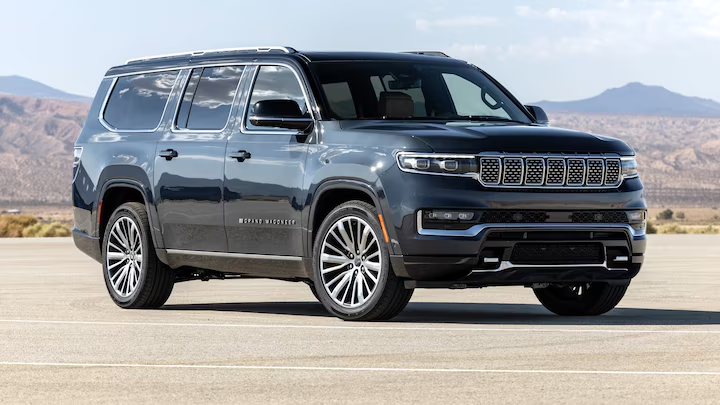
The Jeep Wagoneer first roared onto the scene in 1963, quickly becoming a family favorite for its spaciousness and off-road prowess. Fast forward to 2021, and it’s back, ready to compete with luxury titans like the Cadillac Escalade and Lincoln Navigator. But is it too good to last?
Market Demand is Through the Roof
Sales are booming for the Wagoneer and Grand Wagoneer! This SUV’s blend of rugged capability and modern luxury has struck a chord with buyers. Jeep is positioning it as a long-term player in a fiercely competitive market—so why would they pull the plug now?
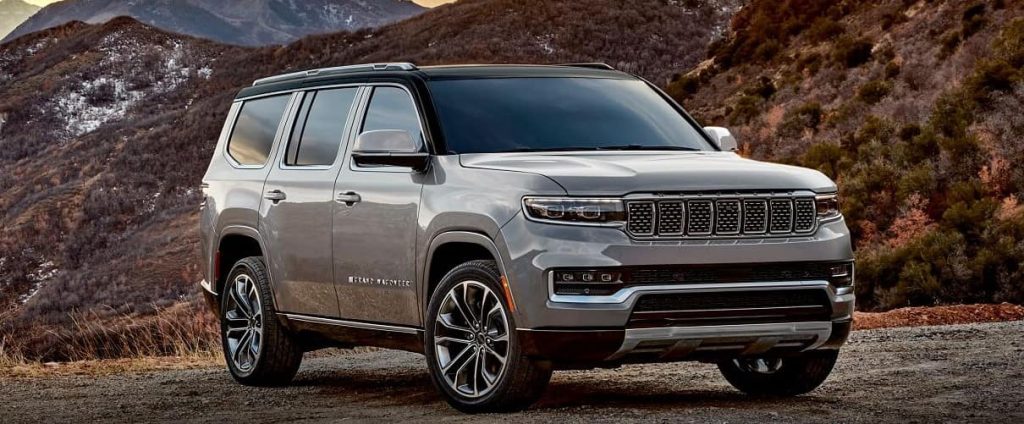
Current Status: No Plans for Discontinuation
As of 2024, Jeep has no plans to discontinue the Wagoneer. In fact, the brand has been expanding its full-size SUV lineup, and the Wagoneer remains a key model in its portfolio. Jeep continues to offer several versions of the Wagoneer, including the Series I, Series II, Series II Carbide, and Series III, as well as the even more luxurious Grand Wagoneer models.
Jeep’s push toward electrification and the introduction of hybrid technologies across its lineup are further signs that the Wagoneer is here to stay. Jeep is committed to innovating and improving its vehicles, and the Wagoneer will likely benefit from these advancements in the coming years.
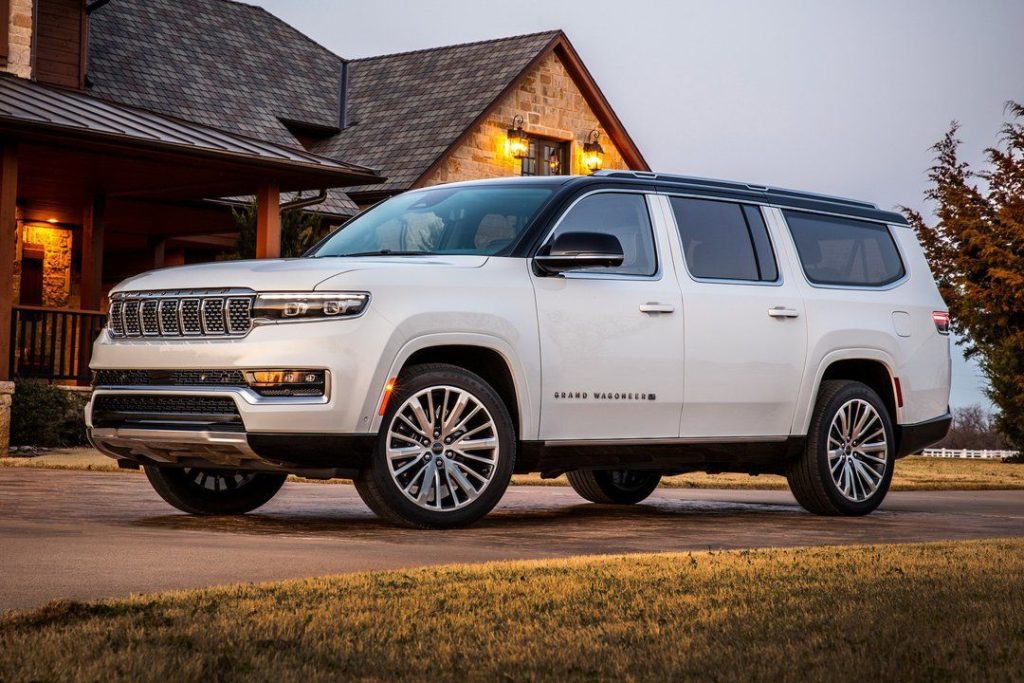
Market Demand for the Wagoneer
Sales of the Jeep Wagoneer and Grand Wagoneer have been strong since their reintroduction. The combination of rugged capability, modern technology, and luxury appeal has resonated with buyers. The Wagoneer’s success in the full-size SUV segment suggests that Jeep has no reason to consider discontinuing the model. Instead, Jeep has been positioning the Wagoneer as a long-term player in the competitive SUV market.
With competitors like the Cadillac Escalade and Lincoln Navigator continuing to innovate, Jeep is likely to invest in keeping the Wagoneer competitive. Additionally, the Grand Wagoneer provides an even more luxurious option, catering to high-end buyers who demand both luxury and performance.
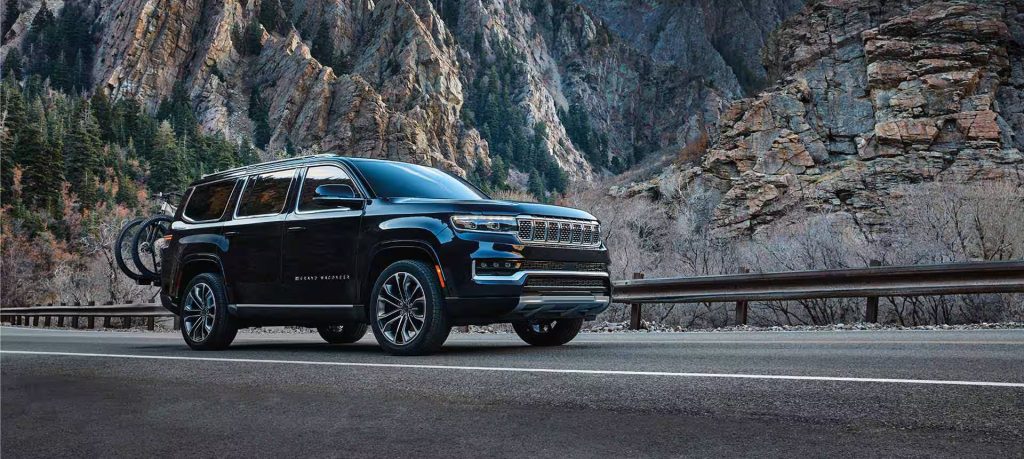
Jeep’s Focus on Electrification
One of the reasons some believe the Wagoneer might be discontinued is Jeep’s growing focus on electric and hybrid vehicles. However, rather than phasing out the Wagoneer, Jeep is expected to integrate electrification into its existing models. Jeep has already introduced plug-in hybrid versions of other models like the Wrangler and Grand Cherokee, and it’s likely that the Wagoneer will see similar updates in the future.
In fact, there have been rumors about a potential plug-in hybrid or fully electric Wagoneer in the works. This would align with Jeep’s broader electrification strategy, which aims to offer electric options across its entire lineup by 2030. Rather than discontinuation, the Wagoneer could evolve into a more eco-friendly option without sacrificing the power and capability it’s known for.
What the Future Holds for the Wagoneer
Looking forward, Jeep will likely continue to update and enhance the Wagoneer to keep pace with changing consumer demands. Future versions of the Wagoneer could feature even more advanced technology, hybrid or electric powertrains, and further improvements in luxury and off-road capability.
Here are a few possible developments for the Wagoneer in the near future:
- Electrification: A hybrid or fully electric version of the Wagoneer is highly likely as Jeep moves toward its goal of electrifying its entire lineup.
- More Trim Levels and Customization: Jeep could introduce more trim levels, special editions, or limited-run versions of the Wagoneer to appeal to different buyers.
- Enhanced Technology: With the rapid advancement of automotive technology, the Wagoneer could see more autonomous driving features, improved infotainment systems, and advanced safety technologies.
- Continued Luxury Upgrades: As luxury SUVs continue to compete at the high end of the market, the Wagoneer will likely keep adding high-end materials, features, and comfort options to maintain its premium status.
Conclusion: The Jeep Wagoneer Isn’t Going Anywhere
Despite occasional rumors, there is no credible evidence that Jeep is discontinuing the Wagoneer. In fact, the Wagoneer is one of Jeep’s flagship models, representing the brand’s commitment to luxury, performance, and innovation. As Jeep continues to develop its product lineup and embrace electrification, the Wagoneer will likely play a crucial role in the company’s future.
For now, if you’re in the market for a full-size luxury SUV, the Jeep Wagoneer remains a top contender. It offers a unique blend of off-road capability, cutting-edge technology, and refined comfort, making it a strong choice for families, adventurers, and luxury SUV enthusiasts alike.
FAQs About Car Valuation Websites in 2025
- Which car valuation website is the most accurate?
While all major platforms like Kelley Blue Book, Edmunds, NADA Guides, and Autotrader offer reliable car values, Kelley Blue Book (KBB) is often regarded as the most widely used and trusted source due to its extensive data analysis and dealer partnerships. - How often do car valuation websites update their prices?
Most car valuation websites update their pricing data regularly, often weekly or monthly, to reflect market trends, demand, and seasonal fluctuations in the automotive industry. - Why do different car valuation websites give different estimates?
Each website uses its proprietary algorithms, market data, and valuation methods. Some sites, like Edmunds, focus on real-time transaction data, while NADA Guides cater more to dealership pricing, leading to variations in car values. - Are online car value estimates accurate for trade-ins?
Online estimates provide a good benchmark, but the actual trade-in value depends on the vehicle’s condition, mileage, local market demand, and the dealership’s pricing strategy. A physical appraisal is often necessary for an accurate final offer. - How can I get the highest trade-in value for my car?
To maximize your trade-in value, keep maintenance records, fix minor issues, ensure the car is clean and presentable, and obtain estimates from multiple sources before negotiating with a dealership.
How Much does the Cheapest Jeep Wrangler Cost?

How much does the cheapest Jeep Wrangler Cost. Best answer 2024: The cheapest Jeep Wrangler typically starts around $30,000. In terms of trims the most affordable is the Sport S. This base model offers iconic design and rugged performance at an accessible price point. It’s the perfect entry into the world of off-road adventures. If you’d like to know about wrangler prices in general, feel free to click here.
Exploring the Jeep Wrangler Sport S: The Cheapest Wrangler Trim
Hey everyone! Today, I want to dive into the Jeep Wrangler Sport S, the perfect trim for those looking to combine affordability with a bit more comfort and convenience in their off-road adventures. If you’re a fan of the iconic Jeep Wrangler but want some extra features without breaking the bank, the Sport S is definitely worth checking out.
What Makes the Sport S Special?
First things first, let’s talk about what sets the Sport S apart from the base Sport trim. While the Sport model is fantastic for getting into the Jeep lifestyle, the Sport S adds some great enhancements that make your driving experience even better.
Enhanced Comfort and Convenience
One of the biggest upgrades in the Sport S is the addition of power windows and locks. It might sound basic, but trust me, when you’re out on the trail or cruising around town, having these features is a game-changer. No more manually cranking windows or fiddling with door locks—just easy, convenient operation.
The Sport S also includes air conditioning as a standard feature. This might not seem like a big deal, but if you’ve ever been in a Wrangler during the summer months, you’ll know how much of a difference this makes. Staying cool and comfortable on those hot days? Yes, please!
Infotainment and Connectivity
Another area where the Sport S shines is its tech offerings. It comes with the Uconnect® 4 system, which includes a 7-inch touchscreen, Apple CarPlay®, and Android Auto™. This means you can easily connect your smartphone, access your favorite apps, and enjoy your music, podcasts, and navigation with ease. Whether you’re on a road trip or just heading to work, having this connectivity is super handy.
Off-Road Ready
Of course, being a Jeep Wrangler, the Sport S is built for adventure. It comes standard with the Command-Trac® 4×4 system, giving you the capability to tackle a variety of terrains with confidence. Whether you’re navigating rocky trails, muddy paths, or sandy dunes, the Sport S is ready to take you there.
The Wrangler Sport S also features 17-inch aluminum wheels, which not only look great but also provide durability and performance off-road. These wheels are paired with all-terrain tires, giving you the grip and traction you need for your adventures.
Customization Options
One of the coolest things about the Jeep Wrangler is how customizable it is, and the Sport S is no exception. You can choose from a variety of exterior colors, add a soft or hard top, and select from a range of Mopar® accessories to make your Jeep truly your own. Whether you want to add a roof rack for extra storage, upgrade your lighting for nighttime excursions, or enhance your interior with premium touches, the options are endless.
Safety and Security
Jeep hasn’t skimped on safety with the Sport S, either. It comes with essential safety features like advanced multistage front airbags, electronic stability control, and a strong, rigid frame structure. Additionally, the Sport S includes a security alarm, providing extra peace of mind when you leave your Jeep parked.
Final Thoughts
So, is the Jeep Wrangler Sport S worth it? Absolutely! It offers a fantastic blend of affordability, comfort, and capability, making it an excellent choice for anyone looking to dive into the Jeep lifestyle. Whether you’re an off-road enthusiast or just want a versatile, fun vehicle for everyday use, the Sport S has you covered. The cheapest jeep wrangler packs a lot of punch.
If you’re curious about the Jeep Wrangler Sport S, I highly recommend heading to your local Jeep dealership and taking one for a test drive. Experience the comfort, technology, and off-road prowess for yourself—you won’t be disappointed.
Happy adventuring, and I’ll see you on the trails!
Connect with us


