




Best Steering Wheel Cleaner – Expert Reviewed

A clean steering wheel is more than just about aesthetics; it plays a significant role in maintaining your car’s overall hygiene. Being one of the most frequently touched parts of your vehicle, the steering wheel easily accumulates dirt, oil, and bacteria from regular use. Over time, this build-up can lead to unpleasant odors, a sticky feel, and even potential wear on the material. Proper cleaning not only ensures a comfortable and hygienic driving experience but also helps preserve the longevity and appearance of your car’s interior.
In this article, we’ll explore the best steering wheel cleaners available today, focusing on their unique features, pros, and cons, to help you find the right product for your needs. Whether your steering wheel is made of leather, vinyl, or plastic, these cleaners are designed to tackle grime effectively, restore a fresh look, and protect against future wear. Let’s dive in and discover why these cleaners are essential tools for anyone looking to keep their car’s interior spotless and inviting.
Why Steering Wheel Cleaners Are Important
Your steering wheel is one of the most frequently touched parts of your vehicle, making it prone to accumulating bacteria, grease, and grime. Regular cleaning ensures:
- Improved Hygiene:
Steering wheels can harbor germs and bacteria in your hands. A good cleaner eliminates these contaminants. - Enhanced Longevity:
Cleaning prevents wear and tear caused by accumulated dirt and oils, preserving the finish of your steering wheel. - Better Grip and Comfort:
Removing grime ensures the wheel feels smooth and comfortable to grip, enhancing your driving experience. - Aesthetic Appeal:
A clean steering wheel improves the overall look of your car’s interior, keeping it looking fresh and well-maintained.
Top Steering Wheel Cleaners Reviewed
Here are three of the top-rated steering wheel cleaners available, each offering unique benefits to meet your specific needs.
1. CarGuys Super Cleaner

Description:
The CarGuys Super Cleaner is an all-in-one cleaning solution for a variety of surfaces, including leather, plastic, and vinyl steering wheels. Its advanced formula removes grime, grease, and stains without leaving residue. Plus, it’s eco-friendly and safe to use indoors.
Pros:
- Multi-surface compatibility, perfect for leather and vinyl wheels.
- No sticky residue after cleaning.
- Eco-friendly formula with no harmful chemicals.
- Comes with a microfiber towel for easy application.
Cons:
- Slightly higher price compared to competitors.
- Requires multiple applications for heavily soiled areas.
Best For:
Car owners looking for a versatile, eco-friendly cleaner that works on multiple surfaces, including steering wheels, seats, and dashboards.
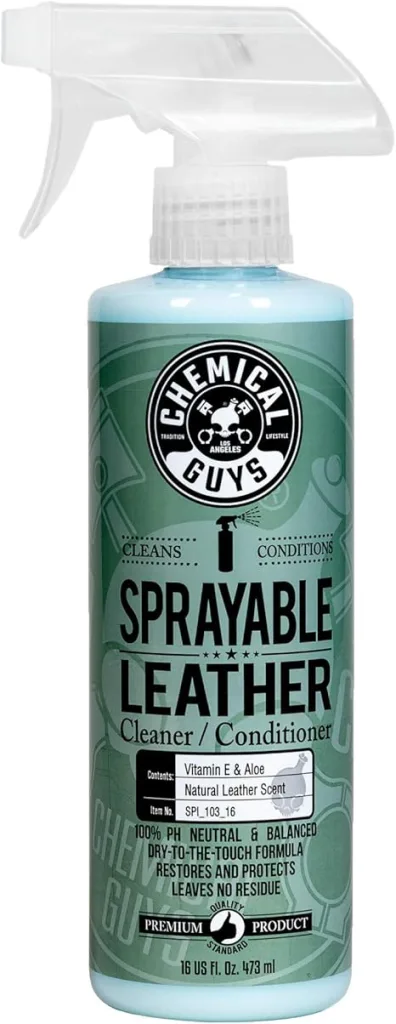
2. Chemical Guys SPI_103_16 Sprayable Leather Conditioner and Cleaner
Description:
The Chemical Guys Sprayable Leather Cleaner and Conditioner is a premium cleaner designed for leather steering wheels. It not only cleans but also conditions the leather, restoring its softness and preventing cracks.
Pros:
- Dual-action formula cleans and conditions simultaneously.
- Leaves a soft, supple feel on leather surfaces.
- Pleasant scent enhances the cleaning experience.
- Easy spray application for even coverage.
Cons:
- Not suitable for plastic or synthetic steering wheels.
- Can leave a slight residue if over-applied.
Best For:
Drivers with leather steering wheels who want a cleaner that restores and protects their wheel’s luxurious feel.
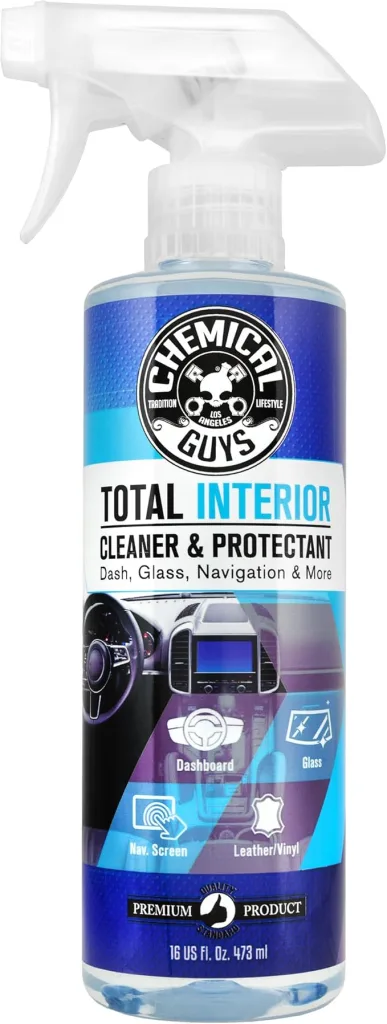
3. Chemical Guys SPI22016 Total Interior Cleaner & Protectant
Description:
This all-in-one interior cleaner and protectant from Chemical Guys is ideal for maintaining plastic, rubber, vinyl, and leather surfaces. It not only removes grime but also provides UV protection to prevent fading and cracking.
Pros:
- Cleans and protects against UV damage.
- Safe for multiple surfaces, including steering wheels.
- Non-greasy finish after application.
- Long-lasting protection.
Cons:
- Slightly overpowering scent for sensitive users.
- May require additional buffing for a streak-free finish.
Best For:
Car owners seeking a cleaner that offers UV protection and works on various surfaces, making it perfect for cars exposed to sunlight frequently.
Conclusion
A clean steering wheel is more than a cosmetic upgrade—it’s a crucial step in maintaining your car’s comfort, hygiene, and long-term durability. As one of the most frequently touched areas of your vehicle, the steering wheel accumulates grime, bacteria, and oils from daily use. Neglecting this can lead to unpleasant odors, a diminished driving experience, and even premature wear on the material. Regular cleaning not only enhances the look of your car’s interior but also ensures a safer and more hygienic environment.
Each of the reviewed cleaners offers distinct advantages tailored to different needs. The CarGuys Super Cleaner stands out for its versatility, working efficiently on leather, vinyl, and plastic surfaces, making it an excellent all-purpose solution. For those seeking specialized care for leather steering wheels, the Chemical Guys Leather Cleaner and Conditioner not only cleans but also restores softness and prevents cracking. Meanwhile, the Chemical Guys Total Interior Cleaner is an all-in-one solution that cleans multiple surfaces while providing UV protection to safeguard against fading and wear.
Choosing the right cleaner for your steering wheel ensures your car’s interior remains pristine and well-maintained. Whether you prioritize versatility, luxury care, or added protection, selecting a product tailored to your steering wheel material will make a noticeable difference. A cleaner steering wheel enhances not only the look and feel of your car but also contributes to a more enjoyable and comfortable driving experience for years to come.
Best Oil Filter Clamps – Expert Reviewed
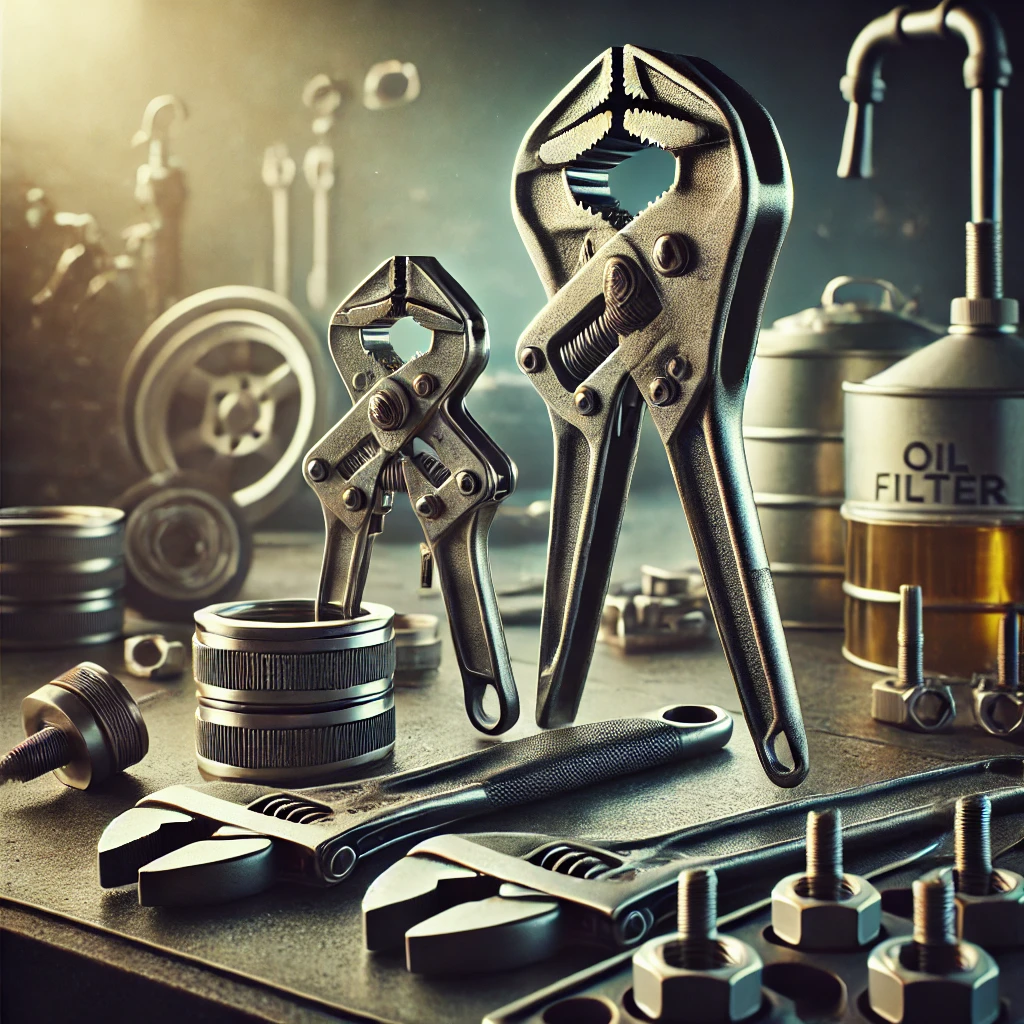
Oil filter clamps are essential tools for anyone maintaining a vehicle, whether you’re a seasoned professional mechanic or a DIY enthusiast working in your garage. These clamps are specifically designed to tackle one of the most frustrating parts of an oil change: removing or installing stubborn oil filters. Often located in hard-to-reach places, oil filters can be difficult to grip and loosen by hand, especially when they’ve been over-tightened or exposed to engine heat. Oil filter clamps provide a secure grip and the necessary leverage, ensuring a smoother and more efficient maintenance process while preventing damage to the filter or surrounding components.
In this blog, we’ll explore why oil filter clamps are indispensable and review some of the top-rated products available on the market today. From compact wrenches to versatile pliers, we’ll highlight each tool’s unique features, pros, and cons to help you make an informed decision. Whether you’re looking for a tool to handle tough, tightly fitted filters or one that works across various vehicle types, this guide will help you find the best oil filter clamp for your needs. By the end, you’ll see why investing in the right clamp can save you both time and frustration during routine vehicle maintenance.
Why Are Oil Filter Clamps Important?
Oil filter clamps are more than just tools; they’re essential for maintaining your vehicle efficiently. Here’s why:
- Ease of Use:
Filters can sometimes be overtightened or stick due to heat, oil, or grime. Clamps provide the grip needed to loosen these filters effortlessly. - Minimized Damage:
Using the wrong tools or excessive force can damage oil filters or their surrounding components. Clamps are designed to provide a secure grip without causing harm. - Time-Saving:
Manually struggling with a filter can take minutes (or longer) and cause unnecessary frustration. The right clamp lets you finish the task quickly. - Versatility:
Many clamps are adjustable, allowing you to work on various filter sizes and types, making them invaluable for anyone servicing multiple vehicles. - Safety:
Oil filters can be located in tight, slippery areas. A proper clamp ensures you maintain control, reducing the risk of slips or injuries.
Top Oil Filter Clamps Reviewed
Here are three of the top-rated oil filter clamps available today. Each has been thoroughly evaluated based on performance, durability, and usability.
1. Spurtar Adjustable Oil Filter Wrench

Description:
The Spurtar Adjustable Oil Filter Wrench is a compact yet powerful tool designed to fit filters ranging from 2-3/8 to 3-1/8 inches in diameter. It features a durable build, making it suitable for heavy-duty use, and a 1/2-inch drive cap-style design compatible with ratchets.
Pros:
- Adjustable for small to medium filters.
- High-quality construction ensures long-term reliability.
- Compact design fits into tight spaces.
- Easy to use with standard 1/2-inch ratchet drives.
Cons:
- Limited to filters within the specified size range.
- Requires a separate ratchet tool.
Who Is It Best For?
This wrench is ideal for car owners and mechanics who regularly service vehicles with small to medium-sized spin-on oil filters. Its compact size makes it perfect for tight engine compartments.
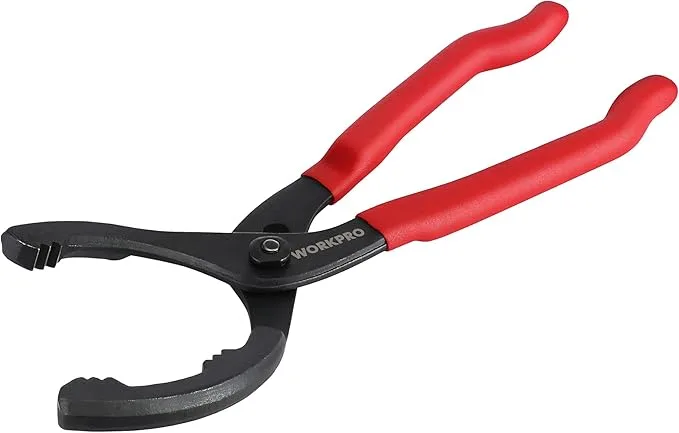
2. WORKPRO 12-Inch Oil Filter Pliers
Description:
WORKPRO’s Oil Filter Pliers are built for versatility. The slip-joint design allows it to adjust easily to fit filters ranging from 2-1/2 to 4-1/2 inches. The non-slip grips enhance comfort, and the durable materials ensure it can handle tough jobs.
Pros:
- Broad adjustment range for various filter sizes.
- Non-slip handles for added comfort and safety.
- Heavy-duty design suitable for professional use.
- Easy to clean and maintain.
Cons:
- The large size may be cumbersome in confined spaces.
- Requires moderate manual effort to operate.
Who Is It Best For?
These pliers are an excellent choice for professionals or enthusiasts who work on a wide range of vehicles, from compact cars to trucks and SUVs.
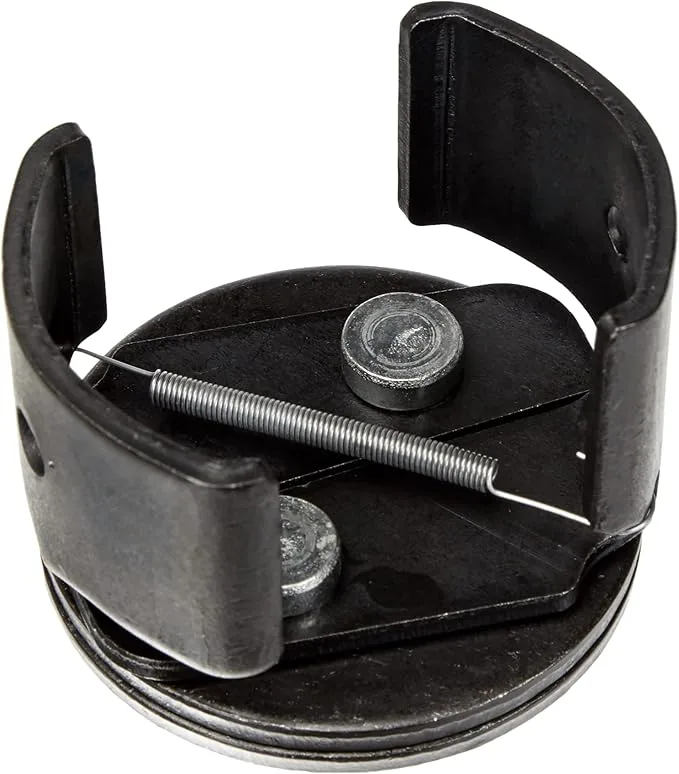
3. Lisle 63600 Oil Filter Tool
Description:
The Lisle 63600 Oil Filter Tool is engineered for end-cap style filters. Its unique design allows it to grip filters securely without slipping, even in oily or tight spaces. It’s compact yet robust, ensuring it delivers consistent performance.
Pros:
- Ideal for end-cap filters.
- Compact design fits into tight engine bays.
- Durable build ensures long-term use.
- Secure grip minimizes the chance of slippage.
Cons:
- Limited compatibility with certain filter types and sizes.
- Best suited for specific applications rather than general use.
Who Is It Best For?
This tool is perfectly suited for individuals working on vehicles with end-cap oil filters, offering a reliable and secure grip for efficient removal and installation. Its specialized design ensures compatibility with this specific filter type, making it a must-have for those who frequently encounter these filters during routine maintenance. Whether you’re dealing with compact cars, motorcycles, or other vehicles with limited engine bay space, this tool excels in delivering precise performance without the hassle of maneuvering bulky equipment in tight areas.
The compact and lightweight build of this tool makes it especially useful for small cars and motorcycles, where every inch of space counts. Its ability to fit snugly and operate efficiently in confined engine compartments minimizes frustration and effort. Additionally, its sturdy construction ensures that it can withstand repeated use, making it a durable and dependable choice for both DIY mechanics and professionals who need to tackle a variety of smaller vehicles. With this tool in hand, even the trickiest filter changes become a simple and straightforward task.
Conclusion
Oil filter clamps are an indispensable tool for anyone who performs regular vehicle maintenance. These tools simplify the often frustrating process of removing and installing oil filters, especially when dealing with tight spaces or filters that have become stuck due to heat and grime. By providing a secure grip and proper leverage, oil filter clamps help prevent damage to the filter and surrounding components, ensuring the maintenance process is both safe and efficient. Whether you’re working on your personal car or a variety of vehicles in a professional setting, having the right oil filter clamp is essential.
Among the top choices in the market are the Spurtar Adjustable Oil Filter Wrench, WORKPRO 12-inch Oil Filter Pliers, and the Lisle 63600 Oil Filter Tool. Each of these products is designed to cater to specific needs and preferences. For instance, the Spurtar wrench is perfect for small to medium filters and tight spaces, while the WORKPRO pliers offer a wide range of adjustability for different filter sizes. The Lisle tool, on the other hand, is ideal for end-cap filters, offering a compact and robust design for vehicles with limited access. Each of these tools combines durability with functionality, making them excellent options for various use cases.
Whether you’re a DIY enthusiast tackling oil changes at home or a professional mechanic working in a busy shop, investing in the right oil filter clamp can make a significant difference. The right tool not only saves time but also ensures the job is done correctly and safely. By choosing a clamp suited to your specific needs, you’ll make your oil changes quicker, safer, and more efficient, ultimately extending the life and performance of your vehicle.
FAQs
1. What is the best oil filter clamp for beginners?
The Spurtar Adjustable Oil Filter Wrench is a great choice for beginners due to its compact size and ease of use.
2. Can I use an oil filter clamp for other tasks?
Some clamps, like pliers or strap wrenches, can be used for gripping other cylindrical objects, but they’re designed specifically for oil filters.
3. How often should I replace my oil filter clamp?
High-quality clamps can last for years with proper care. Replace them if they show signs of wear or damage.
4. Are oil filter clamps universal?
While many are adjustable to fit a range of sizes, always check the compatibility with your specific filter.
5. What’s the difference between pliers and cap-style oil filter wrenches?
Pliers are versatile and can adjust to multiple sizes, while cap-style wrenches provide a snug fit for specific filters.
6. Do I need a ratchet for all oil filter clamps?
No, pliers-style clamps don’t require a ratchet, but cap-style wrenches typically do.
7. Can I hand-tighten oil filters instead of using a clamp?
Hand-tightening is sufficient for installing new filters. Clamps are primarily used for removing old or stuck filters.
8. Are oil filter clamps expensive?
Prices vary depending on the brand and quality. Most are affordable and offer excellent value for money.
9. How do I clean my oil filter clamp?
Wipe it down with a cloth to remove oil and grime after each use. For stubborn dirt, use a mild degreaser.
10. What’s the most durable material for oil filter clamps?
Steel and high-grade aluminum are the most durable options, providing strength and resistance to wear.
Dodge Moorpark

Discover the Best Dodge Dealership Near Moorpark: Simi Valley Chrysler Dodge Jeep Ram
If you’re in Moorpark and searching for a trusted dealership to find your dream Dodge vehicle, look no further than Simi Valley Chrysler Dodge Jeep Ram (CDJR). Conveniently located just a short drive away, we pride ourselves on offering an extensive inventory of Dodge vehicles, exceptional customer service, and a seamless car-buying experience. Whether you’re seeking the raw power of the Dodge Charger, the iconic styling of the Dodge Challenger, or the versatility of the Dodge Durango, Simi Valley CDJR has the perfect vehicle to meet your needs.
Why Choose Simi Valley CDJR for Your Dodge Needs?
1. Extensive Dodge Inventory
At Simi Valley CDJR, we understand that every driver has unique preferences, which is why we offer a wide selection of Dodge models to suit all lifestyles:
- Dodge Charger: Perfect for those who crave performance and cutting-edge technology in a sleek sedan.
- Dodge Challenger: A timeless muscle car delivering unparalleled horsepower and bold design.
- Dodge Durango: The ultimate SUV, offering spacious interiors, advanced safety features, and best-in-class towing capabilities.
Visit Edmunds to explore the full range of Dodge vehicles and their features.
2. Convenient Location for Moorpark Residents
Located just a short drive from Moorpark, Simi Valley CDJR is easily accessible and provides a hassle-free car-buying experience. Skip the long trips to far-off dealerships—our proximity makes finding your next Dodge quick and convenient.
3. Unparalleled Customer Service
Our dedicated team is here to ensure you have an enjoyable and stress-free experience. From selecting the right Dodge model to exploring financing options, we’re committed to helping you every step of the way. Use the Kelley Blue Book Trade-In Tool to get an estimate for your current vehicle and make your purchase even easier.
4. Flexible Financing and Leasing Options
We work with a network of trusted lenders to offer competitive financing and leasing options. Our finance team is here to guide you through the process, ensuring you find a plan that fits your budget and lifestyle. Learn more about financing with resources from AutoTrader.
5. Certified Service and Maintenance
Our commitment doesn’t end once you drive off the lot. At Simi Valley CDJR, we provide expert maintenance and repair services to keep your Dodge running like new. From routine oil changes to advanced diagnostics, our certified technicians are equipped to handle it all.
Dodge Vehicles for Every Need
Dodge vehicles are celebrated for their versatility, power, and style, making them ideal for drivers in Moorpark. Here’s what you can expect from some of Dodge’s top models:
Dodge Charger
The Dodge Charger combines thrilling performance with everyday practicality, making it perfect for commuters and enthusiasts alike. With multiple trims, including the SRT Hellcat, this sedan is a true powerhouse.
Key Features:
- Up to 797 horsepower (SRT Hellcat).
- Advanced Uconnect infotainment system.
- Spacious interior with premium finishes.
Dodge Challenger
The Dodge Challenger is an icon in American muscle cars, offering jaw-dropping power and retro-inspired design. It’s perfect for Moorpark drivers who want to turn heads on every drive.
Key Features:
- Multiple engine options, including the 807-horsepower Super Stock.
- Advanced all-wheel drive available on select trims.
- Roomy interior for a muscle car.
Dodge Durango
The Dodge Durango is a family-friendly SUV that doesn’t compromise on performance. It’s ideal for Moorpark families who need space, safety, and towing capabilities.
Key Features:
- Best-in-class towing capacity of 8,700 pounds.
- Three-row seating with room for up to seven passengers.
- Optional V8 engine for extra power.
How Simi Valley CDJR Stands Out
When it comes to buying a Dodge, you deserve a dealership that prioritizes your needs. Here’s why Simi Valley CDJR is the go-to choice for Moorpark drivers:
- Trusted Reputation: We’ve built a strong reputation for providing reliable vehicles and exceptional customer service.
- Transparent Pricing: No hidden fees or surprises—just fair and competitive pricing on every Dodge model.
- Community Focused: As a locally trusted dealership, we’re proud to serve Moorpark and the surrounding communities.
Customer Testimonials
“I purchased my Dodge Challenger from Simi Valley CDJR, and it was the easiest car-buying experience I’ve ever had. The staff was friendly and knowledgeable!” – Sarah P.
“The service team at Simi Valley CDJR is fantastic. They keep my Dodge Durango running like new, and I love how close they are to Moorpark.” – Mike T.
“Simi Valley CDJR helped me find the perfect Dodge Charger and made financing simple. Highly recommend!” – Jessica L.
Frequently Asked Questions (FAQs)
1. What Dodge models are available at Simi Valley CDJR?
We offer the full lineup of Dodge vehicles, including the Charger, Challenger, and Durango, in various trims and configurations.
2. How far is Simi Valley CDJR from Moorpark?
Our dealership is just a short 15-minute drive from Moorpark, making it a convenient option for local drivers.
3. Do you offer financing for Dodge vehicles?
Yes, we offer competitive financing and leasing options to fit your budget. Visit our dealership or check AutoTrader for helpful financing tips.
4. Can I trade in my current car?
Absolutely! Use the Kelley Blue Book Trade-In Tool to estimate your vehicle’s value before visiting us.
5. Do you offer certified pre-owned Dodge vehicles?
Yes, we have a selection of certified pre-owned Dodge models that meet strict quality standards.
6. What makes Simi Valley CDJR the best dealership for Moorpark drivers?
Our extensive inventory, competitive pricing, and customer-focused service make us the top choice for Dodge enthusiasts in Moorpark.
7. Can I schedule a test drive?
Of course! Contact us or visit our website to schedule a test drive for any Dodge model.
8. Do you offer service and repairs for Dodge vehicles?
Yes, our certified service center specializes in Dodge maintenance and repairs, from oil changes to engine diagnostics.
9. Are there any current specials on Dodge vehicles?
Yes, visit our special offers page to see the latest deals and promotions.
10. How do Dodge vehicles compare to competitors?
Dodge vehicles are known for their superior performance, bold styling, and innovative features, making them stand out against competitors like Ford and Chevrolet.
Visit Simi Valley CDJR for Dodge Vehicles Near Moorpark
If you’re ready to find your perfect Dodge vehicle, visit Simi Valley Chrysler Dodge Jeep Ram today. Whether it’s the powerful Charger, iconic Challenger, or versatile Durango, we’ll help you drive home in the Dodge of your dreams.
🌐 Visit Our Website | 📍 2350 1st Street, Simi Valley, CA 93065 | 📞 (805) 583-0333
Let Simi Valley CDJR be your trusted partner for all things Dodge in Moorpark and beyond!
Best Synthetic Motor Oil – Facts You Didn’t Know

When it comes to maintaining your vehicle’s performance and ensuring its longevity, few things are as critical as the type of motor oil you choose. The right motor oil not only lubricates your engine’s components but also reduces wear and tear, enhances fuel efficiency and ensures smooth performance across various driving conditions. Among the different types available, synthetic motor oil has emerged as a popular choice for car owners and automotive enthusiasts. Why? Because it offers unmatched performance, durability, and the ability to protect your engine under extreme conditions—whether you’re braving icy winters or enduring scorching summer heat.
Unlike conventional oils, synthetic motor oil is engineered at the molecular level, providing a level of precision that ensures consistent viscosity and superior lubrication. But what really makes synthetic motor oil stand out from the crowd? How does it benefit your vehicle in ways you might not have considered? In this comprehensive guide, we’ll delve into the lesser-known facts about synthetic motor oil, highlight its numerous advantages, debunk common myths, and guide you toward choosing the best synthetic oil for your vehicle’s specific needs.
What Is Synthetic Motor Oil?
Synthetic motor oil is more than just a lubricant—it’s a product of advanced engineering and innovation. Unlike conventional oils, which are derived directly from crude oil, synthetic motor oils are crafted through a highly controlled chemical process. This process allows for the creation of uniform and precise molecular structures, resulting in an oil that is purer and more consistent. These refined properties eliminate many impurities found in mineral-based oils, enhancing the oil’s overall performance and longevity. The result is a lubricant that provides exceptional protection against engine wear, even in extreme conditions where traditional oils might fail.
What truly sets synthetic oils apart is their ability to deliver superior lubrication tailored to the needs of modern engines. Engineered at the molecular level, synthetic oils are designed to reduce friction between engine components, minimizing wear and tear. This reduction in friction not only extends the life of the engine but also improves its overall efficiency. Additionally, synthetic oils maintain their stability across a wide range of temperatures, ensuring that your engine performs optimally whether you’re starting it on a freezing winter morning or driving in the scorching heat of summer. These qualities make synthetic motor oil an essential choice for drivers looking to maximize their vehicle’s performance and reliability over time.
Types of Synthetic Motor Oil
- Full Synthetic Oil
Purely man-made, this oil provides the highest level of performance and protection. - Synthetic Blend Oil
A mix of synthetic and conventional oils, offering better protection than standard oil at a lower cost. - High-Mileage Synthetic Oil
Specifically designed for vehicles with over 75,000 miles, this oil helps reduce leaks and protect aging engines.
Facts You Didn’t Know About Synthetic Motor Oil
- It Was Originally Developed for Military Use
Synthetic oils were first created for use in jet engines during World War II due to their ability to withstand extreme temperatures and pressures. - It Outperforms Conventional Oil in All Conditions
Synthetic oil remains stable in both extreme heat and freezing temperatures, providing consistent performance whether you’re in the blazing summer heat or icy winter roads. - It Increases Fuel Efficiency
Synthetic oils reduce engine friction, helping engines run more smoothly and efficiently. This can lead to noticeable fuel savings over time. - It Lasts Longer Than Conventional Oil
Many synthetic oils can last up to 10,000–15,000 miles between changes, compared to the 3,000–5,000 miles typical for conventional oils. - Synthetic Oil is Tailored for Specific Needs
Modern synthetic oils can be formulated for specific engine types, driving conditions, and even climates, offering specialized protection for high-performance or high-mileage vehicles. - It’s Environmentally Friendly
Since synthetic oil lasts longer and requires fewer changes, it reduces waste. Additionally, some synthetic oils are made from recycled materials, making them even greener. - It Cleans Your Engine
Synthetic oils contain detergents that help remove sludge and prevent build-up, keeping your engine cleaner for longer. - It’s Essential for Turbocharged Engines
Turbocharged engines run hotter and faster than traditional engines, making synthetic oil a necessity for proper lubrication and protection.
Advantages of Synthetic Motor Oil
1. Superior Temperature Performance
Synthetic oil can withstand extremely high engine temperatures without breaking down and maintains its fluidity in sub-zero temperatures.
2. Reduced Engine Wear
With enhanced lubrication properties, synthetic oil minimizes metal-to-metal contact, reducing wear and prolonging engine life.
3. Improved Horsepower
By reducing friction, synthetic oil allows engines to perform at their peak, improving overall horsepower and responsiveness.
4. Better Resistance to Oxidation
Synthetic oil resists breaking down over time, which means it retains its properties longer than conventional oils.
5. Compatibility with Modern Engines
Most new vehicles are designed to work best with synthetic oil, which meets or exceeds manufacturers’ specifications.
Common Myths About Synthetic Motor Oil
Myth #1: Synthetic Oil Is Only for High-End Cars
Reality: While synthetic oil is ideal for high-performance vehicles, it’s also highly beneficial for everyday cars, SUVs, and trucks. It works wonders for any engine.
Myth #2: You Can’t Switch Back to Conventional Oil
Reality: Switching between synthetic and conventional oils won’t harm your engine. However, sticking with synthetic provides better performance.
Myth #3: Synthetic Oil Causes Leaks
Reality: Synthetic oil doesn’t cause leaks, but it can reveal existing ones in an older engine due to its ability to clean out sludge.
How to Choose the Best Synthetic Motor Oil
When choosing synthetic motor oil, consider the following factors:
- Manufacturer Recommendations
Always check your vehicle’s owner manual to determine the recommended oil type and viscosity. - Driving Conditions
- For extreme heat or heavy towing, opt for a high-performance full synthetic oil.
- For colder climates, look for oil with excellent low-temperature performance.
- Engine Type
High-performance engines, turbocharged engines, and diesel engines often benefit most from full synthetic oil. - Mileage
If your vehicle has over 75,000 miles, choose a high-mileage synthetic oil to prevent leaks and protect aging components.
Top Synthetic Motor Oils of 2025
1. Mobil 1 Extended Performance
- Mileage: Up to 20,000 miles
- Known for exceptional engine protection and longevity.
2. Castrol EDGE Advanced Full Synthetic
- Features Titanium technology for added wear protection.
3. Valvoline Advanced Full Synthetic
- Excellent for high-mileage vehicles, providing superior anti-wear protection.
4. Pennzoil Ultra Platinum
- Made from natural gas, offering cleaner performance and improved fuel efficiency.
5. Royal Purple High-Performance Synthetic
- Perfect for high-performance engines, offering enhanced protection and power.
FAQs About Synthetic Motor Oil
1. Is Synthetic Oil Better Than Conventional Oil?
Yes, synthetic oil provides better engine protection, performance, and longevity.
2. How Often Should I Change Synthetic Oil?
Most synthetic oils last between 7,500–15,000 miles, but always check the manufacturer’s recommendation.
3. Can I Use Synthetic Oil in Older Cars?
Yes, synthetic oil works well in older cars and can even help clean the engine.
4. Does Synthetic Oil Improve Fuel Economy?
Yes, by reducing friction, synthetic oil can improve fuel efficiency.
5. Is Synthetic Oil Worth the Cost?
Absolutely. While it’s more expensive upfront, its longer lifespan and engine protection make it a worthwhile investment.
6. Can I Mix Synthetic and Conventional Oil?
Yes, but it’s not recommended as it can dilute the benefits of synthetic oil.
7. What Happens If I Don’t Use Synthetic Oil in a Turbocharged Engine?
Without synthetic oil, turbocharged engines may suffer from increased wear and reduced efficiency.
8. Is Synthetic Oil Safe for the Environment?
Yes, synthetic oil reduces waste and some types are made from recycled materials.
9. Does Synthetic Oil Expire?
Unopened synthetic oil can last up to 5 years, but always check the expiration date.
10. Why Does Synthetic Oil Cost More?
The advanced manufacturing process and superior performance justify the higher cost.
Conclusion
Synthetic motor oil is truly a game-changer for modern vehicles, offering unparalleled performance and protection that sets it apart from traditional oils. Designed through advanced chemical engineering, synthetic oil provides consistent lubrication, reduces friction, and minimizes wear on critical engine components, even under the most demanding conditions. This makes it an essential choice for car owners who prioritize long-term reliability, fuel efficiency, and peak engine performance.
One of its standout features is its ability to perform exceptionally well in extreme temperatures. Unlike conventional oils, synthetic oil maintains its viscosity in freezing cold and scorching heat, ensuring that your engine remains protected year-round. This durability extends the life of your engine and reduces the frequency of oil changes, saving time and money in the long run.
Whether you’re navigating the stop-and-go traffic of city streets, cruising on long highway drives, or pushing your high-performance vehicle to its limits, synthetic oil adapts to the challenges. Its superior cleaning properties also help prevent sludge buildup, ensuring a cleaner and more efficient engine over time.
For car owners—whether driving a cutting-edge sports car, a rugged SUV, or a dependable daily commuter—investing in the right synthetic oil is not just about protection; it’s about optimizing your vehicle’s potential. With benefits ranging from improved fuel efficiency to enhanced horsepower, synthetic oil ensures your engine stays in top shape for years to come, giving you peace of mind and better performance on every drive.
For expert advice and oil changes tailored to your vehicle, visit Simi Valley Chrysler Dodge Jeep Ram and experience the difference synthetic motor oil can make!
Best Synthetic Motor Oil 10w-30 Small Engine

Choosing the right motor oil for your small engine can make a significant difference in its performance, longevity, and efficiency. Whether you are maintaining a lawn mower, a generator, a snow blower, or any other small engine-powered equipment, using high-quality synthetic oil like 10W-30 can ensure your machine runs smoothly and stays in top shape. This comprehensive guide will walk you through everything you need to know about 10W-30 synthetic motor oils for small engines—from what they are, their benefits, the best options available, and how to choose the one that’s right for your needs.
Why 10W-30 Synthetic Oil Is Ideal for Small Engines
Understanding Viscosity Grades: 10W-30 Explained
Before we dive into the top products, let’s understand why 10W-30 is recommended for small engines. The “10W” in 10W-30 stands for the viscosity of the oil at cold temperatures, while the “30” represents the viscosity when the engine reaches operating temperature. This makes 10W-30 a versatile choice that performs well in both cold starts and at higher operating temperatures—something that is particularly important for small engines that may experience varying workloads and conditions.
The multi-grade nature of 10W-30 oil means that it flows smoothly when the engine is cold, making it easier to start and preventing unnecessary wear on parts during the warm-up phase. At the same time, it provides consistent protection at higher temperatures, making sure the engine components stay lubricated even when under heavy use.
Why Choose Synthetic Motor Oil?
Synthetic motor oils are engineered for better performance compared to conventional oils. They offer enhanced lubrication, greater stability in extreme temperatures, and longer oil change intervals. For small engines that often face harsh conditions or frequent usage, synthetic oil is an optimal choice. Here’s why synthetic 10W-30 is ideal for your small engine:
- Superior Temperature Performance: Synthetic oils maintain viscosity better in extreme temperatures, which is particularly beneficial for small engines that operate at high RPMs or face extreme environmental conditions.
- Reduced Wear and Tear: The advanced formulation of synthetic oil offers better resistance against wear and tear, keeping your engine components working like new.
- Cleaner Operation: Synthetic oils are less prone to sludge and deposit formation, which keeps the engine cleaner and contributes to its long-term reliability.
Best Synthetic 10W-30 Motor Oils for Small Engines
1. Mobil 1 Extended Performance Full Synthetic 10W-30 Motor Oil

Mobil 1 is a trusted name in motor oil, and their Extended Performance Full Synthetic 10W-30 stands out for several reasons. It’s known for its incredible wear protection and long oil change intervals, meaning you’ll spend less time worrying about maintenance. Mobil 1’s synthetic formula delivers outstanding high-temperature stability, perfect for small engines that may be used in lawn mowers or generators running for extended periods.
Features:
- Guaranteed protection for up to 10,000 miles between oil changes.
- Enhanced wear protection that prolongs engine life.
- Excellent viscosity stability for consistent performance.
Why It’s Great for Small Engines: This oil’s formulation helps reduce deposits and keep your engine clean, allowing small engines to operate more smoothly and efficiently even after long use.
2. Royal Purple High-Performance Synthetic 10W-30 Motor Oil
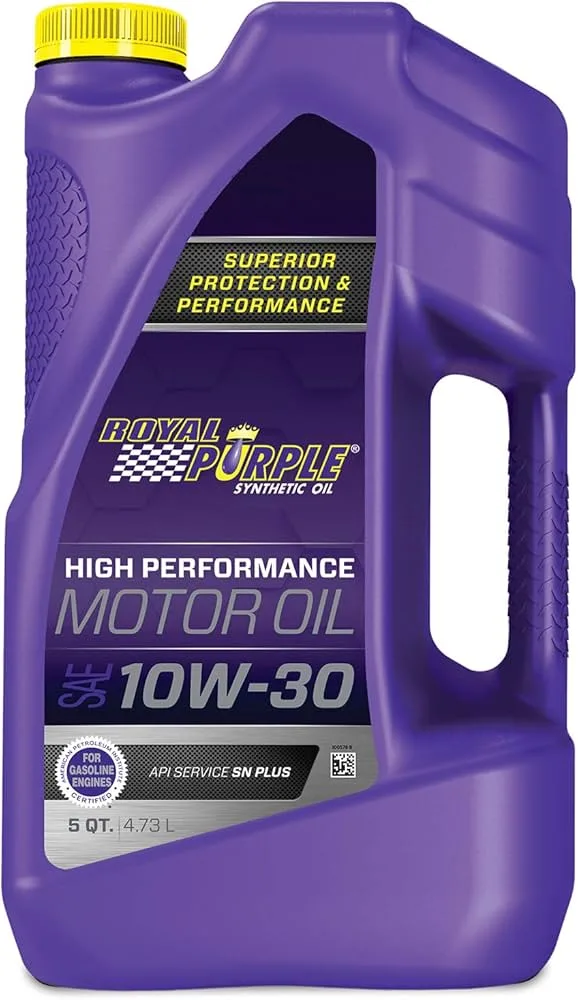
Royal Purple is another popular choice that delivers superior protection, especially for high-performance small engines. Its synthetic formula is known for reducing friction, which can lead to improved fuel efficiency and reduced heat buildup.
Features:
- Unique Synerlec additive technology for enhanced wear protection.
- Improved fuel efficiency due to reduced friction.
- Exceptional oxidation stability, preventing oil degradation.
Why It’s Great for Small Engines: Royal Purple’s ability to reduce heat and friction makes it an ideal choice for small engines that are often pushed to their limits. Lawn mowers, pressure washers, and other equipment can benefit from the reduced wear.
3. Castrol GTX Magnatec Full Synthetic 10W-30 Motor Oil
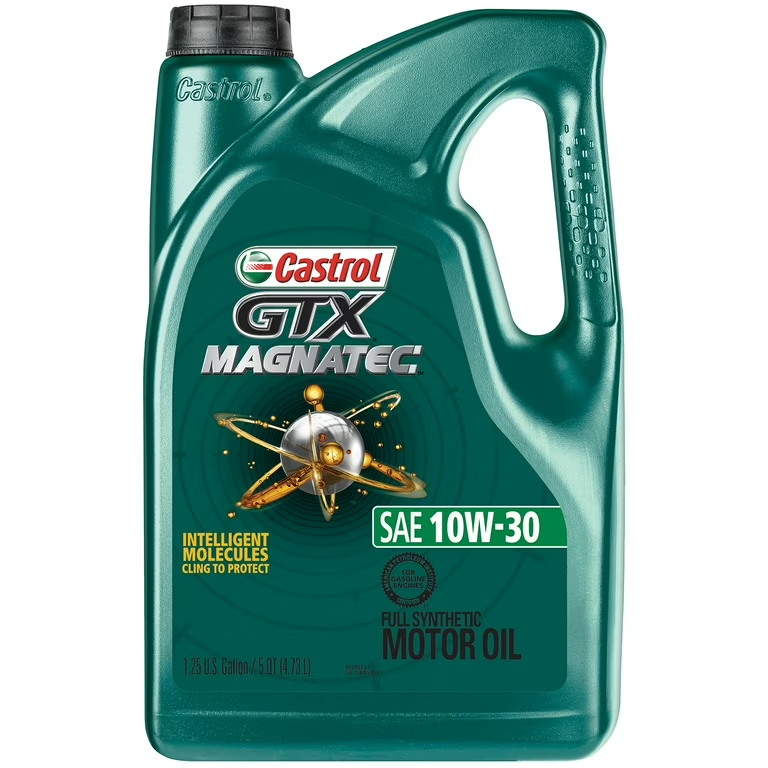
Castrol GTX Magnatec offers an innovative approach to engine protection with its magnetic molecules that cling to engine parts, offering continuous protection even during startup. Small engines, which often face frequent starts and stops, benefit significantly from this feature.
Features:
- Magnetic molecules provide instant protection from the moment you start the engine.
- Helps reduce wear during critical warm-up periods.
- Excellent temperature protection to keep your engine performing well.
Why It’s Great for Small Engines: Castrol GTX Magnatec is particularly useful for small engines that have numerous start-stop cycles, as it provides the extra protection needed during the vulnerable warm-up period.
4. Valvoline Advanced Full Synthetic SAE 10W-30 Motor Oil

Valvoline offers a full synthetic oil with advanced additives that help fight the four major causes of engine breakdown: wear, friction, heat, and deposits. This makes it a great option for small engines that may be used in tough conditions.
Features:
- Superior anti-wear additives for better engine protection.
- Enhanced detergents that keep the engine clean and reduce sludge.
- Excellent high-temperature protection.
Why It’s Great for Small Engines: Valvoline’s advanced synthetic formulation is ideal for small engines that require consistent protection, particularly in hot or heavy-use situations.
5. Amsoil Signature Series Synthetic 10W-30 Motor Oil
Amsoil is known for its top-of-the-line synthetic oils, and their Signature Series Synthetic 10W-30 is no exception. It provides maximum wear protection and helps small engines operate at peak efficiency.
Features:
- Outstanding viscosity control across a wide temperature range.
- Formulated to reduce oil consumption and maintain engine cleanliness.
- Excellent wear control for enhanced engine durability.
Why It’s Great for Small Engines: Amsoil’s Signature Series is perfect for small engines that endure heavy use, as it offers long-lasting lubrication and protects against the wear that comes with frequent, intensive operation.
How to Choose the Best 10W-30 Synthetic Oil for Your Small Engine
Choosing the right oil can depend on several factors, such as the type of equipment you are using, operating conditions, and your budget. Here are some key considerations:
1. Operating Conditions
Consider where and how you will be using your small engine. If you operate in extreme temperatures—either very hot or very cold—an oil with superior viscosity stability like Mobil 1 or Amsoil is ideal. For equipment that experiences frequent stop-and-start operation, consider Castrol GTX Magnatec for its excellent startup protection.
2. Engine Load and Usage
If your small engine is used heavily—for example, a generator running continuously during camping trips or a lawn mower for a large yard—choose an oil that provides enhanced protection against wear, such as Royal Purple or Valvoline Advanced Synthetic.
3. Maintenance Preferences
Some synthetic oils, like Mobil 1 Extended Performance, allow for longer intervals between oil changes, which can be convenient for those who want less frequent maintenance. However, always refer to your small engine manufacturer’s guidelines for recommended oil change intervals.
4. Budget
While synthetic oils can be more expensive than conventional oils, their long-term benefits often justify the price. Royal Purple and Amsoil are premium options that offer top-tier performance, while Valvoline provides excellent value for those looking for a budget-friendly option that doesn’t compromise on quality.
Benefits of Using 10W-30 Synthetic Oil in Small Engines
1. Better Engine Protection
Synthetic oils are engineered to reduce engine wear significantly. They contain fewer impurities compared to conventional oils and are less likely to form deposits that can clog the engine, ensuring that your equipment stays in good working order for longer.
2. Improved Fuel Efficiency
Using a high-quality synthetic oil like 10W-30 can improve the fuel efficiency of your small engine. The reduced friction provided by synthetic formulations means that less energy is wasted, and your engine operates more efficiently.
3. Longer Oil Change Intervals
One of the standout benefits of synthetic oil is the extended interval between oil changes. High-performance oils like those from Mobil 1 or Amsoil can go much longer without breaking down, saving time and reducing the hassle of frequent oil changes.
4. Enhanced Performance in Extreme Conditions
Small engines often face extreme working conditions, including high temperatures and heavy workloads. Synthetic 10W-30 oil is designed to handle these stresses far better than conventional oil, maintaining its protective qualities under conditions where other oils might fail.
Frequently Asked Questions (FAQs)
1. Can I use synthetic 10W-30 oil in all small engines?
Yes, synthetic 10W-30 oil is suitable for most small engines, but always check the manufacturer’s recommendations. Some older engines might have specific oil requirements.
2. How often should I change the synthetic oil in my small engine?
The interval can vary based on the engine type and usage, but generally, synthetic oils like Mobil 1 or Amsoil allow for longer intervals compared to conventional oils. Refer to your engine manual for the recommended schedule.
3. What is the difference between 10W-30 and other grades like 5W-30?
The main difference lies in viscosity. 10W-30 has a slightly thicker viscosity at lower temperatures compared to 5W-30. For small engines that don’t operate in extremely cold environments, 10W-30 is typically suitable.
4. Is synthetic oil better for my lawn mower engine?
Yes, synthetic oil is generally better for lawn mower engines as it offers superior wear protection, better performance in extreme temperatures, and helps keep the engine cleaner.
5. Can I mix synthetic oil with conventional oil in my small engine?
While it is technically possible to mix synthetic and conventional oils, it is not recommended. Mixing oils can dilute the performance benefits of synthetic oil and may affect engine protection.
Conclusion: Choosing the Best Synthetic 10W-30 for Your Needs
Selecting the right synthetic 10W-30 motor oil for your small engine is about balancing your specific needs, budget, and the type of equipment you have. From the longevity and reliability of Mobil 1 Extended Performance to the cutting-edge protection offered by Royal Purple and Amsoil, each oil on this list provides unique benefits to suit different scenarios.
Whether you’re maintaining a lawn mower, powering up a generator, or keeping a snow blower in top condition, choosing a high-quality synthetic motor oil is one of the best investments you can make in your small engine’s health and longevity. Always remember to follow your engine manufacturer’s recommendations and consider your typical operating conditions to get the best performance out of your machine.
For a smoother, more reliable performance and peace of mind, upgrading to a premium synthetic 10W-30 oil is a smart choice that pays off in the long run—keeping your small engine running like a dream, no matter the challenge.
Jeep Wrangler Headlights: Illuminate Your Adventure
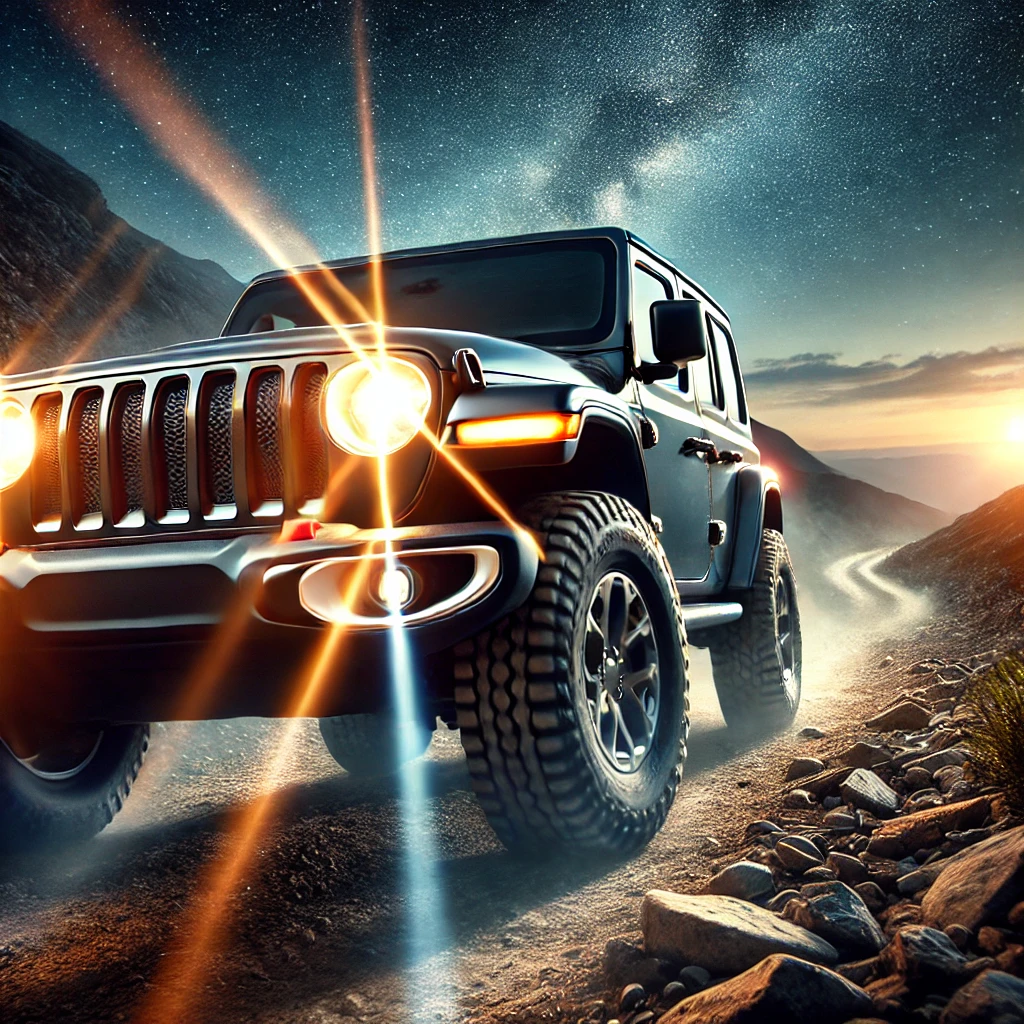
The Jeep Wrangler is renowned for its rugged durability and exceptional off-road capabilities, traits that make it a favorite among outdoor enthusiasts and adventure seekers. Yet, an often overlooked but equally crucial aspect of this iconic vehicle is its headlights. In the world of off-roading and rugged terrain exploration, visibility can mean the difference between a successful excursion and an unsafe situation. Jeep Wrangler headlights play a vital role in ensuring drivers can navigate safely in a variety of conditions, whether cruising city streets at night, traversing remote trails after sunset, or confronting challenging weather conditions like fog and heavy rain.
Effective lighting is not just a matter of convenience; it’s a fundamental safety feature. For Jeep Wrangler owners, who frequently push their vehicles to the limits in less-than-ideal lighting conditions, the importance of having robust and reliable headlights cannot be overstated. This blog post is dedicated to unpacking the nuances of Jeep Wrangler headlights. We will explore the different types available, from halogen to LED and HID, discuss what makes each option suitable for various driving needs, and provide insightful tips on how to choose, upgrade, and maintain headlights to enhance both performance and style. Whether you’re looking to replace aging bulbs, upgrade for enhanced brightness and visibility, or simply add a personalized touch to your vehicle’s appearance, understanding the specifics of Jeep Wrangler headlights is the first step towards optimizing your driving experience for safety and efficiency.
Understanding the Basics: Jeep Wrangler Headlight Types
Jeep Wranglers typically come equipped with halogen headlights, but many owners opt to upgrade to either LED or HID (High-Intensity Discharge) options for improved visibility and efficiency. Here’s a breakdown of the three main types of headlights you’ll find in Jeep Wranglers:
Halogen
- Pros: Cost-effective, easy to replace, and provide decent visibility.
- Cons: Shorter lifespan and less efficient in terms of brightness and energy consumption compared to LEDs and HIDs.
LED (Light Emitting Diode)
- Pros: Highly energy-efficient, very long lifespan, and provides excellent visibility with a clean, white light.
- Cons: More expensive upfront, but cost savings in the long run due to lower energy use and less frequent replacements.
HID (High-Intensity Discharge)
- Pros: Produce a bright light that’s closer to natural daylight than halogen bulbs and are more energy-efficient than halogens.
- Cons: Can be more expensive than LEDs and halogens, and installation might require some modifications to your Jeep.
Choosing the Right Headlights for Your Jeep Wrangler
When deciding which headlights to install in your Jeep Wrangler, consider the following factors:
- Visibility Needs: How and where do you use your Jeep? If you frequently drive at night or in challenging weather conditions, brighter LEDs or HIDs might be a better choice.
- Budget: Determine how much you are willing to spend. While LEDs and HIDs have a higher upfront cost, their longer lifespan and energy efficiency can provide savings over time.
- Aesthetics: Headlights significantly affect the appearance of your Jeep. LEDs offer a modern look, while HIDs can give it a high-performance edge.
- Legal Requirements: Check local regulations regarding headlight types. Some regions have specific rules about the brightness and the type of headlights allowed.
Upgrading Your Jeep Wrangler Headlights
Upgrading the headlights on your Jeep Wrangler can enhance both the vehicle’s functionality and its look. Here’s how to go about it:
Step-by-Step Installation Guide
- Choose Your Headlights: Select the type based on your needs and budget.
- Gather Tools: Typically, you’ll need basic hand tools like screwdrivers and possibly a torque wrench.
- Remove the Old Headlights: This usually involves unscrewing the housing and disconnecting the power connector.
- Install the New Headlights: Connect the new headlights to the power source, secure them in place, and ensure they are aligned properly.
- Test Your Headlights: Make sure they are working correctly and adjust the beam angles for optimal visibility and to avoid blinding other drivers.
Professional Installation
If you’re not comfortable doing the installation yourself, it’s wise to hire a professional. This ensures that your headlights are installed correctly and safely, avoiding any potential issues down the road.
Maintaining Your Jeep Wrangler Headlights
Maintaining your headlights should be an essential part of your regular vehicle care routine, as they play a pivotal role in ensuring safety and visibility on the road. Whether you’re driving through dimly lit streets, navigating through heavy rain or fog, or tackling off-road adventures in challenging terrain, your headlights are your first line of defense against potential hazards. Well-maintained headlights not only illuminate the path ahead but also make your vehicle more visible to others, reducing the risk of accidents in low-light or adverse weather conditions. Neglecting their upkeep can lead to dim or misaligned lights, which compromise your ability to see and react to obstacles or changes in road conditions, making regular maintenance crucial for both safety and efficiency. By prioritizing headlight care, you ensure a safer and more reliable driving experience every time you hit the road.
Regular Cleaning
Over time, headlights can become clouded with dirt, dust, and road grime, significantly reducing their effectiveness. Regular cleaning of the headlight lenses can prevent buildup and ensure maximum light output. Use a quality cleaner designed for headlight lenses to remove debris without scratching or damaging the surface. For deeper cleans, especially if the headlights show signs of yellowing or oxidation, consider using a headlight restoration kit or professional service to bring back clarity.
Routine Bulb Checks and Replacement
Headlight bulbs can burn out or diminish in intensity over time, so it’s important to check them regularly for signs of wear or failure. Keeping an eye on the brightness of your headlights can help you determine when they need to be replaced. For vehicles equipped with halogen bulbs, replacements might be needed more frequently compared to those with longer-lasting LED or HID bulbs. Always replace headlights in pairs to ensure balanced visibility.
Proper Alignment
Misaligned headlights can impair your vision and potentially blind oncoming drivers. Headlights can become misaligned from impacts, vibrations, or even just the wear and tear of regular driving. Check the alignment of your headlights if you notice uneven lighting on the road or if your vehicle has been involved in an accident. You can adjust most headlights yourself using simple tools and following the manufacturer’s guidelines, or you can opt for a professional alignment to ensure accuracy.
Protective Measures
Consider applying a UV-resistant sealant to your headlight lenses to protect them from sun damage and oxidation. This can extend the life of the lens and maintain clarity. Additionally, installing grille guards or headlight guards can protect your headlights from physical impacts, which is especially useful for off-road driving where the risk of debris and minor collisions is higher.
By adopting these maintenance practices, you ensure that your Jeep Wrangler’s headlights remain in optimal condition, providing you with the best possible visibility in all conditions. Regular attention not only enhances your nighttime driving experience but also maintains the overall aesthetic appeal of your Jeep, keeping it looking sharp and functioning well.
Conclusion
Upgrading your Jeep Wrangler’s headlights can significantly enhance your driving experience by improving both visibility and safety, especially during nighttime driving or in adverse weather conditions. Choosing the right type of headlights—whether LEDs for their efficiency and longevity, HIDs for their powerful illumination, or standard halogens for their cost-effectiveness—plays a crucial role in enhancing your vehicle’s performance. Each option offers unique benefits, such as LEDs’ energy efficiency and long lifespan, HIDs’ intense brightness which is ideal for rural and off-road environments, and halogens’ straightforward replacement and affordability.
Aside from boosting safety, upgrading your headlights also refreshes your Jeep’s appearance, adding a sleek, modern look that can increase its aesthetic appeal and potentially its resale value. To get started, assess your specific driving conditions and needs, then explore the various headlight options available at your local Jeep accessories store or consult with a professional for tailored advice. This upgrade is not just about achieving a stylish look—it’s about making a smart investment in your Jeep’s functionality and your own safety on the road.
Illuminate your adventures with the right Jeep Wrangler headlights and turn the night into day as you explore the world in your rugged ride!
The 2024 Jeep Wrangler Sport RHD

The 2024 Jeep Wrangler Sport RHD (Right-Hand Drive) perfectly embodies the spirit of adventure with its rugged design and advanced features tailored for right-hand driving nations and specialized needs like mail delivery. In Simi Valley, the Wrangler is more than just a vehicle; it symbolizes a lifestyle of exploration and resilience, making it an essential part of the community for both daily tasks and adventurous escapades.
The varied terrain of Simi Valley, from urban areas to rugged mountain trails, makes the Wrangler Sport RHD a superb choice for those who value versatility and reliability. Its right-hand drive configuration is ideal for specific professional applications, ensuring comfort and efficiency, while its robust off-road capabilities invite residents to explore the great outdoors with confidence.
Residents of Simi Valley who are drawn to the Jeep lifestyle appreciate the Wrangler’s ability to navigate both city streets and challenging landscapes effortlessly. For more information on how the Jeep Wrangler Sport RHD can support your adventures, visit Simi Valley Chrysler Dodge Jeep Ram and discover the perfect blend of practicality and excitement that this Jeep offers.
Unmatched Capability and Design
Performance Engineered for Adventure
The 2024 Jeep Wrangler Sport RHD is equipped with a powerful 3.6-liter V6 engine, known for its robust performance and reliability. Paired with an eight-speed automatic transmission, it offers an efficient, smooth driving experience whether on the bustling streets of Simi Valley or the rugged terrains surrounding the area.
Customization at Its Core
Jeep understands that no two drivers are the same, and the Wrangler Sport RHD respects this individuality by offering extensive customization options. Owners can choose from various top designs, wheel options, and exterior colors. Each modification enhances not only the vehicle’s aesthetic but also its functionality, allowing every owner to build their perfect adventure companion.
Rugged Yet Refined Interior
Inside, the Wrangler Sport RHD combines rugged utility with modern comforts. The vehicle features a state-of-the-art infotainment system that supports both Apple CarPlay and Android Auto, ensuring connectivity and entertainment on the go. High-quality materials and detailed craftsmanship provide a comfortable and durable cabin, ideal for both daily commutes and intense off-roading.
Tailored for the Trails of Simi Valley
Simi Valley offers a unique blend of urban and natural landscapes, making it a prime location for Jeep enthusiasts. The geographical diversity from streets to trails demands a vehicle that can seamlessly adapt to varying environments.
Superior Off-Road Technology
The Wrangler Sport RHD comes equipped with Jeep’s advanced 4×4 systems, ensuring unmatched traction and stability across all types of terrain. Features like skid plates and tow hooks are not just add-ons but necessities for the kind of off-roading adventures that Simi Valley’s terrain offers.
Safety Without Compromise
Jeep does not take safety lightly, especially when designing vehicles capable of taking on challenging environments. The Wrangler includes advanced safety features such as blind-spot monitoring, rear cross-path detection, and a robust frame that provides peace of mind, whether navigating the wilds or the roads of Simi Valley.
Community and Lifestyle Integration
In Simi Valley, the Jeep Wrangler transcends its role as just another vehicle; it becomes an integral part of the community’s fabric. Renowned for its rugged versatility, the Wrangler is the quintessential companion for those who thrive on exploration and adventure. Its ability to adeptly navigate both the serene streets and the more demanding dirt trails of Simi Valley makes it a favorite among local outdoor enthusiasts.
Cultural Fit
In Simi Valley, Jeep clubs and community off-roading events form the cornerstone of the local culture. These gatherings are more than just opportunities to explore the great outdoors; they serve as social and educational experiences where Wrangler owners exchange tips, share trail stories, and deepen their bonds. The Jeep Wrangler Sport RHD, with its right-hand drive configuration, plays a vital role in enhancing this vibrant culture. It provides a reliable and capable tool that not only brings people together but also helps forge a strong community spirit centered around a shared passion for adventure.
The presence of the Wrangler at these events is a testament to its iconic status and the sense of belonging it fosters among enthusiasts. Whether it’s a seasoned off-roader or a newcomer eager to experience the thrill of the trail, the Wrangler community is welcoming and inclusive, united by their rugged vehicle of choice.
Economic Sense
Choosing a Jeep Wrangler is not only a nod to a lifestyle of adventure but also a sound economic decision for Simi Valley residents. Known for its durability and robustness, the Wrangler is built to withstand the challenges of time and terrain. This resilience translates into a strong resale value, making the Wrangler a prudent investment in a market that values capability and reliability. The economic advantage of owning a Wrangler is significant; it retains its value better than many other vehicles, ensuring that owners can see a return on their investment should they ever choose to sell.
Moreover, the Wrangler’s reputation for reliability means that maintenance costs are predictable, and the widespread availability of parts and knowledgeable service providers in Simi Valley makes upkeep convenient and affordable. This combination of durability, value retention, and low maintenance cost makes the Wrangler a financially sensible choice for anyone looking to purchase a vehicle that is both an everyday driver and a weekend warrior.
Why Simi Valley and the Wrangler are a Perfect Match
Simi Valley, with its striking blend of rolling hills, wide open spaces, and urban encroachment, is a prime locale for those who thrive on versatility and adventure, making it an ideal setting for the Jeep Wrangler Sport RHD. This vehicle’s robust construction and flexible performance capabilities mirror the dynamic landscape of the area, providing an indispensable tool for both daily tasks and more thrilling pursuits.
Embracing the Landscape
The scenic routes that wind through Simi Valley are more than just roads; they are invitations to explore. With vistas of the Santa Susana Mountains and access to numerous trails leading into more rugged terrains like Rocky Peak Park, the area beckons to those with a zest for outdoor activities. Here, the Jeep Wrangler Sport RHD’s superior handling and off-road capabilities come into their own. Whether navigating steep climbs, rocky descents, or streams that cross under forested trails, the Wrangler ensures a safe, exhilarating experience. Its ability to adapt to diverse conditions—from muddy paths to dry, sandy dunes—makes it the ultimate companion for the varied landscapes of Simi Valley.
A Tool for Every Task
Beyond the call of the wild, the Jeep Wrangler Sport RHD serves practical daily needs with the same level of competence. In a community where activities like hiking, biking, and equestrian pursuits are common, having a vehicle that can haul gear, tow trailers, and transition seamlessly from city streets to remote areas is invaluable. The Wrangler’s ample cargo space, towing capacity, and easy-to-clean interiors are designed for those who lead an active lifestyle. Whether it’s carrying groceries, sports equipment, or camping gear, the Wrangler is configured to handle it all efficiently.
Conclusion: The Call of the Wild
The 2024 Jeep Wrangler Sport RHD is not just built for the road less traveled, but for the next adventure waiting around the corner in Simi Valley. It represents freedom, capability, and the joy of driving something that is robust, reliable, and ready to face whatever comes its way. For those in Simi Valley looking to embrace the outdoor lifestyle, there’s no better companion than the Wrangler Sport RHD.
If you’re ready to discover more and see why the Jeep Wrangler is the choice for Simi Valley adventurers, visit Simi Valley Chrysler Dodge Jeep Ram to find your next vehicle or schedule a test drive. Embrace your adventurous spirit with the Jeep Wrangler Sport RHD and never look back.
Stay tuned to our blog for more insights into how to maximize your Jeep experience and stories from local enthusiasts who make the most out of their Wranglers every day.
Dodge Durango Life Expectancy
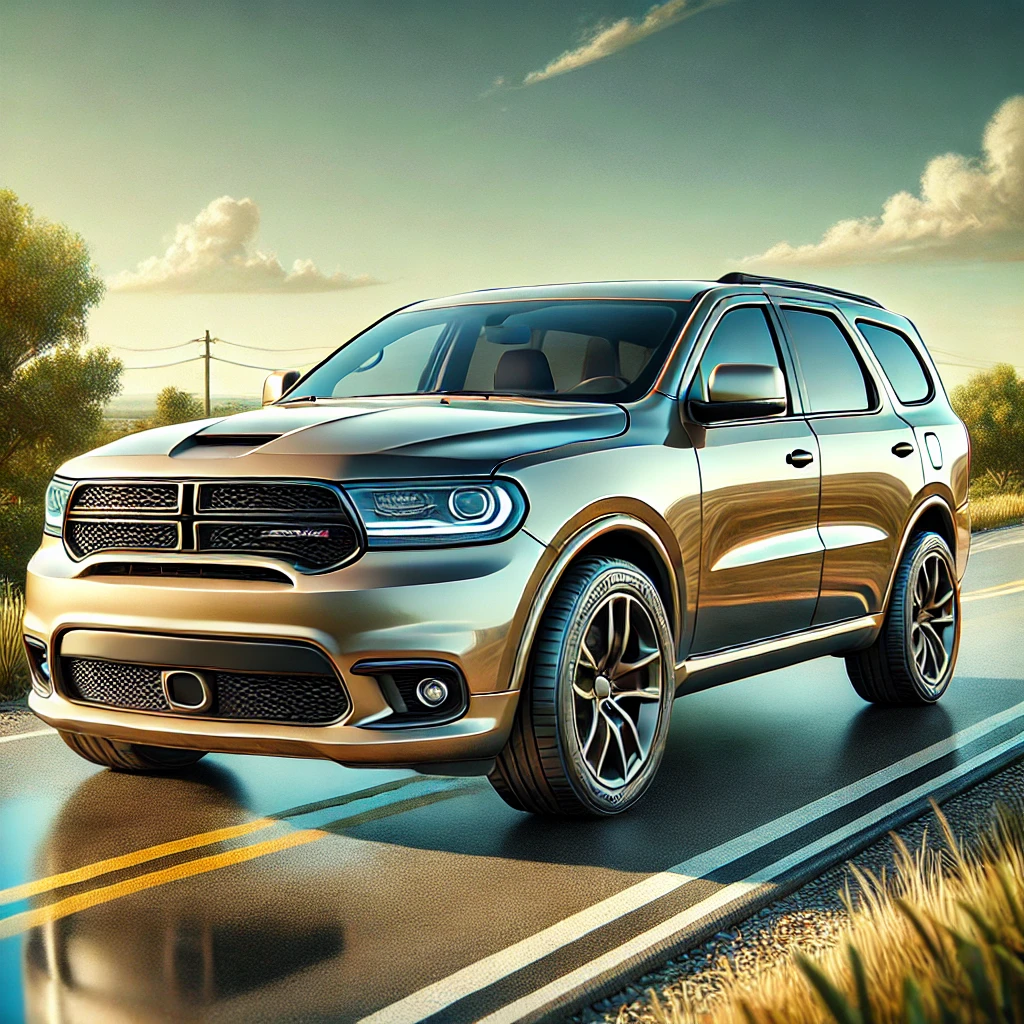
How Long Can Your Durango Last
The Dodge Durango is a powerful, versatile SUV designed to provide a smooth driving experience, excellent towing capacity, and ample interior space for families and adventure seekers. One of the most important factors that potential buyers and current owners consider when owning a vehicle is its life expectancy. How long can your Dodge Durango last? What can you do to ensure that it remains in top condition throughout its life?
In this detailed guide, we will dive deep into the Dodge Durango’s life expectancy, what affects how long it lasts, the common issues that might shorten its lifespan, maintenance tips, and more. By the end, you will have a clearer understanding of how to maximize the lifespan of your Durango and keep it running smoothly for many years to come.
1. Dodge Durango Life Expectancy: What to Expect
How Long Will a Dodge Durango Last?
The Dodge Durango is known for its solid build, reliability, and long-lasting performance. On average, a well-maintained Dodge Durango can last anywhere from 150,000 miles to 300,000 miles, depending on several factors like driving habits, climate, and maintenance routines.
If properly maintained, some owners report their Durangos lasting well over 300,000 miles. However, reaching this milestone requires diligent care, regular servicing, and being proactive about addressing minor issues before they become significant problems.
What Affects the Life Expectancy of a Dodge Durango?
There are a number of factors that can influence how long your Dodge Durango lasts. Let’s break them down:
1.1. Maintenance and Regular Servicing
Routine maintenance is the number one factor in determining how long your Durango will last. Regular oil changes, brake inspections, tire rotations, and fluid flushes all play a critical role in ensuring your vehicle performs at its best.
Neglecting scheduled maintenance can cause significant damage to your engine, transmission, and other critical components, leading to a reduced lifespan. Conversely, keeping up with maintenance can help your Durango reach its full potential in terms of lifespan.
1.2. Driving Habits
Driving style has a significant impact on the lifespan of your Durango. Vehicles that are driven aggressively — with rapid acceleration, hard braking, and high-speed driving — tend to wear out quicker. On the other hand, maintaining smooth, steady driving habits can help reduce wear and tear on your Durango’s components.
Frequent short trips, especially in cold weather, can also take a toll on the engine, as the engine may not reach its optimal temperature, causing premature wear.
1.3. Climate and Environment
The climate in which you drive your Durango also plays a huge role in its life expectancy. Vehicles in hotter climates are more prone to overheating, while colder climates can contribute to battery issues, corrosion, and more wear on the drivetrain.
If you live in a snowy region, exposure to road salt can cause rust and corrosion on the undercarriage of the Durango. Regular washing of the vehicle and applying protective coatings to prevent rust can help extend the lifespan in these areas.
1.4. Driving Conditions and Usage
If you frequently tow heavy loads or take your Durango off-road, the engine and drivetrain will experience more strain. This can reduce the lifespan of these components. While the Durango is built for towing and off-road adventures, excessive use can still contribute to wear.
Similarly, if your Durango is used for commercial purposes (e.g., as a work vehicle), it will experience more wear and tear than a typical family car.

2. Common Issues That Can Impact the Life of the Dodge Durango
2.1. Transmission Problems
The Dodge Durango is generally considered reliable, but one common issue that some owners experience is related to the transmission. Problems with the transmission can range from delayed shifting to slipping gears. While this issue is not universal, regular maintenance, including fluid checks and changes, can help extend the life of the transmission.
2.2. Engine Oil Leaks
Oil leaks are another common issue, often occurring around the valve covers or oil pan. Keeping the engine sealed and performing regular oil checks can help prevent these issues. Leaking oil can lead to poor lubrication of the engine, causing it to overheat and experience accelerated wear.
2.3. Suspension Wear
The Durango’s suspension system is robust, but if not properly maintained, it can experience premature wear. Shocks and struts may need replacement after several years of use, especially if the vehicle is frequently driven on rough roads or carrying heavy loads. Keeping the suspension system in good shape ensures better handling and safety.
2.4. Electrical Issues
Some owners report problems with the electrical system, such as malfunctioning sensors, faulty alternators, or dead batteries. While these issues are not necessarily a sign of poor vehicle quality, regular electrical inspections and battery maintenance can help prevent unexpected issues and ensure the longevity of your vehicle’s electrical components.
2.5. Fuel Economy Decline
As the Durango ages, some owners may notice a decline in fuel efficiency. This can be attributed to engine wear, dirty fuel injectors, or clogged air filters. Regular maintenance and replacing worn-out components can help keep fuel efficiency at optimal levels.
3. How to Extend the Life of Your Dodge Durango
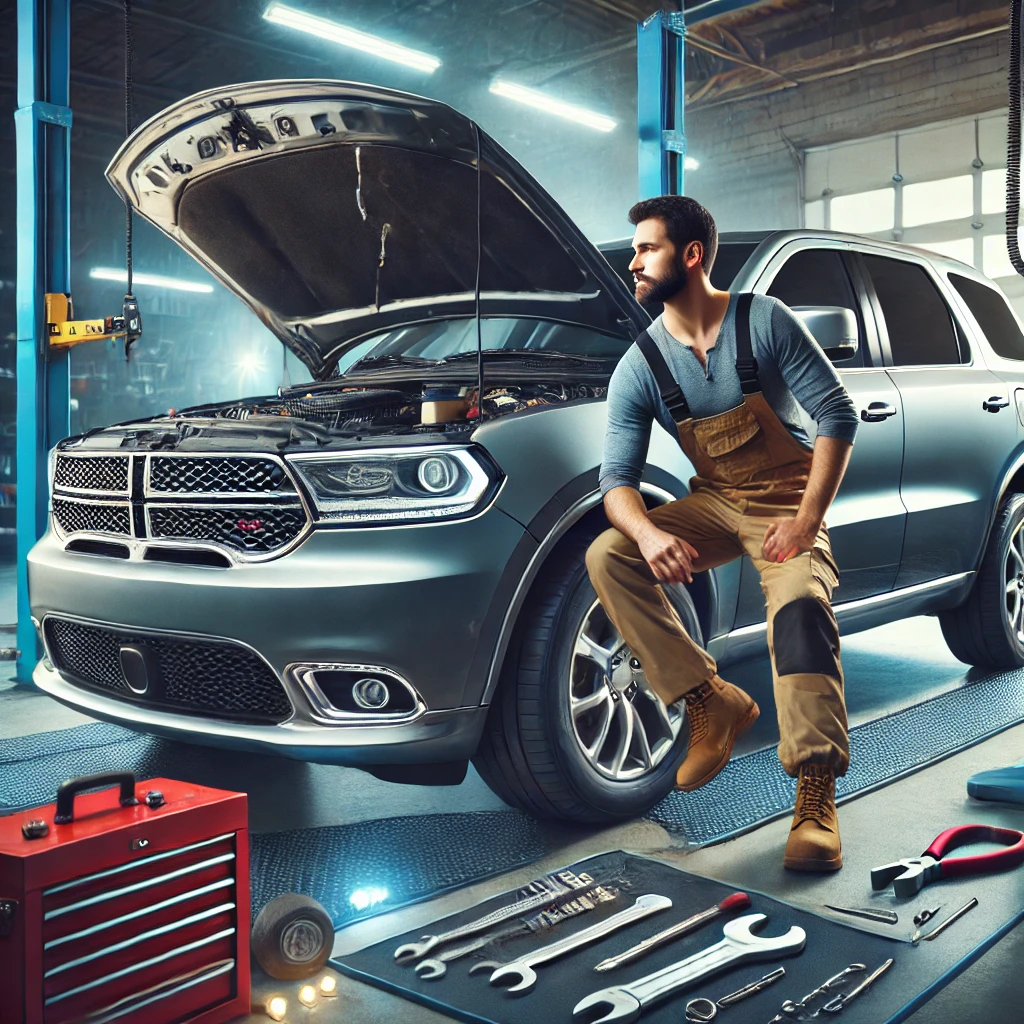
If you want to get the most out of your Dodge Durango, here are some important tips to help extend its lifespan:
3.1. Follow the Manufacturer’s Maintenance Schedule
The Dodge Durango comes with a recommended maintenance schedule that helps ensure the vehicle performs optimally. Regular oil changes, tire rotations, fluid checks, and other key services should be completed on time to avoid premature engine wear and other issues.
3.2. Drive Responsibly
Avoid aggressive driving behaviors like hard braking, rapid acceleration, and excessive speeding. Also, be mindful of the weight you’re towing or hauling, as overloading the vehicle can put unnecessary strain on the engine and transmission.
3.3. Keep It Clean
Regularly washing your Durango, especially in regions with harsh weather conditions, helps protect the paint and undercarriage from rust and corrosion. Clean your vehicle’s wheels, brakes, and suspension to prevent salt buildup, dirt, and grime that can cause wear over time.
3.4. Check Tire Pressure and Alignment
Maintaining the proper tire pressure and alignment not only improves fuel efficiency but also ensures that your Durango handles properly. Misaligned tires and underinflated tires can lead to uneven tire wear and affect vehicle handling.
3.5. Use High-Quality Parts and Fluids
When replacing parts or fluids, always opt for high-quality, OEM (original equipment manufacturer) components. Using subpar parts can lead to poor performance, further wear, and costly repairs.
4. Conclusion
The Dodge Durango is a durable and reliable SUV that can provide years of service if properly maintained. On average, with regular care, your Durango can last anywhere between 150,000 to 300,000 miles. However, to maximize its lifespan, owners should stay proactive with maintenance, adopt responsible driving habits, and address issues as soon as they arise.
Whether you’re using it for daily commutes, long road trips, or heavy-duty tasks, keeping your Durango in top condition will ensure that you continue to enjoy its performance and utility for many years to come.
Links for More Information
For more information on the Dodge Durango, including maintenance tips and expert advice, visit the following:
15 FAQs (Frequently Asked Questions) about the Dodge Durango Life Expectancy:
1. How long can a Dodge Durango last?
A well-maintained Dodge Durango can last anywhere between 150,000 to 300,000 miles or more. With proper care, some owners report their Durangos lasting over 300,000 miles.
2. What factors affect the life expectancy of a Dodge Durango?
Several factors impact the lifespan of a Durango, including maintenance, driving habits, climate, and the conditions under which the vehicle is used.
3. How often should I change the oil in my Dodge Durango?
It is recommended to change the oil in your Dodge Durango every 3,000 to 7,500 miles, depending on the type of oil used and driving conditions. Always follow the manufacturer’s guidelines.
4. Can aggressive driving reduce the life of a Dodge Durango?
Yes, aggressive driving, such as rapid acceleration, hard braking, and excessive speeding, can cause increased wear on the engine, transmission, and suspension components, reducing the overall lifespan of the vehicle.
5. What are common problems with the Dodge Durango?
Some common issues with the Dodge Durango include transmission problems, engine oil leaks, suspension wear, electrical issues, and fuel economy decline over time.
6. How can I make my Dodge Durango last longer?
To extend the life of your Durango, follow the maintenance schedule, drive responsibly, avoid overloading the vehicle, and keep up with regular service checks.
7. What type of maintenance does a Dodge Durango need?
Routine maintenance includes oil changes, tire rotations, brake inspections, fluid checks, and timing belt replacements at recommended intervals.
8. How can I prevent rust on my Dodge Durango?
Regular washing, especially during winter months, and applying rust inhibitors can prevent rust buildup. Be sure to clean the undercarriage to remove road salt.
9. What’s the best way to care for my Durango’s transmission?
To care for your Durango’s transmission, check fluid levels regularly, change the fluid and filter per the manufacturer’s schedule, and avoid harsh driving, especially towing heavy loads frequently.
10. How often should I replace the brakes on my Dodge Durango?
Brake pads typically need replacing every 30,000 to 70,000 miles, but it can vary depending on your driving style. Always listen for squealing noises and check the pads regularly.
11. Does the Dodge Durango have a good resale value?
The Dodge Durango retains a good resale value, especially when maintained well. Regular servicing and keeping the car in good condition can help increase its value when selling.
12. What is the fuel economy of a Dodge Durango?
The fuel economy of a Dodge Durango varies by model year and engine type, but on average, it gets around 18 MPG in the city and 25 MPG on the highway for newer models.
13. How can I improve the fuel economy of my Dodge Durango?
To improve fuel economy, keep the vehicle well-maintained, keep tires inflated to the correct pressure, drive at moderate speeds, and reduce idling time.
14. Are there any specific issues with the Dodge Durango’s electrical system?
Some Dodge Durango owners report electrical issues, such as malfunctioning sensors, faulty alternators, or issues with the battery. Regular battery checks and inspections can help avoid major electrical failures.
15. Is the Dodge Durango good for towing?
Yes, the Dodge Durango is known for its excellent towing capacity, especially when equipped with the available towing package. Depending on the trim, the Durango can tow anywhere from 6,200 to 8,700 pounds.
These FAQs can guide Durango owners and potential buyers in understanding the longevity, maintenance needs, and common issues associated with the vehicle.

Understanding Its Durability, Maintenance, and Key Factors
The Dodge 4.7-liter engine has earned a strong reputation for reliability and decent performance over the years. Found in several popular models such as the Dodge Dakota, Dodge Durango, and Jeep Grand Cherokee, this engine has become a staple for many vehicle owners who appreciate its balance of power and efficiency. The 4.7-liter engine is known for its durability, but like any vehicle engine, its lifespan is influenced by a variety of factors that include driving habits, maintenance practices, and external conditions. While this engine is built to last, understanding these factors and how they impact longevity can help you get the most out of your Dodge 4.7 engine.
In this article, we’ll take a detailed look at the life expectancy of the Dodge 4.7 engine, analyzing the key elements that influence how long the engine will last. We will also explore the maintenance routines that can maximize the engine’s lifespan and discuss common issues owners may face along the way. Whether you’re an experienced Dodge enthusiast or a first-time owner of a vehicle with the 4.7 engine, knowing how to properly care for your engine can make a significant difference in its longevity and overall performance.
1. The Dodge 4.7 Engine Overview
The Dodge 4.7 engine is a part of the Chrysler PowerTech engine family and was introduced in the late 1990s as a replacement for the older 318 V8 engine. This engine is an all-aluminum, overhead valve (OHV) engine that features a 90-degree V8 configuration. Initially, it was available in both 2WD and 4WD configurations, making it versatile for various types of vehicles.
Over the years, the 4.7L engine was updated and refined to improve performance, fuel efficiency, and reliability. Its design and performance characteristics made it an attractive choice for a wide variety of vehicles, from trucks and SUVs to off-road vehicles. In terms of performance, the Dodge 4.7 engine offers anywhere between 230 and 300 horsepower, depending on the model year and whether it is the standard version or the high-output variant (4.7L HO).
Despite being discontinued in 2009, the Dodge 4.7 engine continues to have a strong presence in the automotive market due to its performance and longevity when maintained correctly.
2. Dodge 4.7 Engine Life Expectancy: How Long Can It Last?

On average, the Dodge 4.7 engine can last anywhere between 200,000 to 300,000 miles if maintained properly. With routine care and attention, it is possible for this engine to exceed 300,000 miles, especially if it is driven gently and regularly serviced. However, several factors influence how long the engine will last, and understanding these variables can help you ensure that your Dodge 4.7 engine performs well over its lifespan.
Factors That Affect the Life Expectancy of the Dodge 4.7 Engine:
- Driving Habits: How you drive your vehicle has a significant impact on the engine’s lifespan. Aggressive driving, such as speeding, hard acceleration, and rapid deceleration, can cause more strain on the engine, leading to premature wear and tear. On the other hand, smooth driving and avoiding excessive idling will reduce stress on the engine and help prolong its life.
- Maintenance and Servicing: Regular maintenance is one of the most crucial factors in determining the life expectancy of the Dodge 4.7 engine. Keeping up with routine oil changes, replacing filters, checking coolant levels, and monitoring the timing chain and valve lifters can make a significant difference. Neglecting basic maintenance tasks such as oil changes can lead to poor lubrication, which can cause the engine components to wear out much faster.
- Driving Conditions: The conditions under which the engine operates can also impact its longevity. For example, if you primarily drive in harsh environments (such as extreme heat, heavy traffic, or on rough, off-road terrain), the engine may experience additional wear. On the other hand, if your driving conditions involve mostly highway driving with few short trips, the engine may last longer.
- Quality of Parts and Fluids: The quality of the engine parts, fluids, and oils you use plays a vital role in its lifespan. Using high-quality, manufacturer-recommended fluids and parts ensures optimal performance and protection for the engine. Using poor-quality oils or aftermarket parts that do not meet the engine’s specifications can lead to inefficiency, potential damage, and a decrease in lifespan.
- Timely Repairs: Addressing minor issues before they become major problems is essential in ensuring the longevity of your engine. If the engine starts showing signs of trouble, such as knocking sounds, misfires, or reduced power, it’s important to have it checked immediately. Delaying repairs can lead to more serious engine damage, drastically reducing the engine’s life expectancy.
3. Common Issues That Can Impact the Life of the Dodge 4.7 Engine
While the Dodge 4.7 engine is generally reliable, there are a few common issues that could potentially shorten its life expectancy. Some of these issues may be inevitable, while others can be avoided through regular maintenance.

- Timing Chain Tensioner Issues: One of the most common problems reported by Dodge 4.7 owners is the failure of the timing chain tensioner. This component is responsible for keeping the timing chain tight, which is critical for proper engine function. When the tensioner fails, it can lead to a slipping timing chain, which can result in engine misfires or even severe engine damage if not addressed promptly.
- Oil Leaks: Over time, seals and gaskets in the Dodge 4.7 engine can begin to degrade, leading to oil leaks. Common leak points include the valve covers, oil pan, and rear main seal. While oil leaks may seem like a minor issue, they can lead to low oil levels, which in turn can cause engine damage and decrease the engine’s life expectancy.
- Overheating: Overheating is a common issue in older engines, and the Dodge 4.7 is no exception. If the engine is not properly maintained, the radiator can clog, the water pump can fail, or the thermostat can become stuck, leading to overheating. Prolonged overheating can cause significant damage to the engine, including warped cylinder heads, blown head gaskets, and cracked engine blocks.
- Fuel System Problems: The fuel system in the Dodge 4.7 engine, like any other engine, can develop issues over time. Clogged fuel injectors, a failing fuel pump, or a dirty fuel filter can cause poor engine performance, reduced fuel efficiency, and increased wear on engine components.
- Excessive Carbon Buildup: Carbon buildup in the intake system, valve components, and pistons can occur if the engine is not regularly serviced or if it runs on poor-quality fuel. Carbon buildup can affect the engine’s efficiency, cause misfires, and contribute to premature engine wear.
4. Maximizing the Life of Your Dodge 4.7 Engine: Tips for Longevity
Now that we know the factors affecting the life expectancy of the Dodge 4.7 engine and the common issues it may face, here are some tips to help maximize the engine’s lifespan:
- Regular Oil Changes: Regular oil changes are the most critical part of engine maintenance. Make sure to follow the manufacturer’s recommendation for oil change intervals and always use high-quality, recommended oil. Fresh oil ensures proper lubrication of engine parts, reducing friction and preventing overheating.
- Monitor Engine Temperature: Always keep an eye on the engine’s temperature gauge. If you notice it running hot, pull over and let the engine cool down. Fix any overheating issues promptly to avoid long-term damage.
- Check and Replace Timing Chain Tensioner: If you notice a rattling sound coming from the engine, particularly when starting the vehicle, it could be a sign of a timing chain tensioner issue. Having the tensioner inspected and replaced before it causes serious damage is essential for the health of the engine.
- Inspect and Replace Gaskets and Seals: Regularly inspect gaskets and seals for signs of wear or leaks. Replacing them promptly can prevent oil loss and keep the engine in optimal working condition.
- Use High-Quality Fuel and Filters: Always use high-quality fuel and replace fuel filters as recommended by the manufacturer. A clean fuel system is essential for smooth engine performance and longevity.
- Drive Gently: Avoid aggressive driving, excessive idling, or rapid acceleration. Gentle driving reduces stress on the engine, helping it last longer.
- Regular Maintenance and Inspections: Keep up with routine maintenance and get the engine inspected by a mechanic if you notice anything unusual. Early detection of problems can save you money and extend the engine’s life.
5. Conclusion
The Dodge 4.7 engine is a durable and reliable powertrain, but its life expectancy depends heavily on how well it is maintained. With proper care, the Dodge 4.7 engine can easily reach 200,000 miles or more. Regular oil changes, addressing common issues like timing chain tensioner failures, and monitoring the engine’s performance are essential to keeping it running for the long haul. If you’re proactive about maintenance and take good care of your engine, your Dodge 4.7 engine can provide many years of reliable service, making it a valuable asset for your vehicle.
By understanding the factors that influence the lifespan of the Dodge 4.7 engine and adopting the right maintenance practices, you can ensure that your engine continues to perform at its best for hundreds of thousands of miles.
(FAQs) about the Dodge 4.7 engine
1. What is the life expectancy of the Dodge 4.7 engine?
The Dodge 4.7 engine can last anywhere between 200,000 to 300,000 miles with proper maintenance, and in some cases, it can even exceed 300,000 miles with the right care.
2. How often should I change the oil in my Dodge 4.7 engine?
For optimal performance, it’s recommended to change the oil every 3,000 to 5,000 miles. Using high-quality oil and changing it regularly is essential to extending the engine’s lifespan.
3. What are some common problems with the Dodge 4.7 engine?
Common problems include timing chain tensioner failure, oil leaks, overheating, carbon buildup, and fuel system issues. Regular maintenance can help mitigate these issues.
4. How can I extend the life of my Dodge 4.7 engine?
To extend the life of your engine, ensure regular oil changes, avoid aggressive driving, inspect for leaks, keep the engine cool, and use high-quality fuel.
5. Can I use regular oil or should I use synthetic oil in the Dodge 4.7 engine?
It’s best to use synthetic oil or high-mileage oil for better protection, but if the engine has been running on conventional oil, it can still be used. Always refer to the manufacturer’s specifications.
6. How do I know if my timing chain tensioner is failing?
A rattling noise or engine misfire upon starting the vehicle is a common sign of a failing timing chain tensioner. If you hear this noise, it’s essential to get it inspected immediately.
7. Why does my Dodge 4.7 engine overheat?
Overheating can be caused by a clogged radiator, failed water pump, stuck thermostat, or low coolant levels. Regular inspections and maintenance can prevent overheating.
8. How much oil does the Dodge 4.7 engine hold?
The Dodge 4.7 engine typically holds 6 quarts of oil, including the filter. Always check the owner’s manual for specific details.
9. Can I use aftermarket parts for the Dodge 4.7 engine?
Yes, aftermarket parts can be used, but it’s important to choose high-quality components that meet the engine’s specifications to avoid long-term damage.
10. How can I improve the performance of my Dodge 4.7 engine?
You can improve performance by ensuring clean fuel injectors, using a performance air intake system, and installing a performance exhaust system. Regular maintenance also helps maintain optimal performance.
11. How much does it cost to replace the timing chain tensioner on a Dodge 4.7 engine?
Replacing the timing chain tensioner typically costs between $500 and $1,000, including labor. Prices may vary depending on the model year and location.
12. What is the fuel economy of the Dodge 4.7 engine?
The fuel economy of the Dodge 4.7 engine ranges between 14-18 MPG, depending on the vehicle model and driving conditions.
13. Are there any signs that my Dodge 4.7 engine needs a rebuild?
Signs that your engine may need a rebuild include loss of power, excessive smoke, oil consumption, or engine knocking. If you experience these symptoms, it’s time for a professional inspection.
14. How often should I check the cooling system in my Dodge 4.7 engine?
It’s important to check your cooling system every 6 months or every 30,000 miles to ensure the radiator, hoses, and coolant levels are in good condition.
15. Is it worth replacing the Dodge 4.7 engine if it fails?
If the engine fails and requires extensive repairs, such as a rebuild or replacement, it may be worth replacing the engine depending on the age of the vehicle. For older vehicles, a replacement engine might offer better long-term value than continuing costly repairs.
Best Car Wax For Black Cars

Why Black Cars Need Special Attention
Black cars are prized for their sleek, shiny, and sophisticated appearance. There’s no denying that a well-maintained black car exudes luxury and elegance, making it a standout on the road. However, black vehicles also come with their own set of challenges. Unlike lighter-colored cars, black cars tend to show every tiny imperfection, from swirl marks and dust to water spots, scratches, and even fingerprints. The very gloss that makes them so visually striking can also highlight blemishes, which can be frustrating for car owners who want to maintain that flawless finish.
This means that to keep a black car looking its best, it’s crucial to choose the right products, and the most important among them is a high-quality wax. The right wax can do wonders in enhancing the car’s deep, rich color while providing a protective layer that shields it from the elements. A good car wax not only helps minimize the appearance of imperfections but also makes the paintwork more resilient against scratches, UV rays, and environmental contaminants. The goal is to maintain that stunning, glossy shine while keeping your car looking pristine, day after day.
In this regard, Meguiar’s Gold Class Carnauba Premium Liquid Wax is one of the most highly recommended products for black car owners. With its rich carnauba formula, it addresses the unique needs of black car paint, delivering a stunning finish and lasting protection.
What Makes Meguiar’s Gold Class Carnauba Premium Liquid Wax the Best Choice for Black Cars?
Meguiar’s Gold Class Carnauba Premium Liquid Wax is formulated with high-quality carnauba wax, known for its ability to provide a rich, glossy finish. Here’s why it’s one of the best car waxes for black cars:
1. Rich Carnauba Formula for Deep Shine
Carnauba wax is often considered the gold standard when it comes to car detailing. It delivers a high-gloss, wet-look shine that is especially noticeable on black cars. The formula of Meguiar’s Gold Class Carnauba Wax works to enhance the paint’s color, bringing out a depth and richness that makes your black car’s finish look stunning.
2. Removes Swirl Marks and Minor Imperfections
The reflective properties of the carnauba wax not only provide a glossy finish but also help to mask minor swirl marks and imperfections in the paint. This is particularly beneficial for black cars, where every small scratch or swirl is highly visible. This wax helps smooth the surface, leaving your car with a flawless appearance.
3. Long-Lasting Protection
Meguiar’s Gold Class Carnauba Premium Liquid Wax offers long-lasting protection for your black car’s paint. It acts as a protective barrier against contaminants, including dirt, water, and environmental pollutants. This helps maintain the shine and ensures that your vehicle stays cleaner for longer periods.
4. UV Protection
Black cars are particularly susceptible to sun damage, which can cause the paint to fade over time. The Gold Class wax contains UV protectants that shield your car’s paint from harmful rays, preventing oxidation and keeping your vehicle’s color vibrant.
5. Easy Application and Removal
One of the standout features of this product is its ease of use. Unlike some other waxes that require heavy buffing or multiple coats, Meguiar’s Gold Class Carnauba Premium Liquid Wax is simple to apply. It spreads smoothly and evenly, and once it’s dry, it buffs off easily to reveal a shiny, smooth surface.
How to Apply Meguiar’s Gold Class Carnauba Premium Liquid Wax on Your Black Car
Applying the best car wax for black cars can make all the difference in achieving that perfect glossy finish. Here’s how you can easily apply Meguiar’s Gold Class Carnauba Premium Liquid Wax:
Step 1: Wash Your Car Thoroughly
Before applying any wax, it’s important to start with a clean surface. Wash your car using a gentle car shampoo to remove any dirt, dust, or grime. Dry your car with a microfiber towel to ensure the surface is completely clean.
Step 2: Apply the Wax
Using a clean applicator pad or microfiber towel, apply a thin layer of Meguiar’s Gold Class Carnauba Premium Liquid Wax to your car. Work in small sections, ensuring that the wax is spread evenly across the surface.
Step 3: Let the Wax Dry
Allow the wax to dry to a haze. This typically takes about 5-10 minutes, depending on the temperature and humidity. You’ll notice that the wax begins to turn dull, which indicates it’s ready to be buffed off.
Step 4: Buff the Surface
Once the wax has dried, use a clean, dry microfiber towel to buff off the residue. Buff in circular motions to reveal a smooth, glossy finish.
Step 5: Repeat for a Deeper Shine
For optimal results, you may want to apply a second coat of wax after the first layer has been buffed off. This will provide even more protection and enhance the shine on your black car.
Pros of Using Meguiar’s Gold Class Carnauba Premium Liquid Wax for Black Cars
- Brilliant Shine: The carnauba wax formula enhances the depth of black paint, leaving a glossy, wet-look shine.
- Protection from UV Damage: Prevents fading and oxidation, keeping your black car looking new for longer.
- Easy to Use: Quick application and easy removal, making it accessible for both beginners and experienced car owners.
- Long-Lasting: Provides durable protection that keeps your vehicle cleaner and shinier for extended periods.
- Mask Minor Imperfections: Helps reduce the visibility of swirl marks and small imperfections, ideal for black cars.
Cons of Meguiar’s Gold Class Carnauba Premium Liquid Wax
- May Require Multiple Coats for Maximum Effect: For cars with more noticeable imperfections or dull finishes, it might take multiple layers to achieve the best results.
- Requires Regular Reapplication: While it provides excellent protection, you may need to reapply it after a few washes to maintain the optimal finish.
Why Meguiar’s Gold Class Carnauba Premium Liquid Wax is Perfect for Black Cars
For black car owners, the right wax can make all the difference in how your vehicle looks and lasts. Meguiar’s Gold Class Carnauba Premium Liquid Wax stands out because of its ability to bring out the best in black paint. The deep shine it provides enhances the natural color of your car, while the wax offers effective protection against the elements.
If you want your black car to look sleek, shiny, and well-protected from sun damage and contaminants, Meguiar’s Gold Class Carnauba Premium Liquid Wax is one of the best options on the market. Its easy application and long-lasting effects make it a top choice for anyone who wants to keep their car looking its best year-round.
Conclusion: Invest in Meguiar’s Gold Class Carnauba Premium Liquid Wax
If you’re looking for a way to maintain the glossy, deep look of your black car, investing in Meguiar’s Gold Class Carnauba Premium Liquid Wax is a smart choice. With its high-quality carnauba wax, UV protection, and ease of application, this wax will help you keep your vehicle looking pristine while protecting it from the harsh elements. Whether you’re a car enthusiast or simply someone who wants to maintain your black car’s beauty, Meguiar’s Gold Class Carnauba Premium Liquid Wax delivers excellent results at an affordable price.
To purchase Meguiar’s Gold Class Carnauba Premium Liquid Wax, click here.
FAQs about Meguiar’s Gold Class Carnauba Premium Liquid Wax for Black Cars
- How often should I use Meguiar’s Gold Class Carnauba Premium Liquid Wax?
It’s recommended to apply the wax every 3-4 months, depending on how often you wash your car. - Can I use this wax on other car colors?
Yes, while it’s excellent for black cars, this wax can be used on any car color for a deep, shiny finish. - Does this wax leave streaks?
No, when applied and buffed properly, it leaves no streaks, just a smooth, glossy finish. - Can I apply this wax by hand?
Yes, this wax is designed for easy application by hand with an applicator pad. - How long does the protection last?
The protection can last several weeks, depending on weather conditions and how often the car is washed. - Does it protect against water spots?
Yes, the wax provides a layer of protection that helps prevent water spots from forming. - Is it suitable for matte finishes?
No, this wax is formulated for glossy finishes and may not work well on matte surfaces. - Can I use this wax on my windshield?
While you can use it on other painted surfaces, it’s not recommended for windshields or windows. - Is this product safe for the environment?
Yes, it is formulated to be safe for both the user and the environment, but always follow proper disposal instructions. - Can I use it with a buffer or polisher?
Yes, for professional-level application, you can use a buffer or polisher to apply the wax evenly.
Connect with us


