





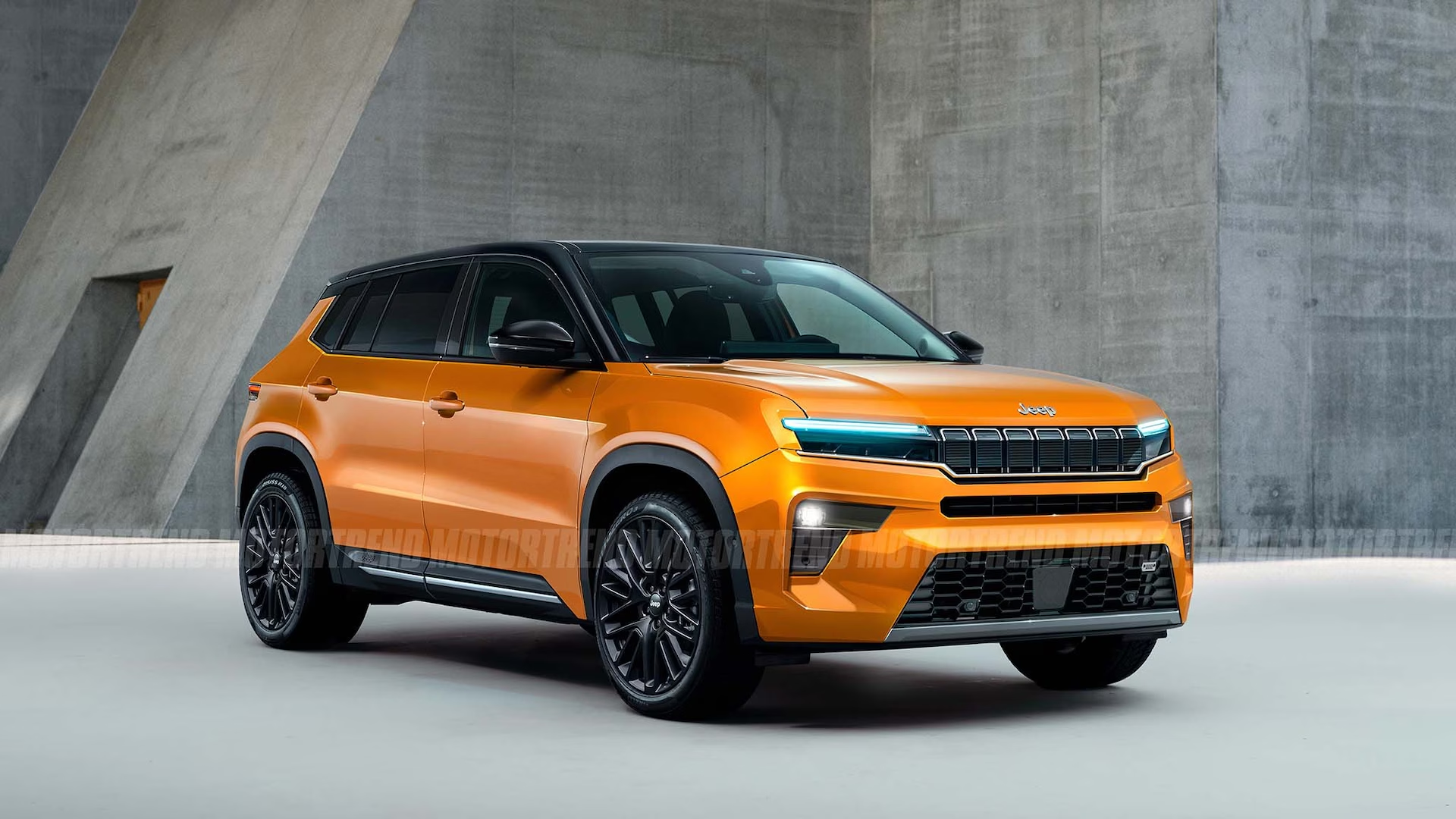
The Jeep Grand Cherokee has long been a flagship model for the brand, blending rugged capability with premium comfort. While Jeep has not yet officially confirmed details about the 2026 Grand Cherokee, industry trends, spy shots, and insider reports hint at what’s next for this iconic SUV. Below, we break down the latest updates, expected release timeline, and potential upgrades.
Expected 2026 Jeep Grand Cherokee Release Date
Jeep typically unveils new model-year vehicles in the latter half of the preceding year. For example:
- The 2022 Grand Cherokee (current generation) debuted in September 2021.
- The 2024 Grand Cherokee 4xe (plug-in hybrid) was announced in Q3 2023.
Based on this pattern, the 2026 Jeep Grand Cherokee will likely be revealed in late 2025, with deliveries starting in early 2026. However, Jeep could accelerate timelines to compete with rivals like the Ford Explorer and Toyota Grand Highlander.

Key Dates to Watch:
- Official Announcement: Late 2025 (Jeep’s Newsroom will confirm).
- Production Start: Early 2026 at Jeep’s Detroit Assembly Plant.
- On-Sale Date: Spring/Summer 2026.
What’s New for 2026? Rumored Updates and Features
The 2026 Grand Cherokee is expected to receive a mid-cycle refresh (facelift) of the current fifth-generation model (WL platform). Here’s what analysts and enthusiasts are predicting:

1. Exterior Design Tweaks
- Revised Grille and Lighting: Slimmer LED headlights, a larger seven-slot grille, and updated bumpers for a modern look.
- New Wheel Designs: Larger alloy wheels (up to 22 inches) and aerodynamic enhancements.
- Paint Options: Bold new colors like “Hydro Blue” or “Gobi Clearcoat” (similar to the Jeep Wrangler).
2. Interior Upgrades
- Enhanced Tech: A larger Uconnect 6 infotainment screen (up to 12.3 inches), digital key compatibility, and faster wireless charging.
- Premium Materials: Optional quilted leather seats, recycled suede accents, and improved noise insulation.
- Third-Row Availability: The three-row Grand Cherokee L may gain additional cargo flexibility.
3. Powertrain Options
Jeep is prioritizing electrification, so expect updates to hybrid and all-electric systems:
- 4xe Plug-In Hybrid: The current 375-hp PHEV (25 miles electric range) could see a battery boost for 30+ miles of EV range.
- Hurricane Twin-Turbo Engine: The 510-hp inline-6 from the Jeep Wagoneer might replace the V8 in high-performance trims.
- Fully Electric (BEV) Variant: Rumors suggest a Grand Cherokee EV is in development, possibly debuting as a 2027 model.
4. Advanced Driver-Assistance Systems (ADAS)
- Level 2+ Autonomy: Enhanced adaptive cruise control, lane-centering, and automated parking.
- Off-Road Tech: Updates to the Selec-Terrain system and improved camera views for rock crawling.
2026 Grand Cherokee Trims and Pricing
The 2026 lineup will likely retain core trims but add new packages:
| Trim | Expected Starting Price | Key Features |
|---|---|---|
| Laredo | $42,000 | Base V6, 10.1-inch Uconnect, heated seats |
| Limited | $50,000 | Luxury interior, 19-speaker McIntosh audio |
| Trailhawk | $55,000 | Off-road tires, skid plates, Quadra-Drive II |
| Overland | $60,000 | Air suspension, panoramic sunroof |
| Summit | $65,000+ | Full Nappa leather, advanced ADAS |
| Trackhawk | $90,000+ (if revived) | 700+ hp Hurricane engine |
Note: Prices may rise 3–5% over 2024 models due to inflation and tech upgrades.
Competitors to Watch
The 2026 Grand Cherokee will face stiff competition in the midsize SUV segment:
- Ford Explorer: Redesigned for 2025 with hybrid power and SYNC 5 tech.
- Hyundai Palisade: Expected 2026 refresh with hydrogen fuel-cell options.
- Chevrolet Traverse: All-new design in 2024, likely adding a PHEV variant.
Compare specs and pricing at Cars.com or MotorTrend.
How to Stay Updated
- Jeep’s Official Channels:
- Check the Grand Cherokee page for announcements.
- Sign up for updates via Jeep’s email newsletter.
- Spy Shots and Leaks:
- Follow automotive journalists on Autoblog or Car and Driver.
- Dealer Insights:
- Contact local dealers through Jeep’s dealer locator for pre-order details.
Should You Wait for the 2026 Model?
Consider waiting if:
- You want cutting-edge hybrid/electric tech.
- Modern styling and cabin upgrades matter.
- You’re eligible for tax credits on PHEV/EV models.
Buy now (2024–2025) if:
- You need a vehicle immediately.
- Current incentives are strong (e.g., 0% APR deals).
Use TrueCar’s Deal Rating Tool to evaluate discounts on in-stock models.
Final Thoughts
While the 2026 Jeep Grand Cherokee remains shrouded in mystery, its refresh will likely emphasize electrification, tech, and refined off-road prowess. For now, keep an eye on Jeep’s announcements and compare it to rivals like the Kia Telluride or Honda Pilot.
Jeep’s commitment to innovation suggests the 2026 Grand Cherokee could be one of the most advanced models in its history—worth the wait for adventure seekers and tech enthusiasts alike. 🏔️

The Jeep Wagoneer, a nameplate synonymous with American luxury and adventure since the 1960s, is poised to redefine the full-size SUV segment once again with its 2026 iteration. Whether you’re a family seeking premium comfort, an off-road enthusiast craving capability, or a tech-savvy driver hungry for innovation, the 2026 Wagoneer promises to deliver. This SEO-optimized article dives into the latest rumors, anticipated features, and strategic updates, ensuring you’re primed for what’s next.
Design and Styling: Modern Elegance Meets Timeless Heritage
The 2026 Jeep Wagoneer is expected to refine its bold, stately aesthetic while honoring its iconic roots. Spy shots from Car and Driver suggest a refreshed front fascia with a more sculpted seven-slot grille flanked by slim, adaptive LED headlights. Aerodynamic tweaks, like active shutters and a lower roofline, may improve efficiency without compromising its commanding presence.
Inside, the Wagoneer’s cabin is rumored to elevate luxury with handcrafted materials—think quilted leather seats, open-pore wood trim, and ambient lighting. A dual-screen setup, potentially spanning up to 12.3 inches for the digital cluster and 14.5 inches for the Uconnect infotainment system, could mirror the Grand Wagoneer’s premium layout. Third-row passengers will likely enjoy segment-leading legroom, cementing the Wagoneer as a family hauler par excellence.
Key Design Features:
- Streamlined exterior with adaptive LED lighting.
- Opulent interior with dual large-format screens.
- Enhanced aerodynamics for improved efficiency.
Powertrain and Performance: Electrified Power for Every Need
Jeep’s commitment to electrification is expected to shine in the 2026 Wagoneer. The base model may retain the proven 5.7L Hemi V8 (392 hp, 404 lb-ft), while a turbocharged 3.0L Hurricane inline-six (510 hp) could serve as a high-output option. The real headline, however, is the anticipated plug-in hybrid (PHEV) variant, pairing a V6 engine with a robust electric motor for 50+ miles of electric-only range—a first for the Wagoneer lineup.
Rumors also hint at a fully electric Wagoneer EV under Stellantis’s STLA Frame platform, though its debut may follow 2026. All models will likely feature standard 4×4 capability and an 8-speed automatic tuned for seamless power delivery.
Powertrain Highlights:
- 5.7L V8 and 3.0L Hurricane inline-six options.
- New PHEV variant with 50+ miles electric range.
- Potential EV model on the horizon.
Off-Road Capability: Luxury Meets Grit
Don’t let the plush interior fool you—the 2026 Wagoneer is built to conquer. Jeep’s Quadra-Drive II 4×4 system with rear electronic limited-slip differential should remain standard, alongside an adaptive air suspension offering up to 10 inches of ground clearance. New terrain modes (Rock, Sand, Mud) and optional 33-inch all-terrain tires could further its Trail Rated credentials.
Off-Road Features:
- Quadra-Drive II 4×4 with active suspension.
- Up to 10 inches of adjustable ground clearance.
- Trail-focused drive modes and tire options.
Technology and Safety: Cutting-Edge Innovation
The 2026 Wagoneer will likely debut Jeep’s next-gen Uconnect system, featuring 5G connectivity, augmented reality navigation, and voice-activated controls. A 23-speaker McIntosh audio system could return, while an expanded suite of ADAS might include hands-free highway driving, intersection collision assist, and night vision.
Tech and Safety Upgrades:
- Uconnect with AR navigation and 5G.
- Advanced driver aids for semi-autonomous driving.
- Premium McIntosh sound system.
Pricing and Availability: Luxury at a Premium
Expect the 2026 Wagoneer’s base price to start around **65,000∗∗,withthePHEVandhigh−endtrims(SeriesIII)exceeding65,000∗∗,withthePHEVandhigh−endtrims(SeriesIII)exceeding100,000. Federal tax credits may apply to the hybrid model. Jeep will likely unveil the SUV in late 2025, with deliveries beginning early 2026.
Pricing Insights:
- Base model: ~$65,000.
- PHEV and Series III trims: 90,000–90,000–110,000.
- Debut expected late 2025.
Why It Matters: Redefining the Luxury SUV
The 2026 Wagoneer’s PHEV variant bridges eco-consciousness and opulence, appealing to urban families and adventurers alike. By merging Jeep’s off-road DNA with limousine-like refinement, it challenges rivals like the Cadillac Escalade and Lincoln Navigator while carving a niche in electrification.
Comparison Table: 2026 vs. Current Wagoneer
| Feature | 2026 Wagoneer (Est.) | 2024 Wagoneer |
|---|---|---|
| Base Engine | 5.7L V8 | 5.7L V8 |
| Top Engine | 3.0L Hurricane I6 (510 hp) | 6.4L V8 (471 hp) |
| Hybrid Option | PHEV (50+ mi EV) | None |
| Infotainment | 14.5″ Uconnect + AR | 12.0″ Uconnect |
| Starting Price | ~$65,000 | ~$60,000 |
Conclusion: The New Standard in Premium Adventure
The 2026 Jeep Wagoneer is more than an SUV—it’s a statement. With its blend of electrified power, tech-forward luxury, and uncompromising capability, it honors its legacy while charging into the future. Stay tuned to Jeep’s official channels for updates, and prepare to redefine your journey.
Sources:
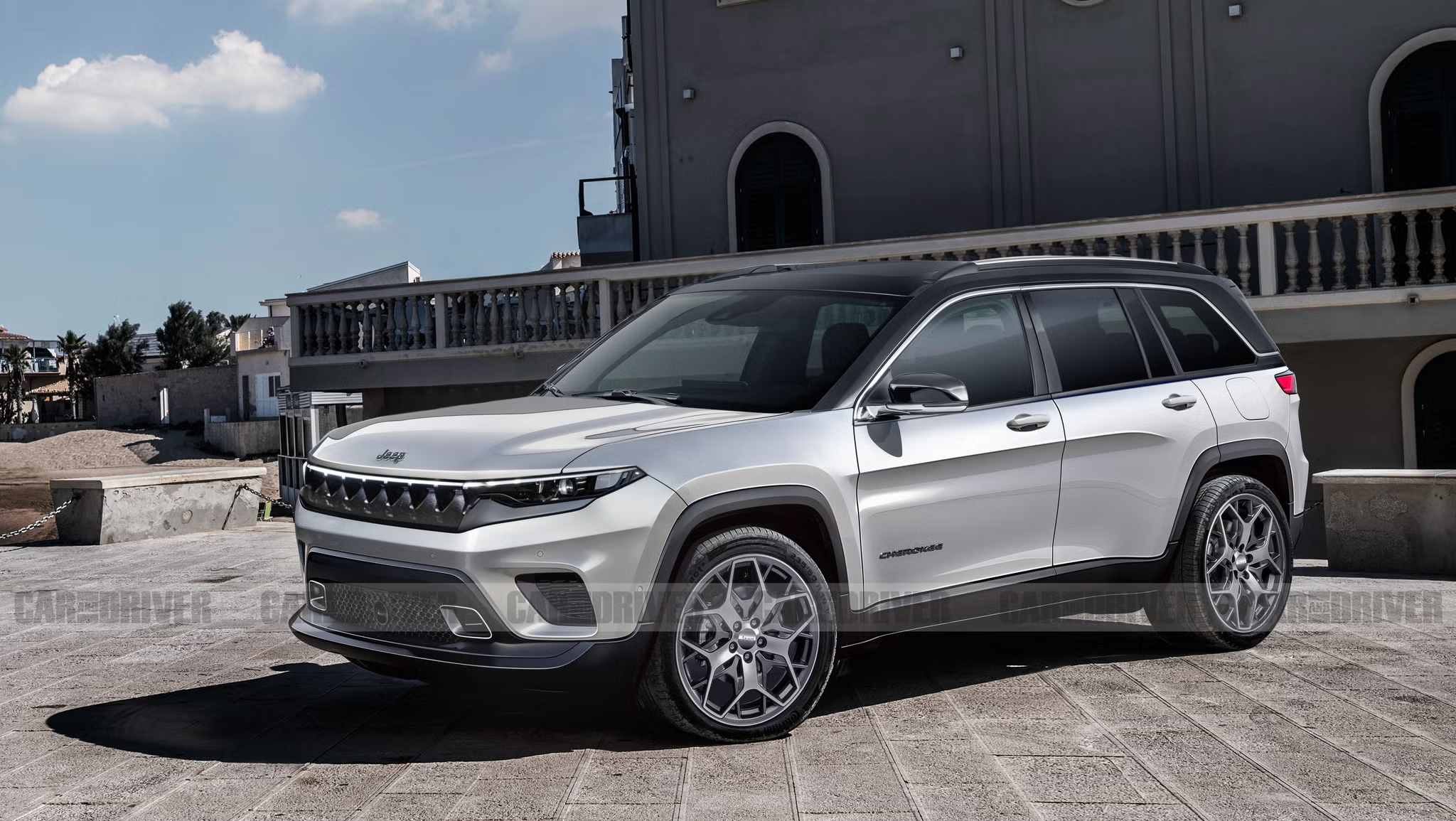
The Jeep Cherokee is back, and it’s gearing up to reclaim its spot as a compact SUV powerhouse. After a brief hiatus following its discontinuation in 2023, the 2026 Jeep Cherokee promises to blend rugged capability with modern innovation. Whether you’re a longtime Jeep fan or a newcomer curious about this iconic nameplate, here’s everything you need to know about this highly anticipated revival—from its design and performance to its tech, pricing, and how it stacks up against the competition.
Release Date and Availability: When Can You Get Your Hands on It?
Jeep has confirmed that the 2026 Cherokee will hit dealerships in late 2025 or early 2026. While pre-order details are still under wraps, expect announcements soon as the launch date approaches. If you’re eager to be among the first to own this revived SUV, keep an eye on Jeep’s official website or social media channels for the latest updates. The Cherokee’s return is generating buzz, so securing one early might be a smart move.
Design and Styling: A Bold New Look with Classic Jeep DNA
The 2026 Jeep Cherokee is set to turn heads with a refreshed design that honors its heritage while embracing modern trends. Here’s what we know so far:
- Exterior: Recent spy shots suggest a boxier, more muscular stance. The split headlights of past models are gone, replaced by a unified front end featuring Jeep’s signature seven-slot grille. At the rear, square taillights and a bolder bumper enhance its rugged appeal. This shift to a more upright design signals a return to the Cherokee’s roots, with a contemporary twist. Check out the latest insights on Car and Driver for more details.
- Interior: Inside, Jeep is aiming for a premium upgrade. Expect increased cabin space, high-quality materials, and a layout that balances functionality with comfort. Rumors point to a larger infotainment screen—possibly 12.3 inches—and a digital gauge cluster, keeping pace with competitors like the Ford Bronco Sport.
Performance and Specifications: Power Meets Versatility
While Jeep hasn’t released official specs, industry trends and rumors offer a glimpse of what’s under the hood:
- Engine Options: The base model is likely to feature a turbocharged 2.0L four-cylinder engine, offering a solid mix of power and efficiency. For those craving more, a hybrid powertrain could deliver around 375 horsepower, appealing to performance enthusiasts and eco-conscious buyers alike. Learn more about Jeep’s engine options on their official engines page.
- Off-Road Capability: True to Jeep’s legacy, the Cherokee will shine off the pavement. A Trailhawk trim is expected, complete with enhanced suspension, all-terrain tires, and advanced traction control—perfect for tackling rocky trails or snowy backroads.
Technology and Safety Features: Modern Tech for Modern Drivers
The 2026 Cherokee is poised to deliver cutting-edge tech and safety features to meet today’s demands:
- Infotainment: Jeep’s latest Uconnect 5 system will likely anchor the tech lineup, with wireless Apple CarPlay, Android Auto, and a larger touchscreen. Additional perks like built-in navigation, multiple USB ports, and an optional premium audio system could elevate the experience. Explore the features of Uconnect to see what’s in store.
- Safety: Safety is front and center, with features like blind-spot monitoring, lane-keeping assist, and adaptive cruise control expected to be standard or available. These additions make the Cherokee a practical choice for families and daily commuters.
Pricing: What Will It Cost?
Jeep hasn’t shared official pricing yet, but estimates place the base model around $35,000. Higher trims, especially those with hybrid powertrains or off-road packages, could climb closer to $50,000. This pricing aligns the Cherokee with rivals like the Toyota RAV4 and Honda CR-V, offering a competitive mix of value and features. For more detailed pricing estimates, check out Edmunds.
Comparison with Competitors: How Does It Stack Up?
The 2026 Cherokee enters a packed compact SUV market. Here’s where it stands:
- Hybrid Powertrain: If the hybrid option delivers, it could outshine gas-only competitors like the RAV4 and CR-V, especially for buyers prioritizing efficiency.
- Off-Road Capability: The Trailhawk trim sets it apart from pavement-focused SUVs, making it a direct rival to the Ford Bronco Sport and Subaru Forester Wilderness.
- Refinement and Reliability: To compete with segment leaders, Jeep will need to match their interior quality and long-term dependability. The Cherokee’s success will depend on blending ruggedness with everyday appeal.
For a deeper dive, read this Cherokee overview on MotorTrend.
Why It Matters: A Broader Appeal for a New Era
The 2026 Cherokee’s hybrid option and updated design show Jeep’s intent to attract a wider audience. Urban drivers will love the potential for electric-only commuting, while off-road fans can rely on Jeep’s legendary capability. This versatility could make the Cherokee a standout choice for buyers seeking the best of both worlds.
Conclusion: The Cherokee Is Ready to Make a Statement
The 2026 Jeep Cherokee is shaping up to be a compelling option in the compact SUV segment. With its bold design, versatile powertrains, advanced tech, and off-road prowess, it’s ready to tackle city streets and rugged trails alike. As we approach its debut, the excitement is palpable. Whether you’re a Jeep loyalist or just shopping for a capable SUV, the Cherokee promises to deliver.
What do you think about the 2026 Jeep Cherokee? Are you excited for its return? Share your thoughts in the comments below and stay tuned for more updates as we near the official launch! Follow Jeep on Instagram for the latest news.
Rise of the Legend: 2026 Jeep Wrangler Unveiled

The Jeep Wrangler has been an icon of adventure and freedom for decades, and the upcoming 2026 model is generating buzz among enthusiasts and casual drivers alike. Whether you’re researching the latest updates, planning your next off-road trip, or simply curious about what’s next for this legendary SUV, this SEO-optimized blog post has you covered. Packed with detailed insights, hyperlinks to authoritative sources, and a reader-friendly structure, we’ll explore the anticipated design, powertrain, off-road capability, technology, pricing, and more for the 2026 Jeep Wrangler.

Design and Styling: Evolution with a Nod to Heritage
The 2026 Jeep Wrangler is expected to refresh its iconic design while staying true to its rugged roots. Based on industry rumors and spy shots from Car and Driver, the exterior will likely feature a modernized front end—think updated LED headlights and a refined seven-slot grill that enhances aerodynamics without losing its classic appeal. The boxy silhouette that defines the Wrangler’s off-road-ready stance is here to stay, ensuring it remains instantly recognizable.
Inside, expect a leap forward in comfort and style. The cabin is rumored to sport a larger infotainment screen—potentially 12.3 inches—paired with a fully digital gauge cluster, as seen in premium competitors like the Ford Bronco. Upgraded materials, such as soft-touch plastics and premium leather options, will elevate the interior, blending luxury with the Wrangler’s utilitarian charm.
Key Design Features:
- Refined exterior with updated headlights and grill.
- Larger infotainment screen and digital dashboard.
- Premium interior materials for enhanced comfort.
Powertrain and Performance: Power Meets Innovation
The 2026 Jeep Wrangler is set to offer a versatile lineup of powertrains, catering to both traditionalists and eco-conscious buyers. The base model is likely to retain the 2.0-liter turbocharged four-cylinder engine, delivering approximately 270 horsepower and 295 lb-ft of torque—a proven balance of efficiency and capability. For those craving more power, the 3.6-liter Pentastar V6, with around 285 horsepower and 260 lb-ft, should remain an option.
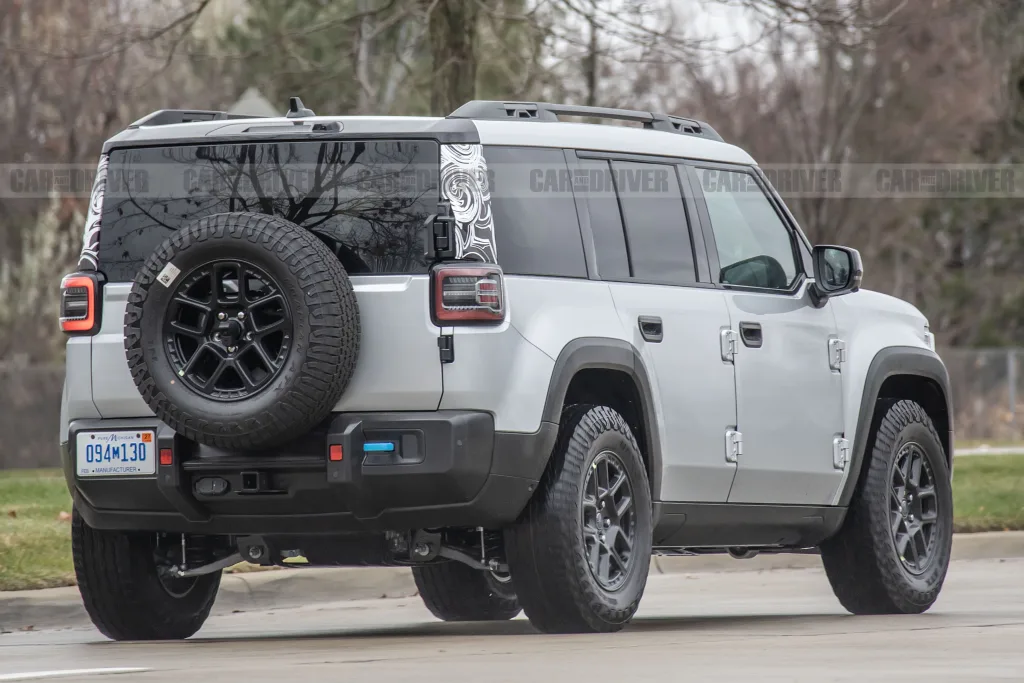
The standout update is the hybrid 4xe system. Leaks suggest an improved version with a larger battery pack (possibly 20 kWh, up from 14 kWh), extending the electric-only range from 20 miles to an impressive 30-40 miles. This hybrid, combining a 2.0L turbo engine with electric motors, will maintain its robust 375 horsepower output, making it a compelling choice for both city commutes and rugged trails. While a fully electric Wrangler is on the horizon, it’s more likely to debut post-2026 as part of Stellantis’ electrification strategy.
Powertrain Highlights:
- 2.0L turbo four-cylinder and 3.6L V6 options.
- Enhanced 4xe hybrid with 30-40 miles of electric range.
- Future potential for a fully electric model.
Off-Road Capability: Unmatched Adventure Awaits
Jeep’s off-road legacy is non-negotiable, and the 2026 Wrangler will uphold this tradition with gusto. Expect core features like the Command-Trac four-wheel drive system, a two-speed transfer case, and locking differentials to carry over, ensuring it can tackle any terrain. Rumors hint at upgrades like an adaptive suspension system for better ride quality and larger, more aggressive tire options for extreme off-roading. These enhancements could further improve the Wrangler’s approach and departure angles, solidifying its status as a Trail Rated champion.
Off-Road Features:
- Proven 4WD system with locking differentials.
- Potential adaptive suspension and enhanced tires.
- Best-in-class ground clearance and water fording.
Technology and Safety: Smart Meets Tough
The 2026 Wrangler is poised to embrace modern technology without sacrificing its rugged spirit. The infotainment system will likely feature the latest Uconnect 5 platform, offering wireless Apple CarPlay, Android Auto, and over-the-air updates. A larger touchscreen—up to 12.3 inches—and a digital gauge cluster will keep drivers connected and informed.
Safety is also a priority, with an expanded suite of advanced driver assistance systems (ADAS). Features like blind-spot monitoring, lane-keeping assist, and adaptive cruise control are expected, potentially joined by semi-autonomous highway driving capabilities. These upgrades make the Wrangler safer and more versatile for everyday use.
Tech and Safety Upgrades:
- Uconnect 5 with wireless connectivity.
- Larger touchscreen and digital dashboard.
- Comprehensive ADAS for enhanced safety.
Pricing and Availability: What to Expect
While official pricing remains under wraps, estimates peg the 2026 Jeep Wrangler’s starting price at around $35,000 for the base Sport trim. Higher trims like the Sahara and Rubicon, along with the hybrid 4xe, could climb to $50,000 or more. Federal tax credits for plug-in hybrids may offset some of the 4xe’s cost, making it a smart buy for eco-minded adventurers.
The 2026 model is expected to debut in late 2025 or early 2026, possibly showcased at events like the Los Angeles Auto Show. Keep an eye on Jeep’s official site for pre-order details and launch announcements.
Pricing and Availability Insights:
- Starting price around $35,000.
- Premium trims and hybrid likely above $50,000.
- Expected launch in late 2025 or early 2026.
Why It Matters: A Broader Appeal
The rumored hybrid range expansion (30-40 miles electric-only) is a game-changer, transforming the Wrangler into a practical daily driver while preserving its off-road soul. This shift could attract urban buyers who value efficiency alongside adventure, broadening Jeep’s audience in a competitive market.
Comparison Table: 2026 vs. Current Wrangler
| Feature | 2026 Jeep Wrangler (Estimated) | Current 2025 Wrangler (JL) |
|---|---|---|
| Base Engine | 2.0L Turbo Four-Cylinder | 2.0L Turbo Four-Cylinder |
| Horsepower/Torque | ~270 hp / 295 lb-ft | 270 hp / 295 lb-ft |
| Hybrid Option | Updated 4xe, ~375 hp, 30-40 mi EV | 4xe, 375 hp, 20 mi EV |
| Infotainment | ~12.3-inch, Uconnect 5 | 8.4-inch or 12.3-inch, Uconnect 4 |
| Starting Price | ~$35,000 | ~$30,000 |
| Availability | Late 2025/Early 2026 | Currently Available |
This table highlights the evolution from the current JL generation to the anticipated 2026 model.
Conclusion: The Future of Off-Road Excellence
The 2026 Jeep Wrangler promises to blend its timeless heritage with cutting-edge innovation. From refreshed styling and a luxurious interior to an improved hybrid powertrain and advanced tech, it’s shaping up to be a standout in the SUV world. Whether you’re hitting the trails or navigating city streets, this Wrangler aims to deliver unmatched versatility and capability.
Stay ahead of the curve—follow Jeep on social media or sign up for updates to catch the latest news as it drops. The 2026 Jeep Wrangler isn’t just a vehicle; it’s the next chapter in a legacy of adventure. Are you ready to join the ride?

If you’re researching heavy-duty trucks, you’re likely asking: “Can the Ram 2500 handle MY towing needs?” Whether you’re hauling a fifth-wheel RV, construction equipment, or a horse trailer, the Ram 2500 isn’t just capable—it’s a monster. Let’s break down its towing specs, real-world performance, and hidden tricks that make it the ultimate workhorse.
Ram 2500 Towing Capacity: By the Numbers
The Ram 2500’s max towing capacity isn’t just a figure—it’s a 20,000-lb flex (when properly equipped). Here’s how it stacks up:
| Configuration | Max Towing Capacity |
|---|---|
| 6.4L HEMI V8 (Gas) | 17,980 lbs |
| 6.7L Cummins Turbo Diesel | 19,980 lbs |
| 6.7L Cummins HO (High-Output) | 20,000 lbs |
Key Takeaways:
- The Cummins High-Output Diesel is king, delivering 1,075 lb-ft of torque—enough to yank a fully loaded semi-trailer up a hill.
- Even the base gas engine outperforms rivals like the Ford F-250 (15,000 lbs) and Chevy Silverado 2500 (18,500 lbs).
Source: Ram Trucks Towing Guide
What Can You Actually Tow with a Ram 2500?
Let’s translate those numbers into real-world loads:
- Gooseneck/5th-Wheel Trailers: Haul a 40-foot RV (14,000–16,000 lbs) with ease.
- Construction Equipment: Think mini excavators (10,000 lbs) or skid steers (7,500 lbs).
- Boats: A 30-foot cabin cruiser (~12,000 lbs) is a breeze.
- Horse Trailers: Transport 6–8 horses (12,000–15,000 lbs) comfortably.
4 Factors That Affect Ram 2500 Towing Capacity
Don’t just eyeball the max number—your setup matters. Here’s what impacts your rig’s limits:
1. Engine Choice
- 6.4L HEMI V8 (Gas): 410 HP / 429 lb-ft torque. Ideal for lighter loads and faster acceleration.
- 6.7L Cummins Turbo Diesel: 370 HP / 850 lb-ft torque. Built for sustained heavy towing.
- 6.7L Cummins HO Diesel: 420 HP / 1,075 lb-ft torque. For max payload and extreme towing.
Pro Tip: The Cummins HO’s torque peaks at just 1,800 RPM—perfect for crawling up steep grades without breaking a sweat.
2. Axle Ratio
- 3.73 Ratio: Balances towing and daily driving.
- 4.10 Ratio: Maximizes pulling power for heavy trailers.
3. Drivetrain
- 4×2 Models: Save weight for ~500 lbs extra towing capacity.
- 4×4 Models: Lose ~300 lbs capacity but gain off-road traction.
4. Cab & Bed Configuration
- Crew Cab + 6’4” Bed: Best for fifth-wheel towing (more wheelbase stability).
- Regular Cab + 8’ Bed: Maximizes payload (up to 4,010 lbs).
Towing Tech That Makes Life Easier
The Ram 2500 isn’t just strong—it’s smart. Here’s how its tech keeps you in control:
1. Trailer Reverse Steering Control
- What It Does: Turn a knob to steer your trailer—no more guessing while backing up.
- Why It’s Genius: Even novice towers can park a 40-foot RV like a pro.
2. Smart Hitch
- What It Does: Sensors measure tongue weight and recommend adjustments.
- Why It’s Genius: Prevents fishtailing and uneven load distribution.
3. 360-Degree Camera System
- What It Does: Gives a bird’s-eye view of your truck and trailer.
- Why It’s Genius: Spot obstacles hidden by your trailer or cab.
4. Tire Pressure Monitoring (Trailer TPMS)
- What It Does: Alerts you if trailer tire pressure drops.
- Why It’s Genius: Avoid blowouts on long hauls.
Ram 2500 vs. Competitors: Who Does It Best?
| Truck | Max Towing | Max Torque | Base Price |
|---|---|---|---|
| Ram 2500 Cummins HO | 20,000 lbs | 1,075 lb-ft | $45,000 |
| Ford F-250 Power Stroke | 15,000 lbs | 1,050 lb-ft | $48,000 |
| Chevy Silverado 2500 | 18,500 lbs | 910 lb-ft | $46,500 |
Why Ram Wins:
- Higher Torque: The Cummins HO out-muscles Ford’s Power Stroke.
- Lower Price: More capability for less money.
- Better Tech: Ford’s Pro Trailer Backup Assist can’t match Ram’s knob steering.
Source: Edmunds Towing Comparison
Real-World Towing Test: Can It Handle 20,000 lbs?
YouTube channel TFL Truck put the Ram 2500 Cummins HO to the test with a 20,000-lb dump trailer:
- 0–60 mph: 22 seconds (impressive for the load).
- Braking: Smooth stops thanks to massive 14.1-inch rotors.
- Engine Temps: Never exceeded 220°F, even on steep inclines.
Verdict: “The Ram 2500 doesn’t just meet its specs—it laughs at them.”
FAQs: What Buyers Really Want to Know
Q: What’s the payload capacity?
A: Up to 4,010 lbs (Cummins HO, Regular Cab).
Q: Can it tow a fifth-wheel trailer?
A: Yes—opt for the 5th-Wheel Prep Group ($1,695) for a factory-installed hitch.
Q: Gas vs. Diesel for towing?
A: Diesel for heavy, frequent towing. Gas for lighter loads and lower upfront cost.
Final Verdict: Should YOU Buy a Ram 2500?
Buy It If:
- You tow over 15,000 lbs regularly.
- You need a truck that works as hard as you do.
- You want tech that makes towing easier, not harder.
Skip It If:
- You’re on a tight budget (the Cummins HO adds ~$10k).
- You only tow occasionally (a Ram 1500 might suffice).
Ready to Tow Like a Pro?
- Build Your Ram 2500: Ram Trucks Configurator
- Compare Towing Packages: Ram vs. Ford vs. Chevy
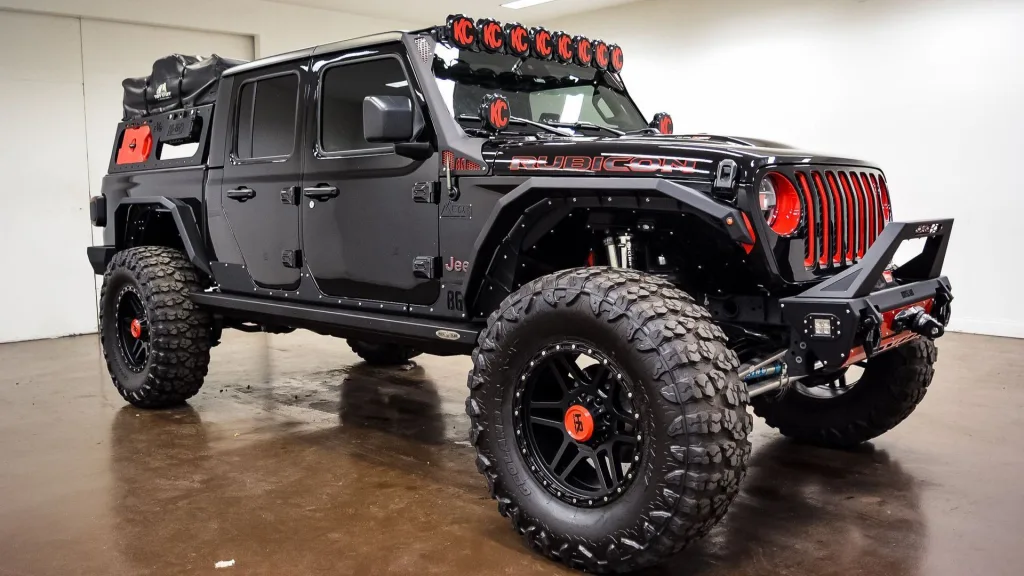
Why the Jeep Gladiator Rubicon Is the Best Off-Road Pickup for Serious Adventurers
The Jeep Gladiator Rubicon is the best off-road pickup for serious adventurers because it does something most trucks cannot: it combines real Jeep trail hardware with an actual pickup bed. It is not just a lifestyle truck with rugged styling. It has locking differentials, serious 4×4 gearing, strong ground clearance, aggressive approach angles, removable roof and doors, and enough towing and bed utility to carry gear beyond the pavement.
The simple answer is this: the Gladiator Rubicon is the off-road pickup for buyers who want Wrangler-like capability but still need truck practicality. The 2025 Gladiator Rubicon is listed with 10.0 inches of ground clearance, a 40.8-degree approach angle, a 25.0-degree departure angle, 1,200 pounds of payload, and up to 7,000 pounds of towing capacity, depending on configuration. Jeep Gladiator specs and Edmunds Gladiator Rubicon specs both show why the Rubicon is built for more than casual dirt-road driving.
The Gladiator Rubicon Is a Real Off-Road Truck
Many midsize pickups look tough. The Gladiator Rubicon is tough in the places that matter.
It is built with serious trail equipment, including the Rock-Trac 4×4 system, electronic locking front and rear differentials, heavy-duty axles, rock rails, skid plates, and off-road-focused suspension tuning. Those are not cosmetic upgrades. They are the hardware that helps a truck crawl over rocks, hold traction on uneven terrain, and keep moving when one or more tires are unloaded.
That is the difference between an appearance package and a real off-road pickup.
Why the Rubicon Trim Matters
The Rubicon name means something in Jeep culture.
A basic Gladiator is already more adventurous than most pickups because it comes from the Wrangler family. But the Rubicon is the trim built for harder terrain. It is the one serious off-road buyers look at first because the expensive trail gear is already installed from the factory.
That matters because building a regular truck to Rubicon-level capability can get expensive fast. Lockers, tires, protection, suspension, gearing, and driveline upgrades all add cost. The Rubicon gives buyers a factory-engineered package instead of a pile of aftermarket guesses.
It Has the Right Engine for the Job
The Gladiator Rubicon uses Jeep’s 3.6L Pentastar V6, rated at 285 horsepower and 260 lb-ft of torque. It is paired with an 8-speed automatic transmission in recent models. Car and Driver notes that the Gladiator lineup uses the 285-hp 3.6L V6 and continues to deliver the removable-roof, removable-door Jeep experience in pickup form.
This engine is not about drag-racing numbers. It is about predictable power, broad service familiarity, and enough output for trail driving, weekend hauling, and moderate towing.
For buyers who want a simpler gas-powered adventure truck, the Pentastar V6 is a sensible match.
Rock-Trac 4×4 Gives It Trail Credibility
The Gladiator Rubicon’s off-road reputation starts with its 4×4 system.
Rock-Trac is designed for serious low-speed control. That matters when you are crawling over rocks, easing down steep descents, crossing uneven ground, or trying to avoid wheelspin on loose surfaces.
In off-road driving, control often matters more than raw power. The Rubicon’s gearing and traction tools help the driver move slowly and precisely instead of relying on momentum.
That is what makes it appealing to serious adventurers. You can place the truck where you want it instead of simply hoping speed carries you through.
Locking Differentials Make a Real Difference
Front and rear lockers are one of the biggest reasons to choose the Rubicon.
An open differential can send power to the wheel with the least traction. That is a problem when one tire is in the air or sitting on loose ground. Locking differentials help both wheels on an axle turn together, giving the truck a much better chance of pulling itself through difficult terrain.
For casual gravel roads, lockers may not matter much. For rocks, ruts, mud, steep climbs, and uneven trail sections, they matter a lot.
That is why off-roaders respect the Rubicon badge.
Ground Clearance and Angles Are Built for Trails
The Gladiator Rubicon has the kind of numbers serious off-roaders look for.
Edmunds lists the 2025 Gladiator Rubicon with 10.0 inches of ground clearance, a 40.8-degree approach angle, a 25.0-degree departure angle, and a 20.3-degree breakover angle. Edmunds Gladiator Rubicon specs
Those figures matter because trail driving is about not hitting the front bumper, dragging the middle, or smashing the rear end on obstacles. The Gladiator’s longer wheelbase helps with stability and cargo usefulness, but the Rubicon trim gives it the clearance and angles needed to stay trail-capable.
It Still Works as a Pickup
The Gladiator Rubicon is not just a Wrangler with a novelty bed.
It gives you real truck utility. The 5-foot bed can carry camping gear, recovery boards, tools, bikes, coolers, firewood, overlanding storage, or jobsite supplies. That changes the way you use the vehicle.
A Wrangler can be tight on cargo space, especially with passengers. The Gladiator solves that by giving adventurers a separate cargo bed without completely abandoning Jeep’s off-road formula.
That is the main reason the Gladiator exists.
Towing Capacity Adds Real Adventure Range
The Gladiator Rubicon can tow up to 7,000 pounds in the 2025 Rubicon configuration listed by Jeep and Edmunds. Jeep Gladiator specs Edmunds Gladiator Rubicon specs
That means it can handle many small campers, utility trailers, dirt bikes, ATVs, boats, and adventure trailers when properly equipped.
It is not a heavy-duty truck, and buyers still need to watch payload, tongue weight, trailer brakes, and gear weight. But for an off-road midsize pickup, the Rubicon gives useful towing capacity without turning into a full-size truck.
The Bed Makes Overlanding Easier
For overlanding, the Gladiator Rubicon makes more sense than a Wrangler for many buyers.
A pickup bed allows better gear separation. You can carry dirty recovery gear, fuel cans, water storage, tools, traction boards, camping boxes, portable fridges, and rooftop tent setups without packing everything into the passenger cabin.
That matters on longer trips. More space means better organization, safer packing, and less frustration.
The Rubicon’s trail hardware gets you to the campsite. The bed lets you bring the equipment that makes the trip comfortable.
Removable Roof and Doors Make It Unique
No other midsize pickup feels like a Gladiator Rubicon.
The removable roof and doors give it an open-air experience that Toyota Tacoma, Ford Ranger, Chevy Colorado, GMC Canyon, and Nissan Frontier simply do not offer. That does not make it the quietest or most refined truck, but it makes it one of the most memorable.
For serious adventurers, that matters. The Gladiator is not only about getting somewhere. It is about how the drive feels once the pavement ends.
Gladiator Rubicon vs Toyota Tacoma TRD Pro
The Toyota Tacoma TRD Pro is a strong off-road truck, but the Gladiator Rubicon has a more raw and mechanical off-road personality.
The Tacoma is known for durability and resale value. The Gladiator Rubicon counters with removable roof and doors, front and rear lockers, Jeep trail culture, and Wrangler-based off-road hardware.
If you want the more traditional pickup ownership experience, the Tacoma may appeal. If you want the most Jeep-like off-road pickup experience, the Gladiator Rubicon is the better fit.
Gladiator Rubicon vs Ford Ranger Raptor
The Ford Ranger Raptor is faster and more desert-focused.
It is built for high-speed off-road driving, while the Gladiator Rubicon is more focused on crawling, traction, and technical terrain. That difference matters. Desert running and rock crawling are not the same job.
The Ranger Raptor is the performance off-road truck. The Gladiator Rubicon is the trail-crawling adventure truck.
For buyers who want slow-speed control, lockers, open-air driving, and Jeep personality, the Rubicon still has a unique advantage.
Gladiator Rubicon vs Chevy Colorado ZR2
The Colorado ZR2 is another serious off-road pickup and one of the Rubicon’s strongest rivals.
It offers excellent suspension technology and strong off-road hardware. But the Gladiator Rubicon still stands apart because of its removable roof, removable doors, Jeep heritage, and stronger Wrangler connection.
The ZR2 may feel more conventional as a modern pickup. The Gladiator Rubicon feels more like a Jeep that happens to have a bed.
That is exactly why many buyers choose it.
The Long Wheelbase Helps and Hurts
The Gladiator’s longer wheelbase gives it stability and cargo usefulness, but it also changes off-road behavior.
Compared with a Wrangler, the Gladiator is longer and less nimble on very tight trails. It can also be more likely to drag its belly on sharp breakover obstacles. That is the tradeoff for having a real pickup bed.
But the longer wheelbase can also make it feel stable on climbs, descents, highways, and overlanding routes. For many adventurers, the extra cargo space is worth the compromise.
It Is Not the Best Truck for Everyone
The Gladiator Rubicon is excellent, but it is not perfect.
It is not the smoothest midsize pickup. It is not the cheapest. It is not the quietest. It is not the most fuel-efficient. It is not the best choice if you only drive pavement and never use the trail hardware.
If you want a quiet commuter truck, buy something else. If you want an off-road pickup with real Jeep DNA, the Rubicon makes far more sense.
What to Check When Buying Used
A used Gladiator Rubicon should be inspected carefully.
Look for off-road damage, scraped skid plates, bent control arms, worn tires, steering wobble, suspension wear, water leaks, poor lift kits, cheap lighting, bad wiring, and signs of hard trail use.
Also check service records, accident history, recall completion, 4×4 operation, differential lock function, tire condition, brake condition, and whether the truck has been modified properly.
For shoppers near Los Angeles or Ventura County, compare used Jeep inventory by mileage, trim, condition, and modification history. If you want factory warranty coverage and current equipment, review available new Jeep inventory.
Who Should Buy the Gladiator Rubicon?
Buy the Gladiator Rubicon if you want:
A real off-road pickup.
Jeep Wrangler personality.
A usable cargo bed.
Factory lockers.
Serious 4×4 capability.
Open-air driving.
Trail and camping versatility.
Strong towing for an off-road midsize truck.
A truck that feels different from everything else.
Skip it if you only want a quiet daily driver, maximum fuel economy, or full-size truck towing capacity.
Final Thoughts: The Gladiator Rubicon Is Built for the Buyer Who Actually Goes
The Jeep Gladiator Rubicon is the best off-road pickup for serious adventurers because it is not pretending.
It gives you real trail hardware, real Jeep character, real truck utility, and an open-air driving experience no rival can copy. It can crawl, tow, haul, camp, explore, and still feel like a Jeep every mile of the way.
For buyers who just want a comfortable truck, there are smoother options. For buyers who want a pickup that is genuinely built for trail life, the Gladiator Rubicon is one of the strongest choices in the midsize truck market.
What Are Oil Filter Clamps Lets Find Out
Oil filter clamps are essential tools for mechanics, DIY enthusiasts, and anyone performing oil changes. These devices simplify the removal and installation of oil filters, which can become stubbornly tight due to heat, pressure, and residual oil. In this guide, we’ll explore what oil filter clamps are, how they work, their types, and how to use them safely and effectively.
What Are Oil Filter Clamps?
Oil filter clamps (often called oil filter wrenches) are tools designed to grip and turn oil filters during removal or installation. Filters can become stuck due to:
- Heat cycling: Engine heat expands and contracts the filter housing.
- Over-tightening: Using excessive force during installation.
- Residual oil: Oil residue acts like an adhesive over time.
Without the right tool, removing a stuck filter can damage the filter or engine components. Oil filter clamps provide a secure grip to prevent slippage and apply even torque.
Types of Oil Filter Clamps
There are several types of oil filter clamps, each suited for specific scenarios:
1. Band Clamp/Strap Wrenches
- Design: A adjustable metal or nylon band wraps around the filter.
- Best For: Filters in tight spaces or irregular shapes.
- Example: Lisle 62300 Oil Filter Tool.
- Pros: Versatile, fits multiple sizes.
- Cons: Less grip on heavily stuck filters.
2. Pliers-Style Clamps
- Design: Adjustable jaws with serrated teeth for a firm grip.
- Best For: Filters with limited clearance.
- Example: OTC 4572 Oil Filter Pliers.
- Pros: Strong grip, one-handed operation.
- Cons: May dent softer filters.
3. Chain Clamps
- Design: A chain loop tightened around the filter with a handle.
- Best For: Extremely tight or damaged filters.
- Example: Performance Tool W1173 Chain Wrench.
- Pros: Maximum torque, works on damaged filters.
- Cons: Risk of chain slippage if improperly secured.
4. Socket-Style Clamps
- Design: A cup-shaped socket that fits over the filter’s end.
- Best For: Filters with a hex-shaped base (common in European cars).
- Example: CTA Tools 4114 Oil Filter Socket.
- Pros: Prevents slippage, works with a ratchet.
- Cons: Limited to specific filter sizes.
5. Three-Jaw Clamps
- Design: Adjustable jaws that clamp radially around the filter.
- Best For: Heavy-duty applications.
- Example: ASTRO Pneumatic 1014 3-Jaw Oil Filter Wrench.
- Pros: Even pressure distribution.
- Cons: Bulky design.
How to Use an Oil Filter Clamp
Follow these steps for safe and effective use:
- Prepare the Vehicle:
- Let the engine cool to avoid burns.
- Place an oil drain pan beneath the filter.
- Select the Right Clamp:
- Match the clamp type to the filter’s size, shape, and accessibility.
- Position the Clamp:
- For band/chain clamps: Wrap the tool snugly around the filter.
- For pliers/socket clamps: Align the jaws or socket with the filter.
- Apply Torque:
- Turn counterclockwise to loosen (lefty loosey).
- Use steady pressure—avoid jerking to prevent slippage.
- Remove the Filter:
- Once loosened, unscrew by hand and drain residual oil.
- Install the New Filter:
- Lubricate the gasket with fresh oil.
- Hand-tighten first, then use the clamp for a quarter-turn (no over-tightening).
Common Mistakes to Avoid
- Over-tightening: This can crush the filter or strip threads. Refer to the manufacturer’s torque specs (usually 15–20 lb-ft).
- Using the Wrong Size: A mismatched clamp can slip or damage the filter.
- Ignoring Safety Gear: Wear gloves and eye protection to avoid cuts from sharp edges.
Benefits of Using Oil Filter Clamps
- Prevent Damage: Avoid denting or tearing the filter.
- Save Time: Effortlessly tackle stuck filters.
- Universal Fit: Many clamps adjust to fit multiple filter sizes.
Oil Filter Clamps vs. Alternatives
| Tool | Pros | Cons |
|---|---|---|
| Oil Filter Clamp | Secure grip, even torque | May require specific size |
| Screwdriver Method | Cheap, no tools needed | Destroys filter, messy |
| Rubber Strap Wrench | Gentle on filters | Limited torque |
| Channel Locks | Multi-purpose | Risk of crushing filter |
Maintenance Tips for Oil Filter Clamps
- Clean After Use: Wipe off oil and debris to prevent corrosion.
- Inspect for Wear: Check bands, chains, or jaws for cracks or stretching.
- Lubricate Moving Parts: Apply light oil to hinges and adjustment mechanisms.
Top Brands and Products
- Lisle Tools: Known for durable, affordable clamps like the Lisle 63600 Oil Filter Pliers.
- OTC Tools: Heavy-duty options like the OTC 4572 Oil Filter Pliers.
- Astro Pneumatic: Innovative designs like the 3-Jaw Oil Filter Wrench.
Frequently Asked Questions
Q: Can I reuse an oil filter clamp?
A: Yes, if maintained properly. Avoid using damaged clamps.
Q: What if the filter is too tight?
A: Use a breaker bar for extra leverage or tap the clamp with a rubber mallet.
Q: Are oil filter clamps universal?
A: Most adjust to fit multiple sizes, but check the tool’s range (e.g., 2–5 inches).
Conclusion
Oil filter clamps are indispensable for hassle-free oil changes. By choosing the right type and using proper technique, you can avoid stripped threads, damaged filters, and unnecessary frustration. Whether you’re a professional mechanic or a weekend DIYer, investing in a quality clamp will save time and extend the life of your vehicle.
Explore Further:
10 Overlanding Upgrades for Your Ram Truck: Turn Your Pickup into the Ultimate Adventure Rig

10 Overlanding Upgrades for Your Ram Truck: Turn Your Pickup into the Ultimate Adventure Rig
A Ram truck is already a strong platform for overlanding because it has the power, size, towing strength, payload capability, and long-distance comfort that adventure driving demands.
The simple answer is this: the best overlanding upgrades for a Ram truck are tires, suspension, bed storage, recovery gear, lighting, rooftop or bed-mounted camping gear, onboard power, water storage, communication tools, and underbody protection. You do not need to build a show truck. You need a practical setup that makes your Ram more capable, more self-sufficient, and easier to live with away from pavement.
Whether you drive a Ram 1500, Ram 2500, Ram 3500, Power Wagon, Rebel, Warlock, or a diesel Cummins truck, the right upgrades can turn it into a serious adventure rig.
Start With the Right Ram Truck
Before buying accessories, think about what your truck is actually built to do.
A Ram 1500 is a great overlanding choice for drivers who want comfort, daily usability, and lighter adventure gear. It is easier to live with than a heavy-duty truck and still has enough capability for weekend camping, forest roads, desert trails, and long highway drives.
A Ram 2500 or Ram 3500 makes more sense if you carry heavier gear, tow an off-road trailer, haul motorcycles, use a slide-in camper, or travel with a lot of equipment. These trucks bring stronger payload and towing capability, but they are larger and less nimble on tight trails.
A Ram Power Wagon is one of the best factory choices for off-road-focused overlanding because it already comes with serious trail hardware. A Ram Rebel also gives you a more adventure-ready starting point than a basic street-focused trim.
If you are still choosing a truck, compare current new Ram inventory or look through used truck inventory before building your setup.
1. All-Terrain Tires
Tires should be the first real overlanding upgrade.
Your tires are the only part of the truck touching the ground. They affect traction, braking, ride comfort, puncture resistance, off-road grip, fuel economy, and road noise.
For most Ram overland builds, a quality all-terrain tire is the best choice. It gives you better dirt, gravel, sand, snow, and trail performance without making the truck miserable on pavement.
Mud-terrain tires look aggressive, but they are not always the best overlanding tire. They can be louder, heavier, less efficient, and worse in rain or snow. For long-distance travel, all-terrain tires are usually smarter.
Look for tires with strong sidewalls, good wet traction, winter capability if needed, and the right load rating for your truck. If you drive a Ram 2500 or 3500, do not ignore load capacity. A tire that looks right but cannot handle the weight of your truck and gear is the wrong tire.
2. Suspension Upgrade
A suspension upgrade can make your Ram more capable and more comfortable with gear.
Overlanding adds weight. Bed racks, tents, tools, spare fuel, water, recovery gear, coolers, drawers, and bumpers can change how your truck rides. If you add weight without upgrading the suspension, the truck may sag, bottom out, handle poorly, or wear components faster.
A mild suspension lift or leveling kit can help fit larger tires and improve ground clearance. Better shocks can improve ride control on washboard roads, trails, and loaded highway driving.
For a Ram 1500, focus on ride quality and load control. For a Ram 2500 or 3500, focus on weight handling, stability, and shock control.
Do not over-lift the truck just for appearance. A tall truck with poor suspension geometry, bad alignment, and oversized tires can be worse off-road than a modest build done correctly.
3. Bed Rack or Overland Rack
A bed rack is one of the most useful Ram truck overlanding upgrades.
It gives you a place to mount a rooftop tent, recovery boards, awning, fuel cans, water tanks, lights, storage boxes, and other trail gear without filling the entire bed.
The best rack depends on your setup. A low-profile rack keeps the truck more aerodynamic and easier to park. A taller rack gives more bed access and can mount a tent above the cab line. Some systems work with tonneau covers, while others replace the bed-cover setup completely.
Before buying, decide whether you want to sleep in a rooftop tent, carry bikes, mount an awning, or keep the bed open for cargo. The rack should support the way you actually travel.
4. Secure Bed Storage
Loose gear becomes a problem fast.
Overlanding means carrying tools, recovery straps, air compressors, food, cooking gear, spare parts, camp equipment, and emergency supplies. If everything is thrown into the bed, it becomes hard to find and easy to damage.
A drawer system, lockable storage box, decked storage platform, or modular cargo setup can make the truck far more usable. It also helps keep expensive gear hidden and secure.
For a Ram truck, bed storage should be durable, weather-resistant, and easy to access. If you use your truck for work during the week and camping on weekends, modular storage may be better than a permanent setup.
The goal is simple: everything should have a place, and the gear you need most should be easiest to reach.
5. Recovery Gear
Do not go overlanding without recovery gear.
Even a capable Ram can get stuck. Sand, mud, snow, rocks, ruts, and wet trails can stop a heavy truck quickly. A Ram 2500 or 3500 is especially serious once stuck because weight makes recovery more difficult.
At minimum, carry recovery boards, a shovel, soft shackles, a kinetic recovery rope, gloves, a tire deflator, and a portable air compressor. If your truck has proper recovery points, make sure they are rated and accessible.
A winch can be a smart upgrade, especially if you travel alone or explore remote trails. But a winch is only useful if you know how to use it safely. Recovery gear is not decoration. Learn proper technique before you need it.
6. Off-Road Lighting
Good lighting makes night driving and camp setup much easier.
Factory headlights are fine for normal roads, but overlanding often means dark trails, remote campsites, dusty roads, and poor visibility. Auxiliary lighting can help you see obstacles, animals, road edges, and camp areas.
Useful lighting upgrades include fog lights, ditch lights, bed lights, reverse lights, rock lights, and camp lights. A huge light bar may look impressive, but it is not always the most useful first upgrade.
Choose lighting based on beam pattern. Flood lights help around camp and on slow trails. Spot lights help with distance. Ditch lights help see trail edges and turns.
Wire everything cleanly with proper relays, switches, fuses, and weatherproof connections. Bad wiring can cause more problems than the lights solve.
7. Rooftop Tent or Truck Bed Camping Setup
Sleeping setup is one of the biggest decisions in an overland Ram build.
A rooftop tent is popular because it sets up quickly, keeps you off the ground, and works well with a bed rack. It can be comfortable and convenient for weekend trips or long-distance travel.
But rooftop tents add weight, height, cost, and wind drag. They can also make parking garages and low-clearance areas harder.
A truck bed sleeping platform is simpler and often cheaper. It keeps weight lower and can be more stealthy. A canopy, camper shell, or bed cap can turn the Ram into a practical sleeping setup with better weather protection.
A slide-in camper is another option for heavy-duty Ram trucks, but payload becomes critical. If you are building a Ram 2500 or Ram 3500 camper setup, check the payload sticker before buying a camper.
8. Onboard Power System
Modern overlanding depends on power.
Phones, cameras, GPS units, fridges, lights, air compressors, radios, laptops, and recovery tools all need electricity. A proper power setup can make the truck much more useful off-grid.
A basic setup might include a portable power station, solar panel, and 12-volt fridge. A more advanced setup can include a dual-battery system, DC-to-DC charger, inverter, hard-mounted fridge wiring, and solar charging.
For most people, a portable power station is the easiest starting point. It requires less installation and can be moved between vehicles or used at home.
If you run a fridge for multiple days, power planning matters. Do not rely only on your starting battery unless you want to risk being stranded.
9. Water Storage and Camp Kitchen
Water is one of the most important overlanding supplies.
A good Ram overland setup should include secure water storage. That may be a simple water jug, bed-mounted tank, portable pressurized system, or under-rack container.
Plan around drinking, cooking, cleaning, pets, and emergency use. Water gets heavy quickly, so mount it securely and keep weight distribution in mind.
A basic camp kitchen can also make trips much easier. A small stove, cooking box, cutting board, utensils, food storage, and compact table can turn the truck into a practical base camp.
Do not overbuild the kitchen if you only take short trips. Start simple and upgrade after you know what you actually use.
10. Skid Plates and Underbody Protection
A Ram truck has size and strength, but the underside still needs protection.
Rocks, ruts, ledges, and trail debris can damage vulnerable parts. Skid plates help protect the engine area, transmission, transfer case, fuel tank, and other exposed components.
Rock sliders can also help protect the body and provide a safer step. This is especially useful on lifted trucks or when driving rocky trails.
If you mostly drive graded dirt roads, you may not need a full armor package. If you plan to explore rocky trails, remote desert routes, mountain tracks, or rough jobsite access roads, underbody protection becomes much more important.
Protection adds weight, so choose it based on real use.
Bonus Upgrade: Communication and Navigation
A reliable communication setup is not optional if you travel far from cell service.
At minimum, carry offline maps on your phone. Apps with downloadable maps can be very useful, especially when paired with a dedicated mount and charger.
For group travel, GMRS radios are popular because they are easy to use and effective for convoy communication. For remote solo travel, a satellite messenger can be a smart safety tool.
A Ram truck can take you far, but navigation and communication help make sure you get back.
Do Not Forget Payload
Payload is the hidden limit in many overland builds.
Every upgrade adds weight. Tires, racks, tents, bumpers, tools, water, fuel, passengers, dogs, food, recovery gear, fridges, batteries, and armor all count.
A Ram 1500 can become overloaded faster than people think. A Ram 2500 or 3500 gives more room for heavy gear, but even heavy-duty trucks have limits.
Check the payload sticker inside the driver-side door. That number is specific to your truck. Do not build based only on internet guesses.
If your truck feels sluggish, squats in the rear, handles poorly, or wears tires unevenly after upgrades, weight may be part of the problem.
Best Ram Truck for Overlanding
The best Ram for overlanding depends on your trip style.
A Ram 1500 Rebel is a strong choice for daily driving and weekend adventure. It gives good comfort, useful off-road equipment, and enough capability for most recreational overlanding.
A Ram 2500 Power Wagon is one of the best factory off-road heavy-duty trucks. It makes sense if you want serious trail capability, strong hardware, and more payload than a half-ton. It is not the best for maximum towing, but it is excellent for rough-country travel.
A Ram 2500 or 3500 Cummins is ideal if you tow an off-road trailer, carry a camper, or travel with heavy gear. The tradeoff is size and weight on tight trails.
For most people, a Ram 1500 or Power Wagon is the sweet spot.
Should You Build Your Ram All at Once?
No. Build in stages.
Start with tires, recovery gear, and basic storage. Then add suspension once you know how much weight you are carrying. Add power and camping gear after you understand your trip style. Add armor and lighting based on trail needs.
Many owners waste money by copying someone else’s build. The best overland truck is the one built around your actual travel, not someone else’s Instagram setup.
A simple, reliable Ram with good tires, recovery gear, and smart storage is better than an overloaded truck covered in accessories you never use.
FAQs About Ram Truck Overlanding Upgrades
Is a Ram truck good for overlanding?
Yes, a Ram truck can be excellent for overlanding. The Ram 1500 is good for comfort and lighter builds, while the Ram 2500 and 3500 are better for heavy gear, campers, and towing.
What is the first overlanding upgrade for a Ram truck?
Tires should usually be the first upgrade. A quality all-terrain tire improves traction, durability, and confidence more than most visual accessories.
Is the Ram Power Wagon good for overlanding?
Yes, the Ram Power Wagon is one of the best Ram trucks for overlanding because it comes with serious off-road hardware from the factory. It is especially good for rough trails and remote travel.
Do I need a lift kit for overlanding?
Not always. A mild lift or leveling kit can help with tire clearance and ground clearance, but many overland trips can be done with stock suspension and better tires.
Can a Ram 1500 handle overlanding gear?
Yes, but payload matters. A Ram 1500 can handle a smart lightweight setup, but heavy tents, racks, armor, tools, water, and passengers can add up quickly.
Is a diesel Ram good for overlanding?
A diesel Ram is great for heavy loads, towing, and long-distance travel, but it is heavier and larger than a gas truck. It makes the most sense for camper builds, trailers, and heavy gear setups.
Final Thoughts: Build Your Ram for Real Adventure, Not Just Looks
A Ram truck can become an excellent overlanding rig with the right upgrades.
Start with the basics: tires, recovery gear, storage, suspension, lighting, camping setup, power, water, communication, and protection. Do not rush into every accessory at once. Build the truck around the way you actually travel.
The best Ram overland build is not the most expensive one. It is the one that is reliable, organized, safe, and capable enough to take you where you want to go and bring you back without drama.
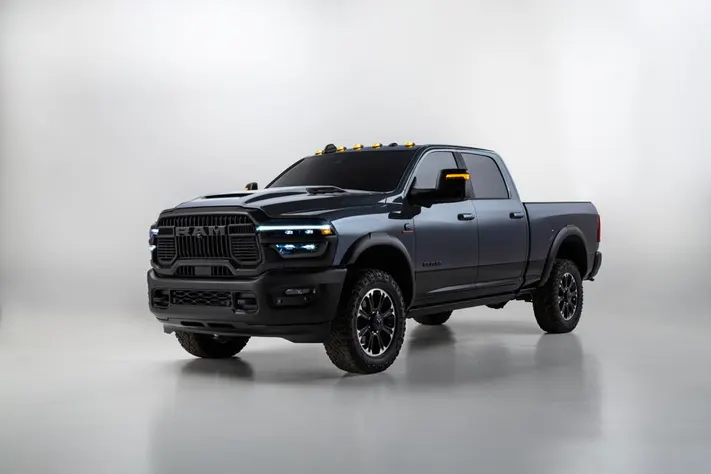
For over a century, Ram Trucks has redefined what it means to drive a pickup. From its rugged beginnings to its modern-day blend of brute strength and luxury, Ram has cemented its reputation as a leader in the truck industry. With a lineup that spans light-duty workhorses to heavy-duty titans and adrenaline-pumping off-roaders, Ram offers something for every driver. This comprehensive guide dives deep into the engineering, features, and innovations that make Ram Trucks a force to be reckoned with.
The Evolution of Ram Trucks
Ram’s story began in 1981 when Dodge introduced the Ram nameplate, inspired by the iconic ram’s-head hood ornament that symbolized power and resilience. Over the decades, Ram evolved from a utilitarian work truck to a sophisticated, tech-laden marvel. In 2009, Ram became its own brand under Fiat Chrysler (now Stellantis), focusing exclusively on trucks and commercial vehicles.
Key Milestones:
- 1989: First-generation Dodge Ram introduced with bold, semi-truck styling.
- 2009: Ram becomes a standalone brand.
- 2019–2021: Ram 1500 wins North American Truck of the Year three years in a row.
- 2023: Introduction of the Ram 1500 REV, an all-electric concept with 500-mile range.
The Ram Lineup: Models for Every Need
Ram’s diverse range ensures there’s a truck tailored to every lifestyle, from daily commutes to industrial workloads.
1. Ram 1500: The Versatile Performer
The Ram 1500 is the brand’s best-selling model, balancing capability with everyday comfort.
- Engine Options:
- 3.6L Pentastar V6 + eTorque: 305 HP, 269 lb-ft torque | 20 MPG city/26 MPG highway.
- 5.7L HEMI V8 + eTorque: 395 HP, 410 lb-ft torque | 17 MPG city/23 MPG highway.
- 3.0L EcoDiesel V6: 260 HP, 480 lb-ft torque | 22 MPG city/32 MPG highway.
- Towing & Payload: Up to 12,750 lbs towing and 2,300 lbs payload.
- Trim Highlights:
- Tradesman: Starts at $38,585 | Vinyl seats, 8.4-inch touchscreen, work-ready features.
- Laramie: Starts at $52,370 | Leather upholstery, 12-inch Uconnect infotainment, heated/ventilated seats.
- Limited: Starts at $66,840 | Massaging seats, 19-speaker Harman Kardon audio, adaptive air suspension.
2. Ram 2500/3500 Heavy Duty: Unstoppable Workhorses
Built for extreme towing and payload, these trucks dominate construction sites and farms.
- Engine Options:
- 6.4L HEMI V8: 410 HP, 429 lb-ft torque | 13 MPG combined.
- 6.7L Cummins Turbo Diesel I6: 370 HP, 850 lb-ft torque (1,075 lb-ft with High-Output).
- Max Capabilities:
- Ram 3500: 37,090 lbs max towing (gooseneck) | 7,680 lbs payload.
- Key Features: Dual alternators, reinforced frames, and Power Wagon off-road package.
3. Ram 1500 TRX: The Off-Road Beast
The TRX is Ram’s answer to high-performance off-roading, blending desert-racing DNA with street legality.
- Engine: Supercharged 6.2L Hellcat V8 (702 HP, 650 lb-ft torque).
- Performance: 0–60 mph in 4.5 seconds | 35-inch tires, 13 inches of suspension travel.
- Price: Starts at $93,385.
4. Ram Chassis Cab: Commercial-Grade Flexibility
Designed for upfitting, the Chassis Cab supports vocational uses like tow trucks and utility vehicles.
- GVWR: Up to 19,780 lbs.
- Engine Options: Gas and diesel powertrains.
Engineering Excellence: Powertrains Demystified
Ram’s engines are engineered for specific missions, from fuel efficiency to raw power.
1. HEMI V8: The Muscle
- 5.7L HEMI V8: A legendary engine with cylinder deactivation for better fuel economy.
- Best For: Drivers prioritizing towing and acceleration.
2. 3.0L EcoDiesel: The Efficiency King
- Torque: 480 lb-ft | Range: 1,000+ miles per tank.
- Best For: Long-haul drivers and eco-conscious buyers.
3. Cummins Turbo Diesel: The Heavy-Duty Hero
- 6.7L Cummins: Known for million-mile durability and class-leading torque. Learn more at Cummins’ Official Site.
- Best For: Industrial towing and extreme payloads.
4. eTorque Hybrid System: Smarter Power
- Function: A 48V mild hybrid system that assists acceleration and improves start-stop efficiency.
- Benefits: 10% better fuel economy and smoother operation.
Towing and Payload Mastery
Ram’s towing technology ensures confidence, whether hauling a trailer or heavy equipment.
1. Advanced Towing Features
- Trailer Reverse Steering Control: Dial in your trailer’s path with a rotary knob.
- Smart Hitch: Sensors measure tongue weight for optimal balance.
- 360-Degree Camera System: Eliminates blind spots during hitching.
2. Real-World Towing Guide
| Model | Max Towing | Sample Load |
|---|---|---|
| Ram 1500 HEMI | 12,750 lbs | 28-foot RV, 3-horse trailer |
| Ram 3500 Cummins | 37,090 lbs | Large excavator, 40-foot gooseneck |
| Ram 1500 TRX | 8,100 lbs | Off-road camper, ATV trailer |
Interior Innovation: Where Luxury Meets Utility
Ram’s cabins are renowned for their refinement, blending premium materials with practical design.
1. Uconnect 5 Infotainment
- 12-inch Touchscreen: Wireless Apple CarPlay/Android Auto, navigation, and split-screen functionality.
- Voice Command: “Hey Ram” integrates with Alexa for hands-free control.
2. Storage Solutions
- RamBox Cargo System: Lockable, weatherproof bedside storage with drain plugs and LED lighting.
- Multifunction Tailgate: Choose between a traditional drop-down or split “barn door” design.
3. Luxury Amenities
- Ventilated Seats: Standard on Laramie and higher trims.
- Panoramic Sunroof: Available on Limited and TRX models.
Off-Road Dominance: TRX, Power Wagon, and Rebel
Ram’s off-road models are engineered to conquer rugged terrain.
1. Ram 1500 TRX
- Key Features:
- Bilstein Black Hawk adaptive suspension.
- Seven drive modes (Baja, Rock, Snow).
- Underbody armor and 35-inch all-terrain tires.
2. Ram 2500 Power Wagon
- Key Features:
- 12,000-lb Warn winch.
- Electronic locking differentials and disconnecting sway bars.
3. Ram Rebel
- Starting Price: $51,000.
- Highlights: 33-inch tires, off-road-tuned suspension, and skid plates.
Safety and Driver Assistance
Ram prioritizes safety with advanced tech to protect drivers and cargo.
1. Advanced Safety Group ($1,195)
- Adaptive Cruise Control with Stop & Go.
- Lane-Keep Assist and Blind-Spot Monitoring.
- Drowsy Driver Detection.
2. Crash Test Ratings
- NHTSA: 5/5 stars for Ram 1500.
- IIHS: “Good” ratings across all categories.
Customization and Accessories
Ram offers endless personalization options to tailor trucks for work or play.
1. Mopar Performance Parts
- Lift Kits: Up to 6 inches for off-roading.
- Cold-Air Intakes: Boost horsepower and engine sound. Explore at Mopar’s Official Site.
2. Work-Ready Upgrades
- Snow Plow Prep Package: Heavy-duty alternator and wiring harness.
- Deployable Bed Step: Simplifies access to the truck bed.
Pricing and Trim Comparison
| Model | Starting Price | Key Features |
|---|---|---|
| Ram 1500 Tradesman | $38,585 | Vinyl seats, 8.4-inch touchscreen |
| Ram 2500 Power Wagon | $62,640 | Off-road package, front winch |
| Ram 1500 Limited | $66,840 | Massaging seats, adaptive suspension |
| Ram TRX | $93,385 | 702 HP Hellcat engine, off-road tech |
Ram vs. Competitors
| Feature | Ram 1500 | Ford F-150 | Chevy Silverado |
|---|---|---|---|
| Base Price | $38,585 | $38,565 | $37,695 |
| Max Towing | 12,750 lbs | 14,000 lbs | 13,300 lbs |
| Interior Luxury | Premium materials | Functional design | Durable plastics |
| Diesel Torque | 480 lb-ft | 500 lb-ft | 460 lb-ft |
Ram’s Edge: Superior ride comfort, quieter cabin, and innovative storage solutions. Compare models at MotorTrend.
The Future of Ram Trucks
- Ram 1500 REV (2025): All-electric with 500-mile range, 654 HP, and 14,000 lbs towing.
- Hybrid Models: Combining HEMI power with electric efficiency for reduced emissions.
Final Thoughts
Ram Trucks stand at the intersection of power, innovation, and refinement. Whether you’re hauling heavy loads, navigating rocky trails, or cruising in luxury, Ram delivers a no-compromise experience. With a legacy rooted in durability and a future focused on electrification, Ram continues to push the boundaries of what a truck can achieve.
Explore Further:
- Build your own Ram: Ram Truck Configurator.
- Compare models: Ram vs. Ford vs. Chevy.
- Locate a dealer: Ram Dealer Network.
From worksites to weekend adventures, Ram Trucks prove that true capability never goes out of style.
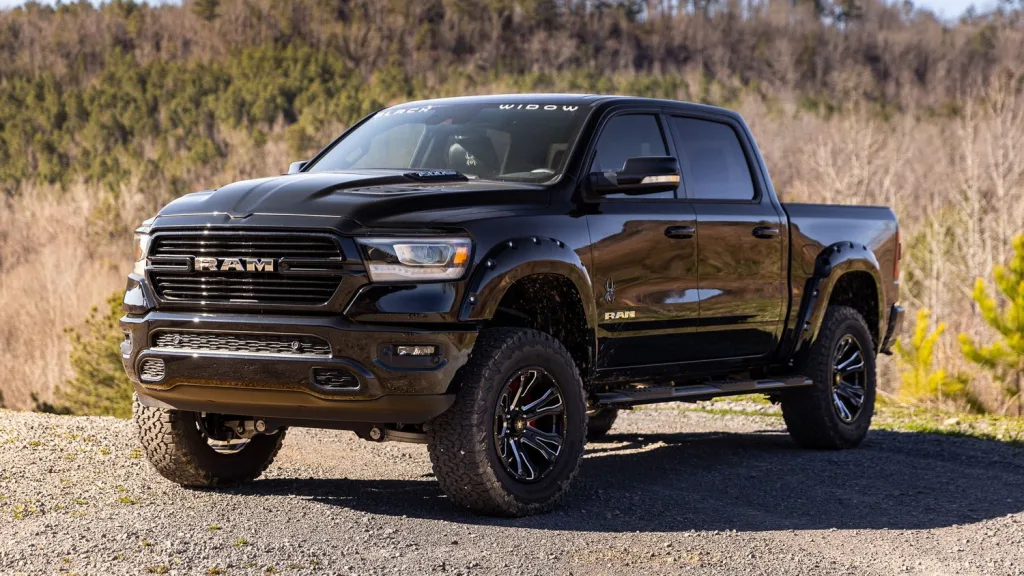
For over a century, Ram Trucks has carved its name into the automotive industry as a symbol of rugged capability, innovation, and uncompromising durability. From worksites to highways, Ram’s lineup—ranging from the light-duty Ram 1500 to the mighty heavy-duty Ram 3500—delivers a blend of muscle, technology, and refinement that consistently sets it apart. In this deep dive, we explore what makes Ram Trucks a top choice for adventurers, tradespeople, and families alike.
A Legacy Built on Strength
Ram’s origins trace back to 1981, when Dodge first introduced the Ram nameplate as a standalone truck brand. However, its roots run deeper: The iconic Ram emblem, inspired by the rugged bighorn sheep, became synonymous with Dodge trucks in the 1930s. Today, Ram Trucks operates as its own division under Stellantis, focusing solely on crafting trucks that balance brute force with modern sophistication.
Award-Winning Pedigree:
- The Ram 1500 has claimed North American Truck of the Year three times (2019, 2020, 2021).
- J.D. Power consistently ranks Ram high for dependability and customer satisfaction.
The Ram Lineup: Models for Every Mission
Ram’s diverse range ensures there’s a truck tailored to every need, whether it’s daily commuting, heavy hauling, or off-grid adventures.
1. Ram 1500: The Light-Duty Powerhouse
- Engines:
- 3.6L Pentastar V6 (305 hp, 269 lb-ft) with eTorque mild hybrid.
- 5.7L HEMI V8 (395 hp, 410 lb-ft) with optional eTorque.
- 3.0L EcoDiesel V6 (480 lb-ft torque, best-in-class 1,000-mile range).
- Towing & Payload: Up to 12,750 lbs towing and 2,300 lbs payload.
- Trim Highlights:
- Tradesman: Affordable work-ready specs.
- Limited: Luxury with massaging seats, 12-inch touchscreen, and premium leather.
- TRX: A 702-hp supercharged beast for off-road dominance.
2. Ram 2500/3500 Heavy Duty: Built for the Toughest Jobs
- Engines:
- 6.4L HEMI V8 (410 hp, 429 lb-ft).
- 6.7L Cummins Turbo Diesel (up to 1,075 lb-ft torque).
- Towing & Payload:
- Ram 3500: 37,090 lbs max towing (gooseneck), 7,680 lbs payload.
- Features: Dual alternators, upgraded axles, and adaptive steering.
3. Ram 1500 TRX: The Off-Road King
- Engine: Supercharged 6.2L Hellcat V8 (702 hp, 650 lb-ft).
- Capabilities: 11.8 inches of ground clearance, 35-inch tires, and Bilstein Black Hawk adaptive suspension.
- 0–60 mph: 4.5 seconds—faster than many sports cars.
4. Ram Chassis Cab: Commercial-Grade Versatility
Ideal for upfitting with dump beds, tow trucks, or utility boxes. Offers gas and diesel powertrains with 19,780 lbs GVWR.
Innovation Meets Utility: Standout Features
Ram Trucks blend brawn with brains, offering tech that enhances both productivity and comfort.
Interior Excellence
- Uconnect 5 Infotainment: 12-inch touchscreen with wireless Apple CarPlay/Android Auto.
- Reconfigurable Cabin: Flat-fold seats, under-seat storage, and optional RamBin compartments.
- Luxury Options: Ventilated seats, Harman Kardon audio, and panoramic sunroof.
Towing and Hauling Tech
- Trailer-Tow Mirrors: Extendable with integrated cameras.
- Trailer Reverse Steering Control: Simplifies backing up with a trailer.
- Smart Hitch: Measures tongue weight for safer towing.
Ram Exclusive Innovations
- RamBox Cargo Management: Waterproof, lockable bedside storage with drain plugs.
- Multifunction Tailgate: Swing-open or split “barn door” design.
- Active-Level Four-Corner Air Suspension: Auto-adjusts for load balance.
Performance: More Than Raw Power
Ram’s engines are engineered for efficiency without sacrificing capability.
- EcoDiesel Advantage: Combines 480 lb-ft torque with 22 MPG highway (Ram 1500).
- Hybrid Readiness: The eTorque system adds seamless start-stop and torque assist.
- Proven Durability: Cummins diesel engines are renowned for million-mile longevity.
Safety: Confidence on Every Terrain
Ram’s Advanced Safety Group includes:
- Adaptive Cruise Control with Stop & Go.
- Blind-Spot Monitoring with Trailer Detection.
- 360-Degree Camera System.
- Forward Collision Warning with Active Braking.
The Ram 1500 earns a 5-Star NHTSA Safety Rating, while IIHS praises its crashworthiness.
Customization and Accessories
Ram offers endless personalization:
- Mopar Performance Parts: Lift kits, cold-air intakes, and off-road bumpers.
- Factory Accessories: Bed liners, snow plow prep, and deployable bed steps.
- App Integration: Use the Ram app to track maintenance, start the engine, or locate your truck.
Pricing and Trim Breakdown
- Ram 1500 Tradesman: Starting at $38,585 (work-focused value).
- Ram 1500 Laramie: From $52,370 (luxury meets utility).
- Ram 2500 Power Wagon: $62,640 (off-road heavy-duty specialist).
- Ram TRX: Begins at $93,385 (high-performance flagship).
Leasing options and incentives (like $1,000 bonus cash) are frequently available on Ram’s official site.
Why Choose Ram Over Competitors?
- Refinement: Ram’s cabins outclass Ford F-150 and Chevrolet Silverado in luxury.
- Towing Tech: Smarter features than GM’s ProGrade Trailering System.
- Diesel Dominance: Cummins engines outperform Ford’s Power Stroke in torque.
The Future of Ram: Electrification and Beyond
Ram is charging into the electric era with the 2025 Ram 1500 REV, an all-electric pickup promising 500 miles of range, 654 hp, and 14,000 lbs towing capacity. Meanwhile, hybrid models bridge the gap for eco-conscious drivers.
Final Thoughts
Ram Trucks aren’t just vehicles—they’re tools, companions, and statements. Whether you’re hauling heavy equipment, navigating rocky trails, or cruising in plush comfort, Ram delivers a no-compromise experience. With cutting-edge tech, relentless power, and a commitment to innovation, Ram solidifies its place as a leader in the truck world.
Explore More:
- Build your own Ram Truck: Ram Truck Configurator.
- Compare models: Ram vs. Ford vs. Chevy.
- Locate a dealer: Ram Dealer Network.
From job sites to weekend escapes, Ram Trucks prove that true capability never goes out of style.
Connect with us


