





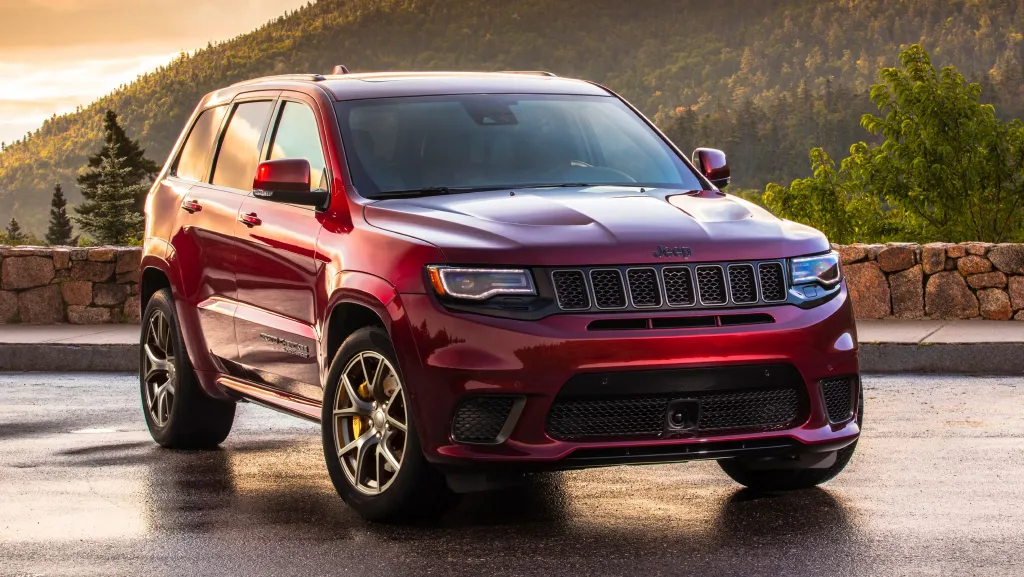
Why is Jeep Discontinuing the Cherokee?
Jeep, a brand synonymous with rugged SUVs and off-road prowess, recently announced the discontinuation of the Jeep Cherokee, a decision that has captured the attention of automotive enthusiasts and industry experts around the globe. The Jeep Cherokee, once a cornerstone of Jeep’s lineup, has been known for its reliable performance and versatile capabilities suited for both off-road trails and urban environments. This move by Jeep to discontinue one of its iconic models is influenced by a confluence of market dynamics, consumer preferences, and strategic brand realignment.
As the automotive industry evolves, consumer preferences have significantly shifted towards larger SUVs equipped with the latest technology and enhanced safety features. This trend is accompanied by an increasing demand for environmentally friendly vehicles, steering the market towards hybrid and electric models. The decision to phase out the Cherokee allows Jeep to realign its resources and focus on developing next-generation vehicles that not only meet these emerging market demands but also align with global sustainability goals.
Why is Jeep Discontinuing Cherokee? Market Shifts and Consumer Preferences
One of the primary reasons for discontinuing the Jeep Cherokee is the significant shift in market dynamics and evolving consumer preferences. Over the past decade, the automotive landscape has undergone a transformation, with an increasing focus on larger SUVs and crossovers. Consumers now favor vehicles that offer greater space, enhanced versatility, and multifunctionality, particularly those that can accommodate larger families and provide ample cargo capacity. This trend has led to a decline in demand for traditional midsize SUVs like the Cherokee, as buyers increasingly prioritize the roominess, comfort, and utility found in larger models. The result is a strategic realignment by automakers, including Jeep, to focus on producing vehicles that better meet these shifting preferences, ultimately leading to the Cherokee’s discontinuation.
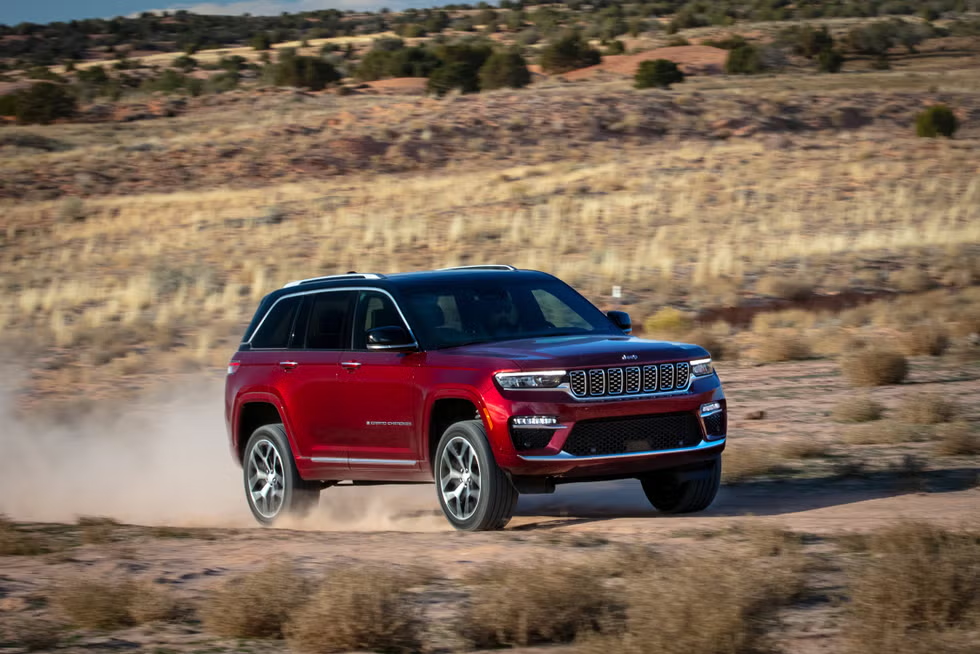
Why is Jeep Discontinuing Cherokee? Declining Sales Figures
Sales data further underscores the decision to discontinue the Jeep Cherokee, as the model has experienced a notable decline in recent years. Despite its rich history and off-road capability, the Cherokee has struggled to maintain a competitive edge in the increasingly crowded midsize SUV market. According to industry reports, the Cherokee has consistently lagged behind rivals such as the Toyota RAV4, Honda CR-V, and Ford Escape—models that have not only outsold the Cherokee but have also set new benchmarks in terms of sales volume, features, and consumer appeal. This ongoing disparity in performance made it increasingly difficult for Jeep to justify the Cherokee’s continued production, prompting a strategic shift towards more popular and profitable models.
Why is Jeep Discontinuing Cherokee? Strategic Repositioning
Jeep is undergoing a strategic repositioning of its product lineup to better align with shifting consumer preferences and market trends. This move focuses on transitioning from traditional midsize SUVs like the Jeep Cherokee to a portfolio that emphasizes premium, high-margin vehicles. With the introduction of the Jeep Grand Cherokee L and the Jeep Wagoneer, Jeep is targeting the lucrative upper-tier SUV market, aiming to cater to customers who prioritize luxury, space, and advanced technology.
The Grand Cherokee L represents a significant evolution in Jeep’s lineup, offering three-row seating for the first time in the model’s history. This addition broadens its appeal to families and buyers who require more passenger capacity, while still delivering the off-road capability and rugged performance Jeep is known for. Similarly, the Wagoneer and its upscale counterpart, the Grand Wagoneer, mark Jeep’s bold entry into the full-size luxury SUV segment. These models are designed to compete with industry stalwarts like the Cadillac Escalade and Lincoln Navigator, offering a blend of opulent interiors, cutting-edge technology, and powerful performance.
By discontinuing the Cherokee, Jeep can reallocate valuable resources—both in terms of production capacity and financial investment—to these newer, more profitable models. The Cherokee, despite its historical significance and strong brand recognition, has struggled in recent years due to intense competition in the midsize SUV segment from models like the Toyota RAV4, Honda CR-V, and Ford Escape. Focusing on the Grand Cherokee L and Wagoneer allows Jeep to channel its efforts into vehicles that better meet current consumer demands for spaciousness, luxury, and advanced features.
Moreover, this repositioning supports Jeep’s long-term strategic goals, including its commitment to electrification. Upcoming models like the Jeep Grand Cherokee 4xe and the anticipated all-electric Wagoneer will offer eco-conscious buyers the option of driving a Jeep that combines traditional performance with environmental sustainability. This shift not only aligns Jeep with global trends toward reducing emissions but also positions the brand as a forward-thinking leader in the evolving automotive landscape.
In essence, Jeep’s decision to discontinue the Cherokee is part of a calculated strategy to optimize its product lineup, focusing on vehicles that promise higher profitability and stronger alignment with modern consumer preferences. By investing in the Grand Cherokee L, Wagoneer, and future electric models, Jeep is positioning itself for continued growth and success in a competitive market.
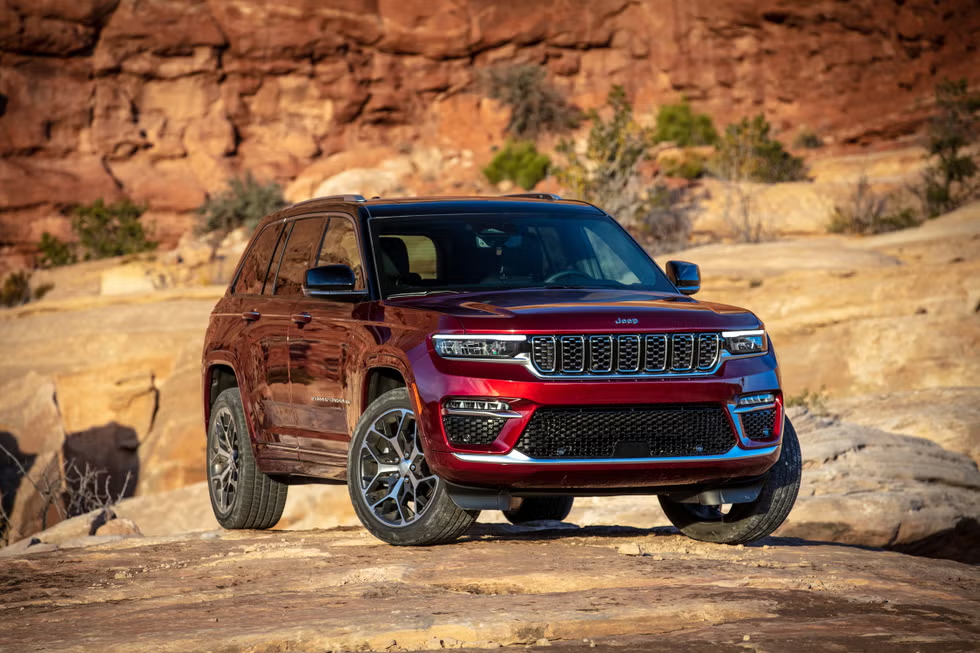
Why is Jeep Discontinuing Cherokee? Electrification and Future Plans
Another crucial factor in Jeep’s decision to discontinue the Cherokee is its commitment to electrification. The automotive industry is undergoing a significant transformation, with a rapid shift toward electric vehicles (EVs) as consumers and governments alike push for more sustainable transportation solutions. Jeep, known for its rugged off-road vehicles, is embracing this change and has announced ambitious plans to introduce several new electric and hybrid models in the coming years.
By discontinuing the Cherokee, Jeep can streamline its product lineup, allowing the brand to focus its resources—both in terms of research and development and marketing—on its future EV offerings. This strategic pivot is designed to position Jeep as a leader in the evolving SUV market, ensuring it remains competitive as the industry moves toward greater electrification.
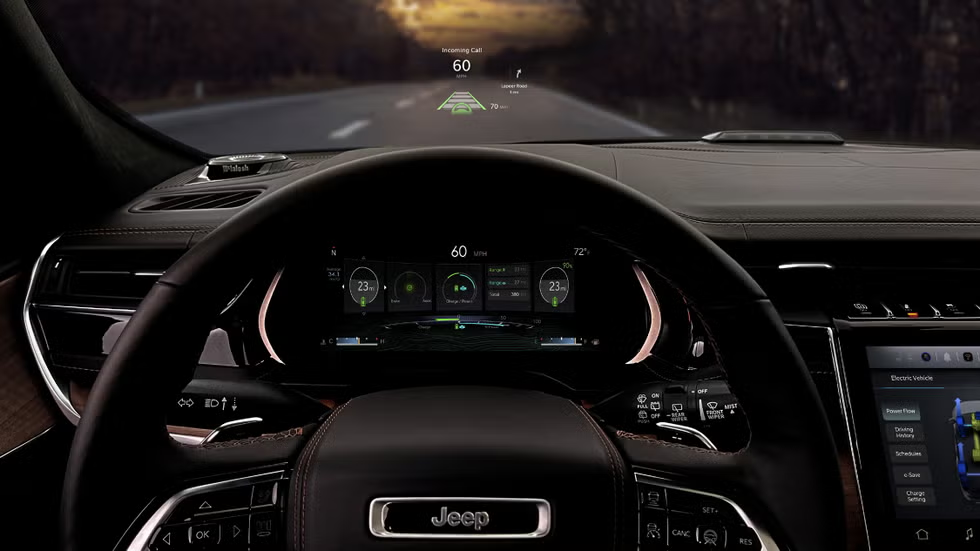
Among the exciting new models in Jeep’s electrified future are the all-electric Jeep Wagoneer and the Jeep Grand Cherokee 4xe. The all-electric Wagoneer is set to offer a powerful, eco-friendly alternative to traditional full-size SUVs, combining Jeep’s legendary off-road capability with the benefits of zero-emission driving. Similarly, the Grand Cherokee 4xe, a plug-in hybrid, delivers impressive performance while reducing the vehicle’s environmental impact. It provides the versatility and ruggedness Jeep is known for, but with the added benefit of electric-only driving capabilities for short trips, enhanced fuel efficiency, and reduced emissions.
Jeep’s commitment to electrification not only aligns with global efforts to combat climate change but also positions the brand to meet stringent emission regulations being implemented worldwide. This move is crucial for ensuring long-term sustainability and keeping pace with competitors who are also making significant strides in the EV market. By focusing on its electrified models, Jeep can continue to appeal to its loyal customer base while attracting a new generation of environmentally conscious drivers.
Why is Jeep Discontinuing Cherokee? Production and Manufacturing Considerations
The production and manufacturing considerations also played a role in this decision. The Belvidere Assembly Plant in Illinois, where the Cherokee was manufactured, faced challenges, including production slowdowns and layoffs. Jeep’s parent company, Stellantis, is looking to optimize its manufacturing processes and facilities. Discontinuing the Cherokee helps Jeep streamline its production operations and potentially repurpose the Belvidere plant for future models or EV production.
Why is Jeep Discontinuing Cherokee? Conclusion

The decision to discontinue the Jeep Cherokee is a strategic move driven by market trends, declining sales, and the brand’s future direction towards electrification and premium SUVs. While the Cherokee has been a beloved model with a rich history, Jeep is positioning itself to better compete in the evolving automotive landscape. For fans of the brand, this means looking forward to new and innovative models that continue Jeep’s legacy of ruggedness and adventure.
For more details on Jeep’s future plans and the discontinuation of the Cherokee, you can visit the Jeep Official Website and check out industry analyses on MotorTrend and Car and Driver.
FAQs: Why is Jeep Discontinuing the Cherokee?
Why is Jeep discontinuing the Cherokee?
Jeep is discontinuing the Cherokee due to shifts in market trends, declining sales, and a strategic focus on larger SUVs and electric vehicles (EVs). The demand for midsize SUVs like the Cherokee has decreased as consumers prefer larger models with more space and versatility.
Is the Jeep Cherokee being discontinued due to low sales?
Yes, declining sales have been a significant factor in the decision to discontinue the Cherokee. Competing models like the Toyota RAV4, Honda CR-V, and Ford Escape have consistently outsold the Cherokee in recent years, making it less competitive in the midsize SUV market.
What will Jeep focus on after discontinuing the Cherokee?
Jeep plans to focus on larger, more premium SUVs like the Jeep Grand Cherokee L and the Jeep Wagoneer. These models cater to the growing demand for spacious and luxury SUVs. Additionally, Jeep is focusing on its future electric vehicle lineup, including EV versions of popular models.
Is Jeep discontinuing the Cherokee to make way for electric vehicles?
Yes, Jeep is committed to electrification and aims to streamline its product lineup to focus on future electric and hybrid vehicles. Discontinuing the Cherokee allows Jeep to allocate more resources to developing its EV models, such as the all-electric Jeep Wagoneer and Jeep Grand Cherokee 4xe.
What will happen to the Belvidere Assembly Plant where the Cherokee is produced?
The Belvidere Assembly Plant in Illinois, where the Cherokee was manufactured, faced production challenges, including slowdowns and layoffs. Stellantis, Jeep’s parent company, may repurpose the plant for future vehicle production, potentially focusing on electric models.
What does this mean for Jeep fans?
While the Cherokee is being discontinued, Jeep fans can look forward to new and innovative models that align with market trends. This includes a stronger focus on premium SUVs and electric vehicles, continuing the brand’s legacy of adventure and rugged performance.
How have market trends influenced Jeep’s decision to stop producing the Cherokee?
Market trends showing a preference for larger SUVs and crossovers with advanced features and electrification capabilities have made it challenging for the Cherokee to compete effectively, influencing Jeep’s decision to discontinue the model.
How will Jeep’s focus on larger and more luxurious SUVs impact its lineup?
By discontinuing the Cherokee, Jeep aims to reallocate resources to develop and promote larger, more luxurious SUVs like the Grand Cherokee and the Wagoneer, which align with current consumer demands for more space and luxury.
Are there any incentives for current Jeep Cherokee owners following the discontinuation?
Current Jeep Cherokee owners can check with local dealerships for any available loyalty incentives or options to trade in their vehicles as Jeep transitions its lineup.
Where can consumers find more information about the discontinuation of the Jeep Cherokee?
Consumers can visit Jeep’s official website or contact local dealerships for the most up-to-date information regarding the discontinuation of the Cherokee and details about the current and upcoming vehicle lineup.
How does the discontinuation of the Cherokee align with Stellantis’ overall strategy?
Stellantis is optimizing its brand portfolio and manufacturing strategies to better align with global market trends and efficiency goals. Discontinuing the Cherokee is part of this strategy to focus on more profitable and popular models.
What alternatives does Jeep offer to the Cherokee in its current lineup?
Jeep offers several alternatives to the Cherokee, including the smaller Jeep Compass and the larger Jeep Grand Cherokee, which provide similar capabilities with updated features and options.
Will Jeep introduce any new models to replace the Cherokee?
While there is no direct replacement announced for the Cherokee, Jeep is expected to introduce new models and variants in the SUV and crossover categories that will cater to similar market segments.
How will Jeep ensure service and parts availability for existing Cherokee owners?
Jeep will continue to support existing Cherokee owners by ensuring the availability of parts and service through its dealer network and service centers globally.
What impact will the discontinuation of the Cherokee have on Jeep’s market share in the SUV segment?
Jeep anticipates that focusing on its larger and more luxurious SUV models will compensate for any potential loss in market share due to the discontinuation of the Cherokee.
How does Jeep plan to address the needs of customers looking for midsized SUVs going forward?
Jeep intends to address the needs of midsized SUV customers by enhancing the features, efficiency, and capabilities of its remaining SUV lineup and by introducing new models that reflect current consumer preferences.
What are the environmental implications of discontinuing the Cherokee in favor of more electric and hybrid models?
Discontinuing the Cherokee in favor of electrified models aligns with global environmental goals to reduce emissions. This shift will help Jeep reduce its carbon footprint and meet increasingly stringent emission regulations.
How have consumer feedback and market research influenced Jeep’s decision regarding the Cherokee?
Consumer feedback and market research have shown a shift in preferences towards vehicles with higher utility, advanced technology, and better fuel efficiency, guiding Jeep’s decision to streamline its offerings.
Will the discontinuation of the Cherokee affect Jeep’s pricing strategy for other models?
Jeep may adjust the pricing strategy for its other models to ensure competitiveness in the market, potentially offering more features or competitive pricing structures to attract former Cherokee buyers and new customers.
How is Jeep communicating this change to its customers and dealerships?
Jeep is actively communicating with customers and dealerships through official announcements, updates on its website, and direct communications to ensure transparency about the discontinuation of the Cherokee and to highlight the enhanced features and benefits of its broader model lineup.
Connect with us


