





Cummins engines are renowned for their durability, reliability, and longevity, making them a popular choice for heavy-duty trucks, construction equipment, and marine applications. Whether you’re driving a RAM 2500 with a Cummins diesel or operating industrial machinery, it’s natural to wonder how long a Cummins engine can last. In this article, we’ll explore the typical lifespan of Cummins engines, the factors that affect their longevity, and how to maintain them to maximize their lifespan.
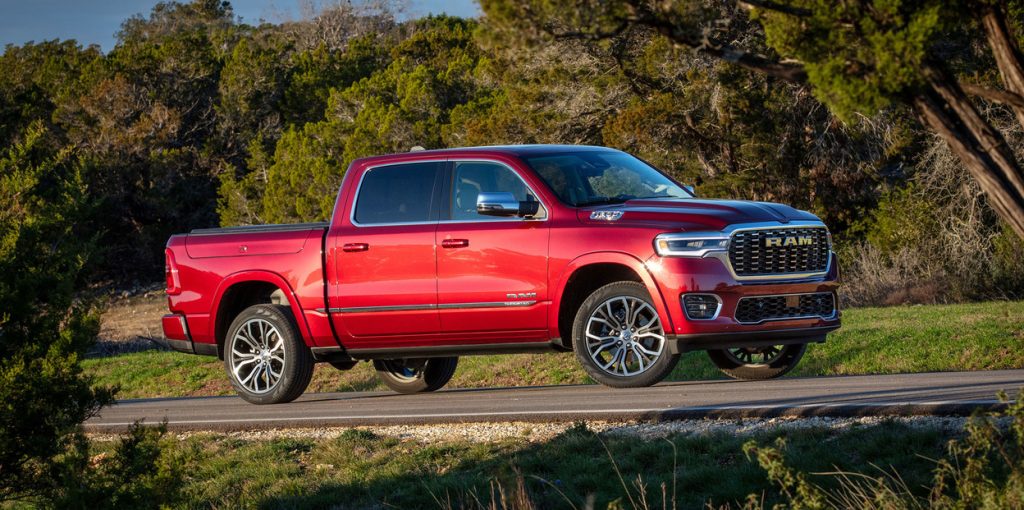
How Long Can a Cummins Engine Last? The Longevity of Cummins Engines
A well-maintained Cummins diesel engine can last 350,000 to 500,000 miles or more, with some even reaching over 1,000,000 miles in extreme cases. This durability is one of the key reasons Cummins engines are preferred for demanding applications like towing, heavy hauling, and industrial use. For vehicles, this means that a Cummins-powered truck can often outlast the rest of the vehicle’s components, especially if properly cared for.
Cummins engines are designed to endure heavy workloads, constant use, and harsh environments. The longevity of these engines is particularly apparent in Cummins’ 6.7L Turbo Diesel, found in RAM trucks, which is built to handle heavy-duty operations without significant wear and tear.

Factors That Impact the Life of a Cummins Engine
While Cummins engines are built to last, several factors can influence their overall lifespan. Here are the key factors that can affect how long a Cummins engine will run before needing a major overhaul or replacement:
1. Maintenance and Care
The single most important factor that determines the lifespan of a Cummins engine is routine maintenance. Consistent, high-quality care can add thousands of miles to an engine’s life. Some key maintenance tasks include:
- Oil Changes: Diesel engines, especially those under constant stress, need regular oil changes to ensure smooth operation and prevent unnecessary wear. For most Cummins engines, this should be done every 7,500 to 10,000 miles, depending on the driving conditions.
- Air and Fuel Filters: Clean air and fuel are critical to the engine’s performance and longevity. Replacing the air and fuel filters regularly (usually every 15,000 to 30,000 miles) ensures that debris and contaminants don’t damage internal components.
- Coolant System: Overheating can lead to serious engine damage. Maintaining proper coolant levels and replacing coolant as recommended is crucial to prevent overheating.
- Fuel Injector Maintenance: Diesel engines rely heavily on fuel injectors for efficient performance. Cleaning or replacing fuel injectors periodically ensures proper fuel delivery and combustion.
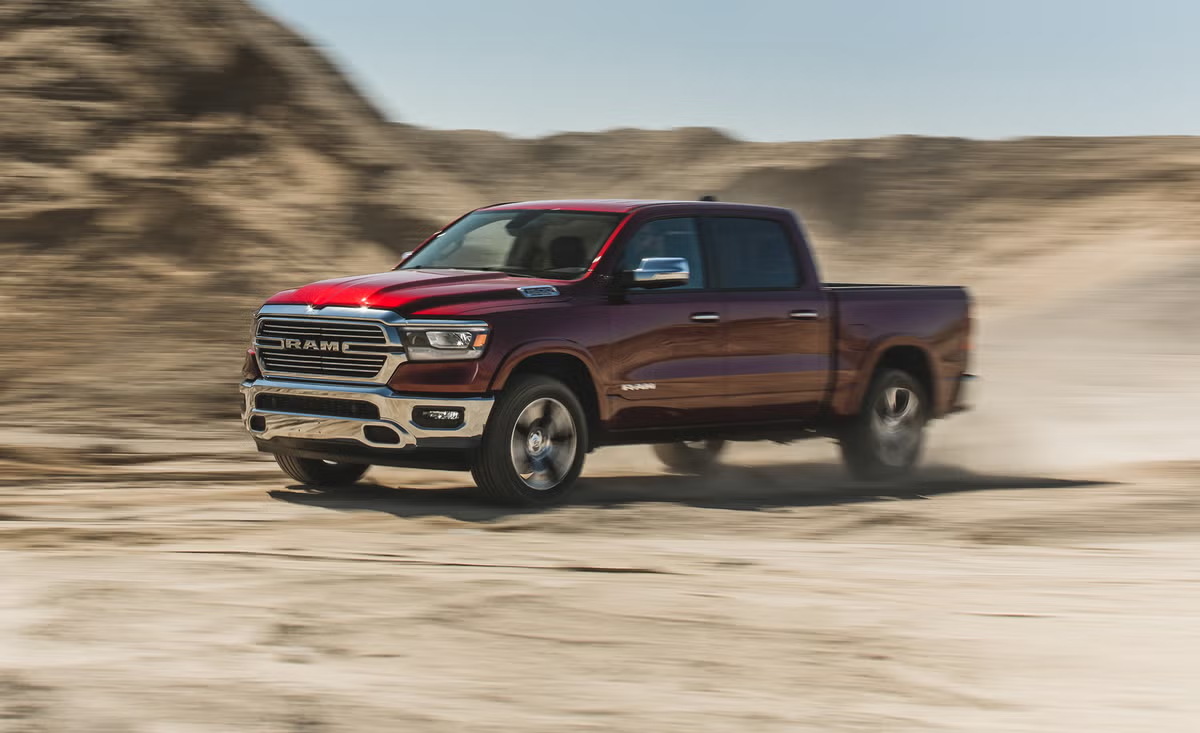
2. Driving Habits
How a vehicle is driven greatly impacts the lifespan of its engine. Engines that are constantly exposed to extreme conditions or are used for heavy towing regularly will experience more wear than those mainly used for lighter tasks. To preserve your Cummins engine, it’s important to:
- Avoid Excessive Idling: Extended idling can lead to inefficient combustion and carbon buildup, which may reduce engine life.
- Gentle Start-Ups: Allow the engine to warm up before driving, especially in cold weather, to prevent damage from sudden acceleration when the engine is still cold.
- Monitor Towing and Hauling: Cummins engines are built for towing, but consistently pushing the engine to its maximum towing capacity without breaks can strain internal components. Avoid exceeding the recommended towing capacity and allow the engine time to cool down after heavy loads.
3. Load and Usage
Cummins engines can be found in a variety of vehicles and machines, from pickup trucks to commercial equipment. The type of load the engine is subjected to can influence its lifespan. Trucks that frequently haul heavy loads or tow trailers will put more stress on the engine, reducing its longevity.
- Work vs. Personal Use: Engines used primarily for heavy-duty work, such as in construction or industrial settings, may wear down faster than those used for personal or lighter tasks, simply because they are operating at higher stress levels more often.
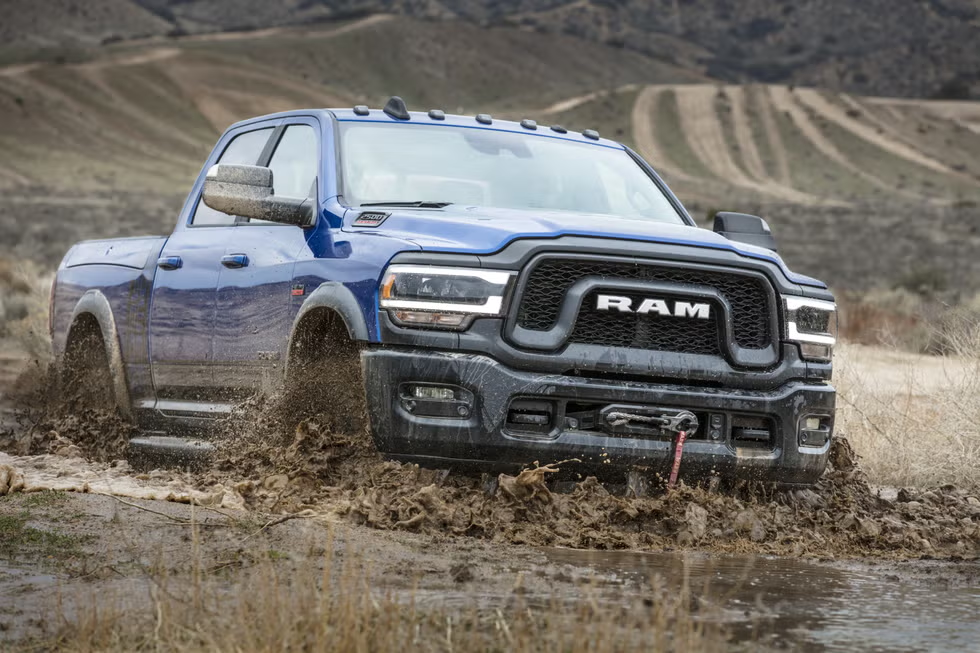
- Off-Roading: Off-road driving exposes the engine to additional stress from uneven terrain and heavy vibrations, which can cause increased wear on engine mounts and other components over time.
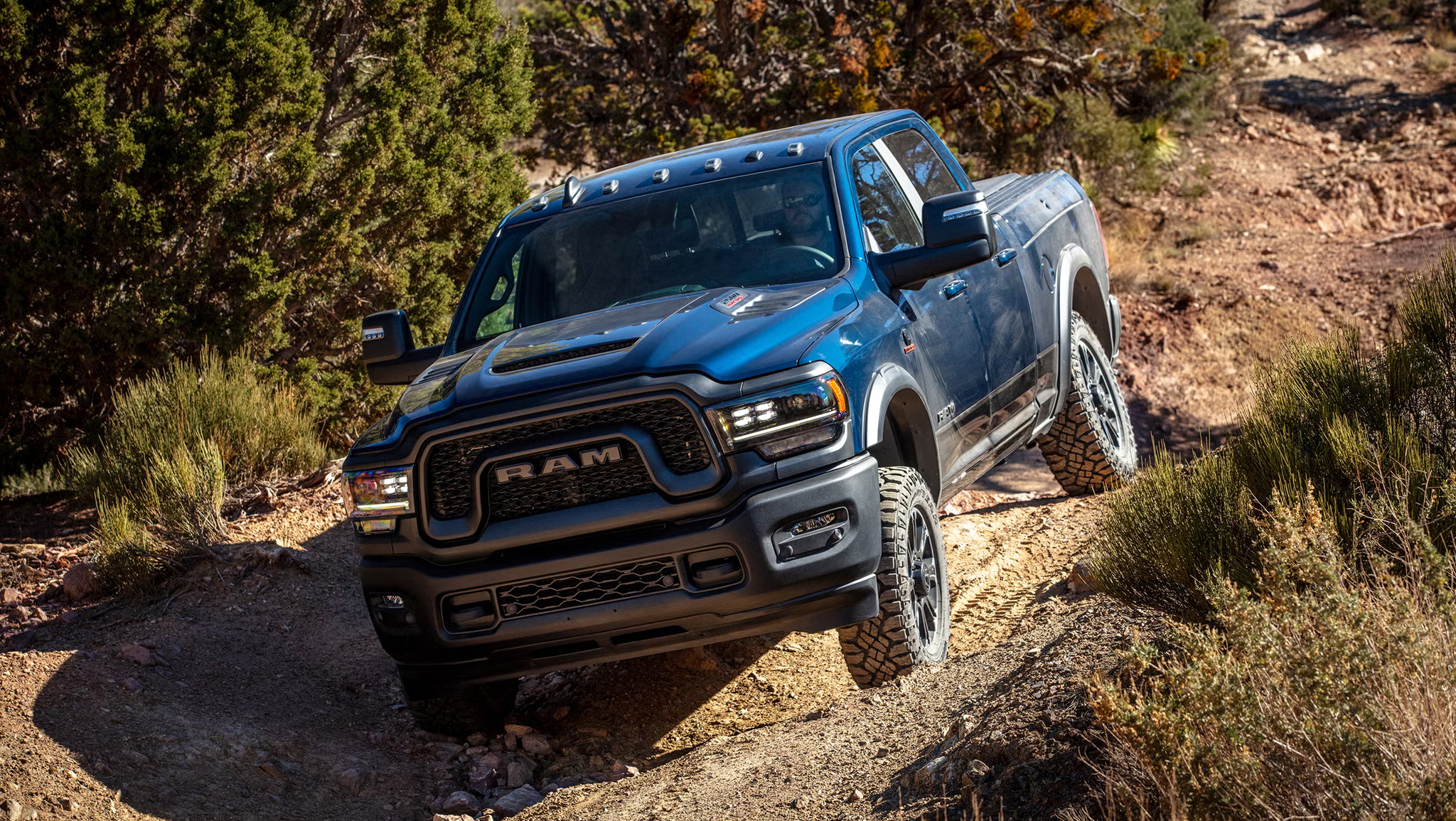
4. Environment
Environmental factors, such as climate and road conditions, also play a role in how long a Cummins engine can last. Engines operating in harsh conditions, like extreme heat or cold, or in environments with high humidity or salt exposure, may experience additional wear and tear.
- Cold Weather: In colder climates, diesel engines can take longer to start and may require additional care, such as using a block heater. Cold temperatures also thicken engine oil, making it harder for the engine to operate smoothly until it warms up.
- Hot Weather: Excessive heat can cause overheating in diesel engines if the cooling system isn’t properly maintained. It’s crucial to monitor the engine temperature, especially during hot weather or heavy towing.
5. How Long Can a Cummins Engine Last? Fuel Quality
The base model Ram 2500 equipped with a Cummins diesel engine showcases impressive longevity, often outlasting many components of the vehicle itself. This remarkable durability is a testament to the engineering prowess of Cummins and the robust design of their diesel engines. Even in its most basic configuration, a Ram 2500 with a Cummins powerplant can easily surpass 350,000 miles with proper maintenance, and it’s not uncommon for these engines to reach the 500,000-mile mark or beyond. The longevity of the Cummins diesel in the base model Ram 2500 is particularly noteworthy because it often exceeds the lifespan of other critical vehicle components such as the transmission, suspension, and body.
This means that while other parts of the truck may require replacement or significant repairs, the Cummins engine continues to perform reliably. Many owners report that their Cummins-powered Ram 2500 trucks have gone through multiple transmissions, sets of leaf springs, and even body panels due to rust, all while the original engine continues to run strong. This exceptional durability translates to excellent value for owners, as the engine’s longevity can significantly extend the useful life of the vehicle. For fleet operators and individual owners alike, the ability of the base model Ram 2500 with a Cummins engine to accumulate high mileage while maintaining performance and reliability can result in a lower total cost of ownership over the long term.

6. Factors That Impact the Life of a Cummins Engine
Cummins’s power and sales continue to grow, partly due to the engine’s reputation for longevity. This growth is evident in both the automotive sector and industrial applications. Cummins Inc. (NYSE: CMI) announced record sales figures in recent quarters, reflecting the ongoing demand for these robust diesel engines in heavy-duty trucks and other applications. The company’s success can be attributed to several factors:
- Reliability: Cummins engines are known for their ability to perform consistently under demanding conditions, making them a preferred choice for fleet operators and individual truck owners alike.
- Fuel Efficiency: As fuel costs remain a significant concern for the transportation industry, Cummins’ focus on developing more fuel-efficient engines has helped drive sales.
- Emissions Compliance: Cummins has invested heavily in developing engines that meet increasingly stringent emissions standards without sacrificing performance, appealing to environmentally conscious buyers and those in regulated markets.
- Versatility: Cummins engines are used not only in heavy-duty trucks but also in a wide range of applications including construction equipment, marine vessels, and power generation systems, broadening their market appeal.
- Aftermarket Support: The company’s extensive network of service centers and parts availability contributes to customer loyalty and repeat purchases.
- Technological Innovation: Cummins continues to invest in research and development, introducing new technologies such as advanced electronic controls and alternative fuel capabilities, keeping their products competitive in a rapidly evolving market.
The strong sales performance of Cummins engines, particularly in the heavy-duty truck segment, underscores the enduring appeal of diesel power in commercial applications, despite the growing interest in alternative powertrains. As the transportation industry continues to evolve, Cummins’ ability to adapt and innovate while maintaining its core strengths in diesel technology positions the company well for continued growth and market leadership.
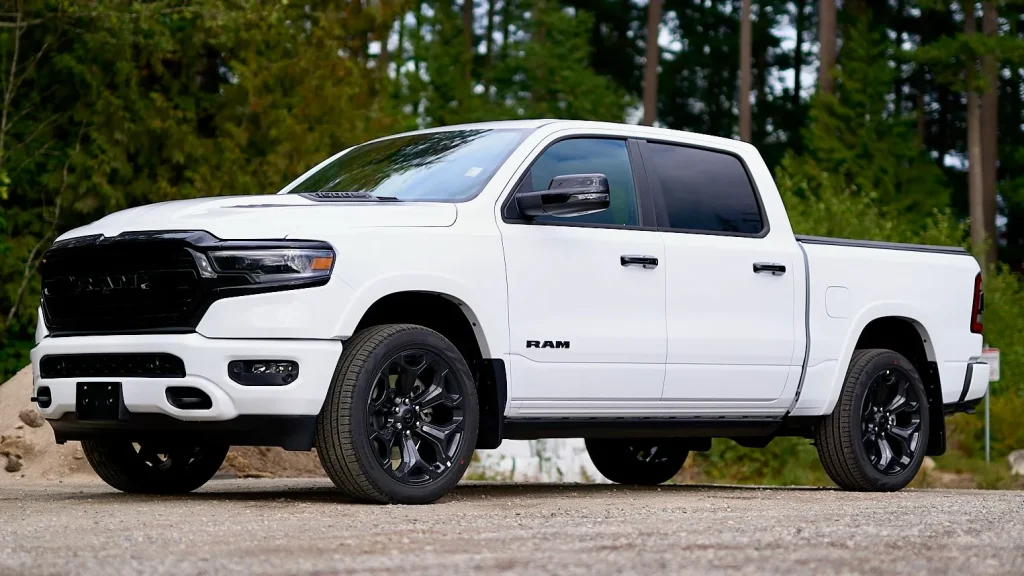
How Long Can a Cummins Engine Last? Maximizing the Lifespan of Your Cummins Engine
To get the most out of your Cummins engine and ensure it reaches its full potential lifespan, follow these essential tips:
1. Stick to a Maintenance Schedule
Adhering to a strict maintenance schedule is critical for keeping a Cummins engine running smoothly. This includes regular oil changes, air filter replacements, and fuel system maintenance. Always refer to your vehicle’s owner’s manual for the manufacturer’s recommended maintenance intervals.
2. Use Quality Parts and Fluids
When it comes time to replace parts or fluids, opt for high-quality, OEM (original equipment manufacturer) parts and fluids. Inferior parts may not last as long or perform as well, leading to premature engine wear.
3. Monitor Engine Performance
Pay attention to how your engine performs. Unusual sounds, vibrations, or changes in power or fuel efficiency can indicate potential issues. Addressing problems early can prevent larger, more expensive repairs down the road.
4. Avoid Short Trips and Excessive Idling
Short trips, especially in cold weather, don’t allow the engine enough time to warm up and operate efficiently, which can cause carbon buildup. Similarly, excessive idling can lead to carbon deposits and reduce engine performance over time.
5. Protect Against Rust and Corrosion
If you live in an area where road salt is common, or if your engine is exposed to moisture, rust and corrosion can become serious concerns. Regularly washing the engine compartment and applying rust protection can help mitigate these issues.
How Long Can a Cummins Engine Last? Conclusion
Cummins engines are known for their impressive longevity, with many lasting well beyond 500,000 miles when properly maintained. Factors such as regular maintenance, driving habits, environmental conditions, and the type of use can all impact how long a Cummins engine will last. With the right care and attention, your Cummins engine can continue delivering exceptional performance for years, if not decades. Whether you’re driving a RAM truck or operating heavy machinery, investing in proper maintenance will ensure that your Cummins engine remains a reliable workhorse for the long haul.
Cummins Engine Overview and Longevity – Cummins’s official website with details about their engines’ durability.Cummins 6.7L Engine Lifespan – Dodge Ram Forum discussion on engine longevity(
DODGE RAM FORUM – Dodge Truck Forums).Cummins Diesel Engine Longevity – Motor Trend article about Cummins diesel engines and their lifespan. Maintenance Tips to Extend Cummins Engine Life – An article providing tips to maximize the life of your Cummins engine. Longevity of Cummins Engines – Diesel Hub details on Cummins 6.7L longevity.
Cummins Engine FAQs
- Q: How long can a Cummins engine typically last? A: A well-maintained Cummins diesel engine can last 350,000 to 500,000 miles or more, with some even reaching over 1,000,000 miles in extreme cases.
- Q: What is the main factor affecting a Cummins engine’s lifespan? A: The single most important factor is routine maintenance, including regular oil changes, filter replacements, and proper care of the cooling system.
- Q: How often should oil be changed in a Cummins engine? A: For most Cummins engines, oil changes should be done every 7,500 to 10,000 miles, depending on driving conditions.
- Q: How frequently should air and fuel filters be replaced in a Cummins engine? A: Air and fuel filters should typically be replaced every 15,000 to 30,000 miles.
- Q: Does the type of use affect a Cummins engine’s lifespan? A: Yes, engines used primarily for heavy-duty work or frequently hauling heavy loads may wear down faster than those used for lighter tasks.
- Q: How do driving habits impact a Cummins engine’s longevity? A: Gentle start-ups, avoiding excessive idling, and not consistently pushing the engine to its maximum towing capacity can help preserve the engine.
- Q: Can environmental factors affect a Cummins engine’s lifespan? A: Yes, extreme temperatures, high humidity, and exposure to salt can cause additional wear and tear on the engine.
- Q: How does fuel quality impact a Cummins engine? A: Using high-quality fuel is crucial for maintaining engine performance and longevity.
- Q: Are Cummins engines in base model trucks as durable as those in higher-end models? A: Yes, even in base model trucks like the Ram 2500, Cummins engines often outlast many other vehicle components.
- Q: How do Cummins engines compare to other components in terms of longevity? A: Cummins engines often outlast other critical vehicle components such as the transmission, suspension, and body.
- Q: What are some signs that a Cummins engine may need attention? A: Unusual sounds, vibrations, or changes in power or fuel efficiency can indicate potential issues.
- Q: Is it beneficial to use OEM parts for Cummins engine maintenance? A: Yes, using high-quality, OEM parts can help ensure optimal performance and longevity.
- Q: How does cold weather affect Cummins engines? A: Cold weather can make starting more difficult and thicken engine oil, potentially increasing wear if proper warm-up procedures aren’t followed.
- Q: Are short trips harmful to Cummins engines? A: Yes, short trips, especially in cold weather, can lead to carbon buildup as the engine doesn’t have enough time to warm up and operate efficiently.
- Q: How does excessive idling affect a Cummins engine? A: Excessive idling can lead to carbon deposits and reduce engine performance over time.
- Q: Are Cummins engines suitable for off-road use? A: While capable of off-road use, off-roading can expose the engine to additional stress and vibrations, potentially increasing wear.
- Q: How important is the cooling system in maintaining a Cummins engine? A: The cooling system is crucial; maintaining proper coolant levels and replacing coolant as recommended helps prevent overheating and serious engine damage.
- Q: Can a Cummins engine’s lifespan be extended beyond the average? A: Yes, with meticulous maintenance, high-quality parts, and careful operation, many Cummins engines can exceed their expected lifespan.
- Q: How do Cummins engines perform in terms of emissions compliance? A: Cummins has invested heavily in developing engines that meet stringent emissions standards without sacrificing performance.
- Q: Are there any specific rust and corrosion concerns with Cummins engines? A: In areas where road salt is common or where engines are exposed to moisture, rust and corrosion can be concerns. Regular washing of the engine compartment and applying rust protection can help mitigate these issues.
Connect with us


