





The Dodge Hornet R/T plug-in hybrid has sparked a common and often misunderstood question: does it actually charge its battery while driving, or does it only recharge when plugged in? The short answer is yes, it does charge while driving. The longer answer is more nuanced, and understanding it properly requires unpacking how plug-in hybrid systems work, what regenerative braking really does, and what the Hornet’s different drive modes are designed to accomplish.
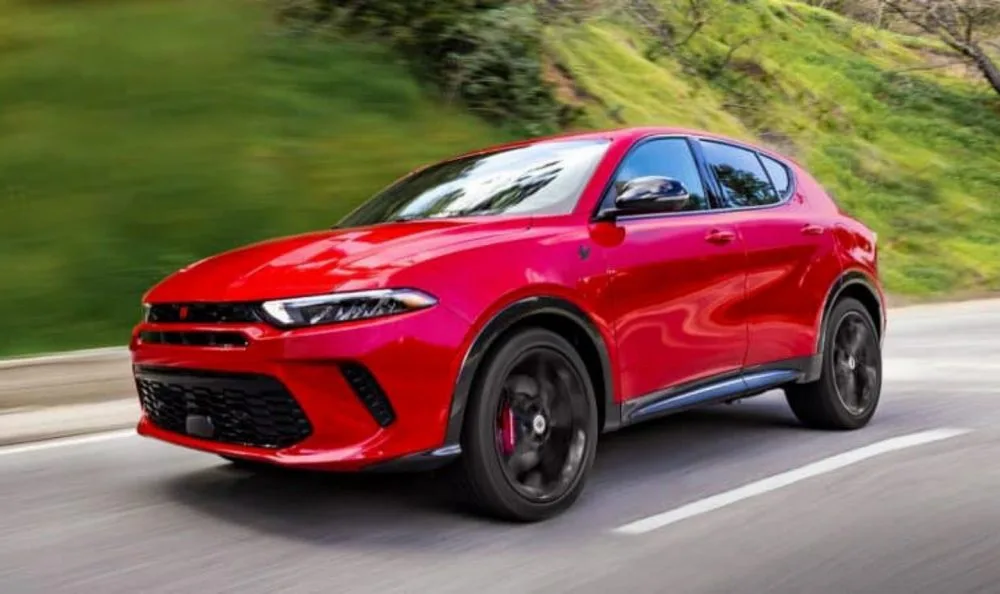
This guide explains exactly how the Dodge Hornet R/T manages its battery on the road, what “charging while driving” really means in practice, and what owners should realistically expect from the system.
Understanding the Dodge Hornet R/T Powertrain
Before discussing charging behavior, it is important to understand the Hornet R/T’s basic architecture.
The Hornet R/T is a plug-in hybrid electric vehicle (PHEV). This means it combines:
- A gasoline engine
- One or more electric motors
- A high-voltage lithium-ion battery
- Power electronics that manage energy flow
Unlike a mild hybrid or traditional hybrid, a PHEV is designed to be plugged into an external power source to recharge its battery. However, unlike a fully electric vehicle, it can operate indefinitely using gasoline once the battery is depleted.
This dual-energy design is what allows the Hornet R/T to recover and reuse energy while driving.
What “Charging While Driving” Actually Means
When people hear that a car “charges while driving,” many imagine the battery refilling continuously as the vehicle moves forward. That is not how plug-in hybrids work.
In the Dodge Hornet R/T, charging while driving refers to energy recovery and energy management, not active power generation. The vehicle does not create new energy from motion alone. Instead, it captures energy that would otherwise be lost and stores it for later use.
There are two primary ways this happens:
- Regenerative braking
- Hybrid power balancing
Each plays a different role in how the battery behaves on the road.
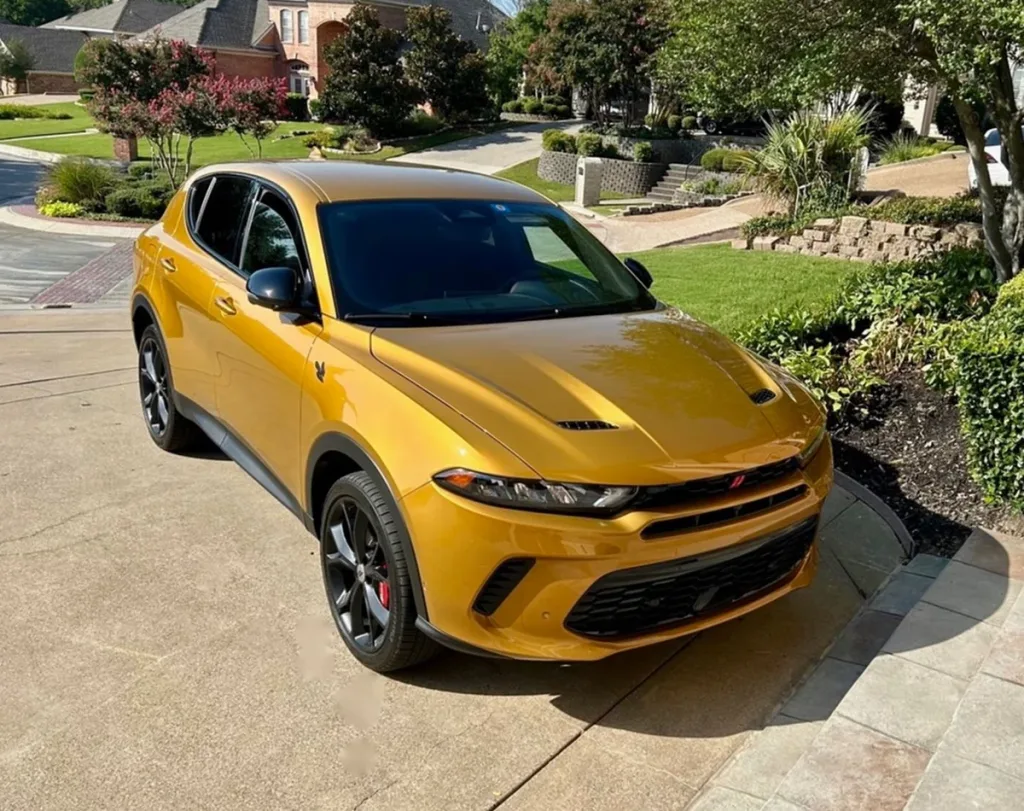
Regenerative Braking: The Primary Source of On-Road Charging
How Regenerative Braking Works
Regenerative braking is the most significant way the Hornet R/T charges its battery while driving.
In a conventional vehicle, pressing the brake pedal causes brake pads to clamp down on rotors, converting kinetic energy into heat. That energy disappears into the air and serves no further purpose.
In the Hornet R/T, the electric motor is integrated into the drivetrain. When the driver slows down, the motor switches roles and acts as a generator. Instead of consuming electricity to drive the wheels, it uses the motion of the wheels to generate electricity.
That electricity is sent back to the battery.
This process happens automatically whenever the vehicle decelerates under conditions where regenerative braking is allowed.
When Regenerative Braking Is Most Effective
Regenerative braking is not equally effective in all driving situations. It works best when:
- Driving in stop-and-go traffic
- Slowing down frequently
- Driving downhill
- Approaching intersections or traffic lights
Urban driving provides the most opportunities for energy recovery because frequent braking events allow repeated energy capture.
On highways, regenerative braking plays a smaller role because the vehicle spends more time maintaining speed and less time decelerating.
How Much Energy Does Regenerative Braking Recover?
Regenerative braking does not recharge the battery from empty to full. Instead, it provides incremental gains. Over the course of a drive, these small gains add up, slowing battery depletion and occasionally increasing the displayed state of charge slightly.
Think of regenerative braking as reducing waste rather than refueling. It improves efficiency but does not replace plugging in.
Hybrid Mode: Battery Preservation Rather Than Battery Refilling
The Dodge Hornet R/T’s Hybrid mode is often misunderstood. Many drivers assume the gasoline engine actively charges the battery like a generator. That is not exactly correct.
In Hybrid mode, the vehicle’s control system decides how to use available power sources based on:
- Speed
- Throttle input
- Battery state of charge
- Driving conditions
The gasoline engine can operate in a way that preserves battery charge by reducing reliance on the electric motor during certain conditions. In some scenarios, this can result in a modest increase in battery charge, but the primary goal is efficiency and balance, not rapid recharging.
The system is designed to keep the battery within an optimal operating range so that electric assistance remains available when it provides the most benefit.
What Hybrid Mode Does Well
- Prevents rapid battery depletion
- Allows electric motor assistance even after EV range is used
- Improves fuel economy
- Smooths acceleration and power delivery
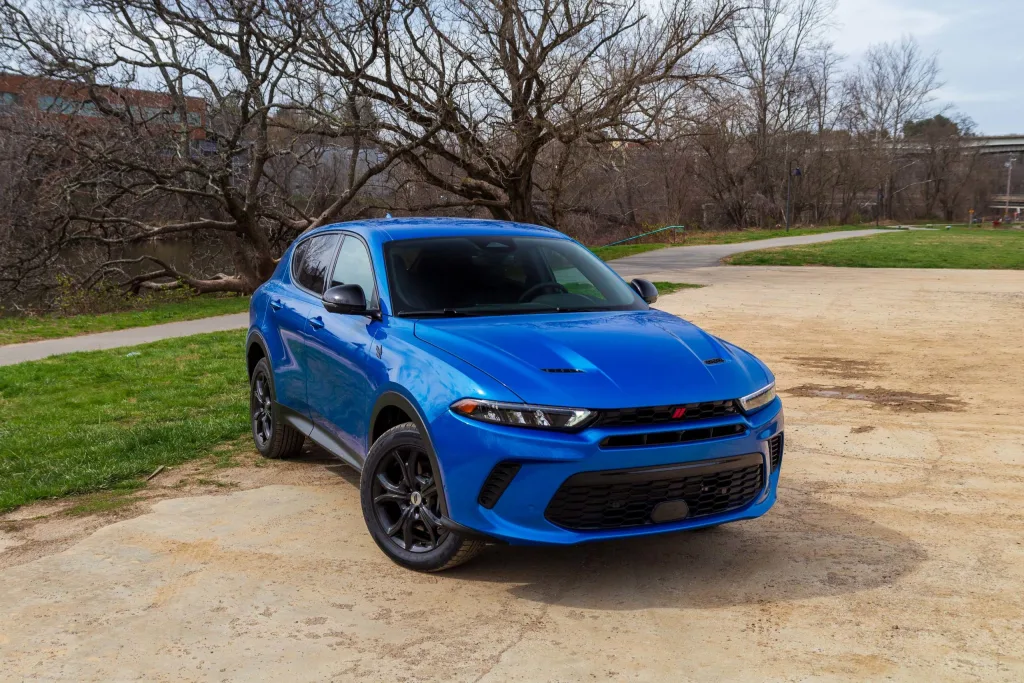
What Hybrid Mode Does Not Do
- Fully recharge the battery from empty
- Replace plug-in charging
- Provide long electric-only range on its own
Electric Mode: Pure EV Operation With Limited Recovery
When the Hornet R/T is placed in Electric mode, it prioritizes battery power and shuts off the gasoline engine entirely under normal conditions.
In this mode:
- The vehicle operates as a fully electric car
- The engine remains off unless power demands exceed limits
- Regenerative braking still functions
Although the battery does not actively recharge in Electric mode, regenerative braking continues to recover energy during deceleration. This slows battery depletion and can slightly extend electric range, especially in city driving.
Once the battery reaches its lower charge threshold, the vehicle automatically transitions out of Electric mode to protect the battery and ensure continued operation.
Can the Dodge Hornet Charge the Battery Without Plugging In?
Yes, but with important limitations.
The Hornet R/T can recover energy while driving, but it cannot fully recharge its battery through driving alone. External charging is required to restore full electric range.
Without plugging in, the vehicle behaves more like a traditional hybrid, relying primarily on gasoline with electric assistance rather than extended EV operation.
Why Plug-In Charging Still Matters
Charging the Dodge Hornet R/T using a wall outlet or charging station provides benefits that on-road charging cannot match.
Plug-in charging allows:
- Full battery replenishment
- Maximum electric-only driving
- Lower fuel consumption
- Reduced emissions
- Better overall efficiency
Drivers who plug in regularly experience the Hornet R/T as it was intended: a vehicle capable of handling many daily trips entirely on electricity while retaining gasoline flexibility for longer journeys.
Real-World Driving Scenarios Explained
City Commuting
In urban driving, regenerative braking works frequently. Short trips with frequent stops allow the Hornet to recover energy efficiently, extending battery life and reducing gasoline use.
This is where the Hornet R/T performs best as a plug-in hybrid.
Highway Driving
At steady highway speeds, regenerative braking is minimal. Battery depletion occurs faster if Electric mode is used, and the vehicle transitions to Hybrid operation more quickly.
However, Hybrid mode still improves efficiency by using electric assistance during acceleration and hill climbing.
Stop-and-Go Traffic
Heavy traffic provides ideal conditions for energy recovery. Frequent braking allows the battery to maintain charge levels longer than expected, even without plugging in.
Additional Benefits of Regenerative Charging
Reduced Brake Wear
Because regenerative braking handles part of the deceleration process, traditional friction brakes are used less aggressively. This can lead to longer brake pad and rotor life.
Improved Driving Smoothness
Electric motors provide immediate torque, and regenerative braking creates smoother deceleration compared to traditional braking systems.
Lower Operating Costs
Reduced fuel consumption and less brake wear contribute to lower long-term operating expenses.
Common Myths About Charging While Driving
Myth: The Hornet charges the battery constantly while moving
Reality: Charging only occurs during deceleration and specific hybrid conditions.
Myth: You do not need to plug in a plug-in hybrid
Reality: Plugging in is essential for maximum benefit.
Myth: Hybrid mode rapidly recharges the battery
Reality: Hybrid mode preserves and manages charge, it does not rapidly refill it.
Final Verdict: Does the Dodge Hornet Charge While Driving?
Yes, the Dodge Hornet R/T charges its battery while driving through regenerative braking and intelligent hybrid energy management. However, this charging is supplemental, not primary.
The system is designed to recover lost energy, improve efficiency, and extend electric assistance rather than replace external charging. Drivers who understand this distinction and combine on-road energy recovery with regular plug-in charging will get the best performance, efficiency, and value from the Hornet R/T.
Connect with us


