



10 Reasons Why Jeeps Hold Their Value
Jeeps hold their value because they have something most SUVs do not: real identity. A Jeep is not just transportation. It is off-road capability, brand heritage, open-air driving, strong aftermarket support, and a community-driven lifestyle vehicle.
The simple answer is this: Jeeps hold value because demand stays high, supply is limited on the right trims, the Wrangler and Gladiator have unique capability, and buyers are willing to pay more for vehicles that feel special even when used. iSeeCars estimates that a Jeep Wrangler depreciates about 32% after five years, compared with about 46.3% for the midsize SUV category. That is a major reason Wranglers remain one of the strongest used-SUV values.
1. Jeep Has One of the Strongest Brand Identities in the Auto Industry
Most SUVs blend together. Jeep does not.
The seven-slot grille, Wrangler shape, removable roof, off-road stance, trail badges, and Jeep Wave all make the brand instantly recognizable. Buyers know what a Jeep is supposed to represent: freedom, trails, snow, mud, camping, outdoor life, and rugged utility.
That identity helps resale because used buyers are not just shopping for an SUV. They are shopping for the Jeep image.
2. Wrangler Demand Stays Strong
The Jeep Wrangler is the biggest reason people say Jeeps hold their value.
A used Wrangler can still feel desirable years later because the design does not age like a normal crossover. A five-year-old Wrangler still looks like a Wrangler. A ten-year-old Wrangler still has the same basic appeal: open-air driving, 4×4 capability, and off-road personality.
iSeeCars lists the Wrangler’s five-year depreciation at about 32%, which is much better than the average midsize SUV. That kind of value retention is rare in the used SUV market.
3. Jeeps Are Not Easily Replaced by Regular Crossovers
A Honda CR-V, Toyota RAV4, Mazda CX-5, or Ford Escape may be easier to drive every day, but they do not replace a Wrangler.
A Wrangler offers removable doors, removable roof options, solid off-road hardware, short overhangs, high ground clearance, and a massive modification culture. A Gladiator adds pickup utility to that same Jeep personality.
That uniqueness protects resale. When there are fewer true substitutes, buyers stay willing to pay more.
4. Off-Road Capability Holds Long-Term Appeal
Jeep’s off-road reputation is not just marketing.
Models like the Wrangler Rubicon, Gladiator Rubicon, and other trail-focused trims have hardware that matters: 4×4 systems, locking differentials, skid plates, off-road tires, rock rails, and strong approach and departure angles.
Even used, that capability stays valuable. A buyer looking for a trail-ready SUV is not comparing a Wrangler Rubicon only against normal SUVs. They are comparing it against other serious off-road vehicles, and that keeps demand strong.
5. The Aftermarket Makes Used Jeeps More Desirable
Jeeps have one of the largest aftermarket ecosystems in the world.
Owners can add wheels, tires, lifts, bumpers, winches, lights, roof racks, storage systems, rock rails, fender flares, soft tops, hardtops, and camping gear. That keeps older Jeeps relevant because buyers can personalize them instead of replacing them.
A used Jeep is not seen as outdated the same way many used SUVs are. It is seen as a platform.
That helps value, especially for clean, well-kept examples.
6. Jeep Styling Ages Slowly
Some vehicles look old as soon as the next redesign comes out. Jeeps age differently.
A Wrangler from several years ago still looks familiar because the design evolves carefully. Jeep does not completely abandon the Wrangler formula every generation. That means older models do not become visually obsolete as quickly.
A clean JK or JL Wrangler can still look modern with the right wheels, tires, and stance. That slow-aging design helps resale.
7. Jeep Has a Loyal Ownership Community
Jeep ownership comes with culture.
There is the Jeep Wave, Jeep Ducking, trail groups, local clubs, off-road events, build pages, forums, and huge social communities. That matters because lifestyle vehicles often hold value better when buyers feel emotionally connected to them.
People do not just buy a Jeep because they need a ride to work. They buy one because they want to be part of the Jeep world.
That emotional demand supports used prices.
8. Certain Jeep Trims Are Especially Desirable
Not every Jeep holds value equally.
The strongest resale usually comes from models and trims with real enthusiast demand, especially Wrangler, Gladiator, Rubicon, Willys, 4xe in the right market, and special editions. Clean, stock, low-mile, rust-free examples tend to do best.
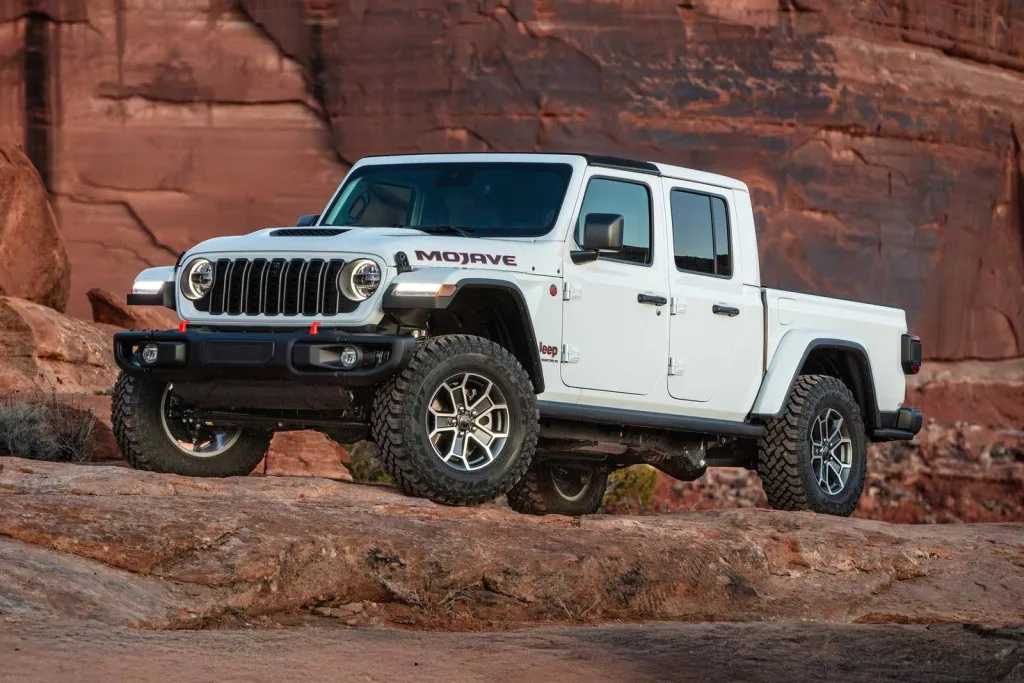
A base commuter SUV from any brand can depreciate quickly if demand is weak. A Wrangler Rubicon or Gladiator Mojave has a much more specific buyer base.
That buyer base keeps pricing stronger.
9. Clean Used Jeeps Are Harder to Find Than People Think
Many Jeeps are modified, off-roaded, lifted, scratched, rusted, or used hard.
That makes clean examples more valuable. A stock Wrangler with service records, no rust, good tires, no accident history, and no cheap modifications can command strong money because buyers know how hard it is to find one.
The used Jeep market rewards condition. A clean Jeep often sells better than a cheaper one with questionable upgrades.
For shoppers, this is why comparing used Jeep inventory by mileage, trim, service history, and modification quality matters more than simply chasing the lowest price.
10. Jeep Resale Is Supported by Real Market Data
This is not just owner bias.
Market data repeatedly shows that Wrangler resale is stronger than many SUV competitors. Cars.com shows strong nationwide used Wrangler pricing, with average used listing prices often well above many ordinary SUVs. iSeeCars also shows the Wrangler depreciating less than its segment average.
That does not mean every Jeep is immune to depreciation. Mileage, condition, accident history, trim, market demand, fuel prices, and incentives still matter. But compared with many SUVs, Jeep has stronger built-in demand.
Which Jeeps Hold Value Best?
The strongest Jeep value holders are usually:
Jeep Wrangler
Jeep Wrangler Unlimited
Jeep Wrangler Rubicon
Jeep Gladiator
Jeep Gladiator Rubicon
Jeep Gladiator Mojave
Jeep Grand Cherokee in desirable trims
Jeep special editions with limited availability
The Wrangler is still the king of Jeep resale value. The Gladiator also benefits from being a Jeep pickup, especially in desirable trims and clean condition.
Which Jeeps Depreciate More?
More mainstream Jeep SUVs can depreciate faster than Wrangler-based models.
Compass, Cherokee, Renegade, and some Grand Cherokee configurations may not hold value the same way a Wrangler does. They can still be good vehicles, but they compete more directly with normal crossovers, which means they do not always get the same enthusiast-driven resale support.
That is why “Jeeps hold value” is most accurate when talking about Wrangler, Gladiator, Rubicon trims, and desirable 4×4 models.
How to Protect Jeep Resale Value
Keep it clean.
Maintain service records.
Avoid cheap modifications.
Keep original parts if you upgrade.
Protect the frame from rust.
Use quality tires.
Fix leaks early.
Avoid neglected off-road damage.
Do not ignore recalls.
Keep the title clean.
A well-maintained Jeep will always be easier to sell than one with mystery wiring, poor lift kits, rust, leaks, and no service records.
Final Thoughts: Jeep Value Comes From Identity, Not Just Utility
Jeeps hold their value because they are different.
A Wrangler is not just another SUV. A Gladiator is not just another midsize truck. These vehicles have heritage, capability, customization potential, and community appeal that keep buyers interested long after the first owner drives away.
The best-value Jeeps are usually clean, well-maintained, lightly modified or stock, and equipped with desirable trims. If you are shopping, compare current new Jeep inventory and local used Jeep inventory before deciding. The right Jeep can hold value extremely well, but condition and trim still decide the real number.
Connect with us


