




Simi Valley Chrysler Dodge Jeep Ram

Blog / Dodge

The 2015 Dodge Ram 1500: The Pinnacle of Power, Efficiency, and Comfort in the Full-Size Truck Segment

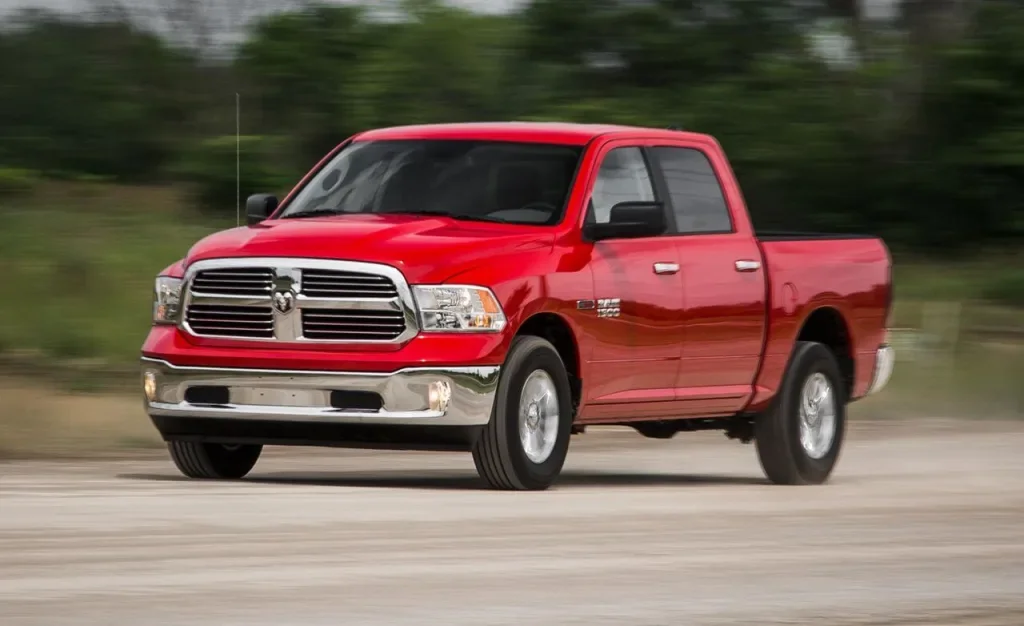
2015-ram-1500-4×4-ecodiesel-4×4-test-review-car-and-driver-photo-647225-s-original (1)

The 2015 Dodge Ram 1500 is one of the most well-regarded models in the history of the Ram 1500 series, showcasing a perfect balance between rugged capability, advanced technology, and refined comfort. When it was released, the 2015 Ram 1500 represented a significant leap forward in the pickup truck market, offering improvements in performance, design, and technology while maintaining the heavy-duty ruggedness that Ram trucks were known for. As we reflect on this model from the perspective of 2025, it's clear that the 2015 Ram 1500 was a defining moment for the brand, setting new standards that would influence future models and help establish the Ram 1500 as one of the best-selling and most versatile trucks in its class.

Exterior Design: A Refined and Aggressive Look

The 2015 Ram 1500 carried forward the bold design language introduced in previous generations, but with subtle tweaks that enhanced its overall presence on the road. Dodge continued to focus on delivering a truck that looked as tough as it was capable, and the exterior design of the 2015 Ram 1500 reflected that ethos.

  • Front Grille and Lighting: The 2015 Ram 1500 retained the iconic crosshair grille, which continued to be a defining feature of the brand. The grille was wider and more angular, creating a more imposing front end. The truck’s headlights were redesigned to be more streamlined, offering a sharper look that complemented the aggressive stance of the truck. In higher trims, such as the Laramie or Rebel, LED daytime running lights were added, giving the truck a more modern and premium appearance.
  • Aerodynamics: Ram's focus on improving fuel efficiency continued with the 2015 Ram 1500. The truck’s body lines were designed to be more aerodynamic, reducing drag and improving overall fuel economy. The front end was sculpted with softer lines, helping to channel airflow more effectively, while the truck’s wheel wells were designed to reduce turbulence.
  • RamBox Cargo Management System: One of the standout features of the 2015 Ram 1500 was the RamBox Cargo Management System, which was available on certain trims. This system added lockable, weatherproof storage compartments built into the truck's bed rails, allowing for secure storage of tools and other gear without taking up valuable bed space. This feature was a game-changer for truck owners who needed more secure and organized storage options.
  • Bed Options and Cab Configurations: The 2015 Ram 1500 offered multiple cab and bed configurations, including Regular Cab, Quad Cab, and Crew Cab, along with bed lengths ranging from 5.5 feet to 8 feet. Whether for work or leisure, this variety of options ensured that the truck could accommodate a wide range of needs, from cargo hauling to family transportation.

Performance and Powertrain: Efficiency Meets Raw Power

One of the major highlights of the 2015 Ram 1500 was its diverse engine lineup, offering power, performance, and efficiency across multiple configurations. Ram continued to innovate with engine technology, focusing not only on raw horsepower but also on fuel efficiency, which was increasingly important to buyers.

1. 3.6L Pentastar V6 Engine

The 3.6L Pentastar V6 engine continued to be the standard offering for the 2015 Ram 1500, producing 305 horsepower and 269 lb-ft of torque. This engine provided excellent performance for drivers who needed a capable truck for everyday use but didn’t require the heavy-duty towing capacity of the V8 options. With an EPA-estimated fuel economy of 17 MPG city and 25 MPG highway, the Pentastar V6 engine was one of the best in its class in terms of efficiency.

2. 5.7L HEMI V8 Engine

For those seeking more power, the 5.7L HEMI V8 engine remained the go-to choice. Producing 395 horsepower and 410 lb-ft of torque, the HEMI engine provided impressive acceleration and towing power, making the 2015 Ram 1500 an ideal choice for those who needed to tow heavy loads. The 5.7L HEMI V8 had a maximum towing capacity of 10,450 pounds, ensuring that it could handle everything from trailers to boats and construction equipment with ease. With the introduction of MDS (Multi-Displacement System), the HEMI V8 could deactivate four of its eight cylinders under light load conditions, offering better fuel efficiency without sacrificing power. This system allowed the HEMI-powered Ram 1500 to achieve 15 MPG city and 22 MPG highway.

3. 3.0L EcoDiesel V6 Engine

One of the standout features of the 2015 Ram 1500 was the introduction of the 3.0L EcoDiesel V6 engine. This engine combined 240 horsepower and 420 lb-ft of torque, making it a fantastic option for those who needed the towing power of a V8 but wanted the fuel efficiency of a smaller engine. The EcoDiesel engine was capable of towing up to 9,200 pounds and offered excellent fuel economy, with an EPA-estimated 20 MPG city and 28 MPG highway, making it the most fuel-efficient option in the Ram 1500 lineup. This engine marked a significant step forward in Ram’s effort to offer more environmentally friendly options without sacrificing power and performance.

  • Transmission and Drivetrain: All engine options for the 2015 Ram 1500 were paired with an 8-speed automatic transmission, which provided smoother shifting, improved fuel efficiency, and a more engaging driving experience. The truck was available in both rear-wheel drive (RWD) and four-wheel drive (4WD) configurations, depending on the buyer's preference and intended use.

Towing and Payload: Built for Heavy-Duty Tasks

The 2015 Ram 1500 was designed to be a versatile workhorse, excelling in both towing and payload capacity. Whether used for hauling heavy cargo or towing large trailers, the Ram 1500 was built to handle tough jobs without compromising comfort.

  • Towing Capacity: The 5.7L HEMI V8 engine allowed the 2015 Ram 1500 to tow up to 10,450 pounds, making it one of the best in its class for heavy-duty towing. Even with the 3.0L EcoDiesel V6, the truck could tow up to 9,200 pounds, making it a great choice for those who needed a capable truck but didn’t want the fuel consumption of a larger engine.
  • Payload Capacity: The 2015 Ram 1500 also excelled in carrying heavy loads, with a maximum payload capacity of 1,880 pounds. Whether used for construction materials, tools, or recreational equipment, the Ram 1500’s bed was designed to handle substantial loads while still offering enough space for secure storage.

Interior and Technology: Luxury and Connectivity

The 2015 Ram 1500 was not only designed for work but also for comfort and convenience, offering a range of interior features that helped set it apart from other trucks in its class.

  • UConnect Infotainment System: The UConnect system was available in the 2015 Ram 1500, providing a user-friendly interface for accessing navigation, music, hands-free calling, and smartphone integration. The system included options for Bluetooth connectivity, voice control, and SiriusXM satellite radio, making it easy for drivers to stay connected while on the go. The 8.4-inch touchscreen was available on higher trims, providing a larger and more intuitive display for controlling various in-vehicle functions.
  • Interior Materials and Comfort: The 2015 Ram 1500 featured improved materials throughout the cabin, with premium options such as leather seating, real wood accents, and soft-touch plastics. Higher trims like the Laramie and Longhorn offered luxurious interiors with heated and ventilated seats, a premium sound system, and advanced dual-zone climate control. The truck’s Crew Cab configuration provided ample space for rear-seat passengers, making it a comfortable choice for families or work crews.
  • Storage and Versatility: The 2015 Ram 1500 offered practical storage solutions, including a spacious center console, glovebox, and under-seat storage. The RamBox Cargo Management System was available on higher trims, offering additional lockable, weatherproof storage in the truck’s bed rails. These storage solutions made it easy to keep tools and equipment secure while leaving more space in the bed for larger cargo.

Safety and Handling: Enhanced Stability and Protection

The 2015 Ram 1500 was equipped with a variety of safety features that helped ensure the safety of both the driver and passengers. Some of the key safety features included:

  • Standard Safety Features: The truck was equipped with standard dual front airbags, side-curtain airbags, and anti-lock braking systems. These features were designed to offer added protection in the event of a collision.
  • Optional Safety Features: Available safety features on the 2015 Ram 1500 included adaptive cruise control, blind-spot monitoring, and rear cross-path detection, all of which helped increase the driver’s awareness of their surroundings and provided added peace of mind on the road.
  • Stability and Handling: The 2015 Ram 1500 featured a coil-spring rear suspension, which provided a smoother, more comfortable ride compared to the leaf-spring suspensions used by many competitors. The truck’s handling was sharp, and the suspension system helped maintain stability when towing or hauling heavy loads.

Legacy and Impact of the 2015 Dodge Ram 1500

Looking back at the 2015 Ram 1500 from the perspective of 2025, it is clear that this model played a significant role in elevating the Ram 1500 to new heights. It marked a key moment in Ram’s development, solidifying its reputation as a modern, performance-oriented truck with a focus on efficiency, luxury, and innovative technology. The 2015 Ram 1500 continues to influence the design and engineering of current models, including the Ram 1500 TRX and Ram 1500 Limited, both of which carry forward the legacy of performance and comfort.

Conclusion: A Benchmark for Modern Pickup Trucks

The 2015 Dodge Ram 1500 was a breakthrough in the full-size truck market, offering a perfect blend of power, efficiency, comfort, and technology. Whether for work or play, the 2015 Ram 1500 delivered on every front, earning a reputation as one of the best trucks in its class. Today, its influence can be seen in the continued success of the Ram 1500 lineup, making it a true game-changer in the pickup world.
Posted in:

Related Posts

What Does Srt Stand For Dodge

What Does Srt Stand For Dodge?

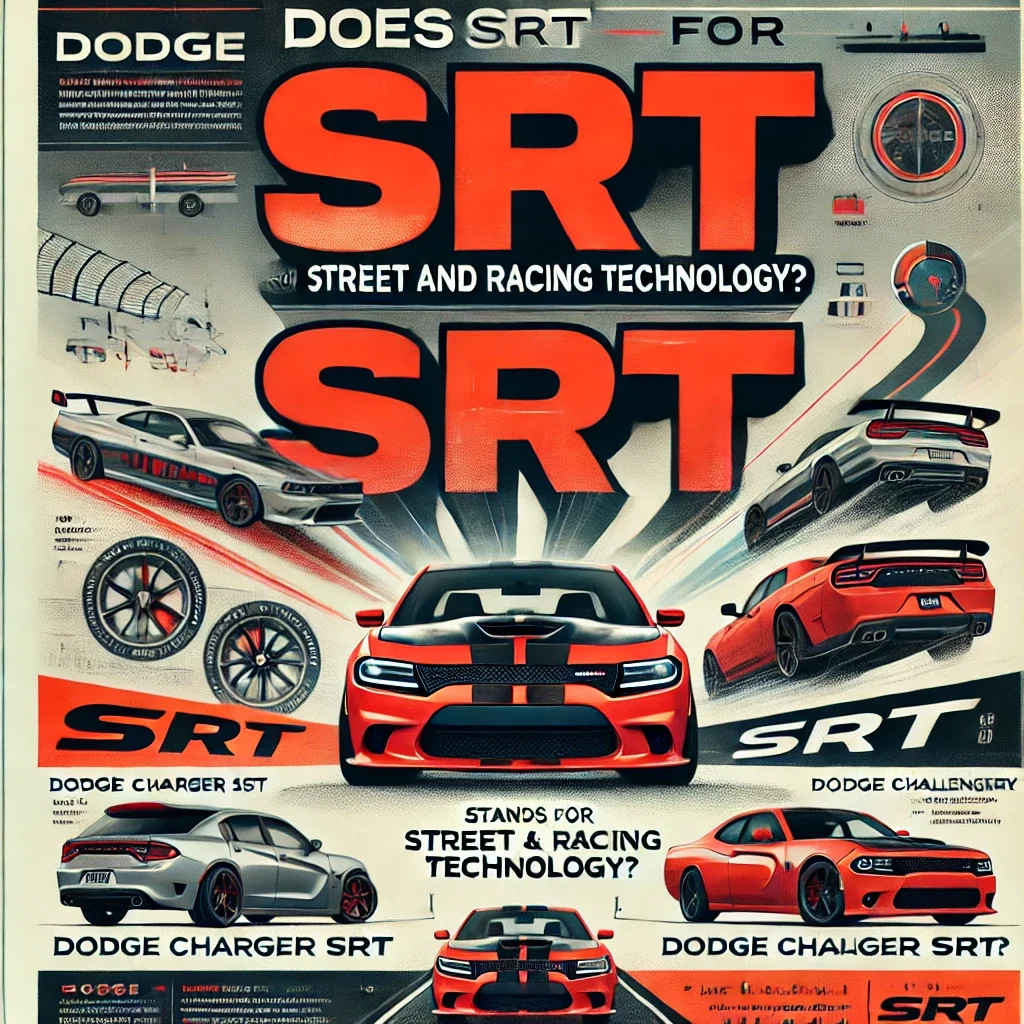
SRT stands for Street and Racing Technology. In Dodge vehicles, the SRT badge means the model was engineered for higher performance, stronger acceleration, upgraded handling, aggressive styling, and track-inspired capability. The simple answer: SRT is Dodge’s performance badge. It has been used on some of Dodge’s most powerful vehicles, including the Charger SRT Hellcat, Challenger SRT Hellcat, Durango SRT, Durango SRT Hellcat, Challenger SRT Demon, and Viper SRT. Dodge’s current SRT page says the SRT lineup still lives on through the Durango SRT, while also paying tribute to the Charger SRT and Challenger SRT models. ( dodge) What Does SRT Mean? SRT = Street and Racing Technology That name tells you the purpose of the badge: Letter Meaning What It Means S Street Built to be driven on public roads R Racing Inspired by track and drag-strip performance T Technology Uses upgraded engineering, powertrain, braking, cooling, and handling tech SRT is not just a cosmetic badge. On true SRT models, it usually means a more serious engine, upgraded brakes, performance suspension, aggressive tuning, and stronger cooling systems. What Makes a Dodge SRT Different? A Dodge SRT model is usually built above the normal trim levels. Compared with a regular Dodge model, an SRT version may include: More horsepower. More torque. Larger brakes. Performance suspension. Sportier transmission tuning. More aggressive exhaust. Performance tires. Track apps or performance pages. Better cooling. Unique SRT styling. That is why SRT models are usually more expensive, faster, and more collectible than standard trims. Popular Dodge SRT Models Some of the most famous Dodge SRT vehicles include: Dodge Challenger SRT Hellcat Dodge Charger SRT Hellcat Dodge Challenger SRT Demon Dodge Challenger SRT Super Stock Dodge Durango SRT 392 Dodge Durango SRT Hellcat Dodge Viper SRT Dodge says the 2023 Charger SRT Hellcat Redeye offered best-in-class horsepower at the time, while the Challenger SRT lineup included extreme models like the Super Stock. ( dodge) Is SRT the Same as Hellcat? No. SRT and Hellcat are related, but they are not the same thing. SRT is the performance division/badge. Hellcat refers to Dodge’s supercharged 6.2L HEMI V8 engine family and the high-output models that use it. So a Hellcat is usually an SRT, but not every SRT is a Hellcat. Example: Model SRT? Hellcat? Durango SRT 392 Yes No Charger SRT Hellcat Yes Yes Challenger SRT Demon Yes Hellcat-based Viper SRT Yes No Is SRT Better Than Scat Pack? SRT is usually positioned above Scat Pack, especially when talking about Hellcat models. A Scat Pack Dodge usually uses a naturally aspirated 6.4L 392 HEMI V8. It is powerful, loud, and fun, but it is generally below the supercharged SRT Hellcat models. Basic comparison: Trim Typical Engine Main Purpose R/T V8 muscle value Scat Pack 392 HEMI performance SRT 392 Higher-performance 392 model SRT Hellcat Supercharged extreme performance SRT Demon Drag-strip-focused limited model Does Dodge Still Make SRT? Yes, but the SRT lineup has changed. The gas-powered Dodge Charger and Challenger SRT models ended with the 2023 model year, but Dodge still references the Durango SRT as part of the current SRT lineup. ( dodge) The SRT name also remains important across Stellantis performance vehicles and performance parts. Dodge’s official site references factory-backed performance parts designed, developed, and validated by SRT Engineering. ( dodge) Final Answer SRT stands for Street and Racing Technology. For Dodge, SRT means a high-performance model built with more power, stronger brakes, better cooling, sharper handling, and more aggressive engineering than regular trims. The easiest way to remember it: SRT = Dodge performance. Hellcat = supercharged SRT power. Scat Pack = strong 392 HEMI performance below Hellcat.

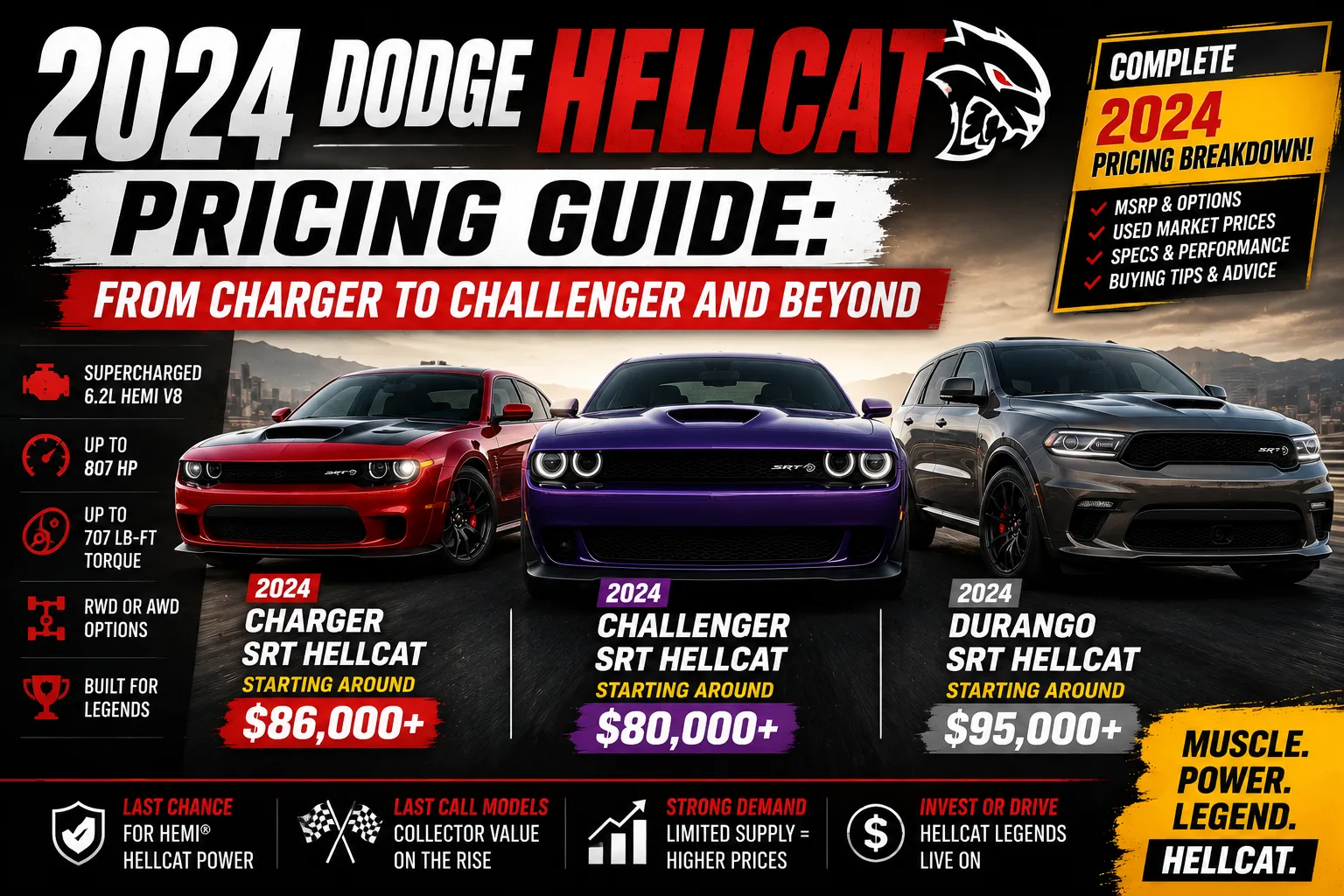
2024 Dodge Hellcat Pricing Guide

2024 Dodge Hellcat Pricing Guide: From Charger to Challenger and Beyond

2024 Dodge Hellcat Pricing Guide: From Charger to Challenger and Beyond The biggest thing to know is this: there was no new 2024 Dodge Charger Hellcat or 2024 Dodge Challenger Hellcat. Dodge ended the gas-powered Charger and Challenger after the 2023 model year, so any “2024 Hellcat Charger” or “2024 Hellcat Challenger” listing is usually a leftover 2023, a used model, or a dealer listing using the wrong year. The only true new 2024 Dodge Hellcat model shoppers could realistically point to was the 2024 Dodge Durango SRT Hellcat, the three-row SUV with the supercharged 6.2L HEMI V8. Edmunds lists the 2024 Durango SRT Hellcat Plus at $103,590 MSRP, while CarPro reviewed a 2024 Durango SRT Hellcat with a $95,995 base price and $109,190 as-tested price. So the 2024 Hellcat pricing guide comes down to three buckets: new Durango Hellcat pricing, used or leftover Charger Hellcat pricing, and used or leftover Challenger Hellcat pricing. Was There a 2024 Dodge Charger Hellcat? No, there was no new 2024 Dodge Charger Hellcat. The last gas-powered Charger Hellcat belonged to the 2023 model year. Dodge’s own Charger SRT page now frames the model as “Remembering the Beast,” which tells you exactly where the old supercharged Charger stands in Dodge history. That means if you are shopping in 2024 or later, Charger Hellcat pricing depends heavily on mileage, trim, condition, color, options, accident history, collector demand, and whether it is a standard Hellcat, Redeye, Widebody, or Jailbreak. 2023 Dodge Charger Hellcat Pricing Reference The 2023 Charger Hellcat is the closest reference point for shoppers asking about a 2024 Charger Hellcat. Car and Driver listed the 2023 Dodge Charger SRT Hellcat lineup from $86,365 to $95,960, depending on trim and options. That range covered factory MSRP, not today’s used-market pricing. Real market prices can be higher or lower depending on supply, condition, and collector demand. Low-mile, final-year, rare-color, Jailbreak, or Redeye examples may command stronger money than higher-mile cars. Was There a 2024 Dodge Challenger Hellcat? No, there was no new 2024 Dodge Challenger Hellcat. Like the Charger, the gas Challenger ended after the 2023 model year. Dodge’s official Challenger SRT page now presents the Challenger SRT as a past icon, highlighting its supercharged 6.2L HEMI V8 and Hellcat legacy rather than a current 2024 production model. So any 2024 Challenger Hellcat “price” is really a used, leftover, auction, or collector-market price. 2023 Dodge Challenger Hellcat Pricing Reference For the Challenger, the best baseline is also the 2023 model year. Car and Driver listed the 2023 Dodge Challenger SRT Hellcat lineup from $71,895 to $92,895, depending on trim and options. That range included multiple Hellcat-family versions. A standard Hellcat was cheaper than a Redeye Widebody Jailbreak. Special editions and final-year cars may carry market premiums, especially if mileage is low and documentation is clean. 2024 Dodge Durango SRT Hellcat Pricing The 2024 Dodge Durango SRT Hellcat was the main new Hellcat-powered Dodge available in 2024. This SUV used the supercharged 6.2L HEMI V8 and gave buyers Hellcat power with three rows, all-wheel drive, and real family-hauler utility. Dodge continues to position the Durango SRT Hellcat as the supercharged V8 performance SUV in the lineup. For pricing, expect the 2024 Durango SRT Hellcat to sit roughly in the mid-$90,000 to low-$100,000 MSRP range before options, with heavily optioned examples climbing higher. Edmunds lists the 2024 SRT Hellcat Plus at $103,590 MSRP, while CarPro’s reviewed example had a $109,190 as-tested price. Why Durango Hellcat Pricing Is So High The Durango Hellcat costs more because it is not just a regular Durango with a louder exhaust. It has a supercharged V8, standard all-wheel drive, upgraded cooling, performance brakes, performance suspension tuning, aggressive styling, and three-row practicality. It also exists in a market where new supercharged V8 vehicles are disappearing. That scarcity matters. Buyers are not only paying for horsepower. They are paying for one of the last family-sized Hellcat-powered SUVs still standing. What About the Ram TRX? The Ram 1500 TRX is not a Dodge, but it belongs in any real Hellcat pricing discussion. The TRX used a supercharged 6.2L HEMI V8 and became the Hellcat-powered off-road truck people still chase. It was discontinued after the Final Edition run, making used-market pricing especially sensitive to mileage and condition. Car and Driver listed the 2024 Ram 1500 TRX from $98,335 to $119,620, depending on trim and options. That means the TRX often overlapped with Durango Hellcat pricing, but served a totally different buyer. The Durango Hellcat is the family missile. The TRX is the desert-running supertruck. What About the Jeep Trackhawk? The Jeep Grand Cherokee Trackhawk is another Hellcat-powered legend, but it was not a 2024 model. It used the supercharged 6.2L HEMI V8 and became famous as the “Hellcat Jeep.” Since it is discontinued, pricing is fully used-market based. Clean examples can remain expensive because the Trackhawk has no direct new replacement. For buyers cross-shopping Hellcat vehicles, the Trackhawk still matters because it gives you Hellcat power, all-wheel drive, SUV practicality, and collector appeal. Why 2024 Hellcat Pricing Got Complicated Hellcat pricing became complicated because Dodge ended the old Charger and Challenger while keeping the Durango Hellcat alive. That created a confusing market. Some shoppers searched for a 2024 Charger Hellcat or 2024 Challenger Hellcat even though those cars were not built as 2024 models. Others found leftover 2023 inventory sold during 2024 and assumed it was a 2024 car. The model year matters. A final-year 2023 Charger or Challenger Hellcat may still be extremely desirable, but it is not a 2024 model. New vs Used Hellcat Pricing New Hellcat pricing in 2024 was mainly about the Durango SRT Hellcat. Used Hellcat pricing was about everything else: Charger, Challenger, Trackhawk, TRX, and older Durango Hellcat models. Used pricing changes based on: Mileage. Trim. Widebody package. Redeye package. Jailbreak package. Final-year status. Color. Accident history. Service history. Modifications. Number of owners. Original window sticker. Dealer markup or collector premium. A clean, stock Hellcat with low mileage usually brings stronger money than a modified one with unknown tuning. Charger Hellcat vs Challenger Hellcat Pricing The Challenger Hellcat often had a lower original starting MSRP than the Charger Hellcat, but the used market can vary. The Challenger is the classic two-door muscle car. The Charger is the four-door muscle sedan. Some buyers prefer the Challenger for collectibility and old-school style. Others prefer the Charger because it gives Hellcat power with rear doors and real daily usability. In the used market, the right trim matters more than the body style alone. A Challenger Redeye Widebody Jailbreak may cost more than a standard Charger Hellcat. A low-mile Charger Redeye may cost more than a higher-mile Challenger. Is the Hellcat Still Worth Buying? Yes, a Hellcat can still be worth buying if you understand the costs. The supercharged 6.2L HEMI is one of the most iconic modern American performance engines. It delivers brutal power, unforgettable sound, and the kind of character that is disappearing from new vehicles. But ownership is not cheap. Hellcats use more fuel, burn through tires faster, cost more to insure, and can be expensive to repair if abused or modified poorly. Before buying used, inspect service records, tire condition, brake condition, accident history, tune status, pulley changes, cooling system, and drivetrain behavior. Best Hellcat Value in 2024 The best value depends on the buyer. The Challenger Hellcat is best if you want the classic muscle-car shape. The Charger Hellcat is best if you want four-door practicality. The Durango SRT Hellcat is best if you want three rows and all-wheel drive. The Ram TRX is best if you want the supercharged V8 in a truck. The Jeep Trackhawk is best if you want the discontinued Hellcat SUV icon. For shoppers around Simi Valley, check used Dodge inventory for Charger, Challenger, Durango, and other performance models. If you want current Dodge options, browse new Dodge inventory. FAQs About 2024 Dodge Hellcat Pricing Is there a 2024 Dodge Charger Hellcat? No. The gas-powered Dodge Charger Hellcat ended after the 2023 model year. Is there a 2024 Dodge Challenger Hellcat? No. The gas-powered Dodge Challenger Hellcat also ended after the 2023 model year. What was the main 2024 Dodge Hellcat model? The main new 2024 Dodge Hellcat model was the Dodge Durango SRT Hellcat. How much did a 2024 Dodge Durango Hellcat cost? A 2024 Durango SRT Hellcat generally landed in the mid-$90,000 to low-$100,000 MSRP range before options, with some optioned examples around or above $109,000. How much was a 2023 Charger Hellcat? Car and Driver listed the 2023 Charger SRT Hellcat range from $86,365 to $95,960, depending on trim and options. How much was a 2023 Challenger Hellcat? Car and Driver listed the 2023 Challenger SRT Hellcat range from $71,895 to $92,895, depending on trim and options. Is a used Hellcat expensive to own? Yes. Fuel, tires, brakes, insurance, repairs, and maintenance can be expensive, especially on modified or abused examples. Final Thoughts: 2024 Was the Year Hellcat Became Scarcity-Driven The 2024 Dodge Hellcat pricing story is really about transition. The Charger Hellcat and Challenger Hellcat were gone as new models after 2023. The Durango SRT Hellcat carried the supercharged Dodge torch into 2024. The Ram TRX and Jeep Trackhawk remained part of the wider Hellcat conversation, but mostly through used and collector markets. So the actual answer is clear: there was no 2024 Charger Hellcat or Challenger Hellcat, but the 2024 Durango SRT Hellcat kept Hellcat power alive, usually at roughly $96,000 to $109,000 depending on trim and options.

2023DodgeChallenger-header-01

Is a Dodge Demon or Hellcat Faster?

Is a Dodge Demon or Hellcat Faster? The Dodge Demon is faster than a Dodge Hellcat in a straight line, especially in a drag race. The simple answer is this: the Demon was built to be the quickest factory drag-racing Challenger, while the Hellcat was built to be a brutally fast but more street-friendly muscle car. The original 2018 Dodge Challenger SRT Demon made up to 840 horsepower, while the 2023 Dodge Challenger SRT Demon 170 pushed the formula to 1,025 horsepower on E85 fuel. Dodge Garage lists the Demon 170 at 1,025 horsepower, 945 lb-ft of torque, 0 to 60 mph in 1.66 seconds, and a certified 8.91-second quarter-mile at 151.17 mph. That makes it far quicker than a normal Hellcat and even quicker than the Hellcat Redeye in factory drag-strip form. Demon vs Hellcat: The Quick Answer The Demon is faster in the quarter-mile. The Hellcat may be better as a daily driver. The Demon 170 is the fastest factory Challenger ever built. The Hellcat is still insanely fast, but it is not as drag-focused as the Demon. A Hellcat is a muscle car. A Demon is a street-legal drag car. How Fast Is the Dodge Demon? The original 2018 Dodge Challenger SRT Demon was already outrageous. MotorWeek lists the 2018 Demon at 840 horsepower, 770 lb-ft of torque, 0 to 60 mph in 2.3 seconds, and a 9.65-second quarter-mile. That was extreme when it launched. The Demon came with drag-focused hardware, including special tires, transbrake technology, drag suspension tuning, and equipment designed to help it launch hard. Then Dodge went even further with the Demon 170. The Demon 170 is the final boss version. With E85 fuel, it makes 1,025 horsepower and runs an 8.91-second quarter-mile according to Dodge Garage. That puts it in a completely different performance category from a regular Hellcat. How Fast Is the Dodge Hellcat? A regular Dodge Hellcat is still very fast. The Challenger and Charger Hellcat models used a supercharged 6.2L HEMI V8 and became icons because they delivered absurd horsepower in a relatively usable street car. Depending on year and version, Hellcat models made around 707 horsepower, while Redeye versions pushed power higher. The Hellcat Redeye is the closest normal Hellcat-family car to the Demon. MotorWeek lists the 2019 Challenger SRT Hellcat Redeye at 797 horsepower, 707 lb-ft of torque, 0 to 60 mph in 3.7 seconds, and an 11.4-second quarter-mile at 126 mph. That is extremely quick, but it is still slower than both the original Demon and the Demon 170 at the drag strip. Why the Demon Is Faster The Demon is faster because it was engineered specifically for drag racing. It is not just a Hellcat with more horsepower. Dodge changed the formula to help the Demon launch harder, hook better, and survive repeated drag-strip abuse. The Demon has drag-focused tires, special suspension tuning, more aggressive launch technology, extra cooling features, and higher-output engine tuning. The original Demon was already designed to dominate the quarter-mile, and the Demon 170 took that idea even further. A Hellcat is more of a street muscle car. A Demon is built to chase the lowest elapsed time. Demon 170 vs Hellcat Redeye The Demon 170 destroys the Hellcat Redeye in pure straight-line acceleration. The Demon 170 makes 1,025 horsepower on E85. The Hellcat Redeye makes 797 horsepower in many configurations. The Demon 170 is also designed around drag-strip launches, while the Redeye is more usable as a high-power street car. In a quarter-mile race, the Demon 170 is the clear winner. In daily driving, the Redeye may be easier to live with because it is not as specialized. Original Demon vs Hellcat The original 2018 Demon is also faster than a standard Hellcat. The Demon made up to 840 horsepower with the right setup, compared with the standard Hellcat’s roughly 707 horsepower. It also had more drag-specific equipment. The standard Hellcat is more comfortable as a normal street car. The Demon is more collectible and more extreme. Is the Hellcat Better for Daily Driving? Yes, the Hellcat is usually better for daily driving. The Hellcat is still loud, powerful, and aggressive, but it is less specialized than the Demon. It is easier to use every day, especially if you want regular tires, normal street manners, and fewer drag-racing compromises. The Demon is cooler and faster, but it is not the practical choice. It is more of a collectible drag weapon. Is the Demon Street Legal? Yes, the Demon and Demon 170 were built as street-legal production cars, but they are extremely drag-focused. That does not mean they are casual commuter cars. The Demon was built around launch performance, traction, and quarter-mile dominance. It can be driven on the street, but its real purpose is the drag strip. Which One Should You Buy? Buy the Demon if you want the faster, rarer, more collectible drag car. Buy the Hellcat if you want a more usable high-horsepower muscle car. Buy the Hellcat Redeye if you want something closer to Demon power but more street-friendly. Buy the Demon 170 if you want the most extreme factory Challenger ever built and understand that it is already a collector-grade machine. For local shoppers, check available used Dodge inventory for Challenger, Charger, Hellcat, Scat Pack, and other performance models. You can also browse new Dodge inventory to compare current Dodge performance options. FAQs About Demon vs Hellcat Is a Dodge Demon faster than a Hellcat? Yes. The Dodge Demon is faster than a Hell