




Simi Valley Chrysler Dodge Jeep Ram

Blog / Dodge

Should You Buy A Used Dodge Hornaet? (Experts Answered)

Used Dodge Hornaet

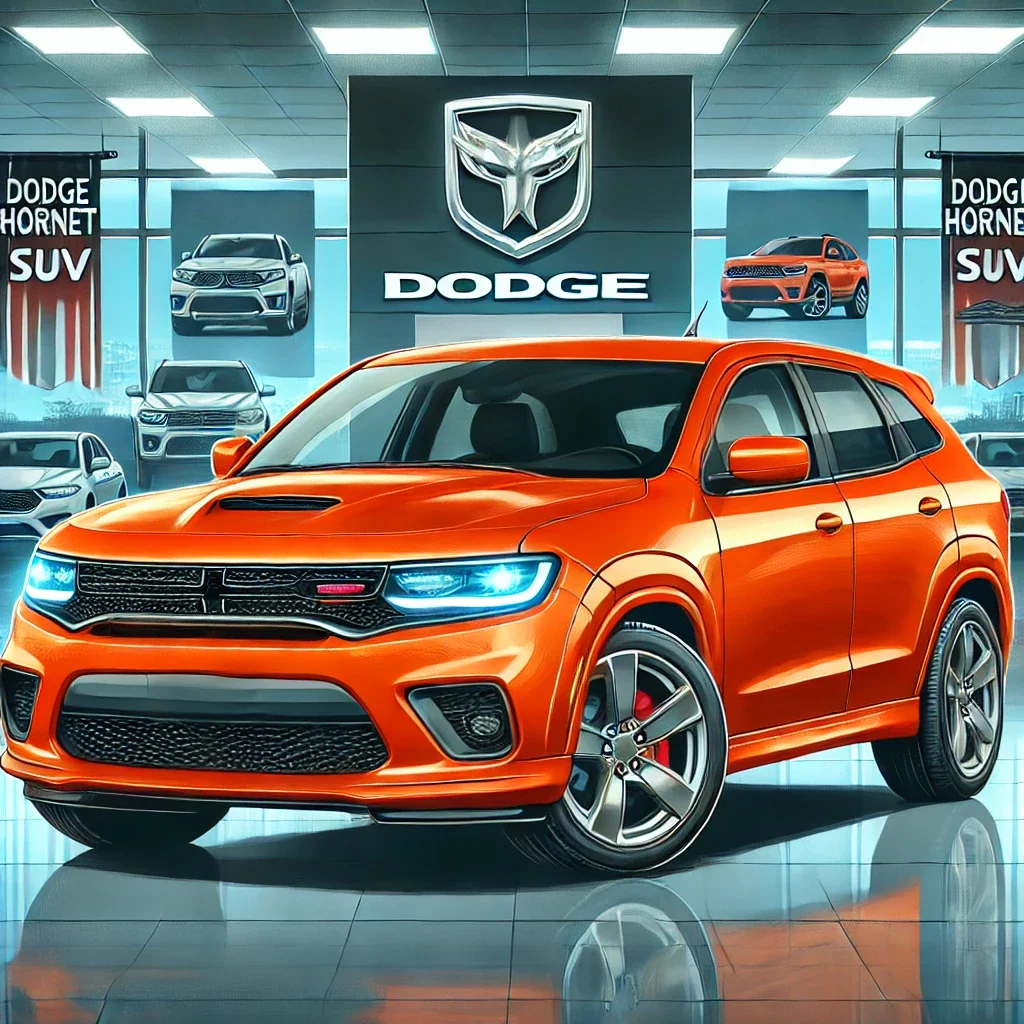
The Dodge Hornet has quickly become a standout in the compact SUV segment, captivating drivers with its sporty performance, sleek aesthetics, and a suite of modern features designed to enhance both driving pleasure and practicality. This dynamic vehicle offers a unique blend of agility, power, and technological sophistication, making it an attractive option for those seeking more than just a typical compact SUV.

While the allure of purchasing a brand-new vehicle is strong—boasting the latest advancements, pristine condition, and the satisfaction of being the first owner—there’s a growing trend among savvy buyers to consider the used car market. The Dodge Hornet stands out as an appealing choice in this realm, providing the opportunity to enjoy many of its cutting-edge features and thrilling performance at a reduced cost.

Opting for a used Dodge Hornet offers several advantages. It allows buyers to benefit from significant cost savings due to depreciation, which often sees new cars lose a considerable portion of their value within the first few years of ownership. This means you can get behind the wheel of a modern, feature-rich SUV without the hefty price tag of a brand-new model.

However, the decision to purchase a used Dodge Hornet isn’t solely about cost. Prospective buyers must weigh the benefits against potential drawbacks, such as availability, the vehicle’s condition, and any concerns related to its reliability or maintenance history. Understanding these factors will help determine if a used Dodge Hornet aligns with your needs and expectations.

In this expanded exploration, we’ll delve deeper into the advantages of purchasing a used Dodge Hornet, discuss critical considerations, and provide insights to help you make an informed decision. Whether you’re drawn to its stylish design, advanced technology, or the potential for a great deal, this guide will help you navigate the path to owning a used Dodge Hornet confidently.


Advantages of Buying a Used Dodge Hornet

1. Cost Savings

One of the most significant benefits of purchasing a used vehicle is the lower upfront cost. The Dodge Hornet, being a relatively new entry in the SUV segment, offers impressive value in its used form. You can enjoy many of the latest features and technologies at a reduced price compared to buying new.

  • Depreciation Advantage: New cars experience the most depreciation in their first few years. By buying a used Dodge Hornet, you avoid the steepest depreciation curve, potentially saving thousands of dollars while still getting a modern and reliable vehicle.

2. Modern Features

Despite being a used model, the Dodge Hornet is packed with advanced features that cater to today’s tech-savvy drivers. Even the earlier models, such as the 2023 and 2024 versions, come equipped with:

  • Uconnect Infotainment System: Offering seamless smartphone integration, navigation, and entertainment options.
  • Advanced Safety Features: Including blind-spot monitoring, adaptive cruise control, and lane-keeping assist.
  • Efficient Engine Options: Whether you’re looking at the standard engine or the performance-oriented trims, the Hornet provides a balance of power and fuel efficiency.

3. Warranty Coverage

Many used Dodge Hornets are still under the original manufacturer’s warranty, especially if they are only a year or two old. This coverage can provide peace of mind, protecting you from unexpected repair costs for critical components.


Things to Consider Before Buying a Used Dodge Hornet

1. Availability

Given that the Dodge Hornet is a relatively new model, the availability of used units may be limited. This scarcity could make it challenging to find the exact trim, color, or features you desire. However, as more models enter the market, this availability is expected to improve.

2. Reliability Concerns

While the Dodge Hornet has been praised for its performance and features, some early adopters have reported reliability issues. There have been recalls related to electrical problems and brake pedal defects, which are important to consider when buying used.

  • Example: A recall involving over 44,500 units worldwide highlighted a brake pedal defect, which could impact braking performance. (Source)

3. Vehicle History and Inspection

When buying any used vehicle, including the Dodge Hornet, it’s crucial to obtain a comprehensive vehicle history report. This report will provide insights into:

  • Past ownership
  • Maintenance records
  • Any reported accidents or major repairs

Additionally, a professional inspection is recommended to ensure that the vehicle is in good condition and free from underlying issues.


Expert and Consumer Opinions

The Dodge Hornet has received mixed reviews from both experts and consumers. While many appreciate its performance and design, others have voiced concerns about early reliability problems.

  • Pros: Strong performance, modern features, stylish design.
  • Cons: Reports of early reliability issues, limited used inventory.

Some industry insiders and car enthusiasts have advised caution when purchasing a used Dodge Hornet due to these early issues. However, with proper research and inspection, a used Hornet can still be a smart buy for the right buyer.


Who Should Consider a Used Dodge Hornet?

  • Budget-Conscious Buyers: If you’re looking for a compact SUV with modern features but want to avoid the higher cost of a new vehicle, a used Dodge Hornet is a great option.
  • Tech Enthusiasts: The Hornet’s tech features, such as the Uconnect infotainment system, appeal to those who value connectivity and advanced driver aids.
  • Performance Seekers: With its sporty handling and powerful engine options, the Hornet is ideal for drivers who want an engaging driving experience without compromising practicality.

Conclusion

Purchasing a used Dodge Hornet presents a compelling opportunity for buyers who want to strike a balance between cost savings and access to modern features and performance. The Hornet, known for its sporty handling, sleek design, and advanced technology, offers an attractive package for those who prioritize value without compromising on the driving experience. However, like any used vehicle purchase, it’s crucial to approach this decision with careful consideration and due diligence to ensure it aligns with your expectations and needs.

Cost Savings Without Compromise

One of the primary reasons to consider a used Dodge Hornet is the financial advantage. New vehicles often experience their steepest depreciation within the first few years, which means buying a used model allows you to enjoy many of the same features at a significantly reduced price. This cost reduction can make higher trims or models with additional features more accessible, providing a better overall value for your investment. Moreover, lower monthly payments and insurance premiums typically associated with used vehicles add to the financial appeal.

Modern Features and Performance

Despite being pre-owned, the Dodge Hornet doesn’t fall short when it comes to modern amenities. From the Uconnect infotainment system with seamless smartphone integration to advanced driver-assistance features like blind-spot monitoring and adaptive cruise control, a used Hornet can still offer a cutting-edge driving experience. Additionally, the vehicle’s performance capabilities, with options for powerful engines and sporty handling, ensure that driving remains a pleasure, whether you’re navigating city streets or hitting the open road.

Considerations and Potential Drawbacks

While the benefits are clear, it’s equally important to be aware of potential challenges. One significant consideration is the limited availability of used Dodge Hornets, given that the model is relatively new to the market. This scarcity might limit your options in terms of trim levels, features, or even color preferences, requiring patience and flexibility during your search.

Reliability concerns are another factor to consider. As a newer model, the long-term durability and reliability of the Dodge Hornet are still being evaluated. Early adopters have reported some issues, including electrical problems and brake system recalls, which could influence your decision. Understanding these potential drawbacks and how they’ve been addressed by previous owners or through recalls is essential.

Making an Informed Decision

To mitigate these concerns, conduct thorough research on the specific Hornet model you’re considering. Look into reviews, owner feedback, and any reported issues or recalls. Websites like Edmunds or Kelley Blue Book can provide valuable insights into the vehicle’s performance and reliability history.

Securing a vehicle history report is a critical step. This report will reveal important details about the car’s past, such as previous ownership, accident history, maintenance records, and any reported issues. A clean history can provide peace of mind and help you avoid unexpected problems down the line.

Lastly, opting for a professional inspection is highly recommended. Even if the vehicle appears to be in good condition, a trained mechanic can identify potential mechanical issues or wear and tear that might not be immediately visible. This inspection ensures you’re making a well-informed purchase and helps you avoid costly surprises after buying the vehicle.

Conclusion

Buying a used Dodge Hornet can be a smart move for those looking to combine the allure of a modern, performance-oriented SUV with the benefits of cost savings. However, it’s essential to be mindful of the potential challenges, such as limited availability and early reliability concerns. By taking the time to research thoroughly, obtain a vehicle history report, and have a professional inspection conducted, you can confidently navigate the used car market and potentially secure a high-quality Dodge Hornet at a great price.

For those ready to explore used Dodge Hornet options, start by visiting your local RAM dealership or reputable automotive marketplaces to find the right model for your needs. With careful consideration and the right approach, a used Dodge Hornet could be the perfect addition to your driveway.
​

Posted in:

Related Posts

What Does Srt Stand For Dodge

What Does Srt Stand For Dodge?

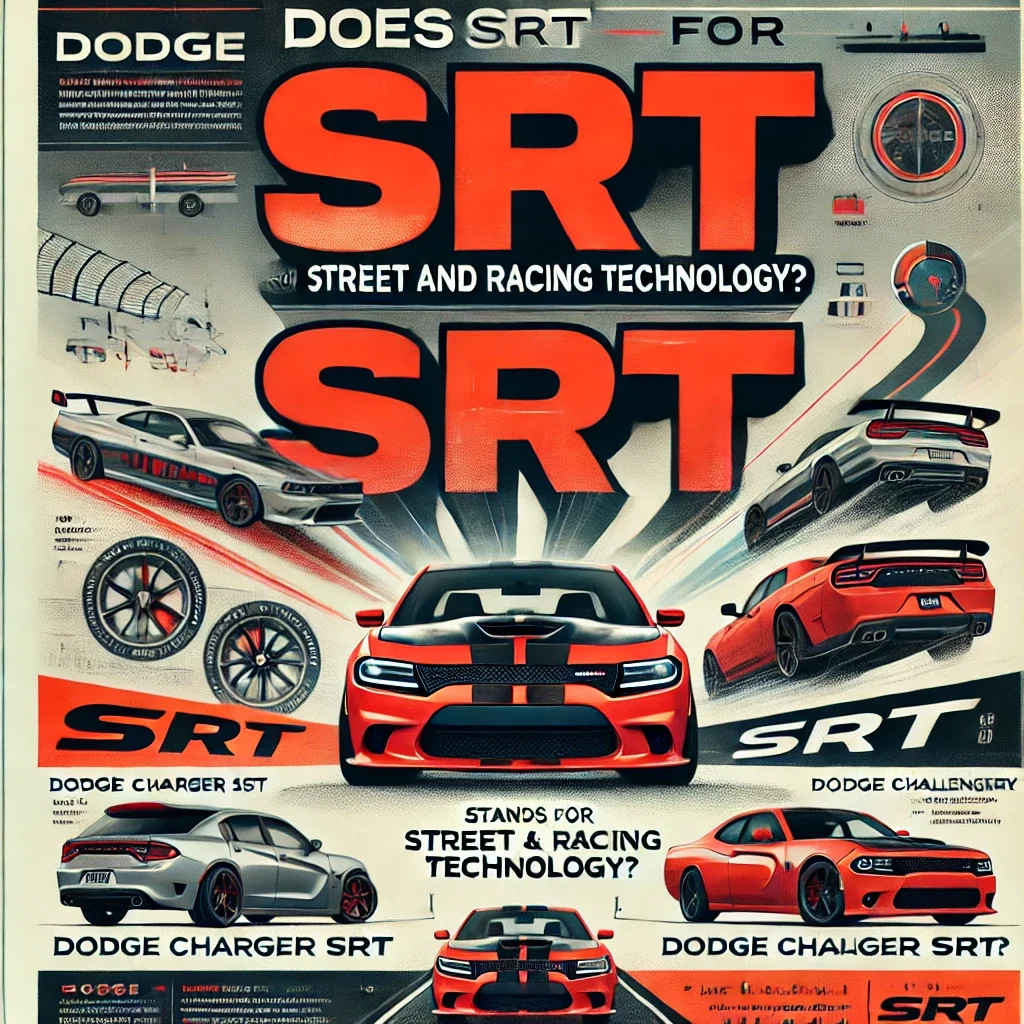
SRT stands for Street and Racing Technology. In Dodge vehicles, the SRT badge means the model was engineered for higher performance, stronger acceleration, upgraded handling, aggressive styling, and track-inspired capability. The simple answer: SRT is Dodge’s performance badge. It has been used on some of Dodge’s most powerful vehicles, including the Charger SRT Hellcat, Challenger SRT Hellcat, Durango SRT, Durango SRT Hellcat, Challenger SRT Demon, and Viper SRT. Dodge’s current SRT page says the SRT lineup still lives on through the Durango SRT, while also paying tribute to the Charger SRT and Challenger SRT models. ( dodge) What Does SRT Mean? SRT = Street and Racing Technology That name tells you the purpose of the badge: Letter Meaning What It Means S Street Built to be driven on public roads R Racing Inspired by track and drag-strip performance T Technology Uses upgraded engineering, powertrain, braking, cooling, and handling tech SRT is not just a cosmetic badge. On true SRT models, it usually means a more serious engine, upgraded brakes, performance suspension, aggressive tuning, and stronger cooling systems. What Makes a Dodge SRT Different? A Dodge SRT model is usually built above the normal trim levels. Compared with a regular Dodge model, an SRT version may include: More horsepower. More torque. Larger brakes. Performance suspension. Sportier transmission tuning. More aggressive exhaust. Performance tires. Track apps or performance pages. Better cooling. Unique SRT styling. That is why SRT models are usually more expensive, faster, and more collectible than standard trims. Popular Dodge SRT Models Some of the most famous Dodge SRT vehicles include: Dodge Challenger SRT Hellcat Dodge Charger SRT Hellcat Dodge Challenger SRT Demon Dodge Challenger SRT Super Stock Dodge Durango SRT 392 Dodge Durango SRT Hellcat Dodge Viper SRT Dodge says the 2023 Charger SRT Hellcat Redeye offered best-in-class horsepower at the time, while the Challenger SRT lineup included extreme models like the Super Stock. ( dodge) Is SRT the Same as Hellcat? No. SRT and Hellcat are related, but they are not the same thing. SRT is the performance division/badge. Hellcat refers to Dodge’s supercharged 6.2L HEMI V8 engine family and the high-output models that use it. So a Hellcat is usually an SRT, but not every SRT is a Hellcat. Example: Model SRT? Hellcat? Durango SRT 392 Yes No Charger SRT Hellcat Yes Yes Challenger SRT Demon Yes Hellcat-based Viper SRT Yes No Is SRT Better Than Scat Pack? SRT is usually positioned above Scat Pack, especially when talking about Hellcat models. A Scat Pack Dodge usually uses a naturally aspirated 6.4L 392 HEMI V8. It is powerful, loud, and fun, but it is generally below the supercharged SRT Hellcat models. Basic comparison: Trim Typical Engine Main Purpose R/T V8 muscle value Scat Pack 392 HEMI performance SRT 392 Higher-performance 392 model SRT Hellcat Supercharged extreme performance SRT Demon Drag-strip-focused limited model Does Dodge Still Make SRT? Yes, but the SRT lineup has changed. The gas-powered Dodge Charger and Challenger SRT models ended with the 2023 model year, but Dodge still references the Durango SRT as part of the current SRT lineup. ( dodge) The SRT name also remains important across Stellantis performance vehicles and performance parts. Dodge’s official site references factory-backed performance parts designed, developed, and validated by SRT Engineering. ( dodge) Final Answer SRT stands for Street and Racing Technology. For Dodge, SRT means a high-performance model built with more power, stronger brakes, better cooling, sharper handling, and more aggressive engineering than regular trims. The easiest way to remember it: SRT = Dodge performance. Hellcat = supercharged SRT power. Scat Pack = strong 392 HEMI performance below Hellcat.

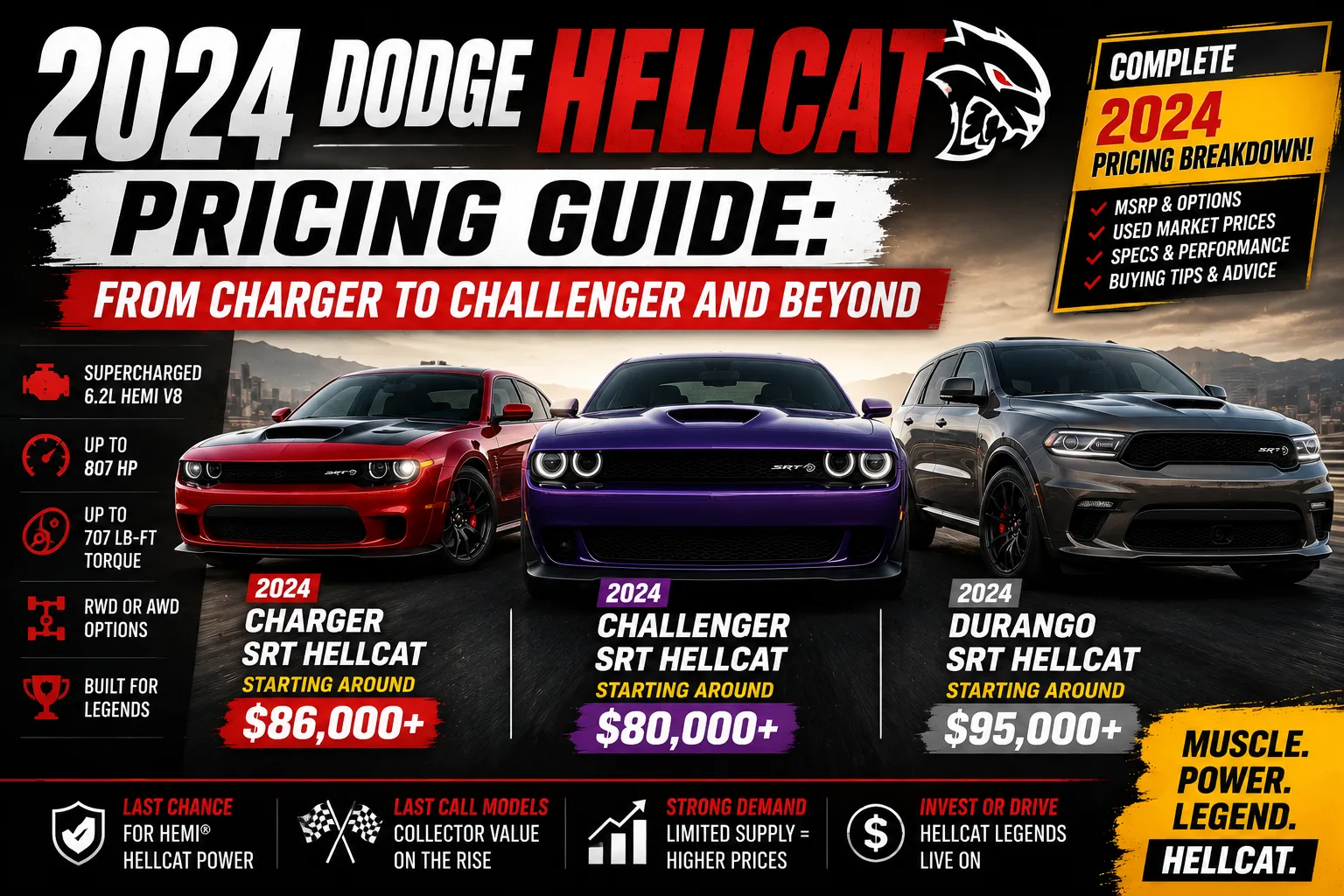
2024 Dodge Hellcat Pricing Guide

2024 Dodge Hellcat Pricing Guide: From Charger to Challenger and Beyond

2024 Dodge Hellcat Pricing Guide: From Charger to Challenger and Beyond The biggest thing to know is this: there was no new 2024 Dodge Charger Hellcat or 2024 Dodge Challenger Hellcat. Dodge ended the gas-powered Charger and Challenger after the 2023 model year, so any “2024 Hellcat Charger” or “2024 Hellcat Challenger” listing is usually a leftover 2023, a used model, or a dealer listing using the wrong year. The only true new 2024 Dodge Hellcat model shoppers could realistically point to was the 2024 Dodge Durango SRT Hellcat, the three-row SUV with the supercharged 6.2L HEMI V8. Edmunds lists the 2024 Durango SRT Hellcat Plus at $103,590 MSRP, while CarPro reviewed a 2024 Durango SRT Hellcat with a $95,995 base price and $109,190 as-tested price. So the 2024 Hellcat pricing guide comes down to three buckets: new Durango Hellcat pricing, used or leftover Charger Hellcat pricing, and used or leftover Challenger Hellcat pricing. Was There a 2024 Dodge Charger Hellcat? No, there was no new 2024 Dodge Charger Hellcat. The last gas-powered Charger Hellcat belonged to the 2023 model year. Dodge’s own Charger SRT page now frames the model as “Remembering the Beast,” which tells you exactly where the old supercharged Charger stands in Dodge history. That means if you are shopping in 2024 or later, Charger Hellcat pricing depends heavily on mileage, trim, condition, color, options, accident history, collector demand, and whether it is a standard Hellcat, Redeye, Widebody, or Jailbreak. 2023 Dodge Charger Hellcat Pricing Reference The 2023 Charger Hellcat is the closest reference point for shoppers asking about a 2024 Charger Hellcat. Car and Driver listed the 2023 Dodge Charger SRT Hellcat lineup from $86,365 to $95,960, depending on trim and options. That range covered factory MSRP, not today’s used-market pricing. Real market prices can be higher or lower depending on supply, condition, and collector demand. Low-mile, final-year, rare-color, Jailbreak, or Redeye examples may command stronger money than higher-mile cars. Was There a 2024 Dodge Challenger Hellcat? No, there was no new 2024 Dodge Challenger Hellcat. Like the Charger, the gas Challenger ended after the 2023 model year. Dodge’s official Challenger SRT page now presents the Challenger SRT as a past icon, highlighting its supercharged 6.2L HEMI V8 and Hellcat legacy rather than a current 2024 production model. So any 2024 Challenger Hellcat “price” is really a used, leftover, auction, or collector-market price. 2023 Dodge Challenger Hellcat Pricing Reference For the Challenger, the best baseline is also the 2023 model year. Car and Driver listed the 2023 Dodge Challenger SRT Hellcat lineup from $71,895 to $92,895, depending on trim and options. That range included multiple Hellcat-family versions. A standard Hellcat was cheaper than a Redeye Widebody Jailbreak. Special editions and final-year cars may carry market premiums, especially if mileage is low and documentation is clean. 2024 Dodge Durango SRT Hellcat Pricing The 2024 Dodge Durango SRT Hellcat was the main new Hellcat-powered Dodge available in 2024. This SUV used the supercharged 6.2L HEMI V8 and gave buyers Hellcat power with three rows, all-wheel drive, and real family-hauler utility. Dodge continues to position the Durango SRT Hellcat as the supercharged V8 performance SUV in the lineup. For pricing, expect the 2024 Durango SRT Hellcat to sit roughly in the mid-$90,000 to low-$100,000 MSRP range before options, with heavily optioned examples climbing higher. Edmunds lists the 2024 SRT Hellcat Plus at $103,590 MSRP, while CarPro’s reviewed example had a $109,190 as-tested price. Why Durango Hellcat Pricing Is So High The Durango Hellcat costs more because it is not just a regular Durango with a louder exhaust. It has a supercharged V8, standard all-wheel drive, upgraded cooling, performance brakes, performance suspension tuning, aggressive styling, and three-row practicality. It also exists in a market where new supercharged V8 vehicles are disappearing. That scarcity matters. Buyers are not only paying for horsepower. They are paying for one of the last family-sized Hellcat-powered SUVs still standing. What About the Ram TRX? The Ram 1500 TRX is not a Dodge, but it belongs in any real Hellcat pricing discussion. The TRX used a supercharged 6.2L HEMI V8 and became the Hellcat-powered off-road truck people still chase. It was discontinued after the Final Edition run, making used-market pricing especially sensitive to mileage and condition. Car and Driver listed the 2024 Ram 1500 TRX from $98,335 to $119,620, depending on trim and options. That means the TRX often overlapped with Durango Hellcat pricing, but served a totally different buyer. The Durango Hellcat is the family missile. The TRX is the desert-running supertruck. What About the Jeep Trackhawk? The Jeep Grand Cherokee Trackhawk is another Hellcat-powered legend, but it was not a 2024 model. It used the supercharged 6.2L HEMI V8 and became famous as the “Hellcat Jeep.” Since it is discontinued, pricing is fully used-market based. Clean examples can remain expensive because the Trackhawk has no direct new replacement. For buyers cross-shopping Hellcat vehicles, the Trackhawk still matters because it gives you Hellcat power, all-wheel drive, SUV practicality, and collector appeal. Why 2024 Hellcat Pricing Got Complicated Hellcat pricing became complicated because Dodge ended the old Charger and Challenger while keeping the Durango Hellcat alive. That created a confusing market. Some shoppers searched for a 2024 Charger Hellcat or 2024 Challenger Hellcat even though those cars were not built as 2024 models. Others found leftover 2023 inventory sold during 2024 and assumed it was a 2024 car. The model year matters. A final-year 2023 Charger or Challenger Hellcat may still be extremely desirable, but it is not a 2024 model. New vs Used Hellcat Pricing New Hellcat pricing in 2024 was mainly about the Durango SRT Hellcat. Used Hellcat pricing was about everything else: Charger, Challenger, Trackhawk, TRX, and older Durango Hellcat models. Used pricing changes based on: Mileage. Trim. Widebody package. Redeye package. Jailbreak package. Final-year status. Color. Accident history. Service history. Modifications. Number of owners. Original window sticker. Dealer markup or collector premium. A clean, stock Hellcat with low mileage usually brings stronger money than a modified one with unknown tuning. Charger Hellcat vs Challenger Hellcat Pricing The Challenger Hellcat often had a lower original starting MSRP than the Charger Hellcat, but the used market can vary. The Challenger is the classic two-door muscle car. The Charger is the four-door muscle sedan. Some buyers prefer the Challenger for collectibility and old-school style. Others prefer the Charger because it gives Hellcat power with rear doors and real daily usability. In the used market, the right trim matters more than the body style alone. A Challenger Redeye Widebody Jailbreak may cost more than a standard Charger Hellcat. A low-mile Charger Redeye may cost more than a higher-mile Challenger. Is the Hellcat Still Worth Buying? Yes, a Hellcat can still be worth buying if you understand the costs. The supercharged 6.2L HEMI is one of the most iconic modern American performance engines. It delivers brutal power, unforgettable sound, and the kind of character that is disappearing from new vehicles. But ownership is not cheap. Hellcats use more fuel, burn through tires faster, cost more to insure, and can be expensive to repair if abused or modified poorly. Before buying used, inspect service records, tire condition, brake condition, accident history, tune status, pulley changes, cooling system, and drivetrain behavior. Best Hellcat Value in 2024 The best value depends on the buyer. The Challenger Hellcat is best if you want the classic muscle-car shape. The Charger Hellcat is best if you want four-door practicality. The Durango SRT Hellcat is best if you want three rows and all-wheel drive. The Ram TRX is best if you want the supercharged V8 in a truck. The Jeep Trackhawk is best if you want the discontinued Hellcat SUV icon. For shoppers around Simi Valley, check used Dodge inventory for Charger, Challenger, Durango, and other performance models. If you want current Dodge options, browse new Dodge inventory. FAQs About 2024 Dodge Hellcat Pricing Is there a 2024 Dodge Charger Hellcat? No. The gas-powered Dodge Charger Hellcat ended after the 2023 model year. Is there a 2024 Dodge Challenger Hellcat? No. The gas-powered Dodge Challenger Hellcat also ended after the 2023 model year. What was the main 2024 Dodge Hellcat model? The main new 2024 Dodge Hellcat model was the Dodge Durango SRT Hellcat. How much did a 2024 Dodge Durango Hellcat cost? A 2024 Durango SRT Hellcat generally landed in the mid-$90,000 to low-$100,000 MSRP range before options, with some optioned examples around or above $109,000. How much was a 2023 Charger Hellcat? Car and Driver listed the 2023 Charger SRT Hellcat range from $86,365 to $95,960, depending on trim and options. How much was a 2023 Challenger Hellcat? Car and Driver listed the 2023 Challenger SRT Hellcat range from $71,895 to $92,895, depending on trim and options. Is a used Hellcat expensive to own? Yes. Fuel, tires, brakes, insurance, repairs, and maintenance can be expensive, especially on modified or abused examples. Final Thoughts: 2024 Was the Year Hellcat Became Scarcity-Driven The 2024 Dodge Hellcat pricing story is really about transition. The Charger Hellcat and Challenger Hellcat were gone as new models after 2023. The Durango SRT Hellcat carried the supercharged Dodge torch into 2024. The Ram TRX and Jeep Trackhawk remained part of the wider Hellcat conversation, but mostly through used and collector markets. So the actual answer is clear: there was no 2024 Charger Hellcat or Challenger Hellcat, but the 2024 Durango SRT Hellcat kept Hellcat power alive, usually at roughly $96,000 to $109,000 depending on trim and options.

2023DodgeChallenger-header-01

Is a Dodge Demon or Hellcat Faster?

Is a Dodge Demon or Hellcat Faster? The Dodge Demon is faster than a Dodge Hellcat in a straight line, especially in a drag race. The simple answer is this: the Demon was built to be the quickest factory drag-racing Challenger, while the Hellcat was built to be a brutally fast but more street-friendly muscle car. The original 2018 Dodge Challenger SRT Demon made up to 840 horsepower, while the 2023 Dodge Challenger SRT Demon 170 pushed the formula to 1,025 horsepower on E85 fuel. Dodge Garage lists the Demon 170 at 1,025 horsepower, 945 lb-ft of torque, 0 to 60 mph in 1.66 seconds, and a certified 8.91-second quarter-mile at 151.17 mph. That makes it far quicker than a normal Hellcat and even quicker than the Hellcat Redeye in factory drag-strip form. Demon vs Hellcat: The Quick Answer The Demon is faster in the quarter-mile. The Hellcat may be better as a daily driver. The Demon 170 is the fastest factory Challenger ever built. The Hellcat is still insanely fast, but it is not as drag-focused as the Demon. A Hellcat is a muscle car. A Demon is a street-legal drag car. How Fast Is the Dodge Demon? The original 2018 Dodge Challenger SRT Demon was already outrageous. MotorWeek lists the 2018 Demon at 840 horsepower, 770 lb-ft of torque, 0 to 60 mph in 2.3 seconds, and a 9.65-second quarter-mile. That was extreme when it launched. The Demon came with drag-focused hardware, including special tires, transbrake technology, drag suspension tuning, and equipment designed to help it launch hard. Then Dodge went even further with the Demon 170. The Demon 170 is the final boss version. With E85 fuel, it makes 1,025 horsepower and runs an 8.91-second quarter-mile according to Dodge Garage. That puts it in a completely different performance category from a regular Hellcat. How Fast Is the Dodge Hellcat? A regular Dodge Hellcat is still very fast. The Challenger and Charger Hellcat models used a supercharged 6.2L HEMI V8 and became icons because they delivered absurd horsepower in a relatively usable street car. Depending on year and version, Hellcat models made around 707 horsepower, while Redeye versions pushed power higher. The Hellcat Redeye is the closest normal Hellcat-family car to the Demon. MotorWeek lists the 2019 Challenger SRT Hellcat Redeye at 797 horsepower, 707 lb-ft of torque, 0 to 60 mph in 3.7 seconds, and an 11.4-second quarter-mile at 126 mph. That is extremely quick, but it is still slower than both the original Demon and the Demon 170 at the drag strip. Why the Demon Is Faster The Demon is faster because it was engineered specifically for drag racing. It is not just a Hellcat with more horsepower. Dodge changed the formula to help the Demon launch harder, hook better, and survive repeated drag-strip abuse. The Demon has drag-focused tires, special suspension tuning, more aggressive launch technology, extra cooling features, and higher-output engine tuning. The original Demon was already designed to dominate the quarter-mile, and the Demon 170 took that idea even further. A Hellcat is more of a street muscle car. A Demon is built to chase the lowest elapsed time. Demon 170 vs Hellcat Redeye The Demon 170 destroys the Hellcat Redeye in pure straight-line acceleration. The Demon 170 makes 1,025 horsepower on E85. The Hellcat Redeye makes 797 horsepower in many configurations. The Demon 170 is also designed around drag-strip launches, while the Redeye is more usable as a high-power street car. In a quarter-mile race, the Demon 170 is the clear winner. In daily driving, the Redeye may be easier to live with because it is not as specialized. Original Demon vs Hellcat The original 2018 Demon is also faster than a standard Hellcat. The Demon made up to 840 horsepower with the right setup, compared with the standard Hellcat’s roughly 707 horsepower. It also had more drag-specific equipment. The standard Hellcat is more comfortable as a normal street car. The Demon is more collectible and more extreme. Is the Hellcat Better for Daily Driving? Yes, the Hellcat is usually better for daily driving. The Hellcat is still loud, powerful, and aggressive, but it is less specialized than the Demon. It is easier to use every day, especially if you want regular tires, normal street manners, and fewer drag-racing compromises. The Demon is cooler and faster, but it is not the practical choice. It is more of a collectible drag weapon. Is the Demon Street Legal? Yes, the Demon and Demon 170 were built as street-legal production cars, but they are extremely drag-focused. That does not mean they are casual commuter cars. The Demon was built around launch performance, traction, and quarter-mile dominance. It can be driven on the street, but its real purpose is the drag strip. Which One Should You Buy? Buy the Demon if you want the faster, rarer, more collectible drag car. Buy the Hellcat if you want a more usable high-horsepower muscle car. Buy the Hellcat Redeye if you want something closer to Demon power but more street-friendly. Buy the Demon 170 if you want the most extreme factory Challenger ever built and understand that it is already a collector-grade machine. For local shoppers, check available used Dodge inventory for Challenger, Charger, Hellcat, Scat Pack, and other performance models. You can also browse new Dodge inventory to compare current Dodge performance options. FAQs About Demon vs Hellcat Is a Dodge Demon faster than a Hellcat? Yes. The Dodge Demon is faster than a Hell