Simi Valley Chrysler Dodge Jeep Ram

Blog / Dodge

Dodge Hornet Reliability

Dodge Hornet Reliability

When it comes to compact SUVs, the market is brimming with options, each vying for attention with its unique blend of features, performance, and reliability. Among the contenders, the Dodge Hornet has emerged as a noteworthy player, promising a blend of style, power, and versatility. However, as with any vehicle, prospective buyers are keenly interested in understanding its reliability to make an informed decision. In this comprehensive analysis, we delve deep into the Dodge Hornet's reliability, exploring its build quality, performance metrics, common issues, owner feedback, and how it stacks up against its competitors.

1. Introduction to the Dodge Hornet

Launched as Dodge's entry into the highly competitive compact SUV segment, the Hornet aims to capture drivers seeking a balance between performance and practicality. With its bold design, advanced technology, and Dodge's signature performance-oriented ethos, the Hornet is positioned to appeal to a diverse range of consumers.

Key Features:

  • Engine Options: The Hornet offers a range of engines, including turbocharged four-cylinder options and performance-tuned variants.
  • Interior Quality: High-quality materials, spacious seating, and modern infotainment systems define the interior.
  • Technology: Advanced driver-assistance systems, connectivity features, and customizable displays enhance the driving experience.
  • Design: A sporty and aggressive exterior design sets the Hornet apart in a crowded market.

2. Build Quality and Design

Exterior:

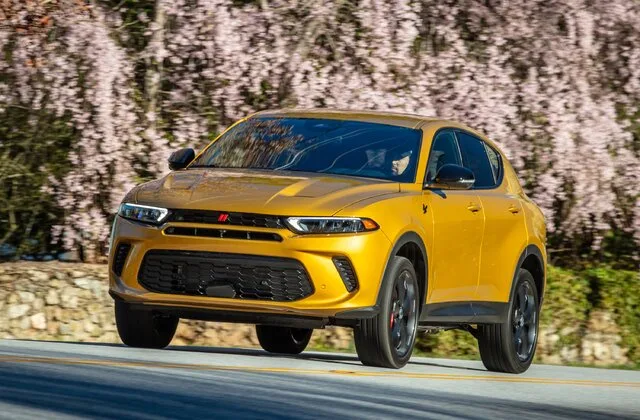
The Dodge Hornet boasts a striking exterior that blends ruggedness with sleek aesthetics. The bold grille, sharp lines, and aerodynamic profile not only contribute to its visual appeal but also enhance performance. High-quality materials and precise manufacturing processes ensure durability and a premium feel.

Interior:

Inside, the Hornet offers a well-appointed cabin with ample space for passengers and cargo. The use of soft-touch materials, comfortable seating, and intuitive layout reflects Dodge's commitment to quality. The ergonomic design ensures that controls are easily accessible, reducing driver fatigue during long journeys.

Materials and Fit & Finish:

The Hornet's interior materials are of commendable quality, with minimal rattles or squeaks reported in initial reviews. The fit and finish are tight, showcasing attention to detail in assembly. However, as with any new model, minor issues may surface over time, warranting close attention from manufacturers.

3. Performance and Engine Reliability

Engine Options:

The Dodge Hornet comes equipped with a variety of engine choices to cater to different driving preferences:

  • 2.0L Turbocharged Inline-4: Offers a balance between performance and fuel efficiency, delivering around 250 horsepower.
  • Performance Variants: Enhanced engines with higher horsepower for those seeking a more spirited driving experience.

Transmission:

Paired with a smooth-shifting automatic transmission, the Hornet ensures seamless power delivery and responsiveness. The transmission's reliability is crucial for long-term ownership, and early reports suggest minimal issues.

Handling and Ride Quality:

The Hornet's suspension is tuned to provide a comfortable ride without compromising on handling. Its agile maneuverability makes it suitable for both city driving and highway cruising. The vehicle's stability and responsiveness are key indicators of its overall performance reliability.

Fuel Efficiency:

Fuel economy figures are competitive within the compact SUV segment. The Hornet's engines are designed to optimize fuel consumption without sacrificing performance, making it a practical choice for daily commuting and long-distance travel.

4. Reliability Ratings and Consumer Reports

Manufacturer's Reliability:

Dodge, as a brand, has had a mixed history with reliability. However, recent models have shown significant improvements, with a focus on quality control and customer satisfaction. The Hornet benefits from these advancements, aiming to establish Dodge as a dependable manufacturer in the compact SUV space.

Third-Party Reliability Ratings:

Organizations like J.D. Power and Consumer Reports provide invaluable insights into a vehicle's reliability. As of the latest reports:

  • J.D. Power: The Dodge Hornet receives above-average ratings in initial quality studies, indicating fewer problems reported by early owners.
  • Consumer Reports: The Hornet scores well in reliability rankings, particularly in areas like engine performance and transmission smoothness.

Warranty and Support:

Dodge offers a competitive warranty package for the Hornet, typically including a 3-year/36,000-mile bumper-to-bumper warranty and a 5-year/60,000-mile powertrain warranty. Extended warranties and maintenance plans are also available, providing added peace of mind for buyers.

5. Common Issues and Recalls

Initial Release Concerns:

As with any new model, the Dodge Hornet may encounter teething problems during its initial release phase. Common issues to watch for include:

  • Infotainment System Glitches: Early adopters may report occasional software bugs or connectivity issues with the infotainment system.
  • Minor Electrical Problems: Instances of faulty sensors or minor electrical malfunctions have been noted, though these are generally addressed promptly by dealers.
  • Interior Trim Issues: Some users have reported loose trim pieces or minor imperfections in the interior finish.

Recalls:

As of the latest information, there have been no major recalls for the Dodge Hornet. Manufacturers continuously monitor vehicle performance post-launch and issue recalls if significant safety or reliability issues arise. Prospective buyers should stay informed by regularly checking official recall notices.

6. Owner Feedback and Satisfaction

Positive Feedback:

Owners of the Dodge Hornet have expressed satisfaction with various aspects of the vehicle:

  • Performance: The Hornet's powerful engine options and responsive handling are frequently praised.
  • Comfort: Spacious interiors and comfortable seating contribute to a positive ownership experience.
  • Design: The bold and sporty design resonates well with buyers looking for a distinctive vehicle.

Areas for Improvement:

While the overall feedback is positive, some areas have been highlighted for potential improvement:

  • Infotainment Interface: Some users find the infotainment system's interface less intuitive compared to competitors.
  • Cargo Space: While adequate for its class, a few owners wish for more cargo capacity.
  • Ride Firmness: A minority of drivers prefer a softer ride, especially on rougher road surfaces.

Reliability Perception:

Overall, owner satisfaction regarding the Hornet's reliability is high, with minimal reported issues. The brand's commitment to addressing concerns and providing timely support reinforces confidence among owners.

7. Comparison with Competitors

Dodge Hornet vs. Honda HR-V:

  • Performance: The Hornet offers more powerful engine options compared to the HR-V's modest offerings.
  • Interior Space: Both vehicles provide ample space, but the Hornet edges out slightly in cargo capacity.
  • Reliability: Honda traditionally boasts strong reliability, but the Hornet is making significant strides in this area.

Dodge Hornet vs. Toyota C-HR:

  • Design: The Hornet's aggressive styling contrasts with the C-HR's more subdued aesthetics.
  • Technology: Both vehicles offer advanced infotainment systems, though user preferences may vary.
  • Fuel Efficiency: Comparable fuel economy figures, with slight variations based on engine choices.

Dodge Hornet vs. Mazda CX-30:

  • Performance: The Hornet's performance-oriented design gives it an edge in engine power and handling.
  • Interior Quality: Both vehicles feature high-quality interiors, with Mazda often praised for its luxurious feel.
  • Reliability: Mazda has a longstanding reputation for reliability, which the Hornet is working to match.

Dodge Hornet vs. Subaru Crosstrek:

  • All-Wheel Drive: Both offer all-wheel-drive options, enhancing versatility.
  • Off-Road Capability: The Crosstrek is known for its off-road prowess, while the Hornet focuses more on urban and highway performance.
  • Reliability: Subaru's reliability is well-regarded, but the Hornet is emerging as a strong contender.

8. Maintenance and Long-Term Reliability

Routine Maintenance:

Proper maintenance is crucial for ensuring the long-term reliability of any vehicle. For the Dodge Hornet, regular oil changes, tire rotations, brake inspections, and timely replacement of filters and fluids are essential. Following the manufacturer's recommended maintenance schedule helps prevent potential issues and extends the vehicle's lifespan.

Common Repairs:

While the Hornet is generally reliable, some common repairs that may arise include:

  • Brake System Maintenance: Replacement of brake pads and rotors as they wear out.
  • Battery Replacement: Batteries typically last 3-5 years, depending on usage and climate conditions.
  • Tire Replacement: Depending on driving habits and road conditions, tires may need replacement every 40,000 to 60,000 miles.

Availability of Parts and Service:

Dodge's extensive dealership network ensures that parts and service are readily available. Genuine OEM parts are accessible, and certified technicians are trained to handle specific Hornet-related issues, ensuring quality repairs and maintenance.

Cost of Ownership:

The Dodge Hornet's cost of ownership is competitive within its segment. Initial purchase prices are reasonable, and maintenance costs are manageable. Insurance premiums are on par with other compact SUVs, though they can vary based on individual factors like location, driving history, and coverage choices.

9. Safety and Reliability

Safety Features:

The Hornet is equipped with a suite of safety features aimed at protecting occupants and preventing accidents:

  • Advanced Driver-Assistance Systems (ADAS): Includes adaptive cruise control, lane-keeping assist, blind-spot monitoring, and automatic emergency braking.
  • Structural Integrity: High-strength steel frames and crumple zones enhance crash safety.
  • Airbags: Comprehensive airbag coverage for front, side, and curtain protection.

Safety Ratings:

Safety ratings from organizations like NHTSA and IIHS are critical indicators of a vehicle's safety performance. The Dodge Hornet has performed admirably in initial tests, earning favorable ratings for crashworthiness and safety features.

Reliability Impact on Safety:

A reliable vehicle is inherently safer, as consistent performance and minimal mechanical issues reduce the likelihood of accidents caused by vehicle malfunctions. The Hornet's reliability contributes positively to its overall safety profile, ensuring that critical systems function as intended.

10. Future Outlook and Reliability Improvements

Manufacturer's Commitment:

Dodge has demonstrated a commitment to continuous improvement, focusing on enhancing build quality, performance, and reliability in subsequent model years. Feedback from early adopters is being actively incorporated to address any shortcomings and refine the Hornet's design and functionality.

Technological Advancements:

With advancements in automotive technology, the Hornet is expected to integrate more sophisticated systems that enhance reliability. Innovations in engine design, materials, and manufacturing processes contribute to a more robust and dependable vehicle.

Sustainability Efforts:

Dodge is also exploring eco-friendly technologies, such as hybrid and electric powertrains, which may be incorporated into future Hornet models. These advancements not only improve environmental sustainability but also offer enhanced performance and efficiency, contributing to overall reliability.

11. Conclusion: Is the Dodge Hornet a Reliable Choice?

After a thorough analysis, the Dodge Hornet emerges as a reliable and compelling option in the compact SUV segment. Its robust performance, stylish design, and advanced features make it an attractive choice for a wide range of drivers. While early models have shown minor issues typical of new vehicle releases, the overall reliability ratings and owner feedback are positive, indicating that the Hornet is poised to establish itself as a dependable contender in the market.

Pros:

  • Powerful Engine Options: Delivering impressive performance and responsiveness.
  • Stylish Design: Bold aesthetics that stand out in a crowded market.
  • Advanced Technology: Comprehensive infotainment and safety features.
  • Competitive Pricing: Offering good value for the features and performance provided.

Cons:

  • Infotainment System: May require further refinement for enhanced user experience.
  • Cargo Space: While adequate, it may fall short for some users compared to competitors.
  • Ride Firmness: Some drivers may prefer a softer suspension setup.

Final Verdict:

The Dodge Hornet is a reliable and versatile compact SUV that caters to drivers seeking a blend of performance, style, and practicality. Its strong initial reliability ratings, coupled with Dodge's ongoing improvements, make it a worthwhile consideration for anyone in the market for a new SUV. Prospective buyers should, however, evaluate their specific needs and preferences, test drive the vehicle, and consult multiple sources of reviews to ensure it aligns with their expectations.

12. Additional Resources

For those interested in learning more about the Dodge Hornet's reliability and overall performance, the following resources are invaluable:
Posted in:

Related Posts

What Does Srt Stand For Dodge

What Does Srt Stand For Dodge?

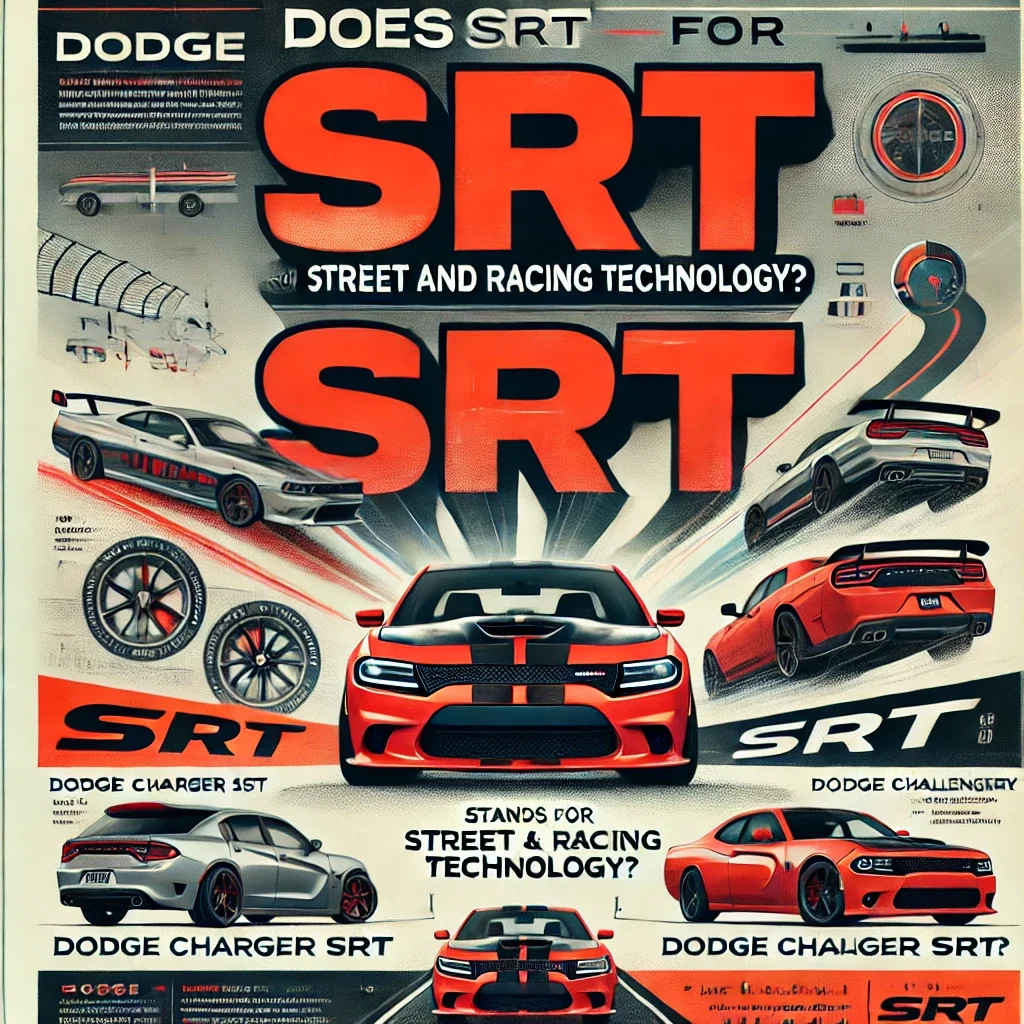
SRT stands for Street and Racing Technology. In Dodge vehicles, the SRT badge means the model was engineered for higher performance, stronger acceleration, upgraded handling, aggressive styling, and track-inspired capability. The simple answer: SRT is Dodge’s performance badge. It has been used on some of Dodge’s most powerful vehicles, including the Charger SRT Hellcat, Challenger SRT Hellcat, Durango SRT, Durango SRT Hellcat, Challenger SRT Demon, and Viper SRT. Dodge’s current SRT page says the SRT lineup still lives on through the Durango SRT, while also paying tribute to the Charger SRT and Challenger SRT models. ( dodge) What Does SRT Mean? SRT = Street and Racing Technology That name tells you the purpose of the badge: Letter Meaning What It Means S Street Built to be driven on public roads R Racing Inspired by track and drag-strip performance T Technology Uses upgraded engineering, powertrain, braking, cooling, and handling tech SRT is not just a cosmetic badge. On true SRT models, it usually means a more serious engine, upgraded brakes, performance suspension, aggressive tuning, and stronger cooling systems. What Makes a Dodge SRT Different? A Dodge SRT model is usually built above the normal trim levels. Compared with a regular Dodge model, an SRT version may include: More horsepower. More torque. Larger brakes. Performance suspension. Sportier transmission tuning. More aggressive exhaust. Performance tires. Track apps or performance pages. Better cooling. Unique SRT styling. That is why SRT models are usually more expensive, faster, and more collectible than standard trims. Popular Dodge SRT Models Some of the most famous Dodge SRT vehicles include: Dodge Challenger SRT Hellcat Dodge Charger SRT Hellcat Dodge Challenger SRT Demon Dodge Challenger SRT Super Stock Dodge Durango SRT 392 Dodge Durango SRT Hellcat Dodge Viper SRT Dodge says the 2023 Charger SRT Hellcat Redeye offered best-in-class horsepower at the time, while the Challenger SRT lineup included extreme models like the Super Stock. ( dodge) Is SRT the Same as Hellcat? No. SRT and Hellcat are related, but they are not the same thing. SRT is the performance division/badge. Hellcat refers to Dodge’s supercharged 6.2L HEMI V8 engine family and the high-output models that use it. So a Hellcat is usually an SRT, but not every SRT is a Hellcat. Example: Model SRT? Hellcat? Durango SRT 392 Yes No Charger SRT Hellcat Yes Yes Challenger SRT Demon Yes Hellcat-based Viper SRT Yes No Is SRT Better Than Scat Pack? SRT is usually positioned above Scat Pack, especially when talking about Hellcat models. A Scat Pack Dodge usually uses a naturally aspirated 6.4L 392 HEMI V8. It is powerful, loud, and fun, but it is generally below the supercharged SRT Hellcat models. Basic comparison: Trim Typical Engine Main Purpose R/T V8 muscle value Scat Pack 392 HEMI performance SRT 392 Higher-performance 392 model SRT Hellcat Supercharged extreme performance SRT Demon Drag-strip-focused limited model Does Dodge Still Make SRT? Yes, but the SRT lineup has changed. The gas-powered Dodge Charger and Challenger SRT models ended with the 2023 model year, but Dodge still references the Durango SRT as part of the current SRT lineup. ( dodge) The SRT name also remains important across Stellantis performance vehicles and performance parts. Dodge’s official site references factory-backed performance parts designed, developed, and validated by SRT Engineering. ( dodge) Final Answer SRT stands for Street and Racing Technology. For Dodge, SRT means a high-performance model built with more power, stronger brakes, better cooling, sharper handling, and more aggressive engineering than regular trims. The easiest way to remember it: SRT = Dodge performance. Hellcat = supercharged SRT power. Scat Pack = strong 392 HEMI performance below Hellcat.

2024 Dodge Hellcat Pricing Guide

2024 Dodge Hellcat Pricing Guide: From Charger to Challenger and Beyond

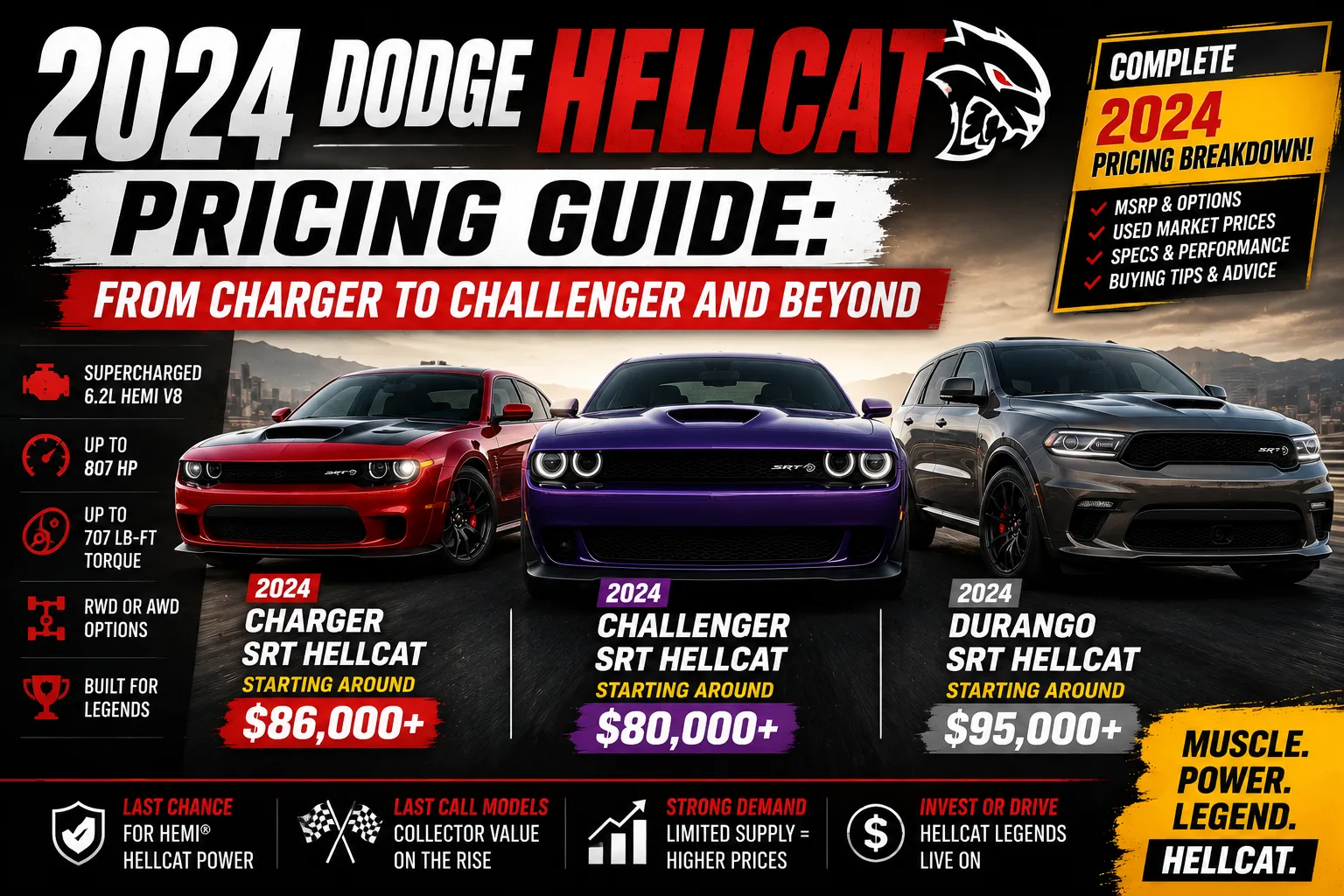
2024 Dodge Hellcat Pricing Guide: From Charger to Challenger and Beyond The biggest thing to know is this: there was no new 2024 Dodge Charger Hellcat or 2024 Dodge Challenger Hellcat. Dodge ended the gas-powered Charger and Challenger after the 2023 model year, so any “2024 Hellcat Charger” or “2024 Hellcat Challenger” listing is usually a leftover 2023, a used model, or a dealer listing using the wrong year. The only true new 2024 Dodge Hellcat model shoppers could realistically point to was the 2024 Dodge Durango SRT Hellcat, the three-row SUV with the supercharged 6.2L HEMI V8. Edmunds lists the 2024 Durango SRT Hellcat Plus at $103,590 MSRP, while CarPro reviewed a 2024 Durango SRT Hellcat with a $95,995 base price and $109,190 as-tested price. So the 2024 Hellcat pricing guide comes down to three buckets: new Durango Hellcat pricing, used or leftover Charger Hellcat pricing, and used or leftover Challenger Hellcat pricing. Was There a 2024 Dodge Charger Hellcat? No, there was no new 2024 Dodge Charger Hellcat. The last gas-powered Charger Hellcat belonged to the 2023 model year. Dodge’s own Charger SRT page now frames the model as “Remembering the Beast,” which tells you exactly where the old supercharged Charger stands in Dodge history. That means if you are shopping in 2024 or later, Charger Hellcat pricing depends heavily on mileage, trim, condition, color, options, accident history, collector demand, and whether it is a standard Hellcat, Redeye, Widebody, or Jailbreak. 2023 Dodge Charger Hellcat Pricing Reference The 2023 Charger Hellcat is the closest reference point for shoppers asking about a 2024 Charger Hellcat. Car and Driver listed the 2023 Dodge Charger SRT Hellcat lineup from $86,365 to $95,960, depending on trim and options. That range covered factory MSRP, not today’s used-market pricing. Real market prices can be higher or lower depending on supply, condition, and collector demand. Low-mile, final-year, rare-color, Jailbreak, or Redeye examples may command stronger money than higher-mile cars. Was There a 2024 Dodge Challenger Hellcat? No, there was no new 2024 Dodge Challenger Hellcat. Like the Charger, the gas Challenger ended after the 2023 model year. Dodge’s official Challenger SRT page now presents the Challenger SRT as a past icon, highlighting its supercharged 6.2L HEMI V8 and Hellcat legacy rather than a current 2024 production model. So any 2024 Challenger Hellcat “price” is really a used, leftover, auction, or collector-market price. 2023 Dodge Challenger Hellcat Pricing Reference For the Challenger, the best baseline is also the 2023 model year. Car and Driver listed the 2023 Dodge Challenger SRT Hellcat lineup from $71,895 to $92,895, depending on trim and options. That range included multiple Hellcat-family versions. A standard Hellcat was cheaper than a Redeye Widebody Jailbreak. Special editions and final-year cars may carry market premiums, especially if mileage is low and documentation is clean. 2024 Dodge Durango SRT Hellcat Pricing The 2024 Dodge Durango SRT Hellcat was the main new Hellcat-powered Dodge available in 2024. This SUV used the supercharged 6.2L HEMI V8 and gave buyers Hellcat power with three rows, all-wheel drive, and real family-hauler utility. Dodge continues to position the Durango SRT Hellcat as the supercharged V8 performance SUV in the lineup. For pricing, expect the 2024 Durango SRT Hellcat to sit roughly in the mid-$90,000 to low-$100,000 MSRP range before options, with heavily optioned examples climbing higher. Edmunds lists the 2024 SRT Hellcat Plus at $103,590 MSRP, while CarPro’s reviewed example had a $109,190 as-tested price. Why Durango Hellcat Pricing Is So High The Durango Hellcat costs more because it is not just a regular Durango with a louder exhaust. It has a supercharged V8, standard all-wheel drive, upgraded cooling, performance brakes, performance suspension tuning, aggressive styling, and three-row practicality. It also exists in a market where new supercharged V8 vehicles are disappearing. That scarcity matters. Buyers are not only paying for horsepower. They are paying for one of the last family-sized Hellcat-powered SUVs still standing. What About the Ram TRX? The Ram 1500 TRX is not a Dodge, but it belongs in any real Hellcat pricing discussion. The TRX used a supercharged 6.2L HEMI V8 and became the Hellcat-powered off-road truck people still chase. It was discontinued after the Final Edition run, making used-market pricing especially sensitive to mileage and condition. Car and Driver listed the 2024 Ram 1500 TRX from $98,335 to $119,620, depending on trim and options. That means the TRX often overlapped with Durango Hellcat pricing, but served a totally different buyer. The Durango Hellcat is the family missile. The TRX is the desert-running supertruck. What About the Jeep Trackhawk? The Jeep Grand Cherokee Trackhawk is another Hellcat-powered legend, but it was not a 2024 model. It used the supercharged 6.2L HEMI V8 and became famous as the “Hellcat Jeep.” Since it is discontinued, pricing is fully used-market based. Clean examples can remain expensive because the Trackhawk has no direct new replacement. For buyers cross-shopping Hellcat vehicles, the Trackhawk still matters because it gives you Hellcat power, all-wheel drive, SUV practicality, and collector appeal. Why 2024 Hellcat Pricing Got Complicated Hellcat pricing became complicated because Dodge ended the old Charger and Challenger while keeping the Durango Hellcat alive. That created a confusing market. Some shoppers searched for a 2024 Charger Hellcat or 2024 Challenger Hellcat even though those cars were not built as 2024 models. Others found leftover 2023 inventory sold during 2024 and assumed it was a 2024 car. The model year matters. A final-year 2023 Charger or Challenger Hellcat may still be extremely desirable, but it is not a 2024 model. New vs Used Hellcat Pricing New Hellcat pricing in 2024 was mainly about the Durango SRT Hellcat. Used Hellcat pricing was about everything else: Charger, Challenger, Trackhawk, TRX, and older Durango Hellcat models. Used pricing changes based on: Mileage. Trim. Widebody package. Redeye package. Jailbreak package. Final-year status. Color. Accident history. Service history. Modifications. Number of owners. Original window sticker. Dealer markup or collector premium. A clean, stock Hellcat with low mileage usually brings stronger money than a modified one with unknown tuning. Charger Hellcat vs Challenger Hellcat Pricing The Challenger Hellcat often had a lower original starting MSRP than the Charger Hellcat, but the used market can vary. The Challenger is the classic two-door muscle car. The Charger is the four-door muscle sedan. Some buyers prefer the Challenger for collectibility and old-school style. Others prefer the Charger because it gives Hellcat power with rear doors and real daily usability. In the used market, the right trim matters more than the body style alone. A Challenger Redeye Widebody Jailbreak may cost more than a standard Charger Hellcat. A low-mile Charger Redeye may cost more than a higher-mile Challenger. Is the Hellcat Still Worth Buying? Yes, a Hellcat can still be worth buying if you understand the costs. The supercharged 6.2L HEMI is one of the most iconic modern American performance engines. It delivers brutal power, unforgettable sound, and the kind of character that is disappearing from new vehicles. But ownership is not cheap. Hellcats use more fuel, burn through tires faster, cost more to insure, and can be expensive to repair if abused or modified poorly. Before buying used, inspect service records, tire condition, brake condition, accident history, tune status, pulley changes, cooling system, and drivetrain behavior. Best Hellcat Value in 2024 The best value depends on the buyer. The Challenger Hellcat is best if you want the classic muscle-car shape. The Charger Hellcat is best if you want four-door practicality. The Durango SRT Hellcat is best if you want three rows and all-wheel drive. The Ram TRX is best if you want the supercharged V8 in a truck. The Jeep Trackhawk is best if you want the discontinued Hellcat SUV icon. For shoppers around Simi Valley, check used Dodge inventory for Charger, Challenger, Durango, and other performance models. If you want current Dodge options, browse new Dodge inventory. FAQs About 2024 Dodge Hellcat Pricing Is there a 2024 Dodge Charger Hellcat? No. The gas-powered Dodge Charger Hellcat ended after the 2023 model year. Is there a 2024 Dodge Challenger Hellcat? No. The gas-powered Dodge Challenger Hellcat also ended after the 2023 model year. What was the main 2024 Dodge Hellcat model? The main new 2024 Dodge Hellcat model was the Dodge Durango SRT Hellcat. How much did a 2024 Dodge Durango Hellcat cost? A 2024 Durango SRT Hellcat generally landed in the mid-$90,000 to low-$100,000 MSRP range before options, with some optioned examples around or above $109,000. How much was a 2023 Charger Hellcat? Car and Driver listed the 2023 Charger SRT Hellcat range from $86,365 to $95,960, depending on trim and options. How much was a 2023 Challenger Hellcat? Car and Driver listed the 2023 Challenger SRT Hellcat range from $71,895 to $92,895, depending on trim and options. Is a used Hellcat expensive to own? Yes. Fuel, tires, brakes, insurance, repairs, and maintenance can be expensive, especially on modified or abused examples. Final Thoughts: 2024 Was the Year Hellcat Became Scarcity-Driven The 2024 Dodge Hellcat pricing story is really about transition. The Charger Hellcat and Challenger Hellcat were gone as new models after 2023. The Durango SRT Hellcat carried the supercharged Dodge torch into 2024. The Ram TRX and Jeep Trackhawk remained part of the wider Hellcat conversation, but mostly through used and collector markets. So the actual answer is clear: there was no 2024 Charger Hellcat or Challenger Hellcat, but the 2024 Durango SRT Hellcat kept Hellcat power alive, usually at roughly $96,000 to $109,000 depending on trim and options.

2023DodgeChallenger-header-01

Is a Dodge Demon or Hellcat Faster?

Is a Dodge Demon or Hellcat Faster? The Dodge Demon is faster than a Dodge Hellcat in a straight line, especially in a drag race. The simple answer is this: the Demon was built to be the quickest factory drag-racing Challenger, while the Hellcat was built to be a brutally fast but more street-friendly muscle car. The original 2018 Dodge Challenger SRT Demon made up to 840 horsepower, while the 2023 Dodge Challenger SRT Demon 170 pushed the formula to 1,025 horsepower on E85 fuel. Dodge Garage lists the Demon 170 at 1,025 horsepower, 945 lb-ft of torque, 0 to 60 mph in 1.66 seconds, and a certified 8.91-second quarter-mile at 151.17 mph. That makes it far quicker than a normal Hellcat and even quicker than the Hellcat Redeye in factory drag-strip form. Demon vs Hellcat: The Quick Answer The Demon is faster in the quarter-mile. The Hellcat may be better as a daily driver. The Demon 170 is the fastest factory Challenger ever built. The Hellcat is still insanely fast, but it is not as drag-focused as the Demon. A Hellcat is a muscle car. A Demon is a street-legal drag car. How Fast Is the Dodge Demon? The original 2018 Dodge Challenger SRT Demon was already outrageous. MotorWeek lists the 2018 Demon at 840 horsepower, 770 lb-ft of torque, 0 to 60 mph in 2.3 seconds, and a 9.65-second quarter-mile. That was extreme when it launched. The Demon came with drag-focused hardware, including special tires, transbrake technology, drag suspension tuning, and equipment designed to help it launch hard. Then Dodge went even further with the Demon 170. The Demon 170 is the final boss version. With E85 fuel, it makes 1,025 horsepower and runs an 8.91-second quarter-mile according to Dodge Garage. That puts it in a completely different performance category from a regular Hellcat. How Fast Is the Dodge Hellcat? A regular Dodge Hellcat is still very fast. The Challenger and Charger Hellcat models used a supercharged 6.2L HEMI V8 and became icons because they delivered absurd horsepower in a relatively usable street car. Depending on year and version, Hellcat models made around 707 horsepower, while Redeye versions pushed power higher. The Hellcat Redeye is the closest normal Hellcat-family car to the Demon. MotorWeek lists the 2019 Challenger SRT Hellcat Redeye at 797 horsepower, 707 lb-ft of torque, 0 to 60 mph in 3.7 seconds, and an 11.4-second quarter-mile at 126 mph. That is extremely quick, but it is still slower than both the original Demon and the Demon 170 at the drag strip. Why the Demon Is Faster The Demon is faster because it was engineered specifically for drag racing. It is not just a Hellcat with more horsepower. Dodge changed the formula to help the Demon launch harder, hook better, and survive repeated drag-strip abuse. The Demon has drag-focused tires, special suspension tuning, more aggressive launch technology, extra cooling features, and higher-output engine tuning. The original Demon was already designed to dominate the quarter-mile, and the Demon 170 took that idea even further. A Hellcat is more of a street muscle car. A Demon is built to chase the lowest elapsed time. Demon 170 vs Hellcat Redeye The Demon 170 destroys the Hellcat Redeye in pure straight-line acceleration. The Demon 170 makes 1,025 horsepower on E85. The Hellcat Redeye makes 797 horsepower in many configurations. The Demon 170 is also designed around drag-strip launches, while the Redeye is more usable as a high-power street car. In a quarter-mile race, the Demon 170 is the clear winner. In daily driving, the Redeye may be easier to live with because it is not as specialized. Original Demon vs Hellcat The original 2018 Demon is also faster than a standard Hellcat. The Demon made up to 840 horsepower with the right setup, compared with the standard Hellcat’s roughly 707 horsepower. It also had more drag-specific equipment. The standard Hellcat is more comfortable as a normal street car. The Demon is more collectible and more extreme. Is the Hellcat Better for Daily Driving? Yes, the Hellcat is usually better for daily driving. The Hellcat is still loud, powerful, and aggressive, but it is less specialized than the Demon. It is easier to use every day, especially if you want regular tires, normal street manners, and fewer drag-racing compromises. The Demon is cooler and faster, but it is not the practical choice. It is more of a collectible drag weapon. Is the Demon Street Legal? Yes, the Demon and Demon 170 were built as street-legal production cars, but they are extremely drag-focused. That does not mean they are casual commuter cars. The Demon was built around launch performance, traction, and quarter-mile dominance. It can be driven on the street, but its real purpose is the drag strip. Which One Should You Buy? Buy the Demon if you want the faster, rarer, more collectible drag car. Buy the Hellcat if you want a more usable high-horsepower muscle car. Buy the Hellcat Redeye if you want something closer to Demon power but more street-friendly. Buy the Demon 170 if you want the most extreme factory Challenger ever built and understand that it is already a collector-grade machine. For local shoppers, check available used Dodge inventory for Challenger, Charger, Hellcat, Scat Pack, and other performance models. You can also browse new Dodge inventory to compare current Dodge performance options. FAQs About Demon vs Hellcat Is a Dodge Demon faster than a Hellcat? Yes. The Dodge Demon is faster than a Hell