






The 1999 Dodge Ram 1500: A Game-Changer in Pickup History
The 1999 Dodge Ram 1500 mattered because it came from one of the most important pickup generations Dodge ever built. It had the bold “big-rig” styling that changed how full-size trucks looked in the 1990s, strong V8 engine options, useful towing ability, and the kind of rugged personality that still makes older Rams appealing today.
The simple answer is this: the 1999 Dodge Ram 1500 was not just another old pickup. It was part of the generation that helped Dodge become a serious player again in the full-size truck market. Car and Driver noted that the 1994 Ram’s bold design helped sales nearly triple in its first year, and by 1998, when the Quad Cab joined the lineup, Dodge’s full-size pickup market share had climbed even higher.
That is the world the 1999 Ram 1500 came from. It was a truck with presence, power, and a design that people remembered.
Why the 1999 Dodge Ram 1500 Stood Out
Before the second-generation Dodge Ram arrived in the 1990s, full-size pickups were often conservative. Dodge changed that.
The Ram’s tall hood, large crosshair grille, muscular fenders, and truck-like stance made it look more like a mini semi than a softened family vehicle. That design gave Dodge something Ford and Chevy did not have at the time: instant recognition.
By 1999, the look was already famous. The Ram 1500 had become the truck for buyers who wanted something bolder than the typical pickup.
It did not blend in. That was the point.
1999 Dodge Ram 1500 Engine Options
The 1999 Dodge Ram 1500 was available with multiple gas engines depending on cab, drivetrain, and configuration.
The common engines included the 3.9L Magnum V6, 5.2L Magnum V8, and 5.9L Magnum V8. The V6 was the basic work-truck engine, while the 5.2L and 5.9L V8s gave the Ram the torque and sound buyers expected from a full-size pickup.
Edmunds lists a 1999 Ram 1500 ST 4WD with a 5.2L V8, 230 horsepower, and 300 lb-ft of torque. That V8 was one of the key reasons the Ram felt like a real truck, not just a commuter with a bed.
The 5.9L V8 was the stronger gas option and is often the one enthusiasts prefer when shopping older Ram 1500 trucks.
Why the Magnum V8s Still Matter
The Magnum V8 engines are a major reason older Ram trucks still have a following.
They were not high-tech by modern standards, but they had the right old-school truck character: low-end torque, simple operation, and a strong sound. These engines were built for work, towing, hauling, and daily use.
Compared with modern turbocharged and hybridized truck engines, the 1999 Ram’s V8s feel more mechanical. That is part of the appeal. They are not the fastest or most efficient engines today, but they deliver the personality many truck buyers still want.
Towing and Payload Capability
The 1999 Ram 1500 was built to work.
Exact towing capacity depends on engine, axle ratio, cab style, drivetrain, transmission, and equipment. Kelley Blue Book lists the 1999 Dodge Ram 1500 Regular Cab with maximum towing up to 8,000 pounds, while Edmunds lists one 4WD ST configuration with a standard payload capacity of 1,728 pounds.
That made the Ram useful for trailers, tools, small boats, landscaping work, home projects, and general truck duty.
By modern standards, newer half-ton trucks tow more. But for its era, a properly equipped 1999 Ram 1500 was a capable and serious pickup.
The Quad Cab Made the Ram More Practical
One of the big reasons late-1990s Ram trucks became popular was the availability of the Quad Cab.
The Quad Cab gave buyers easier rear-seat access and made the truck more usable for families, crews, and everyday life. It helped move pickups away from being only work vehicles and closer to the modern truck formula: work during the week, family use on the weekend.
That matters because the truck market changed dramatically in the 1990s and early 2000s. Buyers wanted capability, but they also wanted space, comfort, and daily usability.
The 1999 Ram 1500 fit that shift.
Interior and Daily Driving
The 1999 Dodge Ram 1500 was still a truck first, but it was more comfortable than older pickups.
Depending on trim, buyers could get features like cloth or upgraded seating, power options, improved cabin storage, air conditioning, cruise control, and better audio equipment. It was not luxury by today’s standards, but it was a step toward the modern full-size pickup as an everyday vehicle.
The driving experience was old-school: big steering feel, body-on-frame toughness, V8 rumble, and a high seating position. For many owners, that is exactly why the truck still has charm.
Reliability: Is the 1999 Dodge Ram 1500 Good?
The 1999 Ram 1500 can be reliable if it has been maintained well, but condition matters more than reputation now.
These trucks are more than 25 years old. At this age, maintenance history, rust, transmission condition, cooling system health, wiring, suspension wear, and prior ownership matter more than the badge.
Cars.com shows owner feedback for the 1999 Dodge Ram 1500 with an average reliability rating of 4.4 out of 5, and says 85.4% of drivers recommend the vehicle. That is strong owner sentiment, but buyers should still inspect any used example carefully.
A clean 1999 Ram can be a great old truck. A neglected one can become expensive quickly.
Common Problems to Watch
The 1999 Dodge Ram 1500 has several common age-related concerns.
Watch for automatic transmission wear, dashboard cracking, front-end looseness, ball joints, steering play, rust, oil leaks, coolant leaks, weak paint, electrical issues, worn suspension, and neglected brakes.
The transmission is one of the biggest inspection points. If it shifts hard, slips, hesitates, or has burnt fluid, be careful. Also check the rear differential, transfer case on 4×4 models, and driveshaft components.
Rust is another major issue. Check the frame, cab corners, rocker panels, wheel arches, bed supports, brake lines, and underbody.
1999 Ram 1500 4×4: Why Buyers Like It
The 4×4 versions are especially desirable because they give the truck more winter, trail, and worksite capability.
A 1999 Ram 1500 4×4 with a V8 has the right classic truck feel. It sits high, looks tough, and feels ready for snow, dirt roads, job sites, and weekend use.
Just remember that 4×4 parts add more things to inspect. Check the transfer case, front differential, axle seals, driveshafts, U-joints, wheel bearings, and 4WD engagement.
A good 4×4 Ram is worth paying more for. A neglected one can need serious work.
1999 Ram 1500 vs Modern Ram 1500
A modern Ram 1500 is more powerful, safer, smoother, quieter, and more efficient.
It also has better crash structure, better interiors, better infotainment, better brakes, better transmissions, and more advanced driver assistance. There is no question that a new Ram is the better daily vehicle.
But the 1999 Ram 1500 has something modern trucks sometimes lose: simplicity and character.
It feels mechanical. It looks bold. It gives you that old-school V8 truck experience. For buyers who want personality, that still matters.
Is the 1999 Dodge Ram 1500 Worth Buying Today?
Yes, the 1999 Dodge Ram 1500 can be worth buying if you want an affordable classic-style truck and you find a clean one.
It makes sense if you want a weekend truck, work truck, project build, farm vehicle, or old-school V8 pickup. It does not make sense if you want modern fuel economy, advanced safety tech, quiet luxury, or worry-free ownership.
Buy based on condition, not mileage alone.
A well-maintained 180,000-mile truck can be better than a rusty 90,000-mile truck with no records. Get a pre-purchase inspection, especially if you are buying a 4×4 or a truck that was used for towing.
For shoppers comparing older trucks with newer options, check available used truck inventory. If you want modern comfort and warranty coverage, compare current new Ram inventory.
FAQs About the 1999 Dodge Ram 1500
What engines came in the 1999 Dodge Ram 1500?
The 1999 Dodge Ram 1500 was commonly offered with a 3.9L V6, 5.2L Magnum V8, and 5.9L Magnum V8, depending on configuration.
Is the 1999 Dodge Ram 1500 reliable?
It can be reliable if properly maintained, but age matters. Inspect the transmission, rust, suspension, cooling system, engine leaks, and electrical condition before buying.
How much can a 1999 Dodge Ram 1500 tow?
Towing capacity depends on configuration. Some properly equipped 1999 Ram 1500 models could tow up to around 8,000 pounds, according to Kelley Blue Book.
Is the 1999 Dodge Ram 1500 good for daily driving?
It can be used daily, but expect old-truck fuel economy, older safety technology, more road noise, and more maintenance than a modern pickup.
Is the 5.2L V8 good in the 1999 Ram 1500?
Yes, the 5.2L Magnum V8 is a solid old-school truck engine when maintained properly. Edmunds lists it at 230 horsepower and 300 lb-ft of torque in a 1999 Ram 1500 ST 4WD configuration.
What should I check before buying a 1999 Dodge Ram 1500?
Check rust, transmission shifting, engine leaks, cooling system, brakes, suspension, steering, tires, 4×4 operation, electrical functions, title history, and maintenance records.
Final Thoughts: The 1999 Ram 1500 Still Has Real Truck Soul
The 1999 Dodge Ram 1500 remains important because it came from the generation that changed Dodge’s truck identity.
It had bold styling, useful V8 power, real truck capability, and the attitude that helped Ram stand apart from Ford and Chevy. Today, it is no longer the most advanced pickup, but it still has the honest, mechanical character many truck buyers miss.
Find a clean one, maintain it properly, and the 1999 Ram 1500 can still be a tough, memorable, and genuinely enjoyable pickup.
The 1998 Dodge Ram 1500
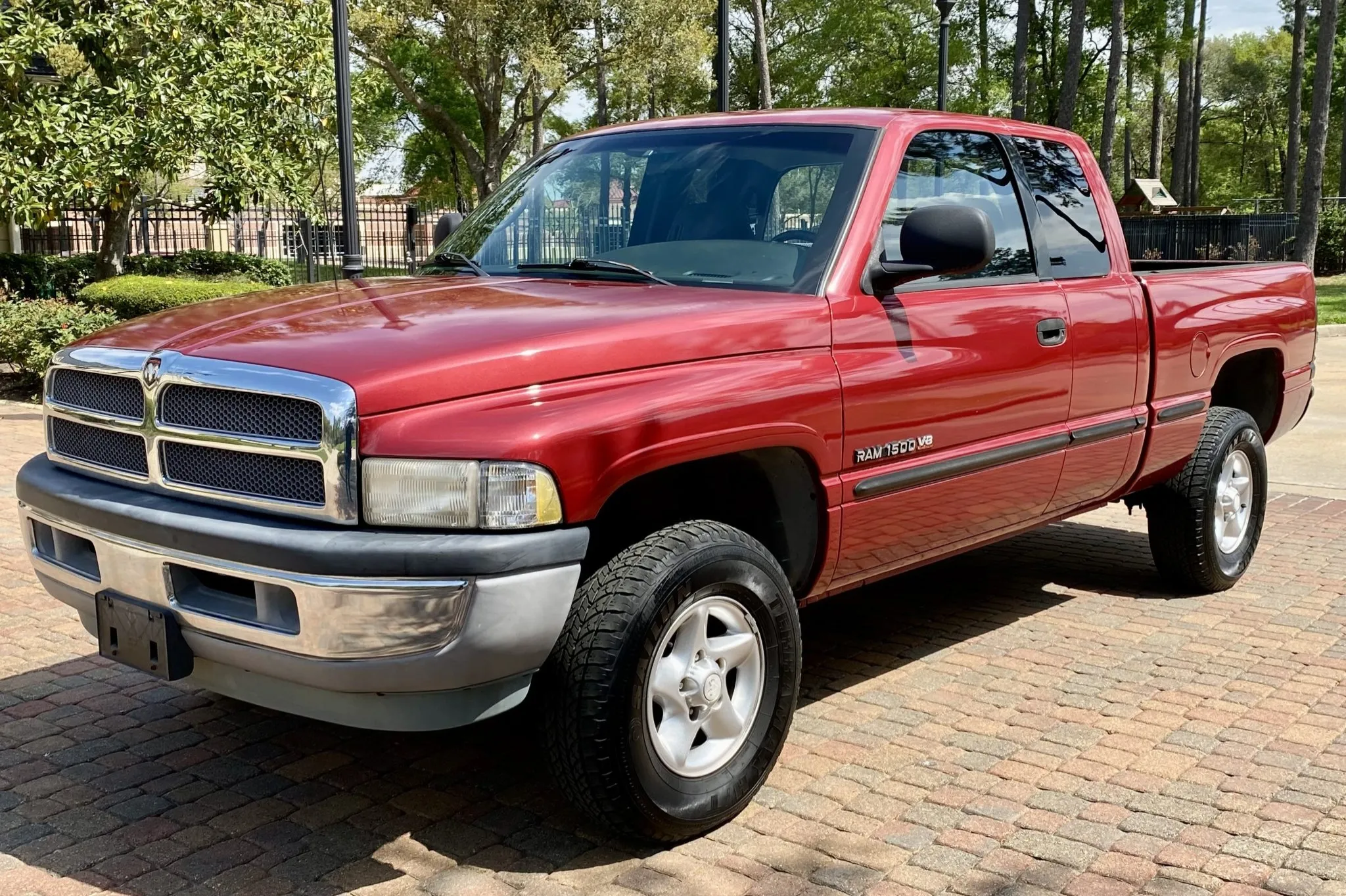
The 1998 Dodge Ram 1500
The 1998 Dodge Ram 1500 matters because it came from the truck generation that helped Dodge become impossible to ignore in the full-size pickup market. It had bold big-rig styling, available V8 power, real towing capability, and the kind of old-school truck feel that still appeals to buyers looking for something simpler than today’s digital-heavy pickups.
The simple answer is this: the 1998 Dodge Ram 1500 was important because it combined work-truck capability with a design that changed Dodge’s image. Car and Driver looked back at the 1994 Ram’s breakthrough styling and noted that Ram sales nearly tripled in its first year, then climbed to roughly 21% of the full-size pickup market in 1998 when the Quad Cab was added.
That is why the 1998 model still deserves attention. It was not just a used truck. It was part of the Ram era that forced Ford and Chevy buyers to take Dodge seriously.
Why the 1998 Dodge Ram 1500 Stood Out
The 1998 Ram 1500 had presence.
Its tall hood, large crosshair grille, rounded fenders, and big-rig-inspired front end gave it a stronger identity than many trucks of its time. It looked more aggressive than the old square-body pickups that came before it, but it still felt honest and mechanical.
In 2025, that design has aged better than many expected. It still looks like a truck. Not a luxury vehicle with a bed. Not a tech product on wheels. A truck.
That is a major reason older Ram fans still like it.
1998 Was an Important Year for the Quad Cab
One of the biggest stories for 1998 was the Quad Cab.
The Quad Cab made the Ram more practical for families, work crews, and everyday use. Instead of being mostly a two-person work machine, the Ram could carry passengers more easily while still keeping truck capability.
Car and Driver specifically pointed to the Quad Cab’s arrival in 1998 as part of the Ram’s market-share jump. That makes the 1998 Ram 1500 important because it helped push pickups toward the modern formula: work truck, family vehicle, and lifestyle machine all in one.
1998 Dodge Ram 1500 Engine Options
The 1998 Dodge Ram 1500 was commonly offered with the 3.9L Magnum V6, 5.2L Magnum V8, and 5.9L Magnum V8, depending on trim and configuration.
The V6 was the basic engine. It worked for light-duty use, but most buyers looking at these trucks today prefer one of the V8s.
The 5.2L Magnum V8 was a strong middle ground. It gave the Ram better torque, better sound, and more truck-like performance than the V6. Edmunds lists a 1998 Ram 1500 4WD configuration with 12 mpg city, 16 mpg highway, and a regular unleaded fuel requirement, which gives a realistic picture of old-school V8 truck ownership.
The 5.9L Magnum V8 was the engine enthusiasts usually want most in a 1500. It gave the truck more low-end pull and a stronger personality.
The Magnum V8 Personality
The Magnum V8 engines are a huge part of the 1998 Ram’s charm.
They are not modern engines. They do not have turbochargers, hybrid assist, cylinder-pressure tricks, or ten-speed transmissions working behind them. They feel mechanical, torquey, and straightforward.
That is exactly why people still like them.
A 1998 Ram 1500 with a V8 gives you an older pickup experience that newer trucks often smooth out. You hear the engine. You feel the drivetrain. You understand what the truck is doing.
For buyers who want quiet luxury, that may feel dated. For truck fans, that is the appeal.
Towing Capacity: Still Useful Today
A properly equipped 1998 Dodge Ram 1500 can still tow useful weight.
Exact towing depends on engine, cab style, drivetrain, axle ratio, transmission, and equipment. Kelley Blue Book lists the 1998 Dodge Ram 1500 Regular Cab with maximum towing up to 8,100 pounds, while the Kelley Blue Book Club Cab listing shows maximum towing up to 7,900 pounds.
That is enough for many small trailers, utility trailers, boats, ATVs, landscaping equipment, and weekend hauling jobs.
Modern half-ton trucks can tow more, but the 1998 Ram still has real working value if it is in good condition.
Payload and Truck Use
The 1998 Ram 1500 was also built to carry weight.
Edmunds lists a 1998 Ram 1500 WS rear-wheel-drive configuration with a standard payload capacity of 1,796 pounds. That makes it useful for tools, mulch, hardware-store runs, small jobsite loads, and general truck duty.
As always, payload depends on exact configuration. A Regular Cab, Club Cab, 2WD, 4WD, V6, V8, short bed, and long bed can all have different ratings. The door sticker is the final authority for the specific truck.
Interior: Simple, Spacious, and Old-School
Inside, the 1998 Ram 1500 feels simple compared with a modern Ram.
You do not get a giant touchscreen, digital cluster, adaptive cruise, ventilated seats, or luxury-grade materials. What you get is a straightforward truck cabin with simple controls, a high seating position, and a layout that still makes sense.
Higher trims can feel comfortable for an older pickup, especially if the seats, dash, and door panels have been kept in good shape. Lower trims feel basic, but basic can be good if you want a work truck.
The interior is part of the nostalgia. It feels like a truck from the last era before pickups became rolling luxury lounges.
Fuel Economy Reality in 2025
The 1998 Dodge Ram 1500 is not fuel efficient by modern standards.
Depending on engine and drivetrain, many V8 models fall in the low-to-mid teens for combined fuel economy. Edmunds lists the 1998 Ram 1500 SS/T at 13 mpg combined, while other 4WD V8 configurations are listed around 14 mpg combined.
That is normal for an older full-size pickup, but buyers in 2025 need to be realistic. If fuel cost is your biggest concern, a 1998 Ram is not the practical answer.
If you want an old-school V8 truck with character, the fuel cost is part of the deal.
The 1998 Ram SS/T
One of the more interesting 1998 Ram 1500 versions is the SS/T.
The SS/T leaned into street-truck personality with bold stripes, sporty styling, and V8 attitude. It was not a modern performance truck by today’s standards, but it gave the Ram lineup something more exciting than a basic work pickup.
Edmunds lists a 1998 Ram 1500 SS/T with rear-wheel drive, 13 mpg combined, standard payload of 2,158 pounds, and maximum towing up to 8,000 pounds.
For collectors and Dodge truck fans, a clean SS/T is one of the more desirable 1998 Ram 1500 variants.
Common Problems to Watch
A 1998 Ram 1500 can still be a good truck, but age is now the biggest issue.
By 2025, any 1998 truck is more than 25 years old. That means condition matters more than mileage alone.
Common things to inspect include rust, transmission shifting, steering play, front suspension wear, ball joints, tie rods, brake lines, cooling system condition, oil leaks, rear differential noise, electrical issues, dashboard cracking, paint condition, and worn interior parts.
Rust is a major concern. Check the frame, cab corners, rocker panels, wheel arches, bed supports, brake lines, leaf spring mounts, and underbody.
Transmission condition is also important. If it shifts poorly, slips, clunks, or has burnt fluid, be careful.
Is the 1998 Ram 1500 Reliable?
The 1998 Ram 1500 can be reliable if it has been maintained properly.
The engines themselves can last, especially the V8s, but the truck around the engine needs attention. Suspension parts wear. Rubber hoses age. Seals leak. Cooling systems corrode. Wiring gets brittle. Rust spreads. Transmissions suffer if towing or maintenance was neglected.
A clean, maintained 1998 Ram can be a useful truck. A cheap, rusty, neglected one can become a money pit.
In 2025, buy based on condition, not nostalgia.
1998 Ram 1500 vs Modern Ram 1500
A modern Ram 1500 is better in almost every measurable way.
It is safer, quieter, more comfortable, more powerful, more efficient, more refined, and much better equipped. It has better transmissions, better brakes, stronger crash engineering, better infotainment, and more driver assistance features.
But the 1998 Ram has something modern trucks cannot fully copy: simplicity.
It feels raw. It looks iconic. It has old Dodge truck attitude. It is easier to understand mechanically, and for the right owner, that matters.
Is a 1998 Dodge Ram 1500 Worth Buying in 2025?
Yes, a 1998 Dodge Ram 1500 can be worth buying in 2025 if you find a clean one and know what you are getting.
It makes sense as a weekend truck, light-duty work truck, project build, farm vehicle, street-truck build, or classic Dodge pickup. It does not make sense if you expect modern fuel economy, modern safety, quiet luxury, or low-maintenance ownership.
The best buys are clean, rust-free trucks with service records, healthy transmissions, good cooling systems, and minimal bad modifications.
For shoppers comparing older trucks to newer options, browse used truck inventory and compare age, condition, mileage, and drivetrain carefully. If you want warranty coverage and modern comfort, check current new Ram inventory.
FAQs About the 1998 Dodge Ram 1500
What engines came in the 1998 Dodge Ram 1500?
The 1998 Dodge Ram 1500 was commonly available with a 3.9L Magnum V6, 5.2L Magnum V8, and 5.9L Magnum V8.
How much can a 1998 Dodge Ram 1500 tow?
A properly equipped 1998 Ram 1500 can tow up to about 8,100 pounds in some Regular Cab configurations, while Club Cab versions may be rated up to around 7,900 pounds, according to Kelley Blue Book.
Is the 1998 Dodge Ram 1500 reliable?
It can be reliable if maintained well, but age and condition matter most. Inspect rust, transmission behavior, suspension, brakes, cooling system, and maintenance history.
Is the 1998 Dodge Ram 1500 good on gas?
No. Many V8 configurations are in the low-to-mid teens for MPG. Fuel economy is normal for an older full-size truck but poor compared with modern vehicles.
What is the best 1998 Ram 1500 engine?
The 5.9L Magnum V8 is the most desirable for power and old-school truck personality. The 5.2L V8 is also a solid option for many buyers.
What is the 1998 Dodge Ram SS/T?
The SS/T was a sportier street-truck-style version of the Ram 1500 with distinctive styling and V8 attitude. Clean examples are more interesting to Dodge truck enthusiasts today.
Final Thoughts: The 1998 Ram 1500 Still Has Character
The 1998 Dodge Ram 1500 remains interesting because it came from the generation that made Dodge trucks cool again.
It had the bold design, V8 attitude, useful capability, and rugged personality that helped Ram stand out in the 1990s. In 2025, it is no longer the most advanced pickup, but that is not why people want one.
People want a 1998 Ram because it feels honest. It looks tough. It sounds right with a V8. And when you find a clean one, it still carries the personality that made this generation a pickup-world standout.
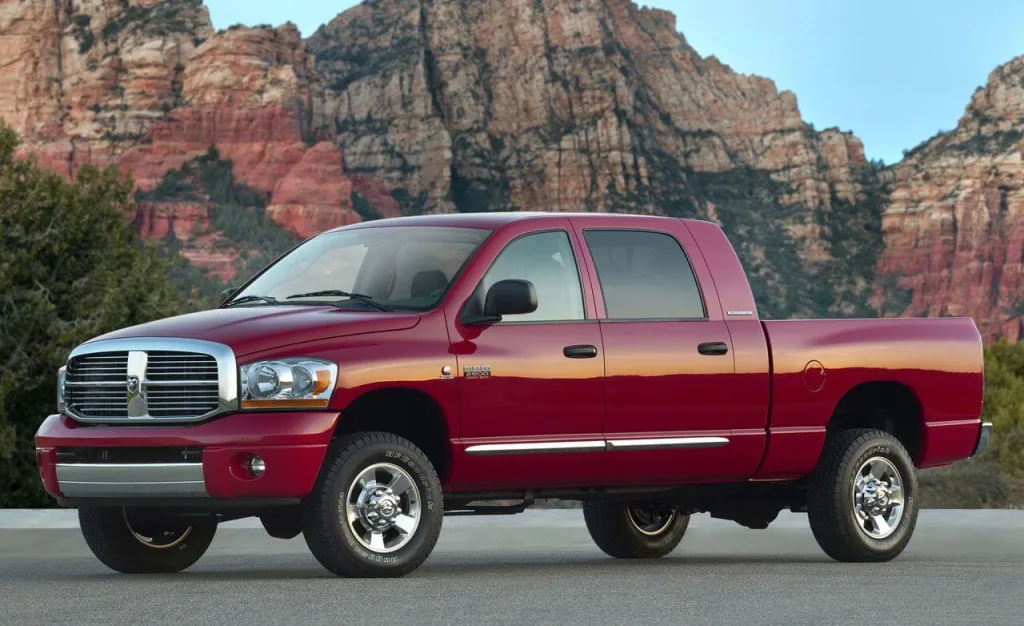
When it comes to rugged durability, exceptional towing capability, and modern features, the Dodge Ram 1500 is a standout choice in the world of pickups. At Simi Valley Chrysler Dodge Jeep Ram, we take pride in offering an extensive selection of used Dodge Ram 1500 trucks that combine both performance and value, ensuring that drivers in Simi Valley and beyond get a truck that suits their needs perfectly.
Whether you’re looking for a truck for work, off-road adventures, or simply daily driving, the used Dodge Ram 1500 provides unmatched versatility. Here’s a detailed breakdown of what makes the Dodge Ram 1500 such a beloved choice and why a used Ram 1500 from Simi Valley Chrysler Dodge Jeep Ram could be your next perfect ride.
Why Choose a Used Dodge Ram 1500?
The Dodge Ram 1500 stands out among other pickup trucks for a variety of reasons, especially when considering a used model. Here’s why the Ram 1500 is a great investment:
- Proven Durability and Reliability: The Ram 1500 has long been known for its ability to handle heavy-duty tasks without faltering. Whether it’s towing a trailer, hauling construction materials, or navigating tough terrain, the Ram 1500’s solid build means it’s built to last. A used Dodge Ram 1500 offers this same durability, often at a fraction of the cost of a new model.
- Exceptional Value: Purchasing a used Ram 1500 gives you the chance to own one of the most capable and reliable trucks on the market without the higher depreciation costs of a brand-new vehicle. Plus, at Simi Valley Chrysler Dodge Jeep Ram, you can be confident that our used trucks undergo thorough inspections, ensuring you get a quality vehicle that’s ready to perform.
- Variety of Trims and Configurations: The Ram 1500 comes in various trims and configurations, ensuring you can find the model that fits your style and needs. From basic work trucks to fully-loaded, luxury-equipped versions, there’s a used Ram 1500 for everyone at Simi Valley Chrysler Dodge Jeep Ram.
Used Dodge Ram 1500 Features: Performance, Comfort, and Technology
Whether you opt for a used model from a recent year or an earlier edition, the Dodge Ram 1500 is packed with features that make it a popular choice among truck enthusiasts. Here’s a deeper dive into what makes the Ram 1500 such a well-rounded and desirable truck:
1. Powerful Engine Options
The Ram 1500 offers a range of engines that cater to different performance needs, whether you’re after raw power or optimal fuel efficiency:
- 3.6L V6 Engine: A great balance between power and fuel efficiency, the 3.6L Pentastar V6 engine in used Ram 1500 models provides smooth acceleration and is ideal for everyday driving and moderate towing needs. It produces around 305 horsepower and 269 lb-ft of torque.
- 5.7L HEMI V8 Engine: For those who need serious power, the 5.7L HEMI V8 is a favorite. It offers 395 horsepower and 410 lb-ft of torque, making it perfect for heavy towing and off-roading. This engine is ideal for those looking to tow large trailers, boats, or equipment.
- 3.0L EcoDiesel V6: Available on certain used models, this engine provides a great balance of performance and fuel efficiency. It’s perfect for those who want to combine excellent towing capacity with better fuel economy. It offers 240 horsepower and an impressive 420 lb-ft of torque.
- Towing Capacity: Depending on the engine configuration, a used Dodge Ram 1500 can tow up to 12,750 pounds, making it one of the best in its class for hauling trailers, campers, or heavy-duty loads. Its robust towing capacity is backed by features like Trailer Sway Control and an available Tow/Haul mode for optimal performance.
2. Comfortable and High-Quality Interior
Inside, the Ram 1500 offers a range of comfort and technology features that elevate the driving experience. Even in used models, you’ll find:
- Spacious Cabin: The Ram 1500 has one of the roomiest cabins in its class. Whether you choose the Regular Cab, Quad Cab, or Crew Cab, you’ll find ample headroom and legroom, making it an ideal truck for both work and family trips.
- Premium Materials: Depending on the trim level, a used Ram 1500 may feature leather seating, high-end finishes, and an upgraded dashboard design. In higher trims like the Laramie or Limited, you’ll find luxurious touches such as wood accents, premium upholstery, and advanced sound systems that make it feel more like a luxury vehicle than a pickup.
- UConnect Infotainment System: Many used Ram 1500 trucks come equipped with UConnect, Chrysler’s infotainment system, which includes a touchscreen interface, Bluetooth connectivity, smartphone integration, and available navigation. This system allows you to easily access apps, hands-free calling, and more. Later models may even come with Apple CarPlay and Android Auto compatibility, allowing you to mirror your phone’s interface onto the truck’s screen for even greater convenience.
3. Advanced Safety Features
Safety is a key focus in the Ram 1500, and even used models offer a variety of safety features that help you feel confident on the road:
- Adaptive Cruise Control: Available on higher trims, this system maintains a safe distance between your truck and the vehicle ahead, automatically adjusting speed.
- Blind Spot Monitoring: This system alerts you if there’s a vehicle in your blind spot, making lane changes safer.
- Rearview Camera and Parking Sensors: A standard feature in most models, providing extra peace of mind when reversing or parking.
- Forward Collision Warning and Automatic Emergency Braking: These systems warn you of a potential collision and can even apply the brakes if necessary to prevent or mitigate an impact.
4. Off-Road Capability
For those looking to take their Ram 1500 off the beaten path, the Rebel trim offers exceptional off-road capability with features like:
- Off-Road Suspension System: Increased ground clearance, rugged tires, and heavy-duty suspension components.
- Skid Plates: To protect the truck’s undercarriage when driving over rocky terrain.
- Locking Rear Differential: Provides improved traction in tough conditions.
5. Fuel Economy and Efficiency
While the Ram 1500 is a powerful truck, it doesn’t sacrifice fuel efficiency. The 3.6L V6 engine offers an estimated 20 MPG city and 25 MPG highway, making it a great option for those who want a balance between performance and fuel economy. Even the HEMI V8 manages an estimated 15 MPG city and 22 MPG highway, giving you the power you need without excessive fuel consumption.
6. Customization Options
Another benefit of owning a used Ram 1500 is the wide range of customization options available, even for models that are a few years old. From different wheel choices and exterior colors to interior upgrades and tech features, you can find a truck that suits your style and needs perfectly.
Why Buy a Used Dodge Ram 1500 from Simi Valley Chrysler Dodge Jeep Ram?
At Simi Valley Chrysler Dodge Jeep Ram, we offer a comprehensive selection of used Dodge Ram 1500 trucks. Each vehicle in our inventory undergoes a detailed inspection to ensure it meets our high standards of quality and reliability. Plus, we offer competitive pricing and financing options to help you find the perfect truck at the best possible value.
- Expert Guidance: Our team is here to help you navigate through our inventory of used trucks and select the one that fits your lifestyle and budget.
- Certified Pre-Owned Options: We offer certified pre-owned Dodge Ram 1500 trucks, which come with additional warranties and have passed a rigorous inspection process for added peace of mind.
- Wide Selection: With various trims, colors, and configurations available, you can easily find a Ram 1500 that suits your specific preferences.
Conclusion
The used Dodge Ram 1500 at Simi Valley Chrysler Dodge Jeep Ram offers an incredible combination of performance, durability, and modern features, making it a top choice for those in need of a reliable, versatile truck. Whether you’re towing, hauling, or driving off-road, the Ram 1500 delivers a superior driving experience. Stop by our dealership today to test drive a used Dodge Ram 1500 and experience firsthand the power and features that make this truck a standout in its class.
Upgrading the 2014 Ram 1500 Radio with Android Auto: A Modern Touch for a Classic Pickup
Upgrading the 2014 Ram 1500 Radio with Android Auto: A Modern Touch for a Classic Pickup
A 2014 Ram 1500 can be upgraded with Android Auto, but the factory radio usually will not support it by software update alone.
The simple answer is this: if your 2014 Ram 1500 still has its original Uconnect radio, you usually need either an aftermarket Android Auto head unit or a compatible upgraded Uconnect-style radio kit to add Android Auto. A basic software update will not turn most 2014 factory radios into Android Auto systems.
Uconnect’s own support information says older Uconnect systems from model year 2016 and earlier do not support Apple CarPlay or Android Auto, while newer Uconnect 4, 4C, and Uconnect 5 systems may support those features depending on screen and system type. Uconnect
That means a 2014 Ram 1500 radio upgrade is one of the best ways to make an older truck feel newer without replacing the truck itself.
Why Upgrade the 2014 Ram 1500 Radio?
The 2014 Ram 1500 is still a strong pickup, but the factory radio can feel dated today.
Even if the truck has the larger Uconnect screen, it was built before Android Auto became common in factory vehicles. That means you may have Bluetooth, satellite radio, navigation, or backup camera support depending on trim, but not the modern phone integration most drivers expect now.
Adding Android Auto gives you access to Google Maps, Waze, Spotify, podcasts, phone calls, voice commands, text-message support, and a much cleaner smartphone experience. For a truck that still drives well, it is one of the most useful interior upgrades you can make.
Can a 2014 Ram 1500 Get Android Auto?
Yes, a 2014 Ram 1500 can get Android Auto, but usually not through the original factory radio.
Most owners have three realistic options.
The first option is an aftermarket touchscreen stereo from brands like Pioneer, Sony, Kenwood, Alpine, JVC, or similar companies. This is usually the most common upgrade route.
The second option is an OEM-style Uconnect upgrade kit that replaces the original radio with a newer compatible unit designed to add Apple CarPlay and Android Auto.
The third option is an add-on interface module for certain factory screens, though compatibility depends heavily on the original radio, trim, and hardware.
For most owners, an aftermarket Android Auto head unit is the cleanest and most flexible solution.
Why a Software Update Usually Will Not Work
Many Ram owners hope they can simply update the factory Uconnect system and unlock Android Auto.
Unfortunately, that usually does not work on a 2014 Ram 1500. Android Auto requires hardware and software support that older Uconnect systems generally do not have.
Uconnect clearly states that model year 2016 and earlier systems do not support Apple CarPlay or Android Auto. Uconnect
That does not mean software updates are useless. You can still check for available Uconnect updates by VIN through the official Uconnect support site, and updates may improve bugs or system performance. But they will not magically add Android Auto to an unsupported 2014 radio.
Factory Radio Options in the 2014 Ram 1500
The 2014 Ram 1500 could be equipped with different factory radio setups depending on trim and options.
Some trucks have a smaller basic screen. Others have the larger Uconnect 8.4-inch touchscreen. Some include factory navigation, satellite radio, Bluetooth, steering-wheel controls, backup camera integration, or premium audio.
The 2014 Ram owner information from Mopar references separate Navigation and Uconnect manuals, which reflects how these trucks could have different Uconnect/radio configurations depending on equipment. Mopar
Before buying any upgrade, identify your exact factory setup. This matters because the installation parts are different depending on whether you have the small radio, 5-inch Uconnect, 8.4-inch Uconnect, factory amplifier, steering-wheel controls, backup camera, or factory climate controls integrated into the screen.
Best Upgrade Option: Aftermarket Android Auto Stereo
An aftermarket Android Auto stereo is usually the best choice for most 2014 Ram 1500 owners.
This route gives you the widest range of screen sizes, features, prices, and brands. You can choose wired Android Auto, wireless Android Auto, Apple CarPlay support, upgraded Bluetooth, better sound tuning, backup camera input, USB ports, and higher-resolution screens.
Crutchfield lists stereo and speaker solutions specifically for the 2014 Ram 1500 and notes that it provides vehicle-specific installation instructions and installation gear for compatible products. Crutchfield
The biggest advantage of aftermarket is flexibility. The biggest downside is that you need the right dash kit, wiring interface, antenna adapter, steering-wheel-control adapter, and sometimes extra modules to retain factory features.
OEM-Style Uconnect Upgrade Kits
Some owners prefer an OEM-style upgrade because it keeps the interior looking more factory.
These kits may use newer Uconnect-style hardware programmed for the truck, sometimes with Android Auto and Apple CarPlay support. Some aftermarket suppliers sell reconditioned or pre-programmed Uconnect upgrade kits for 2013 to 2018 Ram trucks.
The benefit is a factory-like appearance. The downside is cost. These kits can be much more expensive than a regular aftermarket head unit, and compatibility must be checked carefully.
If you go this route, confirm whether the kit supports your truck’s VIN, factory camera, steering controls, HVAC controls, satellite radio, navigation, USB hub, and amplifier. Do not buy only because a listing says “fits Ram.”
What Parts Do You Need for the Upgrade?
A proper 2014 Ram 1500 Android Auto upgrade may require more than just the screen.
Depending on your truck and radio choice, you may need:
A touchscreen Android Auto head unit.
A dash installation kit.
A wiring harness/interface.
A steering-wheel-control adapter.
A radio antenna adapter.
A USB extension or replacement USB port.
A backup camera retention harness.
A factory amplifier interface if equipped.
A satellite radio adapter if you want to keep SiriusXM.
A trim removal tool set.
A microphone for hands-free calling.
The exact parts depend on your current radio and the new unit you choose. This is why vehicle-specific fitment is important.
Will Steering-Wheel Controls Still Work?
Yes, steering-wheel controls can usually be retained, but you need the correct interface.
Without the proper adapter, your volume, track, phone, and voice buttons may stop working after the radio swap. Most good install kits account for this, but cheaper setups may not.
If you want the upgrade to feel factory, make sure the system retains steering-wheel controls before buying.
Will the Backup Camera Still Work?
Usually yes, but again, it depends on the right adapter.
If your 2014 Ram 1500 has a factory backup camera, a good installer can usually retain it with the correct interface. Some aftermarket head units may also improve the camera display because the screen is newer and sharper.
If your truck does not have a backup camera, the radio upgrade is a good time to add one.
What About Factory Climate Controls?
This is one of the most important things to check.
Some Ram trucks with larger Uconnect systems may have vehicle settings or climate functions integrated into the factory screen. If your truck uses the radio screen for important vehicle functions, you need an interface that retains those features.
Do not remove the factory system without understanding what functions it controls. A cheap stereo swap can create annoying problems if it deletes settings or controls you use every day.
Wired vs Wireless Android Auto
Wired Android Auto is usually more stable and cheaper.
Wireless Android Auto is more convenient because your phone connects without plugging in, but it can be more expensive and may use more phone battery. Some wireless systems also depend heavily on phone compatibility and software updates.
For most daily drivers, wireless Android Auto is worth it if the budget allows. If you want the simplest and most reliable connection, wired Android Auto is still a good choice.
Screen Size: How Big Should You Go?
A 7-inch to 9-inch screen is usually enough for most 2014 Ram 1500 owners.
Larger floating screens can look impressive, but they may block vents, controls, or sightlines if not installed cleanly. They can also look out of place in an older interior if the design is too flashy.
A clean double-DIN style touchscreen often looks better than an oversized screen that feels like an afterthought. The goal should be modern, useful, and factory-like, not cheap tablet-on-the-dash energy.
How Much Does a 2014 Ram 1500 Android Auto Upgrade Cost?
The cost depends on how premium you go.
A basic wired Android Auto setup can be relatively affordable if you choose a modest head unit and standard installation kit. A wireless Android Auto setup with a better screen, camera retention, steering-wheel controls, and professional installation will cost more.
An OEM-style Uconnect upgrade kit can cost much more than a basic aftermarket stereo, especially if it includes navigation, pre-programming, USB hub replacement, and factory-style integration.
The real cost is not just the screen. It is the full package: radio, dash kit, harnesses, adapters, labor, and feature retention.
Can You Install It Yourself?
Yes, a skilled DIY owner can install a radio in a 2014 Ram 1500, but it is not always a beginner job.
Crutchfield’s general installation guide explains that replacing a car stereo involves removing the factory unit, wiring the new stereo, mounting it securely, and reinstalling trim carefully. Crutchfield
A simple radio swap is manageable if you are comfortable with wiring and trim removal. But if your truck has factory amp integration, steering-wheel controls, backup camera retention, or Uconnect vehicle settings, professional installation may be worth the money.
The worst outcome is damaging trim, cutting the wrong wires, losing factory features, or creating electrical issues.
Best Features to Look For
When choosing a new radio, focus on useful features instead of gimmicks.
Look for Android Auto, Apple CarPlay, a clear capacitive touchscreen, fast startup, good Bluetooth call quality, backup camera input, steering-wheel-control compatibility, USB-C if available, clean sound tuning, and strong brand support.
Avoid no-name units with poor reviews, weak support, bad screen glare, slow processors, and questionable wiring. A cheap radio can make the truck feel worse, not better.
Should You Keep the Factory Radio?
Keep the factory radio if you want originality, do not care about Android Auto, or plan to sell the truck soon to someone who values a stock interior.
Upgrade the radio if you drive the truck often and want modern navigation, better phone integration, better audio control, and a cleaner daily experience.
For most owners keeping a 2014 Ram 1500 long term, Android Auto is worth the upgrade.
Is the Upgrade Worth It?
Yes, upgrading the 2014 Ram 1500 radio with Android Auto is worth it if the truck is still in good shape.
It gives the cabin a much newer feel without changing what makes the truck useful. You get modern maps, music, calls, messages, and voice control in a pickup that may still have years of life left.
This kind of upgrade is especially useful if you use the truck for commuting, towing, jobsite driving, road trips, or family use.
Buying a Used Ram 1500 With an Upgraded Radio
If you are buying a used 2014 Ram 1500 that already has an upgraded radio, inspect the installation carefully.
Check that the steering-wheel controls work. Test the backup camera. Test Bluetooth. Test Android Auto. Make sure the USB port works. Check that the screen does not freeze or lag. Confirm the climate controls and vehicle settings still work. Look behind the dash if possible for clean wiring.
A good radio upgrade adds value. A poor install can create headaches.
If you are comparing Ram trucks, check available used truck inventory and pay close attention to condition, mileage, service records, electronics, and modification quality.
FAQs About 2014 Ram 1500 Android Auto Radio Upgrades
Can a 2014 Ram 1500 get Android Auto?
Yes, a 2014 Ram 1500 can get Android Auto with an aftermarket head unit, OEM-style upgrade kit, or compatible interface system. The original factory radio usually will not support Android Auto by software update alone.
Can I update my 2014 Uconnect to Android Auto?
Usually no. Uconnect says model year 2016 and earlier systems do not support Apple CarPlay or Android Auto. A full hardware upgrade is usually required.
What is the best radio upgrade for a 2014 Ram 1500?
The best upgrade for most owners is a quality aftermarket Android Auto head unit with the correct dash kit, wiring harness, steering-wheel-control adapter, and backup camera retention.
Can I keep my factory backup camera?
Usually yes, if you use the correct adapter and compatible head unit. Always confirm before buying the radio.
Can I keep steering-wheel controls?
Yes, steering-wheel controls can usually be retained with the proper interface module.
Is wireless Android Auto worth it?
Wireless Android Auto is worth it if you want convenience and are willing to pay more. Wired Android Auto is usually cheaper and very stable.
Should I install the radio myself?
You can install it yourself if you are comfortable with trim removal and wiring. If your truck has factory Uconnect integration, premium audio, camera retention, or HVAC functions in the screen, professional installation is safer.
Final Thoughts: Android Auto Makes the 2014 Ram 1500 Feel Newer
Upgrading the 2014 Ram 1500 radio with Android Auto is one of the best interior improvements you can make.
The factory Uconnect system from that era does not usually support Android Auto, so the right solution is a quality aftermarket head unit or a proper OEM-style upgrade kit. Done correctly, the upgrade adds modern navigation, better phone integration, streaming audio, voice control, backup camera support, and a cleaner daily driving experience.
The key is buying the right parts and keeping factory features intact. Do that, and your 2014 Ram 1500 can feel far more modern without losing the rugged truck character that makes it worth keeping.
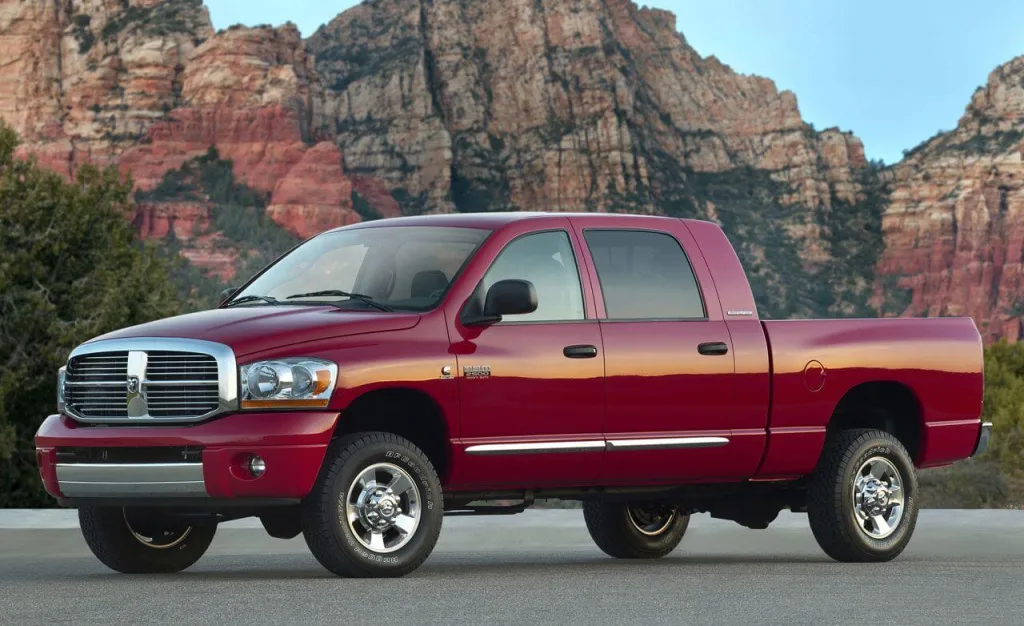
The 2008 Dodge Ram 1500: A Standout in the Pickup World
The 2008 Dodge Ram 1500 stands out because it was the final model year of the third-generation Ram 1500 before the redesigned 2009 model arrived. It carried the bold Dodge truck personality that made this generation popular: big-rig styling, available HEMI V8 power, practical towing ability, and a rugged old-school feel that many truck buyers still like today.
The simple answer is this: the 2008 Dodge Ram 1500 was a standout because it gave buyers a proven full-size truck formula with strong V8 options, real work capability, and the last version of a generation that had already built a loyal following. CarBuzz notes that 2008 was the last model year of the third-generation Dodge Ram 1500, and that the 4.7L V8 received a major upgrade to 310 horsepower and 330 lb-ft of torque.
Why the 2008 Ram 1500 Still Matters
The 2008 Ram 1500 came from an era when trucks still felt very mechanical.
Modern pickups are smoother, quieter, more digital, and more refined. The 2008 Ram feels more direct. It has a heavier truck feel, a bold front end, simple controls, and powertrains that are easier to understand than many newer turbocharged or hybrid systems.
That is part of its appeal. It is not trying to be a luxury crossover with a bed. It feels like a truck.
2008 Dodge Ram 1500 Engine Options
The 2008 Dodge Ram 1500 offered several gas engine choices depending on cab, drivetrain, and trim.
The lineup commonly included the 3.7L V6, the upgraded 4.7L V8, and the 5.7L HEMI V8. The V6 was the basic work-truck engine. The 4.7L V8 gave buyers a middle-ground option. The HEMI was the one most enthusiasts and towing-focused shoppers still remember.
Kelley Blue Book lists 2008 Ram 1500 engine outputs including 215 horsepower for the V6, 310 horsepower for the 4.7L V8, and 335 horsepower with 370 lb-ft of torque for the 5.7L V8.
That gave the 2008 Ram 1500 a useful spread of choices, from basic fleet-style work truck to stronger V8-powered pickup.
The 5.7L HEMI Was the Star
The engine most people want in a 2008 Ram 1500 is the 5.7L HEMI V8.
It gave the truck the sound, torque, and personality buyers expected from a Dodge pickup. It was not just about numbers. The HEMI made the Ram feel more alive, especially compared with the base V6.
Edmunds lists a 2008 Ram 1500 Laramie with the 5.7L V8 at 345 horsepower. That kind of power made the Ram competitive for towing, hauling, highway passing, and daily driving.
If you are shopping a used 2008 Ram today, the HEMI is usually the version that gets the most attention.
The 4.7L V8 Got Better for 2008
The 4.7L V8 is worth mentioning because 2008 was an important year for that engine.
Earlier 4.7L versions were not as exciting, but the 2008 update made it stronger. CarBuzz notes that the 4.7L V8 was significantly upgraded for 2008 to 310 horsepower and 330 lb-ft of torque.
That made it a more respectable option for buyers who wanted V8 power without going all the way to the HEMI.
The 4.7L still does not have the same reputation or following as the 5.7L HEMI, but for the right truck at the right price, it can make sense.
Towing and Payload Capability
The 2008 Dodge Ram 1500 was a real half-ton truck with useful towing and hauling capability.
Exact towing capacity depends on cab style, engine, axle ratio, drivetrain, transmission, and equipment. Edmunds lists one 2008 Ram 1500 ST configuration with maximum towing up to 9,100 pounds and standard payload capacity of 1,470 pounds.
Kelley Blue Book lists a 2008 Ram 1500 Regular Cab with maximum towing of 8,900 pounds.
That means a properly equipped 2008 Ram 1500 can still handle trailers, small boats, ATVs, work gear, landscaping equipment, and weekend hauling.
Cab and Bed Choices
The 2008 Ram 1500 came in different body styles, including Regular Cab, Quad Cab, and Mega Cab configurations depending on setup.
The Regular Cab is the simpler work-truck layout. The Quad Cab is better for passengers and daily use. The Mega Cab gives huge interior room, though it is heavier and more expensive to run.
For used buyers, cab configuration matters. A Regular Cab may be cheaper and simpler. A Quad Cab is usually the best balance for daily driving. A Mega Cab is great if you want space, but condition and drivetrain should be checked carefully.
Interior and Daily Driving
The 2008 Ram 1500 interior is simple by modern standards, but that can be a good thing.
You do not get the giant screens, advanced driver assistance, and luxury-level cabins of newer Ram trucks. But you do get a straightforward layout, comfortable seating in higher trims, and a cabin that feels built for truck use.
Laramie models can feel surprisingly comfortable for their age, especially with leather seating and upgraded features. Work-truck trims are more basic but easier to clean and maintain.
The ride is truck-like. The steering, suspension, and cabin noise remind you this is an older body-on-frame pickup. Some buyers will see that as a drawback. Others will see it as the whole point.
Fuel Economy Reality
The 2008 Ram 1500 is not a fuel-saver.
Kelley Blue Book lists fuel economy examples around 13 mpg city and 18 mpg highway for some V8 configurations, with slightly better numbers for the V6 depending on setup.
That is normal for an older full-size pickup, but it is something buyers need to understand. If you want low fuel costs, this is not the truck. If you want V8 character and truck capability, the tradeoff may be worth it.
Common 2008 Dodge Ram 1500 Problems
A 2008 Ram 1500 can be a solid used truck, but age matters now.
Common things to inspect include rust, transmission behavior, front-end wear, ball joints, tie rods, steering play, oil leaks, coolant leaks, exhaust leaks, brake condition, differential service, and electrical issues.
Older Rams can also suffer from cracked dashboards, worn interior trim, sagging headliners, faded paint, and suspension wear.
The truck itself is not the problem. Neglect is the problem. A well-maintained 2008 Ram can still be useful. A cheap neglected one can become expensive fast.
What to Check Before Buying One
Before buying a 2008 Dodge Ram 1500, inspect the truck carefully.
Check the frame and underbody for rust. Look at cab corners, rocker panels, wheel arches, brake lines, bed supports, and suspension mounts. Test the transmission when cold and warm. Make sure shifts are smooth and there is no slipping.
Check 4WD operation if equipped. Look for fluid leaks around the engine, transmission, transfer case, differentials, and power steering system. Inspect tires for uneven wear, which can point to alignment or suspension problems.
If it has the HEMI, listen for ticking noises, check maintenance records, and look for signs of overheating or poor oil-change history.
2008 Ram 1500 vs Newer Ram 1500
A newer Ram 1500 is more refined in almost every way.
The modern Ram has better ride quality, stronger technology, improved safety, better interiors, more advanced transmissions, and more efficient powertrains. The post-2009 Ram also became famous for a smoother coil-spring rear suspension setup, which helped change expectations for half-ton truck comfort.
But the 2008 Ram has a different kind of appeal. It is simpler, older-school, and often cheaper to buy. For someone who wants a basic truck, weekend hauler, V8 project, or affordable used pickup, the 2008 still has a place.
Is the 2008 Dodge Ram 1500 Worth Buying Today?
Yes, the 2008 Dodge Ram 1500 can be worth buying if you find a clean one.
It makes sense for buyers who want a rugged full-size truck with old-school Dodge personality, available V8 power, and useful towing ability. It does not make sense for buyers who want modern fuel economy, advanced safety tech, luxury-grade ride quality, or minimal maintenance.
The best version for many buyers is a clean HEMI-powered Quad Cab with service records and minimal rust. The best value may be a well-kept 4.7L V8 truck if the price is right.
For shoppers comparing older pickups with current models, browse used truck inventory and compare mileage, condition, drivetrain, and service history. If you want a newer truck with warranty coverage and modern comfort, check current new Ram inventory.
FAQs About the 2008 Dodge Ram 1500
What engines came in the 2008 Dodge Ram 1500?
The 2008 Dodge Ram 1500 commonly offered a 3.7L V6, 4.7L V8, and 5.7L HEMI V8 depending on configuration.
How much horsepower does a 2008 Ram 1500 HEMI have?
Many 2008 Ram 1500 HEMI models are listed around 335 to 345 horsepower, depending on source and configuration.
How much can a 2008 Dodge Ram 1500 tow?
Towing capacity depends on configuration. Some 2008 Ram 1500 models are listed up to around 8,900 to 9,100 pounds when properly equipped.
Is the 2008 Dodge Ram 1500 reliable?
It can be reliable if maintained well, but condition matters more than reputation now. Inspect rust, transmission, suspension, brakes, 4WD system, and maintenance records.
Is the 2008 Dodge Ram 1500 good on gas?
No. It is an older full-size pickup, and fuel economy is modest. Some V8 configurations are listed around 13 mpg city and 18 mpg highway.
What is the best 2008 Ram 1500 engine?
The 5.7L HEMI V8 is the most desirable for power and personality. The updated 4.7L V8 can also be a decent value if the truck is clean.
Final Thoughts: The 2008 Ram 1500 Still Has Pickup Soul
The 2008 Dodge Ram 1500 stands out because it was the last year of a generation that helped define Dodge’s modern truck identity.
It had bold styling, available HEMI power, useful towing capability, and the kind of old-school truck feel that many buyers still miss. It is not the newest, smoothest, or most efficient pickup, but a clean example can still be a tough, useful, and character-filled truck.
For buyers who want a straightforward full-size pickup with real Dodge attitude, the 2008 Ram 1500 still deserves attention.
An In-Depth Retrospective on the Truck That Redefined an Era
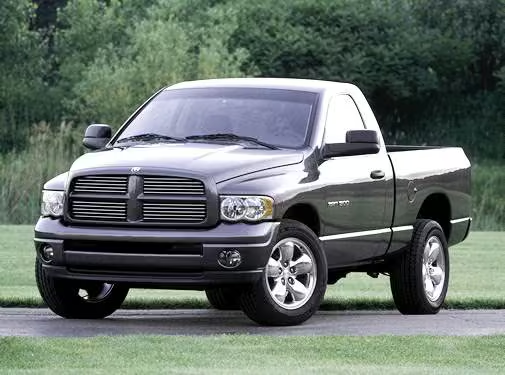
The 2003 Dodge Ram 1500: A Turning Point in Pickup Truck History
The 2003 Dodge Ram 1500 matters because it helped move the Ram 1500 from bold-looking pickup to serious modern V8 truck. It carried the big-rig styling that made Dodge famous in the 1990s, but added one of the most important engines in Ram history: the 5.7L HEMI V8.
The simple answer is this: the 2003 Dodge Ram 1500 was a turning point because it brought HEMI power back into Dodge’s full-size pickup world, giving Ram buyers more horsepower, more attitude, and a stronger identity against Ford and Chevy. Kelley Blue Book lists the 2003 Ram 1500 Quad Cab lineup from 235 horsepower in lower trims up to 345 horsepower in the Laramie, which shows how big the HEMI jump was for the truck.
Why the 2003 Ram 1500 Was Important
The second-generation Ram changed Dodge’s truck image in the 1990s. The third-generation Ram, launched for 2002, had to prove that Dodge could keep the momentum going.
The 2003 Ram 1500 did that by giving buyers bold styling, useful cab choices, stronger refinement, and a real performance story. The HEMI badge made the truck feel exciting again. It gave the Ram a powertrain hook that people still remember today.
This was not just about work capability. It was about personality.
The HEMI Changed Everything
The biggest story for 2003 was the 5.7L HEMI V8.
Before this engine, Ram buyers had Magnum V8 options that worked, but they did not create the same buzz. The HEMI name brought history, marketing power, and real performance.
MotorTrend tested a 2003 Dodge Ram 1500 SLT HEMI against a Chevrolet Silverado SS and recorded a 0 to 60 mph time of 6.6 seconds and a quarter-mile of 14.99 seconds at 89.05 mph. For a full-size truck in 2003, that was strong performance.
That is why the 2003 Ram 1500 still stands out. It made a half-ton Dodge pickup feel quick, loud, and muscular.
2003 Dodge Ram 1500 Engine Options
The 2003 Ram 1500 was available with multiple engine choices depending on trim and configuration.
Lower trims could be found with the 3.7L V6 or 4.7L V8, while the 5.7L HEMI V8 became the engine enthusiasts remember most.
Edmunds lists the 2003 Ram 1500 with regular unleaded fuel and shows typical fuel economy around 12 mpg city, 16 mpg highway, and 14 mpg combined for a popular 4WD Quad Cab configuration. That reminds buyers that HEMI-era capability came with old-school truck fuel economy.
If you wanted the most exciting version, the HEMI was the one.
Why the 5.7L HEMI Was Such a Big Deal
The 5.7L HEMI gave the Ram 1500 something competitors had to answer.
It was powerful for the time, sounded good, and gave Dodge marketing muscle. The HEMI name also connected the truck to Dodge performance history, even if the modern 5.7 was a new engine design.
The result was simple: the Ram 1500 felt less like a basic work truck and more like a truck with attitude.
For many buyers, that mattered as much as payload or towing.
Towing Capability
The 2003 Ram 1500 could tow useful weight when properly equipped.
Exact towing capacity depends on cab style, engine, drivetrain, axle ratio, bed length, and equipment. MotorTrend listed the 2003 Ram 1500 SLT HEMI test truck with a 7,500-pound towing capacity and 1,490-pound payload capacity.
That gave buyers enough capability for small trailers, boats, ATVs, utility trailers, and general work use.
It was not a heavy-duty truck, but it was a strong half-ton pickup for its era.
The Quad Cab Made It More Useful
The Quad Cab was a major part of the Ram 1500’s appeal.
It gave buyers usable rear-seat space without moving into a heavy-duty truck. That made the Ram more practical for families, crews, and buyers who needed one vehicle for work and daily life.
The 2003 Ram 1500 was part of the shift that made pickups more than basic work vehicles. It could tow, haul, commute, and carry passengers.
That mix helped shape the modern half-ton pickup market.
Interior and Daily Driving
By 2003 standards, the Ram 1500 felt more modern than older Dodge trucks.
It still had a truck-like ride and simple layout, but the cabin was more usable. Higher trims like SLT and Laramie gave buyers more comfort, better materials, more convenience features, and a more livable daily-driving experience.
The Ram was not trying to be a luxury truck the way modern pickups often are. But it was starting to move in that direction.
That transition is part of why the 2003 model matters.
2003 Ram 1500 vs Ford F-150 and Chevy Silverado
The 2003 Ram 1500 competed directly with the Ford F-150 and Chevrolet Silverado 1500.
Ford had volume and loyalty. Chevy had strong V8 trucks and a huge owner base. Dodge needed something that made people look twice.
The HEMI helped do that.
Where Ford and Chevy felt more traditional, the Ram felt louder and more aggressive. Its design was bold, and the HEMI gave it the performance story to match.
That is why the 2003 Ram 1500 did not just compete on paper. It competed emotionally.
Common Problems to Watch Today
A 2003 Dodge Ram 1500 can still be a good used truck, but condition matters more than reputation now.
Common inspection points include rust, transmission shifting, front-end wear, ball joints, tie rods, steering play, cracked dashboard, oil leaks, coolant leaks, exhaust leaks, differential noise, brake condition, and 4WD operation if equipped.
HEMI trucks should also be checked for ticking noises, poor maintenance history, overheating signs, and neglected oil changes.
A clean 2003 Ram can be a strong old-school pickup. A neglected one can get expensive quickly.
Is the 2003 Dodge Ram 1500 Reliable?
The 2003 Ram 1500 can be reliable if it has been maintained properly.
The engines are generally durable when serviced, but the truck is now more than two decades old. Age matters. Rubber parts, suspension components, seals, wiring, cooling systems, and transmissions can all need attention.
Do not buy one based only on the HEMI badge. Buy based on service records, rust condition, drivetrain health, and inspection results.
Is the 2003 Ram 1500 Worth Buying Today?
Yes, the 2003 Dodge Ram 1500 can be worth buying if you want an affordable older truck with real personality.
It makes sense as a weekend truck, work truck, light towing vehicle, project build, or old-school V8 pickup. It does not make sense if you want modern fuel economy, modern crash tech, quiet luxury, or low-maintenance ownership.
For local shoppers, compare used Ram inventory by mileage, engine, drivetrain, cab style, and condition. If you want a newer truck with warranty coverage and updated technology, check current new Ram inventory.
Why the 2003 Ram 1500 Still Has a Following
The 2003 Ram 1500 still has fans because it represents a key moment in Ram history.
It had the look. It had the HEMI. It had the attitude. It came from the era when pickups were becoming more comfortable but had not yet become overly complicated.
That makes it appealing to truck buyers who want something simpler, louder, and more mechanical than many modern pickups.
It is not perfect, but it has character.
FAQs About the 2003 Dodge Ram 1500
What engines came in the 2003 Dodge Ram 1500?
The 2003 Dodge Ram 1500 was available with engines such as the 3.7L V6, 4.7L V8, and the 5.7L HEMI V8 depending on trim and configuration.
How much horsepower does a 2003 Ram 1500 HEMI have?
The 2003 Ram 1500 HEMI made up to 345 horsepower, depending on configuration.
Is the 2003 Dodge Ram 1500 fast?
For a full-size pickup from 2003, the HEMI version was quick. MotorTrend recorded a 2003 Ram 1500 SLT HEMI at 0 to 60 mph in 6.6 seconds.
How much can a 2003 Dodge Ram 1500 tow?
Towing capacity depends on configuration. MotorTrend listed one 2003 Ram 1500 SLT HEMI test truck with a 7,500-pound towing capacity.
Is the 2003 Ram 1500 good on gas?
No. It is an older full-size pickup. Edmunds lists a popular 4WD Quad Cab configuration around 12 mpg city, 16 mpg highway, and 14 mpg combined.
Is the 2003 Dodge Ram 1500 worth buying?
Yes, if it is clean, well-maintained, and priced correctly. Avoid rusty, neglected, poorly modified, or bad-shifting examples.
Final Thoughts: The 2003 Ram 1500 Helped Define the HEMI Truck Era
The 2003 Dodge Ram 1500 was a turning point because it gave Dodge’s half-ton truck a stronger identity.
The bold styling was already there. The Quad Cab practicality was there. But the 5.7L HEMI gave the Ram something extra: power, sound, and a performance story that buyers remembered.
Today, the 2003 Ram 1500 is not the most modern or efficient truck. But as a piece of pickup history, it matters. It helped launch the HEMI-powered Ram era, and that is why it still deserves attention.
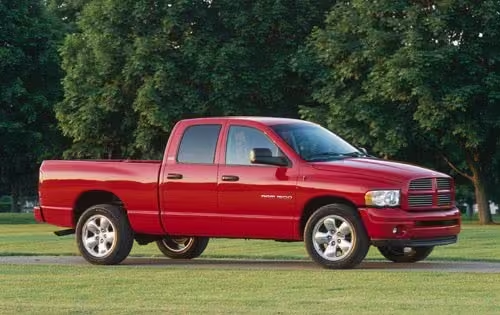
Two decades after its debut, the 2002 Dodge Ram 1500 isn’t just a relic—it’s a testament to raw, unfiltered truck DNA. In an era where technology dominates the automotive landscape with touchscreens, autonomous driving features, and turbocharged hybrids, this third-generation Ram stands tall as a symbol of unapologetic power and durability. Unlike modern trucks that often focus on luxury and efficiency, the 2002 Ram 1500 was designed with one thing in mind: pure, unbridled performance.
For enthusiasts who crave mechanical simplicity and classic American brawn, the 2002 Dodge Ram 1500 remains a crown jewel of the pickup world. Its bold, aggressive design, from the signature front grille to its muscular stance, still commands attention on the road. Beneath its rugged exterior lies a straightforward yet powerful engine lineup, including the legendary 5.9L V8, which offers raw power that modern, fuel-efficient engines can’t quite replicate. It’s this combination of muscle and simplicity that continues to resonate with those who appreciate a truck built for the job rather than for luxury.
While many vehicles from the early 2000s have been replaced by newer, more refined models, the 2002 Ram 1500’s staying power speaks volumes. Whether towing heavy loads, conquering rough terrains, or simply cruising down the highway, this truck’s robust build and mechanical prowess have earned it a special place in the hearts of collectors and truck lovers alike. In a world that’s increasingly focused on technology and efficiency, the Ram 1500’s vintage charm and uncompromising durability ensure it will always have a loyal following.
A Design That Redefined Rugged
When Dodge unleashed the redesigned 2002 Ram 1500, it wasn’t just an update—it was a rebellion. With its muscular fenders, bold crosshair grille, and cab-forward silhouette, it dared to stand apart from the Ford F-150 and Chevrolet Silverado. The result? A truck that looked as tough as it performed. Today, its design still resonates, evoking nostalgia for an era when trucks prioritized presence over polish.
Power That Refuses to Quit
Engine Lineup:
- 3.7L V6: A workhorse for light-duty needs (215 HP, 235 lb-ft).
- 4.7L V8: Balanced power for towing and daily driving (235 HP, 295 lb-ft).
- 5.9L Magnum V8: The star of the show, delivering a thunderous 245 HP and 335 lb-ft of torque—the soundtrack of pure gasoline glory.
Transmission Grit:
- The rare 5-speed manual (a collector’s prize today) or the robust 4-speed automatic.
Capability:
- 8,350 lbs max towing and 1,850 lbs payload—numbers that still impress for weekend haulers or vintage camper projects.
Why the 2002 Ram 1500 Thrives in 2025
The Pros: Nostalgia Meets Practicality
- Budget-Friendly Muscle: Snag a well-kept model for $5K–$12K—less than a down payment on a new truck.
- DIY Dream: No labyrinth of sensors or software. Replace a fuel pump in your driveway with basic tools.
- Survivor Build Quality: Many Rams boast 200,000+ miles, a tribute to its stout frame and iron-block engines.
- Custom Canvas: Lift it, slam it, or resto-mod it—aftermarket support is vast, from performance headers to retro LED lighting.
- Pure V8 Soul: The Magnum’s growl is a fading anthem in today’s turbocharged world.
The Cons: Time Takes Its Toll
- Thirsty Engines: Expect 12–15 MPG—painful at today’s gas prices.
- Rust Roulette: Check wheel wells, cab corners, and frames—salt is this truck’s kryptonite.
- Analog Living: Forget Bluetooth or lane assists. Your phone mount and sharp reflexes are your tech suite.
Buying Guide: How to Snag a Gem
- Rust or Bust: Crawl under the truck. Surface rust? Negotiate. Rot? Walk away.
- Service Paper Trail: Prioritize trucks with records of timing belt changes (4.7L/5.9L) and transmission fluid swaps.
- Test Drive Clues:
- Listen for knocks (rod bearings) or ticking (exhaust manifold cracks).
- Check for sluggish shifts (4-speed auto) or clutch chatter (manual).
- Rare Finds: The SLT Plus trim with leather or a manual-transmission Quad Cab? Worth a premium.
Investment Potential: More Than Just a Beater
Clean, low-mileage 2002 Rams are climbing in value. Why?
- Collector Appeal: The last of Dodge’s pre-“Ram-as-a-brand” era.
- Nostalgia Wave: Millennials and Gen Xers are reviving early 2000s icons.
- TRX Ancestry: The 5.9L V8 is the spiritual predecessor to today’s Hellcat-powered TRX—a lineage worth celebrating.
A pristine 5.9L Quad Cab 4×4 could fetch $15K–$20K by 2030, especially with restoration trends soaring.
The Verdict: Who Should Own One in 2025?
- Weekend Warriors: Haul mulch by day, cruise to the drive-in by night.
- Restoration Buffs: Turn a $3K barn find into a showstopper.
- Off-Grid Adventurers: Its simplicity thrives where cell signals die.
- Purists: For those who believe trucks peaked with actual keys and roll-down windows.
Final Word: A Love Letter to the Analog Era
The 2002 Ram 1500 isn’t just a truck—it’s a time capsule. In a world of autonomous driving and emissions sensors, it reminds us why we fell in love with trucks: the smell of gasoline, the rumble of a V8, and the freedom to fix it yourself. Newer trucks may coddle you, but this Ram respects you. If you find one, treat it well. Future generations will envy your slice of automotive history.
Looking for a project? Check classic truck auctions. Your 2002 Ram 1500 is out there—rusty, proud, and waiting for a second life. 🛠️
2024 Dodge Ram 1500: A Complete In-Depth Guide
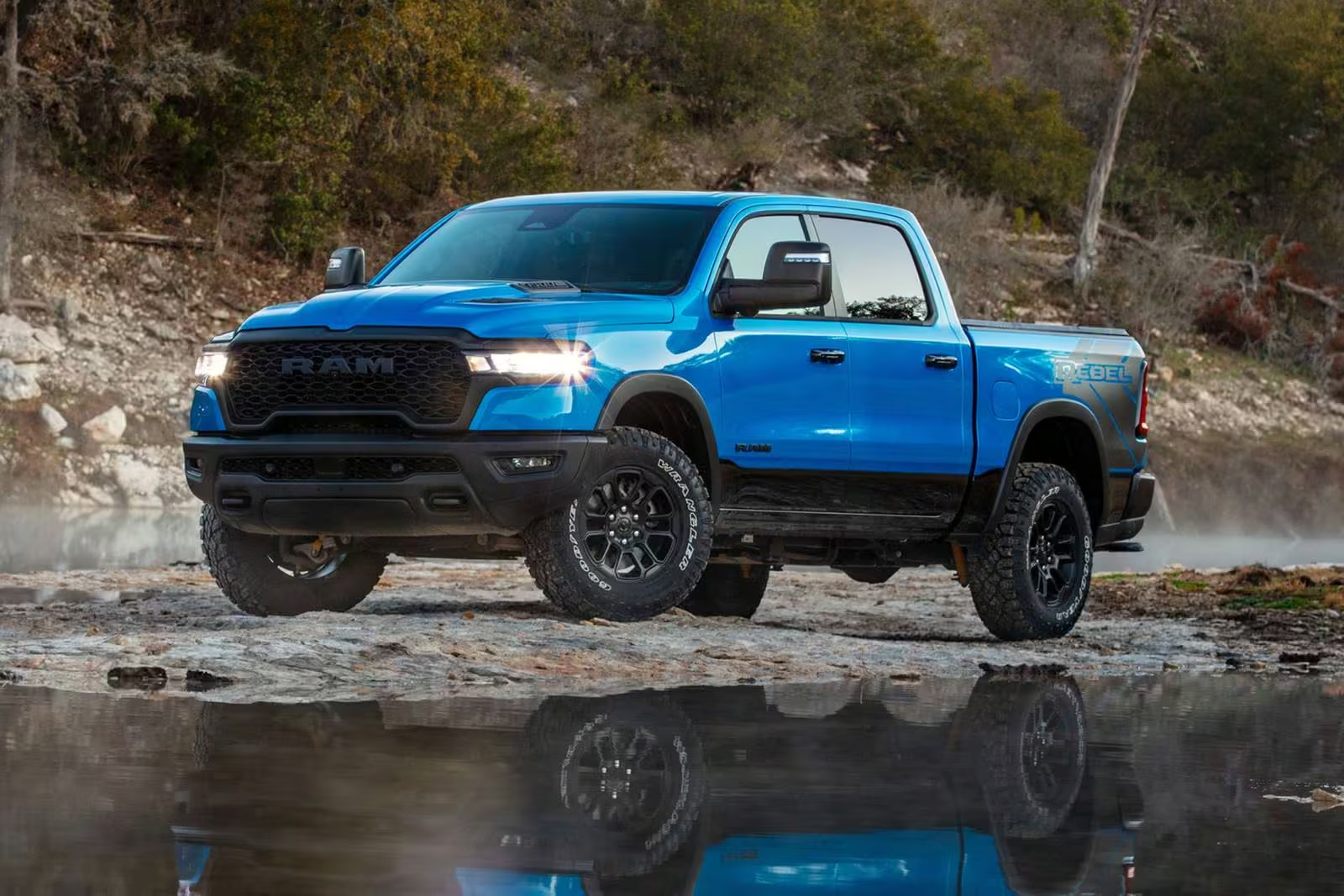
With over 15 years of hands-on experience testing and analyzing pickup trucks, I’ve witnessed the evolution of the segment from utilitarian workhorses to today’s tech-laden luxury machines. The 2024 Dodge Ram 1500 not only upholds its legacy but redefines it, blending brute strength with opulence in a way that resonates with contractors, families, and thrill-seekers alike. Having driven every iteration since the Ram’s 2009 redesign, I can attest that this model year raises the bar even higher, particularly in hybrid efficiency and off-road prowess.
Why the 2024 Ram 1500 Matters Now
In an era where buyers demand versatility—whether for hauling lumber or commuting in comfort—the Ram 1500 answers the call. With competitors like the Ford F-150 Lightning pushing electrification, Dodge smartly refines its eTorque hybrid system, offering a bridge between traditional power and future-ready efficiency. Meanwhile, the TRX model roars defiantly, catering to those who crave unadulterated horsepower.
Trim Levels Decoded: Tailored for Every Lifestyle
The 2024 lineup caters to nuanced preferences, with new options enhancing its appeal:
- Tradesman: Now standard with a 8.4-inch Uconnect touchscreen and wireless charging, ideal for fleet buyers.
- Big Horn/Lone Star: Adds optional 12-inch digital cluster and heated seats, bridging work and play.
- Laramie: Features Nappa leather and ventilated seats, with an optional Night Edition blackout package.
- Rebel: Upgraded with Bilstein shocks and standard 33-inch tires, perfect for rocky trails.
- Limited Longhorn: New saddle-brown leather with rustic accents appeals to luxury adventurers.
- TRX: Now offers a Launch Control mode, shaving 0-60 mph times to a blistering 4.5 seconds.
Powertrains: Engineering Excellence Unleashed
Beyond the Spec Sheet
- 3.6L Pentastar V6 eTorque: The mild hybrid’s torque fill eliminates lag during stop-start traffic, a boon for city drivers. Real-world testing shows a 10% efficiency gain over non-hybrid rivals.
- 5.7L HEMI V8 eTorque: A favorite for towing, its cylinder-deactivation system seamlessly balances power and economy.
- TRX’s 6.2L Supercharged Hellcat: While thirsty, its supercharger whine and rally-inspired suspension (with 13 inches of front travel) make it a desert-running titan, outpacing the Ford Raptor in raw horsepower.
Towing & Payload: Smarter, Stronger
The Ram’s 12,750-lb towing capacity (with Max Tow Package) is bolstered by innovations like:
- Trailer Light Check: Confirms all trailer lights are functional via the dashboard.
- Proximity Key for Trailers: Secures trailers with a unique key fob.
- Load-Leveling Air Suspension: Standard on Limited trims, it auto-adjusts for payloads up to 2,300 lbs, ensuring a level ride.
Interior: A Sanctuary of Innovation
The Ram’s cabin continues to embarrass luxury sedans. Key upgrades include:
- Uconnect 5 Infotainment: Now with 5G connectivity and customizable split-screen displays.
- Sustainable Materials: Optional recycled suede upholstery aligns with eco-conscious trends.
- Ergonomic Tweaks: Rear seats recline to 45 degrees, and the panoramic sunroof now features UV-resistant glass.
User Experience Note: The 14.5-inch touchscreen remains intuitive, though physical knobs for climate control are missed in higher trims.
Exterior: Form Meets Function
The 2024 refresh introduces:
- Active Grille Shutters: Improve aerodynamics, boosting highway MPG by 2%.
- New Paint Options: Hydro Blue Pearl (Rebel) and Olive Green Pearl (Limited Longhorn).
- Functional Styling: A 1-inch-wider track on TRX enhances stability, while RamBox bins now drain water automatically.
Fuel Economy & Real-World Testing
While the TRX guzzles fuel (observed: 9 MPG combined), the eTorque V6 shines in mixed driving (24 MPG observed). Comparatively:
- Ford F-150 PowerBoost Hybrid: 24 MPG combined but sacrifices 25 hp to the Ram’s HEMI.
- Chevy Silverado 3.0L Diesel: 27 MPG highway but lacks the Ram’s hybrid smoothness.
Safety: Beyond the Basics
New for 2024:
- Intersection Collision Assist: Detects cross-traffic when turning.
- Night Vision Camera: Available on Limited trims, highlighting pedestrians and animals in darkness.
- NHTSA Rating: Expected 5 stars, with improved side-impact scores due to reinforced boron steel.
Competitor Comparison at a Glance
| Feature | Ram 1500 | Ford F-150 | Chevy Silverado |
|---|---|---|---|
| Base Price (V8) | $44,500 | $46,000 | $43,200 |
| Max Towing | 12,750 lbs | 14,000 lbs | 13,300 lbs |
| Infotainment Screen | 14.5″ | 12″ | 13.4″ |
| Hybrid MPG (City/Hwy) | 20/25 (V6 eTorque) | 24/24 (PowerBoost) | 23/33 (3.0L Diesel) |
| Off-Road Model | TRX ($94k) | Raptor ($77k) | Trail Boss ($54k) |
Key Takeaway: The Ram trades peak towing for unrivaled refinement and tech.
Pricing, Packages & Pro Tips
- Best Value: Big Horn with $2,995 Luxury Group (adds 12-inch screen, leather).
- Leasing: Dodge offers 1.9% APR for 36 months on non-TRX models.
- TRX Note: With production ending in 2024, this might be the last Hellcat-powered Ram—a future collector’s item.
The Verdict: Who Should Buy It?
1. Contractors & Workhorse Users: Tradesman or Big Horn
Why the Ram Wins:
- Tradesman: Now standard with a Wi-Fi hotspot and 8.4-inch Uconnect screen, it’s a fleet manager’s dream. The steel-reinforced bed (optional spray-in liner) withstands daily abuse, while 1,200-lb payload capacity handles heavy tools.
- Big Horn/Lone Star: The $1,995 Workplace Package adds integrated tool racks, 120V outlets, and a 360-degree camera for tight job sites.
- Durability Edge: Ram’s 5-year/100,000-mile powertrain warranty outshines Ford and Chevy’s 5-year/60,000-mile offerings.
Watch Out: If max towing is critical, Ford’s F-150 (14,000 lbs) edges ahead, but sacrifices the Ram’s ride comfort.
2. Families: Limited or Limited Longhorn
Why the Ram Wins:
- Air Suspension Magic: Load up hockey gear or a 7-passenger crew—the adaptive suspension maintains a cloud-like ride, even over potholes.
- Safety First: Night Vision (Limited trim) and Rear Seat Alert (prevents leaving kids/pets) add peace of mind.
- Road Trip Ready: Reclining rear seats, 19-speaker Harman Kardon audio, and dual 12-inch screens (optional) keep everyone entertained.
Watch Out: The Chevy Silverado’s Multi-Flex Tailgate is more versatile, but the Ram’s Panoramic Sunroof and quieter cabin win for comfort.
3. Adrenaline Junkies: Rebel or TRX
Why the Ram Wins:
- Rebel: New for 2024, 33-inch Falken Wildpeak tires and Bilstein Black Hawk e2 shocks conquer rock crawls at half the TRX’s price.
- TRX: The 702-hp Hellcat isn’t just power—it’s theater. The Launch Control and Baja Drive Mode (with jump mitigation) make it a dune-smashing beast. Ford’s Raptor feels tame by comparison.
- Exclusivity: With TRX production ending, this is your last chance to own a supercharged V8 Ram—resale values will likely skyrocket.
Watch Out: TRX’s 10 MPG average and $100K+ price tag sting, but no competitor delivers this level of apocalyptic fun.
4. Luxury Seekers: Limited Longhorn or Limited
Why the Ram Wins:
- Materials Matter: Hand-stitched Saddle Brown leather (Longhorn) and real wood trim rival Mercedes’ interiors. The massaging seats and heated armrests are Lexus-level indulgent.
- Tech Prestige: 23-inch Heads-Up Display projects navigation onto the windshield—a feature even BMW charges extra for.
- Exclusivity: The Limited’s adaptive LED headlights and power-deployable running boards scream status without the Escalade’s $100K+ price.
Watch Out: GMC’s Sierra Denali offers Super Cruise hands-free driving, but Ram counters with better interior aesthetics.
5. Eco-Conscious Traditionalists: Big Horn eTorque V6
Why the Ram Wins:
- Hybrid Lite: The eTorque system’s regenerative braking and seamless start/stop deliver a combined 22 MPG—close to Ford’s PowerBoost hybrid, without the complexity.
- Future-Proofed: Ram’s Eco Diesel may be discontinued, but the V6 eTorque bridges the gap until the Ram 1500 REV electric arrives in 2025.
Watch Out: Toyota’s Tundra hybrid offers similar MPG but lacks Ram’s refinement.
6. Tech Enthusiasts: Laramie with Advanced Package
Why the Ram Wins:
- Uconnect 5: The 14.5-inch screen operates like a gaming tablet—split-screen maps, Alexa integration, and over-the-air updates.
- Digital Cockpit: Configurable 12-inch cluster shows tire pressure, off-road angles, or trailer metrics at a glance.
- Party Trick: Phone-as-Key tech (no fob needed) and remote trailer light checks via the Ram app.
Watch Out: Ford’s Sync 4 is snappy, but Ram’s interface is more intuitive for multitasking.
The One Caveat: Who Should Look Elsewhere
- EV Early Adopters: The F-150 Lightning’s 320-mile range and frunk still lead the electric charge.
- Mega Towing Needs: For gooseneck trailers over 13,000 lbs, the Chevy Silverado 3500 HD is a better fit.
- Budget Buyers: The Nissan Titan starts at $37K, but its outdated tech and resale value make the Ram Tradesman a smarter long-term buy.
Final Take:
The 2024 Ram 1500 doesn’t just cater to niches—it dominates them. From job sites to black-tie events, it’s a Swiss Army knife of capability, wrapped in a package that feels both rugged and refined. While competitors excel in singular areas (Ford in towing, GM in hands-free tech), the Ram’s holistic excellence makes it the ultimate full-size truck for those who refuse to compromise. Whether you’re hauling plywood or Pelotons, it’s not just a purchase—it’s an investment in versatility.
When diagnosing and resolving vehicle issues, having the right OBD2 scanner can save both time and money. With various options available in the market, choosing the right one can be challenging. This detailed comparison will examine three popular OBD2 scanners: FOXWELL NT301, Innova 5610, and Ancel AD310. We’ll explore their features, usability, compatibility, and pricing to help you make an informed decision.
1. FOXWELL NT301 OBD2 Scanner

Overview
The FOXWELL NT301 is a mid-range OBD2 scanner designed for enthusiasts and professionals seeking an affordable yet capable diagnostic tool. Known for its simplicity and efficiency, this scanner is an excellent choice for identifying and troubleshooting check engine light (CEL) issues.
Key Features
- Vehicle CEL Diagnosis: The NT301 reads and clears check engine light codes, providing access to live sensor data, I/M readiness checks, and freeze frame data. It also retrieves VIN information for easy vehicle identification.
- Live Data Graphing: Users can view real-time sensor readings in a graphical format, making it easier to identify issues and monitor performance trends.
- Ease of Use: This plug-and-play device requires no batteries or subscription services. Simply connect it to the vehicle’s OBD2 port to begin diagnostics.
- Compatibility: The scanner supports all major OBD2 protocols, including KWP2000, J1850 VPW, and CAN. It works with most 1996+ US-based vehicles, 2000+ EU-based vehicles, and Asian models.
Pros
- Affordable and user-friendly.
- Red, yellow, and green LEDs for quick emissions readiness checks.
- Durable build with a clear 2.8-inch color screen.
- No subscription or ongoing costs.
Cons
- Limited to engine diagnostics; does not support ABS, SRS, or transmission systems.
- Updates require a Windows PC.
Best For
The FOXWELL NT301 is ideal for DIY mechanics and everyday users looking for a straightforward diagnostic tool without advanced features. Its live data graphing and ease of use make it a reliable choice for basic diagnostics.
2. Innova 5610 OBD2 Bidirectional Scan Tool

Overview
The Innova 5610 is a high-end diagnostic tool designed for professionals and advanced users. With its bidirectional control capabilities and extensive system coverage, this scanner offers dealership-level functionality.
Key Features
- Bidirectional Controls: The scanner can send commands to the vehicle, allowing users to perform functions such as fuel pump activation, actuator tests, and electronic parking brake retraction.
- Enhanced Data Stream: This feature provides access to live data for advanced systems like ABS, SRS, transmission, and engine, making it suitable for in-depth diagnostics.
- Special Reset Functions: The Innova 5610 supports dealership-level re-learn procedures for advanced repairs, including battery reset and DPF regeneration.
- App Integration: The scanner pairs with the RepairSolutions2 app, providing detailed repair guidance and cost estimates based on diagnostics.
- Wide Compatibility: Supports most 1996–2023 OBD2 vehicles and offers free updates with no subscription fees.
Pros
- Professional-grade features like bidirectional control and enhanced diagnostics.
- Free updates and no subscription costs.
- Multilingual support (English, Spanish, and French).
- Durable design with a 3.5-inch screen for clear data visualization.
Cons
- Higher price point ($299.99) compared to other models.
- Features may vary by vehicle make and model, requiring compatibility checks.
Best For
The Innova 5610 is perfect for professional mechanics or advanced users who need a versatile and powerful diagnostic tool. Its ability to perform bidirectional controls and access advanced systems makes it an invaluable asset for comprehensive vehicle maintenance.
3. Ancel AD310 Classic Enhanced Universal OBD2 Scanner

Overview
The Ancel AD310 is a budget-friendly scanner designed for quick and simple diagnostics. Despite its low price, this tool is highly reliable and user-friendly, making it a best-seller among code readers.
Key Features
- Quick CEL Diagnostics: The AD310 reads and clears check engine light codes, provides live data, and monitors I/M readiness. It also supports freeze frame data for a snapshot of vehicle performance during a fault.
- Compact and Durable: Weighing just 12 ounces, this scanner is highly portable. Its sturdy 2.5-foot cable ensures durability during frequent use.
- Wide Compatibility: Supports all OBD2 protocols (KWP2000, J1850 VPW, ISO9141, J1850 PWM, and CAN) and works with most 1996+ vehicles, both domestic and foreign.
- Plug-and-Play: No batteries or external power sources are required. The device draws power directly from the vehicle’s OBD2 port.
Pros
- Extremely affordable ($20.99) without compromising on performance.
- Lightweight and easy to use, making it ideal for beginners.
- No updates or subscription fees needed.
Cons
- Limited to basic engine diagnostics.
- Smaller 2.4-inch screen with lower resolution.
- Lacks advanced features like ABS, SRS, or bidirectional controls.
Best For
The Ancel AD310 is perfect for first-time users or those who need a portable and simple scanner for basic diagnostics. Its affordability and ease of use make it an excellent choice for casual vehicle maintenance.
Comparison Table
| Feature | FOXWELL NT301 | Innova 5610 | Ancel AD310 |
|---|---|---|---|
| Price | $55.99 | $299.99 | $20.99 |
| Bidirectional Control | No | Yes | No |
| Live Data Graphing | Yes | Yes | Yes |
| Advanced System Support (ABS/SRS) | No | Yes | No |
| Ease of Use | High | Moderate | High |
| Updates | Windows-only | Free updates, app-based | None required |
| Vehicle Compatibility | 1996+ (US), 2000+ (EU/Asia) | 1996+ (most vehicles) | 1996+ (domestic/foreign) |
| Screen Size | 2.8 inches | 3.5 inches | 2.4 inches |
Choosing the Right Scanner for Your Needs
- For Budget Users: The Ancel AD310 is the most affordable option, offering reliable performance for basic engine diagnostics. It’s a great choice for beginners or those who only need to clear check engine light codes occasionally.
- For Advanced Features: The Innova 5610 is ideal for professionals and advanced users. With its bidirectional control and enhanced diagnostics, this scanner provides dealership-level functionality at a fraction of the cost.
- For General Use: The FOXWELL NT301 is a versatile tool that balances affordability with functionality. It’s perfect for DIY mechanics who want live data graphing and emissions readiness checks without advanced system diagnostics.
Final Thoughts
Each of these scanners excels in its category, catering to different user needs and budgets. The Ancel AD310 stands out for its simplicity and cost-effectiveness, making it a popular choice for everyday use. The FOXWELL NT301 offers a step up with live data graphing and emissions checks, providing excellent value for its price. Meanwhile, the Innova 5610 is a powerful tool for professionals, offering bidirectional controls and advanced diagnostics for comprehensive vehicle maintenance.
Investing in the right OBD2 scanner can save you significant time and money by enabling you to diagnose and resolve issues promptly. By understanding the strengths and limitations of each model, you can make a confident decision that meets your specific needs. Whether you’re a novice or a seasoned mechanic, there’s an OBD2 scanner here for you.
Buying a car is not just a purchase—it’s an investment and a lifestyle choice. Whether you’re buying your first car, upgrading to a newer model, or adding a vehicle to your household, understanding the car-buying process is crucial to avoid overpaying and finding the perfect fit for your needs. With over 20 years of experience in the automotive industry, I’ve gathered insights that can save you time, money, and stress.
Understanding the Best Times to Buy a Car
Timing is everything when it comes to saving money on a car purchase. Knowing the right time to shop can significantly impact the price you pay and the incentives you receive.
Key Buying Periods
| Time Period | Why It’s Ideal | Potential Savings |
|---|---|---|
| End of the Calendar Year | Dealerships aim to meet annual sales quotas and clear out inventory. | 10% – 15% off MSRP |
| End of the Fiscal Quarter | Sales teams are motivated to meet quarterly targets, leading to better deals. | Varies, often significant |
| Model Year Transitions | Previous year models are discounted to make room for new inventory. | 10% – 20% off |
| Holiday Weekend Sales | Special promotions and incentives are common during holidays. | Varies, often substantial |
| Winter Months | Lower demand leads to motivated salespeople and better deals. | Varies, often good discounts |
1. End of the Calendar Year (December)
December is a golden opportunity to snag a great deal. Dealerships are under pressure to meet year-end sales quotas, and manufacturers often introduce generous incentives to clear out inventory.
- Why It Works: Salespeople have financial bonuses tied to meeting quotas, creating urgency.
- Potential Savings: Expect discounts of 10%–15%, sometimes more on outgoing models.
- Examples: Look for special promotions such as “Happy Holidays Sales Event” or “Year-End Clearance Deals.”
- Tip: Aim to shop during the last week of December, especially on New Year’s Eve, when quotas are most critical.
2. End of the Fiscal Quarter
The final week of March, June, September, and December presents another chance to capitalize on dealership goals.
- Why It Works: Quotas aren’t just annual; quarterly targets are also crucial for dealerships.
- Potential Savings: Dealers may offer thousands off MSRP or add perks like free maintenance packages.
- Examples: You might see “Spring Into Savings” or “Quarterly Blowout” promotions.
- Tip: Visit dealerships with a pre-approved loan during the last few days of these months to negotiate aggressively.
3. Model Year Transitions
Every year, new models arrive in late summer to early fall (August–October), making older models prime for discounts.
- Why It Works: Dealerships need space for the latest arrivals, making them more flexible on pricing.
- Potential Savings: Discounts can range from 10%–20%, depending on inventory levels.
- Tip: Focus on outgoing models that still meet your needs.
4. Holiday Weekend Sales Events
Holidays like Memorial Day, Labor Day, and Black Friday are synonymous with sales and special promotions.
- Why It Works: Manufacturer and dealer incentives are often at their peak during these times.
- Potential Savings: Discounts can vary, but bonus cash offers or 0% financing deals are common.
- Tip: Compare offers from multiple dealerships and negotiate additional perks like extended warranties.
5. Winter Months (January and February)
Winter is often overlooked as a buying season but can yield surprising benefits.
- Why It Works: Cold weather and post-holiday budgets reduce car-buying traffic, leading to motivated salespeople.
- Potential Savings: You can often negotiate extras like free accessories or discounts on higher trims.
- Tip: Focus on AWD or 4WD vehicles that dealers may push to sell before spring.
Financial Preparation: Laying the Groundwork
Preparation is the foundation of a smart car-buying experience. By understanding your financial standing and options, you can confidently make decisions that align with your goals.
1. Know Your Credit Score
Your credit score determines your interest rate, loan eligibility, and overall financing terms.
| Credit Score Range | Description | Financing Implications |
|---|---|---|
| 750-850 | Excellent | Access to the lowest interest rates |
| 700-749 | Good | Competitive rates |
| 650-699 | Fair | Higher interest rates |
| 300-649 | Poor | Limited financing options |
Action Steps:
- Use free credit score tools like Credit Karma or Experian.
- Pay off existing debt to boost your score before applying for a loan.
- Dispute any errors on your credit report that may affect your rating.
2. Explore Financing Options
Your choice of financing affects how much you pay over the life of the loan.
| Option | Pros | Cons |
|---|---|---|
| Bank Loans | Lower interest rates, flexibility | Stricter requirements, longer approval process |
| Dealer Financing | Convenient, often bundled with incentives | May include higher interest rates |
| Credit Unions | Personalized service, competitive rates | Membership may be required |
Tip: Secure pre-approval from a trusted lender before visiting dealerships. Pre-approval strengthens your negotiating position and gives you a clear idea of your budget.
3. Calculate the Total Cost of Ownership
Don’t stop at the sticker price. Consider ongoing costs such as insurance, maintenance, and depreciation.
| Cost Factor | Examples |
|---|---|
| Insurance Costs | Higher for sports cars, lower for sedans |
| Fuel Efficiency | Hybrid vehicles save on long-term fuel costs |
| Maintenance/Repairs | Luxury vehicles often have higher upkeep |
| Depreciation | Popular models tend to hold value longer |
Tip: Use online calculators like Edmunds’ Total Cost of Ownership tool to estimate long-term expenses.
Negotiation Strategies: Mastering the Art of the Deal
- Research Pricing: Check platforms like Kelley Blue Book, Edmunds, and Cars.com to understand fair pricing.
- Negotiate Add-Ons: Ask for extras like free oil changes, accessories, or extended warranties to sweeten the deal.
- Leverage Competing Offers: Bring written quotes from other dealerships to create leverage.
- Focus on Total Price: Avoid focusing solely on monthly payments, which can mask higher costs.
- Be Prepared to Walk Away: Dealers are more likely to negotiate when they see you’re willing to leave.
Identifying Red Flags
- High-Pressure Sales Tactics: If a salesperson insists you decide immediately, consider walking away.
- Hidden Fees: Always request a breakdown of fees to avoid surprises.
- Skipping the Test Drive: Ensure the car meets your expectations for comfort, handling, and performance.
Final Thoughts: Your Roadmap to Success
Buying a car is a journey that requires preparation, patience, and a clear strategy. With these tips, you’ll navigate the process confidently and come away with a vehicle that suits your needs without breaking the bank.
- Take Your Time: Rushing can lead to poor decisions.
- Get Pre-Approved: Secure financing to know your limits.
- Trust Your Research: Knowledge is power in negotiations.
- Compare Offers: Never settle for the first deal.
By following these strategies, you’ll turn the car-buying process into a rewarding experience. Drive away knowing you made a smart and informed decision!
Connect with us


