




The alternator is a critical component in your Jeep, responsible for generating electricity to power various systems and recharge the battery. Whether you’re upgrading for off-road accessories or replacing a faulty unit, understanding Jeep alternator sizing is essential to ensure optimal performance and reliability. In this guide, we’ll cover the basics of alternator sizing and help you choose the right one for your Jeep.
What Does an Alternator Do?
The alternator converts mechanical energy from the engine into electrical energy. It powers essential systems like the headlights, HVAC, and infotainment, and it recharges the vehicle’s battery. A properly sized alternator ensures these systems function smoothly, especially in demanding conditions.
Factors to Consider for Alternator Sizing
- Electrical Load Requirements:
- The electrical load includes all systems and accessories drawing power from the alternator. Off-road enthusiasts with winches, auxiliary lights, and high-powered audio systems require a higher-capacity alternator.
- Engine Size and Type:
- Larger engines typically require alternators with greater output to handle their increased electrical needs.
- Jeep Model and Year:
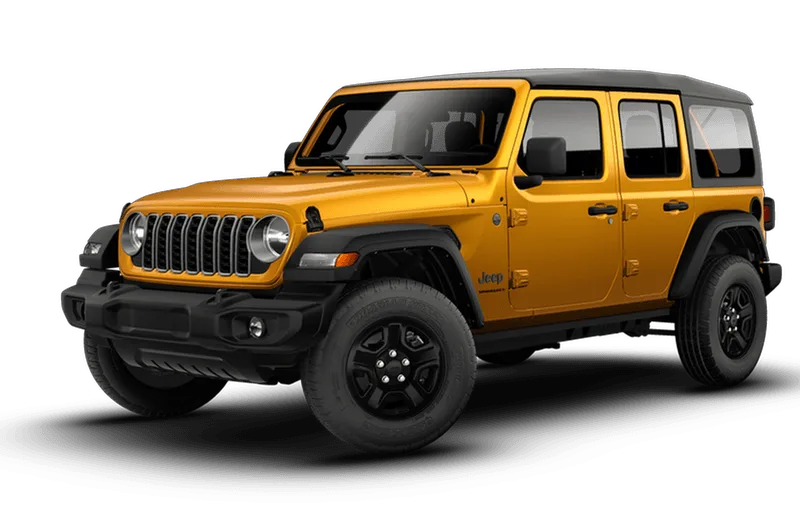
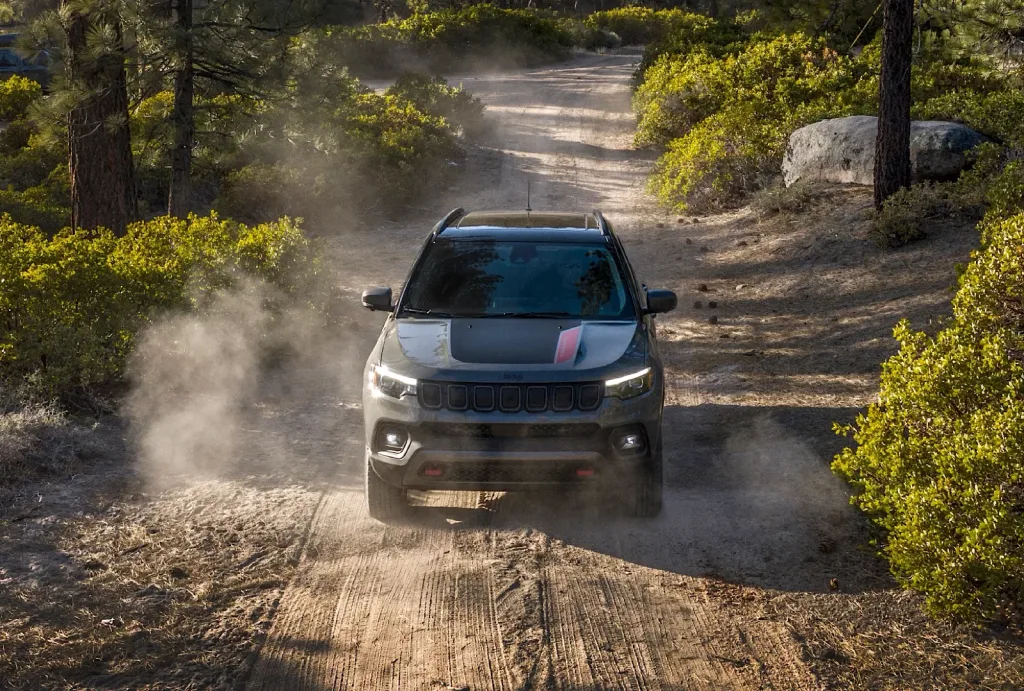
- Alternator sizing can vary based on your Jeep’s model and year. For example, a Jeep Wrangler JL may have different requirements compared to a Jeep Cherokee.
- Stock vs. Aftermarket:
- Stock alternators are designed to meet factory specifications, while aftermarket options can provide higher amperage for additional accessories.
Common Alternator Sizes for Jeeps
| Jeep Model | Standard Alternator Output | Upgraded Alternator Options |
|---|---|---|
| Jeep Wrangler JL | 180 amps | 220-250 amps |
| Jeep Gladiator | 180 amps | 220-240 amps |
| Jeep Cherokee | 120-160 amps | 180-200 amps |
| Jeep Grand Cherokee | 160-180 amps | 200-240 amps |
Signs You Need a Higher-Capacity Alternator
- Dim Lights:
- If your headlights or interior lights dim when additional accessories are used, your alternator may be struggling to keep up with the electrical load.
- Battery Drain:
- Frequent battery drain or failure to maintain a full charge can indicate an undersized alternator.
- Accessory Malfunctions:
- Winches, lights, or other accessories not performing as expected may require more power than your alternator can provide.
Choosing the Right Alternator for Your Jeep
- Calculate Your Total Electrical Load:
- Add up the power requirements (in amps) of all your Jeep’s electrical systems and accessories. Ensure your alternator’s output exceeds this total.
- Opt for Higher Amperage When Modifying:
- If you plan to add aftermarket accessories, consider an alternator with a higher output than your current needs.
- Consider Quality:
- Choose a reliable brand with a proven track record. Aftermarket high-output alternators from reputable manufacturers offer durability and performance.
- Consult a Professional:
- If you’re unsure about sizing, consult a Jeep specialist or technician. They can recommend the best option for your specific model and usage.
Installation Tips
- Ensure Compatibility: Verify that the alternator fits your Jeep’s engine and mounting brackets.
- Upgrade Wiring: Higher-output alternators may require upgraded wiring to handle the increased current safely.
- Test After Installation: After replacing or upgrading your alternator, test your electrical systems to ensure proper operation.
Conclusion
Choosing the right alternator size for your Jeep ensures reliable performance and the ability to power additional accessories. Whether you’re upgrading for off-road adventures or maintaining your daily driver, selecting an alternator that meets your needs is crucial. For expert advice and high-quality alternator options, visit Simi Valley Chrysler Dodge Jeep Ram today.