




The Jeep Wrangler has been synonymous with off-road capability, adventure, and rugged design for decades. With various models and generations, determining the "best" Wrangler depends on individual needs and preferences, from off-road enthusiasts to everyday drivers. This article explores the standout models and special editions of the Jeep Wrangler, helping you identify the ideal choice for your lifestyle.
1. Jeep Wrangler YJ (1987-1995)
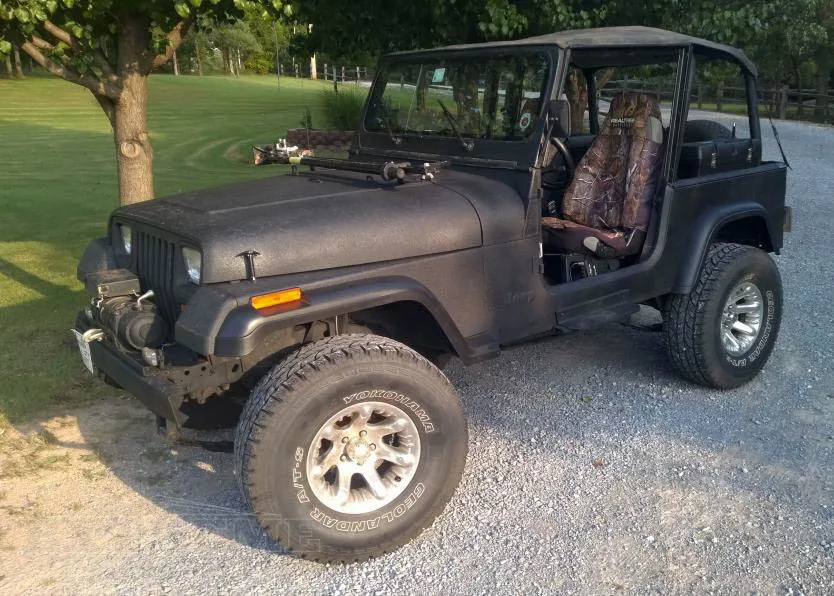
The YJ was the pivotal starting point for the Wrangler series, taking the baton from the legendary CJ models and introducing a new era of design and functionality. It brought with it both innovation and controversy, primarily due to its bold decision to feature rectangular headlights—a departure from the round headlights that had become a defining characteristic of previous Jeeps. This design choice divided opinions among Jeep enthusiasts, yet it set the YJ apart and signified a fresh chapter in the Wrangler story.
Key Advancements of the YJ
- Engine Options: Initially, the YJ came equipped with two engine choices: a reliable 2.5-liter inline-four and a 4.2-liter inline-six. These engines were robust and dependable but lacked the advanced performance of future powertrains. The significant leap came when Jeep upgraded the YJ to include a fuel-injected 4.0-liter inline-six, providing a noticeable boost in power, reliability, and overall efficiency. This change gave the YJ a much-needed edge in both off-road capability and daily driving.
- Suspension System: One of the standout features of the YJ was its use of a leaf spring suspension system, which had both advantages and drawbacks. While this type of suspension was known for its rugged durability and ability to withstand rough terrain, it also made for a stiffer and less comfortable ride compared to later models that adopted coil springs. For off-road enthusiasts, this setup provided the reliability needed for tough trails, but for those seeking a smoother on-road experience, it fell short.
- Interior Enhancements: Recognizing the growing demand for vehicles that could transition seamlessly from trails to city streets, Jeep focused on making the YJ’s interior more driver-friendly. It was equipped with upgraded seating, better instrumentation, and modest improvements in comfort, making it more appealing to daily drivers who valued functionality as much as they did ruggedness.
The YJ's Legacy and Limitations
While the YJ laid down the groundwork for the modern Wrangler lineup, it lacked some of the sophistication and refinement seen in later models. Its combination of rugged capability and rudimentary comfort offered a clear signal of Jeep’s intent to balance tradition with evolving automotive trends. However, it was not without limitations. The ride quality, impacted by the leaf spring suspension, could be harsh on less-than-ideal roads, and the technology onboard was minimal by today’s standards.
Despite these shortcomings, the YJ’s introduction was vital in keeping the Wrangler relevant as consumer expectations shifted. It provided the foundation that would allow subsequent generations to innovate further, blending off-road toughness with improved comfort and advanced technology. For those seeking a piece of Jeep history that embodies the shift from classic to contemporary, the YJ remains a meaningful chapter and a true symbol of the transition within the Jeep lineup.
Check out our Jeep Wrangler lineup
2. Jeep Wrangler TJ (1997-2006)
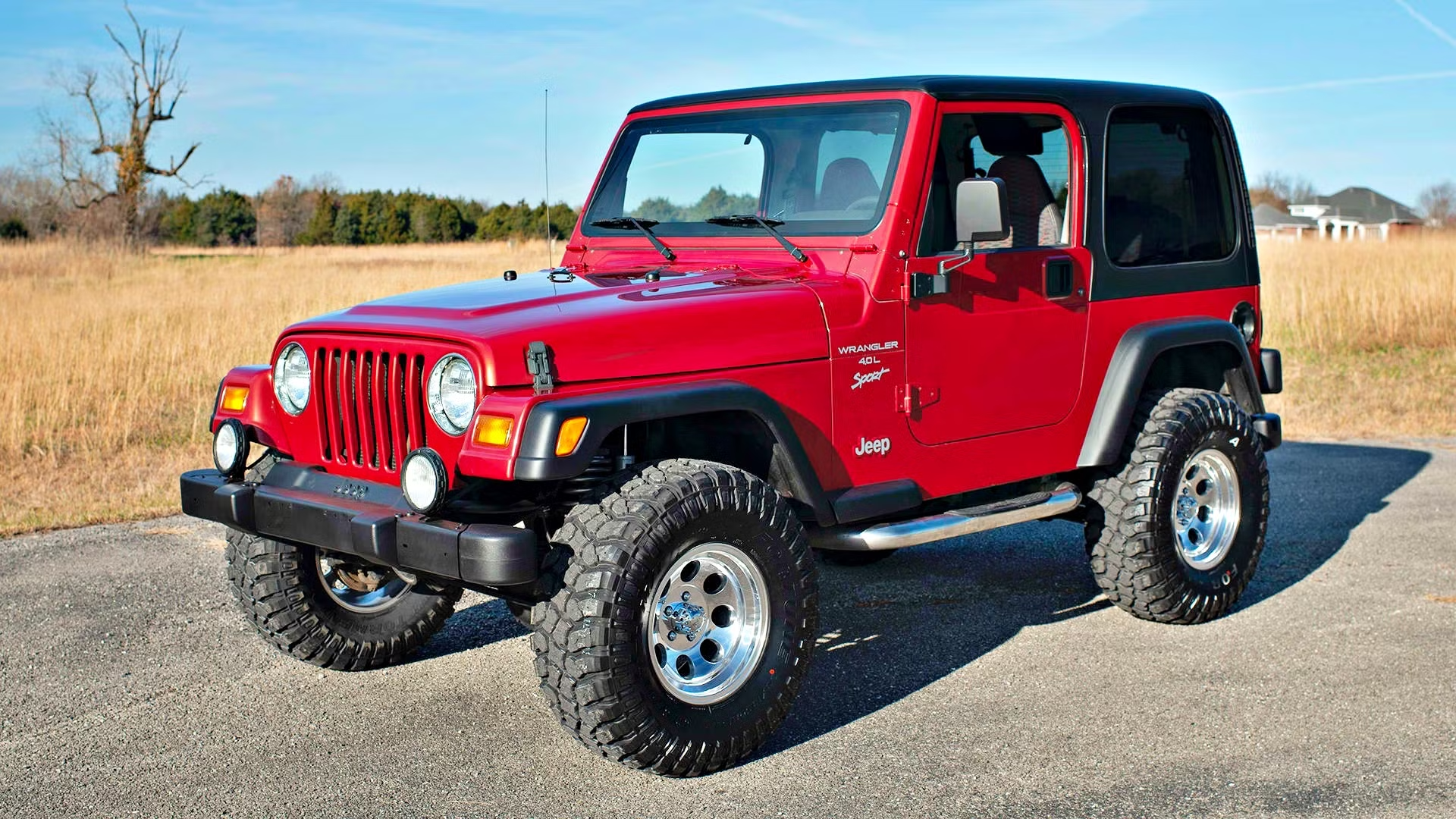
The TJ model is frequently celebrated as one of the finest in the Jeep Wrangler lineage, thanks to its harmonious blend of iconic design and meaningful engineering advancements. It represented a significant evolution from its predecessor, the YJ, seamlessly merging classic Jeep aesthetics with modernized performance and comfort features that set the stage for the Wrangler's future success.
Why the TJ Stands Out Among Jeep Models
- Round Headlights Return: One of the most applauded moves with the TJ was the return of the traditional round headlights, a defining characteristic that resonated deeply with Jeep enthusiasts and purists. This design choice was more than just a nod to the brand’s heritage; it was a statement that the TJ was both an homage to the past and a vehicle equipped for the future. The round headlights re-established the Wrangler's classic look, reinforcing the connection to Jeep's storied roots and satisfying those who were disenchanted by the YJ's more modernized, rectangular lights.
- Advanced Coil Spring Suspension: Perhaps one of the most significant engineering upgrades in the TJ was the transition from leaf spring to coil spring suspension. This enhancement was transformative, dramatically improving both on-road handling and off-road articulation. With coil springs at each corner, the TJ provided a more comfortable and stable ride, showcasing greater adaptability whether navigating urban streets or tackling rocky trails. The result was a smoother experience for drivers, appealing not just to off-road enthusiasts but to those who used their Jeep for everyday driving.
- Reliable Powertrain: Under the hood, the TJ retained the trusted 4.0-liter inline-six engine, a powerhouse that became legendary for its torque, reliability, and off-road performance. This engine was revered for its ruggedness and longevity, capable of withstanding the rigors of both challenging trails and daily commutes without faltering. Its substantial low-end torque was especially valued by off-road drivers who needed dependable power to conquer steep inclines and tough terrain.
- Introduction of the Rubicon Trim: In 2003, Jeep pushed the limits of factory off-road capability with the debut of the Rubicon trim. This was a game-changer, setting a new standard for what an off-road vehicle could offer straight off the production line. The Rubicon came equipped with locking front and rear Dana 44 axles, rock rails for added undercarriage protection, and the innovative Rock-Trac 4x4 system that included low-range gearing for optimal off-road control. With these features, the Rubicon empowered drivers to take on more challenging trails with confidence, solidifying its reputation as a top-tier option for serious off-roaders.
The TJ's Lasting Legacy
The TJ is not just admired for what it brought to the table during its production years but for the impact it continues to have on the Jeep community today. It set a precedent for blending the rugged, utilitarian spirit of Jeep with modern comforts and capabilities. The combination of a reliable powertrain, improved suspension, and thoughtful design choices has ensured the TJ remains highly regarded, even as newer models push technological boundaries further.
The introduction of the Rubicon trim, in particular, opened the door for future high-performance variants, inspiring Jeep to continue producing models with extreme off-road capability as a core focus. The TJ’s influence is evident in the Wrangler's continued success and evolution, showcasing a balance of tradition and innovation that resonates with both long-time Jeep lovers and newcomers to the brand.
In summary, the Jeep Wrangler TJ stands out as a pivotal model that achieved the perfect equilibrium between honoring the Jeep heritage and embracing modern advancements. Whether for its nostalgic round headlights, enhanced suspension system, robust 4.0-liter engine, or the groundbreaking Rubicon trim, the TJ remains a milestone in the Wrangler lineup, embodying the heart and soul of Jeep’s off-road excellence.
Explore Rubicon Trims and Specs
The TJ's balance of off-road prowess and on-road comfort makes it a favorite among Jeep fans.
3. Jeep Wrangler LJ (2004-2006)
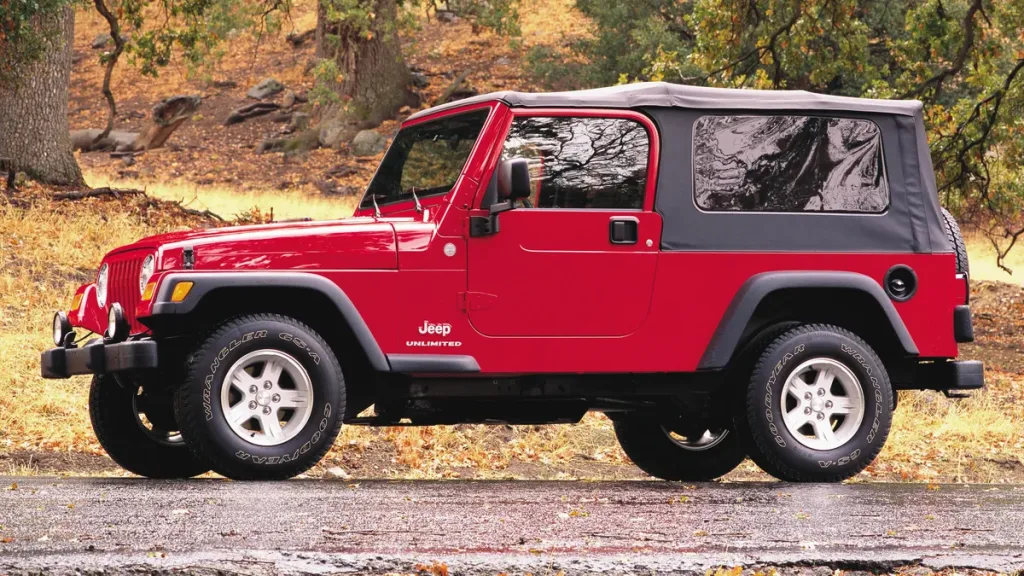
The Jeep Wrangler LJ, also known as the Wrangler Unlimited, holds a unique and revered place in the Wrangler family as a standout variant of the TJ. It was introduced to bridge the gap between the classic, compact Jeep models and the needs of drivers looking for a more versatile, spacious option without compromising the vehicle's iconic off-road prowess. Though its production run was relatively brief from 2004 to 2006, the LJ remains highly sought-after among Jeep enthusiasts and collectors, thanks to its distinctive blend of practicality and performance.
Key Features That Make the LJ Stand Out
- Extended Wheelbase: One of the defining characteristics of the LJ was its 10-inch longer wheelbase compared to the standard TJ model. This extension translated to significantly increased interior space, making the LJ more adaptable for a variety of uses. The additional length provided not only more room for rear passengers but also enhanced cargo capacity, allowing owners to pack more gear for long adventures or road trips. This improvement made the LJ particularly appealing to those who loved the TJ but needed more utility without moving to a four-door model.
- Enhanced Ride Quality: The extended wheelbase didn't just add space; it also contributed to a smoother and more stable ride, especially on uneven terrain. The longer wheelbase meant that the LJ could traverse rough trails with improved balance and less jarring for the occupants, making it a comfortable choice for both off-road excursions and daily driving. This feature bridged the gap between compact maneuverability and the need for a more refined driving experience.
- Improved Towing Capacity: With its longer wheelbase, the LJ was not just about extra space and comfort; it also offered enhanced towing capabilities. The added length allowed for better weight distribution and stability when towing, making the LJ a versatile choice for those who needed their Wrangler to do more than just tackle trails. Whether towing small trailers, hauling adventure equipment, or carrying heavier loads, the LJ brought a new level of utility to the Wrangler lineup.
Why the LJ Is a Collector’s Favorite
The LJ's limited production run, spanning just a few short years, has only increased its allure over time. Its rarity, combined with the added functionality that the extended wheelbase provided, has cemented the LJ as a highly desirable model among collectors and enthusiasts. The fact that it retained the beloved features of the TJ, such as the robust 4.0-liter inline-six engine and the acclaimed coil spring suspension, while offering more versatility, makes it a standout version that strikes a perfect balance between the classic and the contemporary.
The LJ’s Legacy and Influence
The LJ set a precedent for the development of more spacious and versatile Jeep models, paving the way for the introduction of the four-door Wrangler Unlimited (JK and JL generations). It showcased that a longer, more accommodating Jeep could still uphold the brand's legendary off-road capability without sacrificing the rugged spirit that defined the Wrangler. The lessons learned from the LJ's success informed the direction of subsequent models, emphasizing that increased space and versatility could coexist with Jeep’s performance standards.
Due to its limited production and practical design, the LJ holds a special place in the Jeep community.
4. Jeep Wrangler JK (2007-2018)
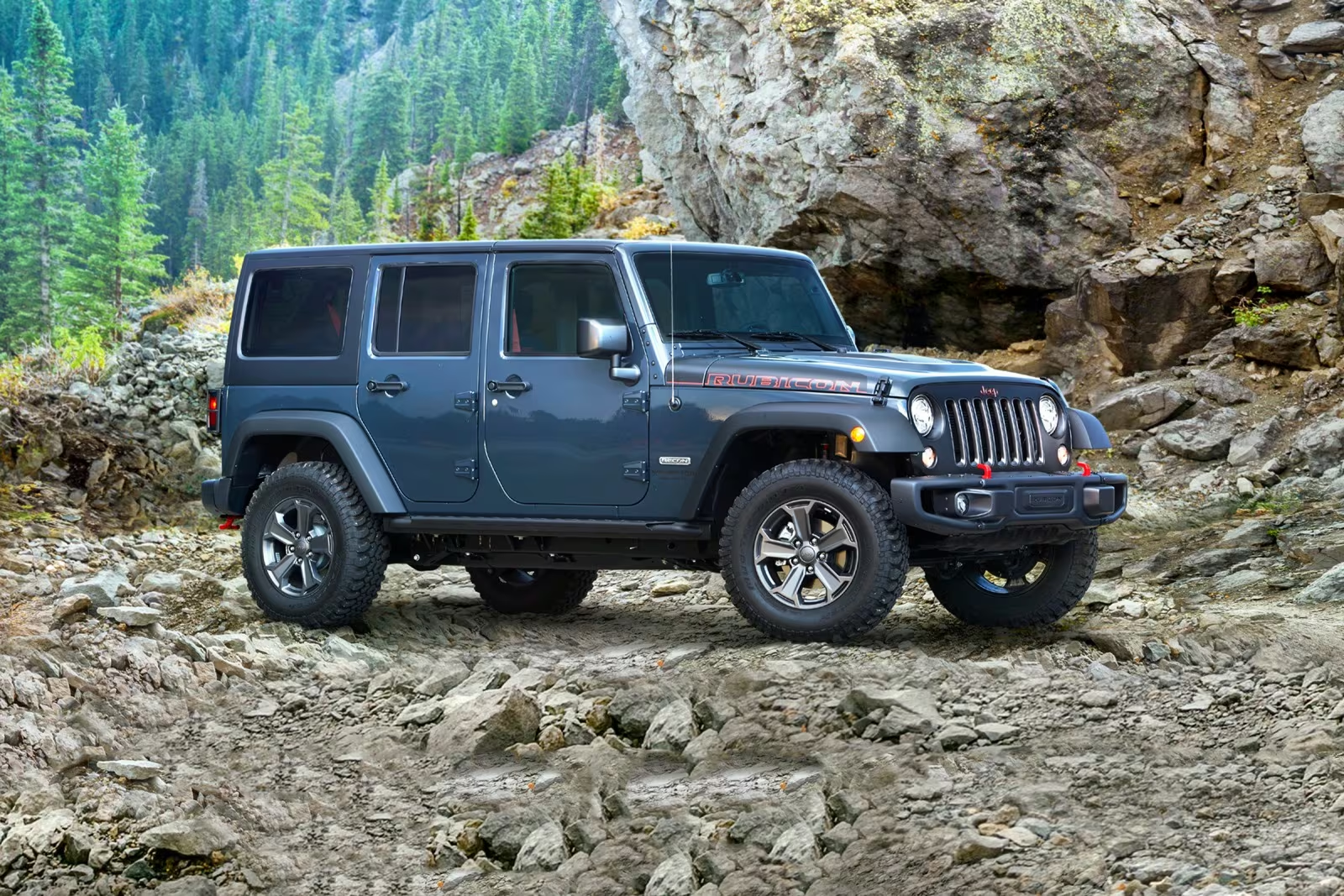
The Jeep Wrangler JK marked a transformative period for the Wrangler lineup, introducing several significant upgrades and features that modernized the iconic off-roader while maintaining its rugged heritage. Launched in 2007 and produced until 2018, the JK generation was pivotal in broadening the Wrangler's appeal beyond hardcore enthusiasts to families, overlanders, and everyday drivers. This expansion laid the groundwork for what modern Wranglers would come to embody: a blend of unbeatable off-road prowess and practical on-road functionality.
Key Advancements in the Jeep Wrangler JK
- Four-Door Introduction: Perhaps the most groundbreaking addition to the JK generation was the introduction of the four-door Wrangler Unlimited. This was the first time a Wrangler offered four full doors, dramatically increasing its usability and broadening its target audience. Families and adventurers who needed more space could now consider the Wrangler as a practical option. This model offered significantly more rear-seat space and cargo capacity, transforming the Wrangler from a compact, niche vehicle into a viable choice for longer trips, family outings, and overlanding excursions. The four-door JK Unlimited combined Jeep’s legendary off-road capability with newfound versatility, setting a new standard for what the Wrangler could be.
- Enhanced Comfort and Technology: The JK generation was the first to make serious strides in comfort and technology, recognizing the changing expectations of drivers. Jeep introduced modern conveniences such as power windows, keyless entry, and improved interior materials, making the vehicle far more user-friendly for daily driving. Enhanced sound insulation made the cabin quieter than previous models, a much-appreciated feature on long highway drives. Optional navigation systems and an upgraded infotainment system gave drivers more control and connectivity on the go, allowing the JK to bridge the gap between rugged off-road vehicle and everyday commuter.
- Engine Evolution: The JK initially came equipped with a 3.8-liter V6 engine, which, while reliable, was often considered underpowered by Jeep enthusiasts, especially when tackling tough trails or carrying a full load. In 2012, Jeep made a significant upgrade by introducing the 3.6-liter Pentastar V6 engine. This engine was a game-changer for the JK, delivering more horsepower and torque, improved fuel efficiency, and a more responsive driving experience both on and off the road. The Pentastar engine provided 285 horsepower and 260 lb-ft of torque, giving the JK a much-needed performance boost that kept it competitive in an evolving SUV market.
- Off-Road Capabilities: The JK generation upheld Jeep’s reputation for off-road excellence, especially with the Rubicon trim. The Rubicon was equipped with heavy-duty Dana 44 axles, locking front and rear differentials, and an electronic sway bar disconnect system, which allowed for greater wheel articulation and traction over challenging terrain. These features were complemented by the Rock-Trac 4x4 system, which offered a lower gear ratio for controlled and confident climbing over rocks and steep inclines. The Rubicon trim continued to be the gold standard for off-road capability in a factory vehicle, demonstrating that the JK was as serious about off-road challenges as it was about daily driving comfort.
The Impact and Legacy of the JK
The Jeep Wrangler JK was more than just an update; it was a redefinition of what a Wrangler could be. By introducing the four-door Unlimited model, Jeep was able to reach a wider audience, expanding its customer base to include families and those looking for a practical yet adventurous vehicle. The JK’s blend of comfort, technology, and traditional Jeep toughness laid the foundation for the Wranglers that followed, showcasing that it was possible to evolve without losing the essence of what makes a Jeep a Jeep.
The 3.6-liter Pentastar V6 engine's introduction further highlighted Jeep's commitment to staying current with industry standards while addressing the demands of its customer base. It ensured that the JK could perform on par with modern SUVs while still excelling off-road—a balance that many competitors struggled to achieve.
Why the JK Remains a Favorite
The Jeep Wrangler JK remains a beloved choice among off-road enthusiasts and casual drivers alike. Its expanded capabilities, increased comfort, and groundbreaking four-door model have made it one of the most versatile and adaptable Wranglers ever produced. Whether tackling rocky trails, embarking on a family camping trip, or simply navigating urban environments, the JK proved it could do it all without compromising Jeep’s rugged legacy.
View Current Jeep Wrangler Specials
The JK generation combined traditional Jeep capability with modern comfort, making it popular for a broad range of drivers.
5. Jeep Wrangler JL (2018-Present)
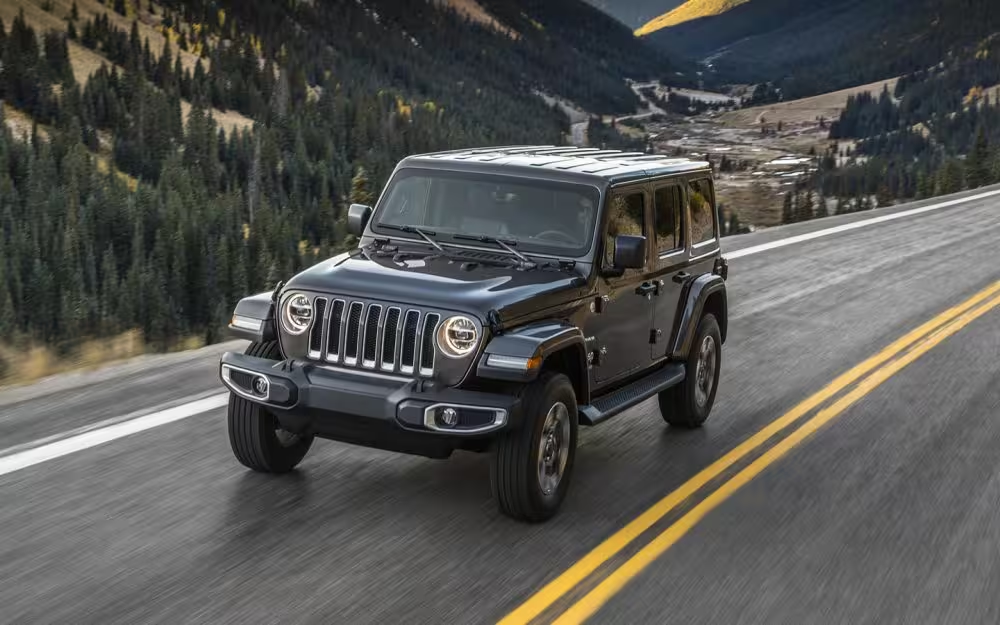
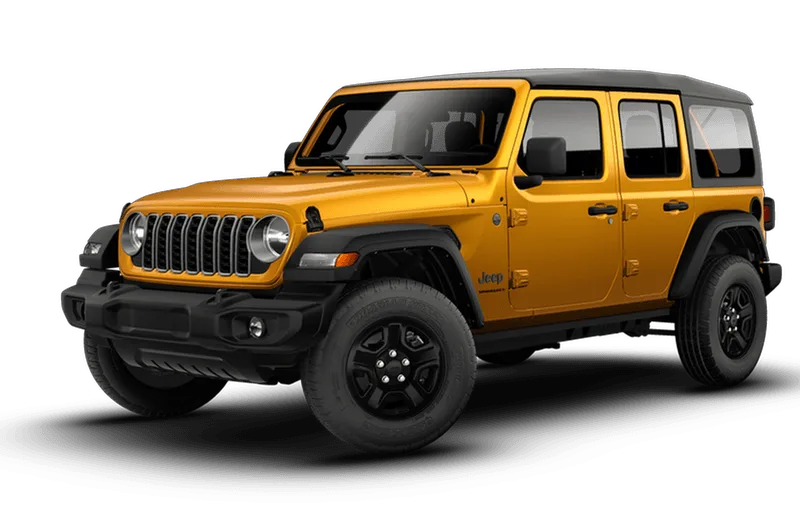
The current Jeep Wrangler JL generation takes the robust foundation laid by the JK and elevates it with a suite of modern enhancements. Since its debut in 2018, the JL has been a testament to Jeep’s commitment to innovation, integrating advanced technology and engineering that cater to both hardcore off-road enthusiasts and daily drivers. This generation underscores the evolution of the Wrangler by combining the brand’s legendary ruggedness with contemporary improvements, offering an unmatched driving experience.
Key Enhancements in the Jeep Wrangler JL
- Lighter Build: One of the most significant advancements in the JL is its construction with lightweight materials. Jeep utilized aluminum for the doors, hood, and various other components, effectively reducing the vehicle’s overall weight. This reduction has translated into better fuel efficiency and improved handling, giving the JL a more agile feel on both highways and challenging trails. The lighter build contributes not just to performance but also to fuel economy, appealing to drivers who want the power of a Wrangler without the penalty of poor gas mileage.
- Modern Infotainment and Interior Quality: The JL generation takes driver and passenger comfort to the next level with its upgraded infotainment system and refined interior. Jeep incorporated Uconnect systems with touchscreens ranging from 5 to 8.4 inches, complete with smartphone integration through Apple CarPlay and Android Auto. This ensures that drivers stay connected and entertained, whether they’re cruising through the city or navigating remote landscapes. Additionally, Jeep paid attention to interior materials, using higher-quality finishes and offering options like leather seats and customizable ambient lighting for an upscale feel. Driver-assistance features such as blind-spot monitoring, rear cross-path detection, and adaptive cruise control add layers of safety that were previously unavailable in older models.
- Diverse Engine Options: A highlight of the JL generation is its variety of powertrains, catering to different driving preferences and needs:
- 2.0-liter Turbocharged Four-Cylinder: This engine offers a balance between efficiency and power, delivering strong torque for a spirited drive and capable off-road performance.
- 3.6-liter V6: The classic Pentastar V6 continues to be a reliable option, known for its balanced power output and proven dependability.
- 3.0-liter EcoDiesel V6: For those who prioritize fuel efficiency and torque, the EcoDiesel is a standout choice. It provides impressive low-end torque, ideal for towing and navigating tough trails with ease.
- 6.4-liter V8 in the Rubicon 392: This engine marks a significant performance leap for the Wrangler, offering a thrilling 470 horsepower and 470 lb-ft of torque. The Rubicon 392 can sprint from 0-60 mph in about 4.5 seconds, making it the most powerful Wrangler in the lineup and a formidable contender on both roads and trails.
- Enhanced Off-Road Features: The JL generation reaffirms Jeep’s commitment to off-road capability, enhancing its already impressive 4x4 systems. With improved approach and departure angles, the JL can tackle steeper inclines and descents with confidence. Advanced options like the Selec-Trac and Rock-Trac 4x4 systems provide drivers with more control over traction and maneuverability on various terrains. The availability of factory-installed 35-inch tires on certain trims, combined with features like Tru-Lok electronic locking differentials and an electronic sway bar disconnect, ensure that the JL can handle everything from rocky paths to muddy trails. These enhancements give the JL an edge, making it capable of conquering rugged landscapes while maintaining exceptional stability and traction.
The JL’s Significance and Appeal
The JL generation represents a leap forward, not just in terms of off-road prowess but in how it blends modern comforts with legendary performance. By refining the Wrangler’s core elements and adding advanced tech and diverse engine choices, Jeep has made the JL more appealing to a broader audience, from weekend warriors and off-road veterans to families and daily drivers. The blend of lightweight construction, modern infotainment, and enhanced safety features makes the JL not only a fun and capable off-roader but also a practical and enjoyable vehicle for everyday use.
Why the JL Stands Out
The JL is truly a reflection of what modern Jeep owners desire: a capable, adaptable, and feature-rich vehicle that doesn’t sacrifice its off-road DNA. Whether it’s the adventurous driver looking for raw power in the Rubicon 392 or the eco-conscious enthusiast opting for the fuel-efficient EcoDiesel, the JL’s range of configurations means there is a model to suit nearly every type of driver. Its combination of new technology, safety enhancements, and off-road upgrades solidifies the JL as the most versatile and refined Jeep Wrangler to date.
In conclusion, the JL generation builds on the Wrangler’s storied legacy, offering modern advancements that keep it at the forefront of off-road vehic
Learn about Jeep Financing and Offers
The JL is the most refined Wrangler yet, catering to both off-road enthusiasts and everyday drivers.
6. Special Editions and Trims
The Jeep Wrangler has long been known for its specialized trims, each designed to cater to a different type of driver and terrain. Some trims have become iconic, offering unique features that set them apart and make them highly desirable within the Jeep community. Here’s a closer look at some of the most notable Wrangler trims across generations:
The Jeep Wrangler has long been known for its specialized trims, each designed to cater to a different type of driver and terrain. Some trims have become iconic, offering unique features that set them apart and make them highly desirable within the Jeep community. Here’s a closer look at some of the most notable Wrangler trims across generations:
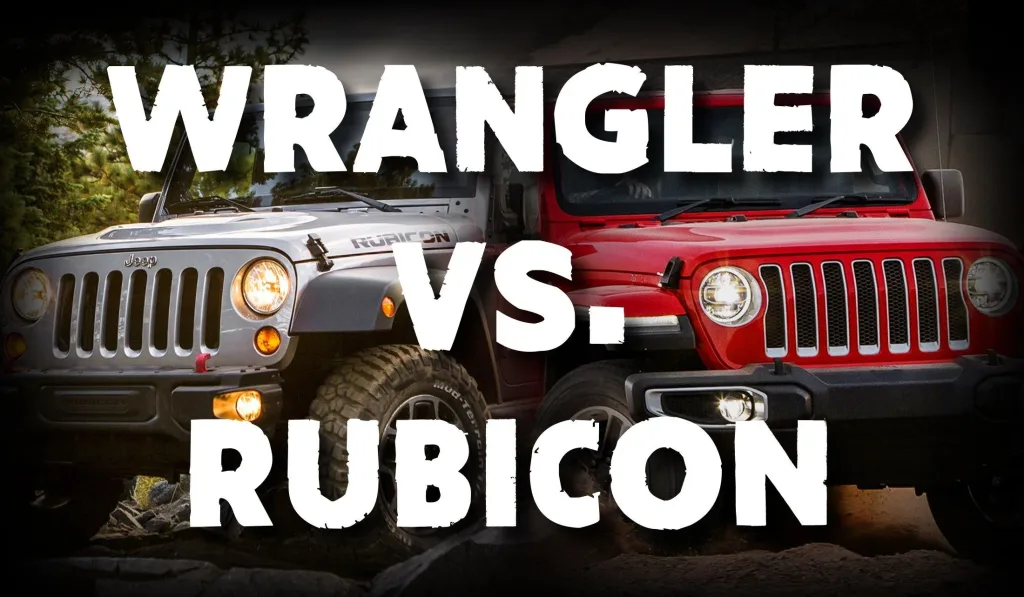
Rubicon
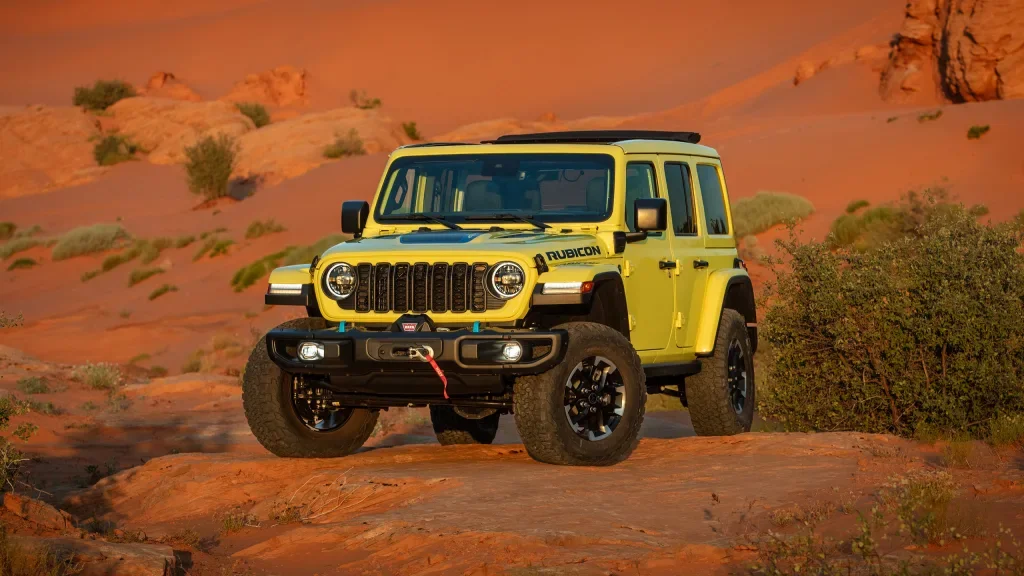
Introduced in 2003, the Rubicon trim has solidified its reputation as the gold standard for serious off-roaders. This trim is equipped with heavy-duty Dana 44 axles, locking front and rear differentials, and enhanced suspension components that offer superior articulation and durability. The Rubicon also features an electronic sway bar disconnect, providing improved wheel flexibility for tackling uneven and rocky terrain. With these factory-installed off-road upgrades, the Rubicon continues to be the go-to choice for those who want a Wrangler capable of conquering the toughest trails right off the lot.
Sahara
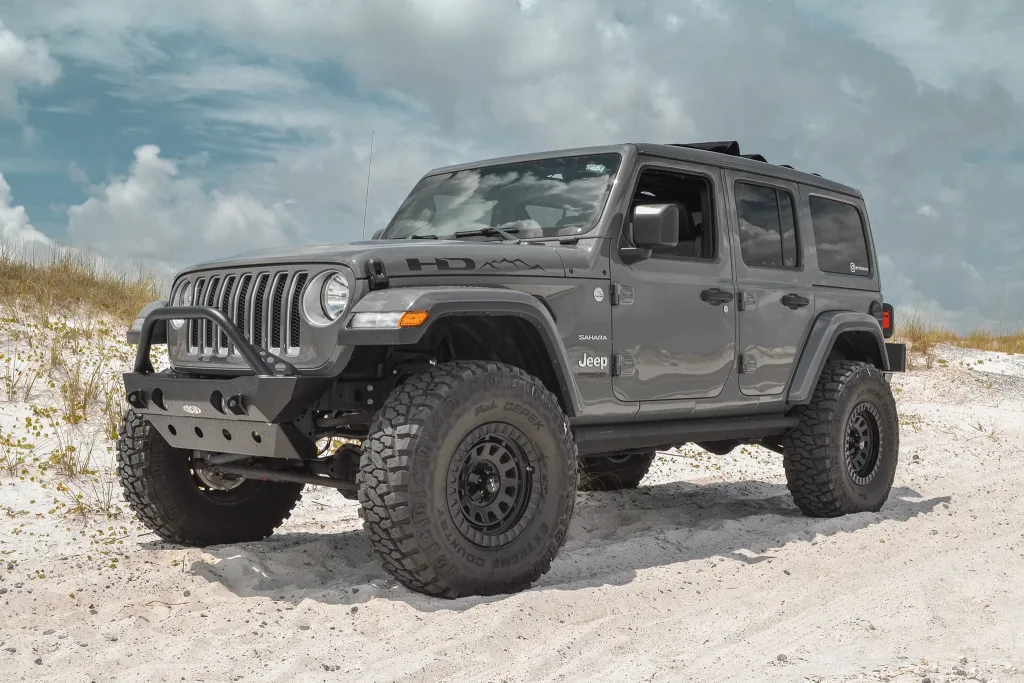
The Sahara trim is designed for drivers who want a balance between off-road capability and on-road comfort. Known for its distinctive body-colored fender flares and optional hardtop, the Sahara offers a more refined look that appeals to those who appreciate aesthetics as much as functionality. Inside, the trim boasts upgraded interiors with available leather seats and modern conveniences like an advanced infotainment system and climate control. The Sahara’s features provide a more comfortable ride, making it an excellent choice for daily driving while still retaining Jeep’s signature off-road capability.
Willys Edition
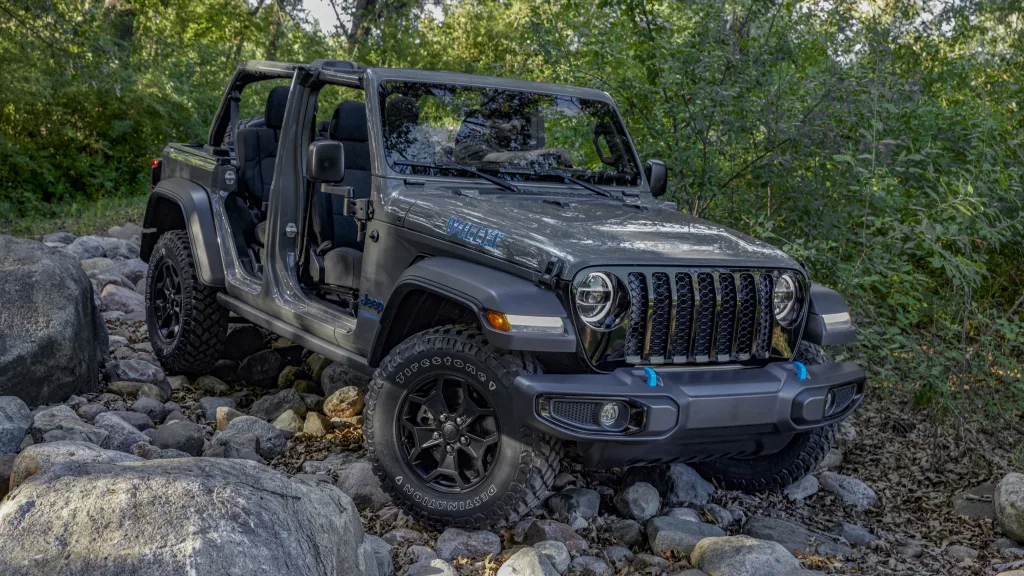
The Willys Edition pays homage to Jeep’s military heritage, embodying the rugged spirit that the brand was built on. This trim is equipped with unique styling elements such as retro-inspired badging, blacked-out grilles, and rock rails. The Willys Edition is also fitted with off-road tires and specialized suspension components that enhance its trail-ready capabilities. It’s perfect for those who want a nod to history while benefiting from modern off-road technology, providing both nostalgia and functionality in one package.
High Altitude
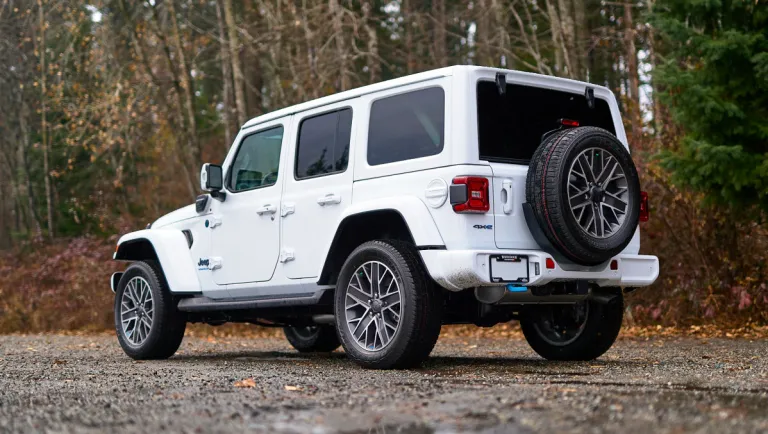
The High Altitude trim caters to those who desire luxury without compromising Jeep’s inherent ruggedness. This upscale version comes with premium interior materials, including quilted leather seats and high-quality dashboard finishes. Advanced tech features like a larger touchscreen, integrated navigation, and comprehensive driver-assistance systems are standard in this trim. Externally, the High Altitude is distinguished by its sleek body-colored accents and unique wheels, offering a sophisticated yet capable Wrangler option. This trim is ideal for drivers who want to make a statement on the road while still being ready for an adventure.
Each of these trims brings its own set of strengths, making the Jeep Wrangler lineup diverse enough to appeal to a wide range of enthusiasts and lifestyles. Whether it’s the rugged, trail-dominating Rubicon or the luxury-focused High Altitude, there’s a Wrangler trim for every type of driver.
What Model Is Best for You?
Choosing the best Jeep Wrangler ultimately depends on what you value most in your driving experience. Whether you're an off-road enthusiast, a daily commuter, or a collector, the Wrangler lineup has something to offer for every type of driver. Here’s a more detailed guide to help you choose the perfect model for your needs:
For Off-Road Enthusiasts
If your priority is tackling challenging trails and pushing the limits of off-road adventure, the Rubicon trims are second to none. Specifically, the JL Rubicon 392 takes the experience to a new level with its formidable 6.4-liter V8 engine, delivering 470 horsepower and 470 lb-ft of torque. This model is equipped with heavy-duty Dana 44 axles, electronic locking differentials, an electronic sway bar disconnect, and 35-inch off-road tires, making it an unbeatable choice for extreme off-roading. Its superior ground clearance and approach/departure angles ensure that you can conquer even the toughest terrains with confidence.
For Daily Driving
For those who use their Wrangler for both commuting and occasional adventures, the Sahara trim offers the perfect mix of comfort and capability. Available in both the JK and JL generations, the Sahara stands out with features designed to enhance daily drivability. It comes equipped with body-colored fender flares, upgraded interiors with available leather seating, and advanced infotainment systems for a smooth, enjoyable ride. The Sahara trim strikes a balance by providing solid off-road performance while delivering a more refined and quieter on-road experience, making it ideal for city driving and long road trips.
For Collectors
Collectors and Jeep enthusiasts who appreciate the classic elements of the Wrangler often gravitate toward the TJ and LJ models. These models are renowned for their iconic design that blends Jeep’s traditional ruggedness with a touch of modernity. The TJ brought back the round headlights, a feature beloved by Jeep purists, and introduced a coil spring suspension that improved ride comfort and handling. The LJ (Wrangler Unlimited), with its extended wheelbase, offers added cargo space and a smoother ride, making it both practical and unique. Limited production runs and the strong performance of these models contribute to their desirability and value among collectors who want a piece of Jeep history that stands the test of time.
Conclusion
Every Jeep Wrangler model brings its own distinct strengths and features, tailored to meet a range of driver needs and preferences. Whether your goal is unmatched off-road performance, comfortable daily driving, or owning a classic piece of automotive history, there’s a Wrangler perfectly suited to your lifestyle.
For those who want the most advanced, powerful, and versatile Wrangler, the current JL generation is an exceptional choice. This generation, especially in its Rubicon and special trims like the Rubicon 392, offers a sophisticated mix of cutting-edge technology, luxury, and off-road dominance. With options such as modern infotainment systems, lightweight construction, diverse powertrains, and enhanced off-road features, the JL is the pinnacle of what the Wrangler can be, embodying both rugged heritage and modern advancements.
However, for Jeep enthusiasts who appreciate tradition and timeless design, the classic TJ and limited LJ models continue to be beloved icons. These models strike a perfect balance between Jeep’s legendary durability and essential comfort, making them highly regarded among collectors and off-road purists. The TJ is known for reintroducing the round headlights and introducing coil spring suspension for better handling, while the LJ adds extended utility and practicality with its longer wheelbase.
In the end, choosing the right Jeep Wrangler depends on your specific adventures and personal preferences. Whether it’s navigating rugged trails, enjoying a smooth ride through the city, or preserving a classic, each Wrangler is built to inspire the spirit of exploration and embody the adventurous essence that only Jeep can deliver.