Introduction
What are the costs associated with buying a Jeep Wrangler? The Jeep Wrangler is an iconic vehicle known for its rugged design, off-road capabilities, and adventurous spirit. Since its inception, the Wrangler has been a favorite among off-road enthusiasts and those seeking a versatile, durable vehicle. However, understanding the cost of a Jeep Wrangler in the United States involves more than just looking at the sticker price. Various factors, including the model, trim level, optional features, and regional differences, can significantly impact the final price. This article delves into the details of purchasing a Jeep Wrangler, providing a comprehensive guide to its pricing, additional costs, and what you can expect when buying this legendary vehicle.
How much do Base Models of Jeep Wranglers cost?
Jeep Wrangler Sport Prices
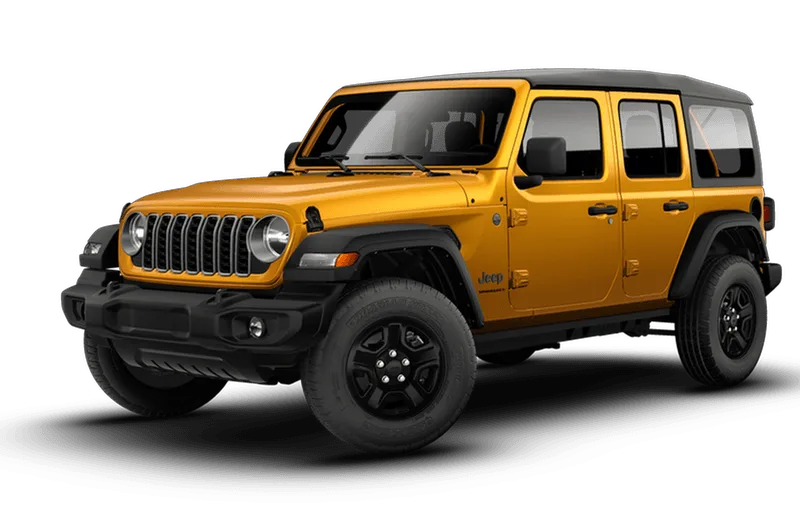
The base model of the Jeep Wrangler is the Sport, which is designed for those who appreciate the classic Jeep experience without all the bells and whistles. As of 2024, the starting price for the Jeep Wrangler Sport is approximately $32,000. This model comes with a 3.6-liter V6 engine, a six-speed manual transmission, and standard four-wheel drive. It also includes basic features such as cloth seats, a Uconnect 3 infotainment system with a 5-inch display, and a removable soft top.
Jeep Wrangler Willys Sport
Another entry-level option is the Jeep Wrangler Willys Sport, which starts at around $35,000. This model adds some off-road enhancements to the base Sport trim, including 32-inch Mud-Terrain tires, heavy-duty shocks and brakes, and a limited-slip rear differential. The Willys Sport also features unique exterior styling elements that pay homage to the original Willys Jeep.
How much do Mid-Range Jeep wranglers cost?
Jeep Wrangler Sport S
The Jeep Wrangler Sport S is a step up from the base model, offering additional comfort and convenience features. Priced at approximately $36,500, the Sport S includes upgrades such as power windows and locks, air conditioning, and a larger 7-inch Uconnect infotainment system with Apple CarPlay and Android Auto. This model also provides more customization options, including available packages for enhanced off-road performance and luxury.
Jeep Wrangler Willys
The Jeep Wrangler Willys builds on the Willys Sport model, adding more features and options. Starting at around $39,000, the Willys includes LED headlights and fog lights, all-weather floor mats, and a 9-speaker Alpine premium audio system. This model is geared towards those who want a balance of rugged capability and modern amenities.
Jeep Wrangler Freedom
Priced at approximately $40,000, the Jeep Wrangler Freedom is a special edition model that celebrates military service. It includes unique exterior and interior design elements, such as an American flag decal on the hood and Oscar Mike badging. The Freedom model also comes with the same off-road enhancements found in the Willys model, making it a capable and stylish choice for Jeep enthusiasts.
How much do High-End Jeep Wranglers Cost?
What are the costs associated with buying a Jeep Wrangler? Jeep Wrangler Sahara
The Jeep Wrangler Sahara is a popular choice for those who want a more luxurious Wrangler experience. Starting at around $43,500, the Sahara includes features such as a body-color hard top, automatic climate control, and a larger 8.4-inch Uconnect infotainment system with navigation. The Sahara also offers a smoother ride on paved roads, thanks to its suspension tuning and all-season tires.
Jeep Wrangler Rubicon
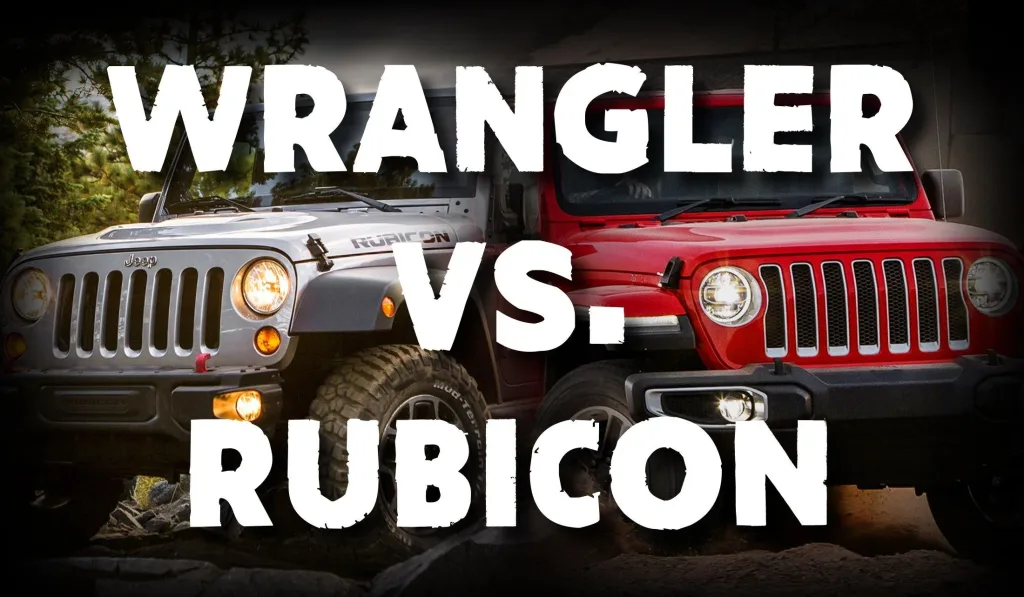
The Jeep Wrangler Rubicon is the ultimate off-road model, designed for those who seek the most challenging trails and terrains. Priced at approximately $45,000, the Rubicon comes with heavy-duty axles, electronic locking differentials, and a disconnecting front sway bar. It also includes 33-inch all-terrain tires and rock rails for added protection. The Rubicon's off-road prowess makes it a favorite among hardcore Jeep enthusiasts.
Jeep Wrangler High Altitude
The Jeep Wrangler High Altitude is the top-tier model, offering a premium blend of luxury and capability. Starting at around $52,000, the High Altitude includes features such as leather-trimmed seats, a premium audio system, and advanced safety features like adaptive cruise control and blind-spot monitoring. This model also comes with 20-inch wheels and a unique exterior design that sets it apart from other Wrangler trims.
Optional Features and Packages
Engine Options
While the standard engine in most Wrangler models is the 3.6-liter V6, Jeep offers several other engine options that can impact the vehicle's price. These include:
- 2.0-liter Turbocharged Inline-4: Available for an additional $1,500 to $2,000, this engine offers a balance of power and efficiency, with 270 horsepower and 295 lb-ft of torque.
- 3.0-liter EcoDiesel V6: For an additional $4,000 to $5,000, this diesel engine provides excellent torque (442 lb-ft) and improved fuel efficiency, making it a popular choice for off-roaders and long-distance travelers.
- 4xe Plug-In Hybrid: Starting at around $50,000, the Wrangler 4xe combines a 2.0-liter turbocharged engine with electric motors, offering up to 375 horsepower and 470 lb-ft of torque. The 4xe also provides an all-electric driving range of approximately 21 miles, making it an eco-friendly option for those who want a capable off-road vehicle.
What are the costs associated with buying a Jeep Wrangler? Interior and Technology Packages
Jeep offers several packages that add comfort, convenience, and technology features to the Wrangler:
- Cold Weather Group: For around $995, this package includes heated front seats, a heated steering wheel, and remote start, making it a great choice for those in colder climates.
- Technology Group: Priced at approximately $995, this package adds features such as a larger infotainment screen, a 7-inch or 8.4-inch display, and additional USB ports.
- Safety Group: For about $995, this package includes advanced safety features like blind-spot monitoring, rear cross-path detection, and rear parking sensors.
- Advanced Safety Group: For an additional $795, this package builds on the Safety Group by adding adaptive cruise control, forward collision warning, and automatic high beams.
Exterior and Off-Road Packages
For those who want to enhance their Wrangler's off-road capabilities or customize its exterior appearance, Jeep offers several packages:
- LED Lighting Group: Priced at approximately $1,295, this package includes LED headlights, fog lights, and taillights, improving visibility and giving the Wrangler a modern look.
- Steel Bumper Group: For around $1,545, this package adds heavy-duty steel front and rear bumpers, providing additional protection and durability for off-road adventures.
- Dual Top Group: Priced at about $2,295, this package includes both a soft top and a hard top, giving owners the flexibility to switch between the two based on their needs and preferences.
- Trail Rail Management System: For approximately $195, this package includes additional storage and cargo management features, making it easier to secure gear and equipment.
Regional Pricing Variations
The price of a Jeep Wrangler can vary depending on the region due to factors such as local taxes, dealership fees, and market demand. For example, Jeep Wranglers may be priced higher in areas with a strong off-road enthusiast community or in states with higher sales taxes. It's important for buyers to research local dealerships and consider additional costs such as registration, title fees, and destination charges, which can add several hundred to a few thousand dollars to the final price.
Prices for wranglers in different States
California: $33,500Texas: $32,500New York: $34,000Florida: $32,000Illinois: $33,000Ohio: $32,800Pennsylvania: $33,200Michigan: $32,700Arizona: $32,300Colorado: $33,100Washington: $33,400Georgia: $32,200North Carolina: $32,600Virginia: $32,900Nevada: $33,300
Financing and Leasing Options
When purchasing a Jeep Wrangler, buyers have the option to finance or lease the vehicle. Financing involves taking out a loan to pay for the vehicle, with monthly payments made over a set term (typically 36 to 72 months). Leasing, on the other hand, allows the buyer to drive the vehicle for a specified period (usually 24 to 48 months) while making monthly lease payments.
Financing
Financing a Jeep Wrangler can be done through various lenders, including banks, credit unions, and the dealership's financing department. Interest rates and loan terms can vary based on the buyer's credit score, down payment, and the length of the loan. It's essential for buyers to shop around and compare loan offers to secure the best possible financing terms.
Leasing
Leasing a Jeep Wrangler can be a more affordable option for those who prefer lower monthly payments and the flexibility to drive a new vehicle every few years. Lease terms typically include a mileage limit (e.g., 12,000 miles per year), and exceeding this limit can result in additional charges. At the end of the lease term, the buyer has the option to purchase the vehicle, return it, or lease a new one.
Incentives and Rebates
Jeep often offers various incentives and rebates to help reduce the cost of a new Wrangler. These can include cashback offers, low-interest financing, and special lease deals. Military members, recent college graduates, and first responders may also qualify for additional discounts. Buyers should check Jeep's official website and consult with their local dealership to learn about current promotions and incentives.
How much do Used Jeep Wranglers Cost?
Buying a used Jeep Wrangler can be a cost-effective alternative to purchasing a new one. The price of a used Wrangler depends on factors such as the model year, mileage, condition, and any additional features or modifications. Generally, older models and those with higher mileage will be more affordable, while newer, low-mileage Wranglers with desirable features can still command a premium price.
Certified Pre-Owned (CPO) Wranglers
What are the costs associated with buying a Jeep Wrangler? For buyers who want the assurance of a quality used vehicle, Jeep offers a Certified Pre-Owned (CPO) program. CPO Wranglers undergo a rigorous inspection process and come with extended warranty coverage, roadside assistance, and other benefits. While CPO Wranglers may be more expensive than non-certified used models, they provide added peace of mind and value.
Private Sales vs. Dealerships
When purchasing a used Jeep Wrangler, buyers can choose to buy from a dealership or a private seller. Dealerships often offer a wider selection of vehicles, financing options, and additional services such as extended warranties and vehicle history reports. Private sales, on the other hand, may provide an opportunity to negotiate a lower price. However, buyers should exercise caution and conduct thorough research when buying from a private seller to ensure they are getting a reliable vehicle.
What are the Maintenance and Ownership Costs of Jeep wranglers?
In addition to the purchase price, owning a Jeep Wrangler involves ongoing maintenance and ownership costs. These can include regular maintenance, repairs, fuel, insurance, and registration fees. Understanding these costs is crucial for budgeting and ensuring a positive ownership experience.
Regular Maintenance
Regular maintenance is essential for keeping a Jeep Wrangler in top condition. This includes oil changes, tire rotations, brake inspections, and fluid checks. The cost of maintenance can vary depending on the service provider and the specific model of the Wrangler. On average, owners can expect to spend between $500 and $1,000 per year on routine maintenance.
Repairs
While Jeep Wranglers are known for their durability, they may still require occasional repairs due to wear and tear or off-road adventures. Common repairs for Wranglers include suspension components, brakes, and electrical systems. The cost of repairs can vary widely based on the severity of the issue and whether the vehicle is under warranty. Extended warranty plans are available for those who want additional coverage and peace of mind.
Fuel Costs
Fuel costs are an important consideration for Jeep Wrangler owners, especially for those who frequently use the vehicle for off-roading or long-distance travel. The Wrangler's fuel economy can vary based on the engine, transmission, and driving conditions. On average, the 3.6-liter V6 engine achieves around 18-20 miles per gallon (mpg) in combined city and highway driving. The 2.0-liter turbocharged engine and the EcoDiesel V6 may offer slightly better fuel economy, while the 4xe plug-in hybrid provides an all-electric driving option to reduce fuel costs.
Insurance
Insurance costs for a Jeep Wrangler can vary based on factors such as the driver's age, location, driving history, and the specific model and trim level. Wranglers typically have higher insurance rates due to their off-road capabilities and the potential for increased repair costs. On average, owners can expect to pay between $1,200 and $1,800 per year for insurance coverage. Shopping around and comparing quotes from multiple insurance providers can help secure the best rates.
Registration and Taxes
Registration fees and taxes are additional costs associated with owning a Jeep Wrangler. These fees can vary by state and are typically based on the vehicle's value, weight, and age. Buyers should consult their local Department of Motor Vehicles (DMV) for specific information on registration fees and taxes in their area.
How much to Customize and Aftermarket Modifications
What are the costs associated with buying a Jeep Wrangler? One of the appealing aspects of owning a Jeep Wrangler is the ability to customize and modify the vehicle to suit individual preferences and needs. From lift kits and larger tires to aftermarket bumpers and lighting, the possibilities for personalization are nearly endless. However, it's important to consider the costs and potential impact on warranty coverage when making modifications.
Popular Modifications
Some of the most popular modifications for Jeep Wranglers include:
- Lift Kits: Installing a lift kit can improve ground clearance and off-road performance. Lift kits can range from a few hundred to several thousand dollars, depending on the type and complexity.
- Tires and Wheels: Upgrading to larger, more aggressive tires and aftermarket wheels can enhance the Wrangler's appearance and off-road capabilities. The cost for a set of tires and wheels can vary widely based on the brand and size.
- Bumpers and Winches: Heavy-duty aftermarket bumpers and winches are popular additions for off-road enthusiasts. These modifications can provide added protection and recovery capabilities, with prices ranging from a few hundred to over a thousand dollars.
- Lighting: Upgrading to LED or HID lighting can improve visibility and give the Wrangler a modern look. Lighting upgrades can cost anywhere from $100 to over $1,000, depending on the type and installation.
- Interior Accessories: Customizing the interior with accessories such as seat covers, floor mats, and storage solutions can enhance comfort and functionality. Prices for interior accessories can vary based on the brand and type.
Impact on Warranty
While many modifications can enhance the Jeep Wrangler's capabilities and appearance, it's important to consider the potential impact on warranty coverage. Some aftermarket modifications may void certain aspects of the vehicle's warranty, particularly if they cause or contribute to mechanical issues. Buyers should consult their warranty documentation and speak with their dealership before making significant modifications to ensure they understand any potential risks.
What are the costs associated with buying a Jeep Wrangler? Conclusion
The cost of a Jeep Wrangler in the United States can vary widely based on factors such as the model, trim level, optional features, and regional differences. From the base Sport model to the luxurious High Altitude, there's a Wrangler to suit a range of budgets and preferences. In addition to the purchase price, buyers should consider ongoing maintenance, insurance, and customization costs when budgeting for their Wrangler.
Whether you're a seasoned off-road enthusiast or a first-time Jeep buyer, understanding the various aspects of Wrangler pricing and ownership can help you make an informed decision and enjoy the legendary Jeep experience to the fullest. With its rugged design, versatile capabilities, and endless customization options, the Jeep Wrangler remains a beloved choice for adventurers and explorers across the United States.
4o