



Simi Valley Chrysler Dodge Jeep Ram

Blog

Shaver Jeep Thousand Oaks

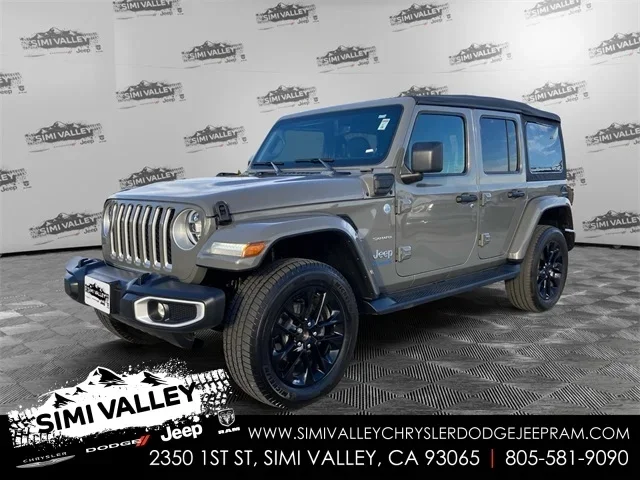
2021 Jeep Wrangler Unlimited Sahara 4xe For Sale

If you are searching for Shaver Jeep Thousand Oaks, you are likely looking for a Jeep dealer near Thousand Oaks, Westlake Village, Newbury Park, Moorpark, or Simi Valley. The simple answer is this: Shaver Chrysler Dodge Jeep Ram is a Jeep dealership located in Thousand Oaks, but shoppers in the area should still compare inventory, pricing, trade value, financing options, and service convenience before deciding where to buy.

The official Jeep dealer directory lists Shaver Chrysler Dodge Jeep Ram at 3888 East Thousand Oaks Blvd, Thousand Oaks, CA 91362. Shaver’s own website also identifies the dealership as a Chrysler, Dodge, Jeep, and Ram store serving Thousand Oaks and surrounding areas.

What Is Shaver Jeep Thousand Oaks?

Shaver Jeep usually refers to Shaver Chrysler Dodge Jeep Ram in Thousand Oaks.

It is a franchised dealership that sells Jeep vehicles along with Chrysler, Dodge, and Ram models. That means shoppers can usually look for vehicles like the Jeep Wrangler, Grand Cherokee, Gladiator, Compass, and other Jeep SUVs or trucks depending on current inventory.

For local shoppers, that location can be convenient if you live directly in Thousand Oaks or Westlake Village.

Why Shoppers Search for Shaver Jeep Thousand Oaks

Most people search this phrase because they are comparing Jeep dealers nearby.

They may be looking for:

A new Jeep Wrangler.

A used Jeep Grand Cherokee.

A Jeep Gladiator truck.

Jeep service near Thousand Oaks.

Jeep parts or accessories.

Jeep financing options.

A trade-in estimate.

A nearby Chrysler Dodge Jeep Ram dealership.

That is why it is smart to compare more than one store before buying. A dealership’s location matters, but the right Jeep, right price, and right buying experience matter more.

Should You Only Shop One Jeep Dealer?

No. You should compare multiple Jeep dealers before making a decision.

Even two nearby Jeep stores can have different inventory, pricing, specials, trade-in values, financing approvals, and service availability. A Wrangler in Thousand Oaks may not be the same trim, color, mileage, or price as one in Simi Valley.

That is especially true for high-demand Jeep models. Wrangler, Gladiator, Grand Cherokee, and Grand Cherokee 4xe inventory can vary quickly by trim, package, engine, color, and options.

Before choosing, compare the full deal, not just the dealership name.

Shaver Jeep vs Simi Valley CDJR

Shaver Chrysler Dodge Jeep Ram is located in Thousand Oaks. Simi Valley Chrysler Dodge Jeep Ram is located nearby at 2350 First St, Simi Valley, CA 93065, according to the official Chrysler dealer directory.

For many Ventura County shoppers, Simi Valley is close enough to compare directly. If you are in Thousand Oaks, Westlake Village, Moorpark, Agoura Hills, Newbury Park, or Calabasas, checking both stores can help you find the better fit.

The better dealership is not always the closest one. It is the one with the right vehicle, transparent numbers, fair trade value, and a process that makes sense for you.

Compare New Jeep Inventory

If you are buying new, compare exact trims.

A Jeep Wrangler Sport is not the same as a Willys, Sahara, Rubicon, Rubicon X, or 4xe. A Grand Cherokee L is not the same as a two-row Grand Cherokee. A Gladiator Sport is not the same as a Mojave or Rubicon.

Small differences can change the price by thousands.

Before you visit any store, check available new Jeep inventory and compare:

Trim.

Engine.

Drivetrain.

Color.

Packages.

MSRP.

Discounts.

Monthly payment structure.

Available incentives.

Do not compare two Jeeps unless they are actually equipped similarly.

Compare Used Jeep Inventory

Used Jeep shopping requires even more attention.

A used Wrangler with clean history, stock suspension, good tires, and service records can be a better buy than a cheaper Wrangler with accident history, poor lift kit, worn tires, and unknown maintenance.

When comparing used Jeeps near Thousand Oaks, look at used Jeep inventory and check:

Mileage.

Accident history.

Number of owners.

Tire condition.

Brake condition.

Modification quality.

4x4 operation.

Service history.

Title status.

Warranty options.

For used Jeeps, condition matters more than the badge on the building.

Jeep Wrangler Shoppers Should Compare Carefully

The Jeep Wrangler is one of the most popular models in Southern California.

That also means prices can vary. A Wrangler’s value changes based on trim, year, mileage, roof type, tire setup, engine, transmission, 4xe package, lift kit, accident history, and whether it is stock or modified.

If you are shopping for a Wrangler near Thousand Oaks, do not rush. Compare the same body style and trim. A two-door Sport and a four-door Rubicon 4xe are completely different vehicles.

Wrangler shoppers should also inspect roof seals, tire wear, suspension, steering feel, and underbody condition before buying used.

Jeep Grand Cherokee Shoppers

The Jeep Grand Cherokee is usually the better choice if you want comfort, space, highway refinement, and family SUV practicality.

Compared with the Wrangler, the Grand Cherokee is quieter, smoother, and easier to live with every day. It is also available in different versions, including two-row, three-row Grand Cherokee L, and 4xe plug-in hybrid models depending on year and inventory.

If you are comparing Grand Cherokee options near Thousand Oaks, focus on trim, mileage, drivetrain, engine, technology package, service records, and warranty coverage.

Jeep Gladiator Shoppers

The Jeep Gladiator is the Jeep pickup.

It makes sense if you want Wrangler-style personality with a truck bed. It is not the same as a Ram 1500, and it is not supposed to be. The Gladiator is more about off-road utility, open-air driving, and Jeep identity.

Compare Sport, Willys, Mojave, Rubicon, and other trims carefully. The right Gladiator depends on whether you care more about price, trail performance, desert driving, towing, or daily comfort.

Service and Parts Matter Too

Buying the Jeep is only one part of the ownership experience.

You should also think about service access, parts availability, warranty support, recall handling, oil changes, tire rotations, brake service, and Jeep accessories.

Shaver’s website lists service and parts departments for Chrysler, Dodge, Jeep, and Ram vehicles in Thousand Oaks. Simi Valley Chrysler Dodge Jeep Ram also offers Mopar service, parts, and maintenance for Jeep, Dodge, Chrysler, and Ram vehicles.

If service convenience matters, compare appointment availability, location, hours, and the type of work you need done.

Financing a Jeep Near Thousand Oaks

Financing can change the whole deal.

A lower selling price does not always mean a better total cost if the finance terms are weaker. Look at the APR, term length, monthly payment, taxes, fees, trade value, and total amount financed.

You can start with a secure finance application to see what type of approval may fit your budget before choosing a specific Jeep.

The smartest approach is to compare the full out-the-door structure, not just the monthly number.

Trading In Your Vehicle

Trade value is another reason to compare stores.

One dealership may offer more for your trade than another. That difference can matter as much as a vehicle discount. A $1,500 higher trade offer may beat a $500 lower selling price somewhere else.

Before buying, get a real trade estimate and compare the final difference. You can use a trade-in valuation tool as a starting point.

What to Ask Before Buying

Before buying from any Jeep dealer near Thousand Oaks, ask clear questions.

What is the selling price?

What is the out-the-door price?

Are there dealer-added accessories?

Are taxes and fees included?

What incentives apply?

What is the APR and loan term?

What is my trade value?

Is the vehicle in stock?

Can I see the window sticker?

Can I see the vehicle history report if used?

Is the vehicle certified pre-owned?

Are there any open recalls?

A good deal should be clear before you sign.

Final Thoughts: Compare Before You Commit

Shaver Jeep Thousand Oaks is a real search term for shoppers looking at Jeep options in the Thousand Oaks area. Shaver Chrysler Dodge Jeep Ram is listed as a Jeep dealership in Thousand Oaks, but that does not mean you should shop only one location.

Compare nearby options, including Simi Valley Chrysler Dodge Jeep Ram, before making a decision. Look at inventory, pricing, trade value, financing, service convenience, and the exact Jeep you want.

The best Jeep deal is not just the closest one. It is the one that gives you the right vehicle, the right numbers, and the right confidence before you drive home.

Recommended Posts

Turbocharger Wastegate Problems: How Small Mechanical Faults Can Affect Boost Control

Turbocharger Wastegate Problems: How Small Mechanical Faults Can Affect Boost Control

Turbocharger problems are often associated with failure of the entire unit. Loss of power, unstable boost, or unusual noise under acceleration may suggest that the turbocharger itself is worn out. Yet boost control depends on more than the compressor wheel, turbine, and bearings. The wastegate regulates exhaust energy reaching the turbine, keeping turbocharger speed and boost pressure within the intended range. When its flap, shaft, linkage, or related hardware wears, the symptoms can resemble a larger failure. This is why a Wastegate Repair Kit may be relevant when the turbocharger core remains serviceable but its boost-control mechanism has localized wear. What Happens When the Wastegate Mechanism Wears Wastegate wear usually appears as changes in boost behaviour rather than one clear symptom. Excessive clearance around the flap or shaft can cause a metallic rattle, while poor sealing may let exhaust gas bypass the turbine too early. This can result in underboost, weaker acceleration, or inconsistent response across the RPM range. If the mechanism fails to open correctly, excessive boost may develop and trigger engine-management intervention. Typical symptoms include: Boost pressure differing from the expected target. Underboost during acceleration or sustained load. Overboost or boost-control warnings. Intermittent power delivery. Rattling near the turbocharger. Reduced response at certain RPM ranges. These symptoms do not confirm a wastegate fault. Leaks, actuators, sensors, control valves, hoses, software issues, or internal turbocharger damage can behave similarly. Diagnosis should compare commanded and actual boost while checking the wastegate's mechanical operation. Why Replacing the Entire Turbo May Be Excessive A turbocharger can develop localized mechanical wear without its complete assembly failing. Compressor and turbine wheels, bearings, shaft, housings, and lubrication systems may remain serviceable while the wastegate deteriorates. A precise repair separates the failed component from parts that are still usable, avoiding unnecessary replacement of the entire unit. The decision should follow a complete inspection. A technician should determine whether there is: Significant rotating-assembly damage. Excessive shaft movement or bearing wear. Damaged compressor or turbine wheels. Housing damage affecting safe operation. A fault limited to the wastegate mechanism. If the core remains sound and the fault is clearly localized, targeted repair may be appropriate. Complete replacement can still be justified by secondary damage, thermal distortion, severe corrosion, or extensive wear. The key is to establish the condition of the whole turbocharger first. When a Targeted Repair Is the Better Approach When diagnostics confirm localized wastegate wear and the rest of the turbocharger remains serviceable, targeted repair can be more logical than replacing the complete assembly. A Wastegate Repair Kit may allow worn components to be replaced while retaining sound original parts. Compatibility must be confirmed for the specific turbocharger design and application. Repair should begin with inspection rather than simple parts selection. The technician needs to identify why the mechanism stopped working correctly and which components have deteriorated. Particular attention should be given to: Flap and shaft condition. Mechanical play and seating surfaces. Linkage and actuator movement. Heat damage, corrosion, or distortion. Condition of the rotating assembly. A component that fits physically but does not reproduce the original geometry can create another boost-control problem. Part quality is also critical. A wastegate operates under high temperatures, vibration, repeated movement, and strong exhaust-gas forces, so correct dimensions and materials directly affect the function of the flap, shaft, and related components.

/What is the Most Common Problem with the Jeep Grand Cherokee

What is the Most Common Problem with the Jeep Grand Cherokee

The Most Common Problem with the Jeep Grand Cherokee: What Every Owner Should Know The Jeep Grand Cherokee has a reputation that’s equal parts rugged capability and frustrating reliability. It can tow, crawl over rocks, and haul the family in comfort. But if you talk to enough owners—or spend time digging through complaint databases—you’ll notice a pattern. One issue comes up again and again. The most common problem with the Jeep Grand Cherokee is electrical system failure. That’s not just a minor annoyance. Electrical gremlins can leave you stranded, drain your battery overnight, or cause a chain reaction of warning lights that makes you wonder if the whole SUV is falling apart. Here’s a closer look at what goes wrong, which models are most affected, and what you can do about it. WHY ELECTRICAL ISSUES TOP THE LIST Across multiple model years, electrical complaints dominate owner reports and NHTSA data. For the 2024 Grand Cherokee, owners frequently report engines losing power, batteries dying, exterior lighting malfunctioning, and infotainment systems freezing. But the problem isn’t new. Older generations have their own electrical headaches, especially the infamous TIPM. The TIPM Problem The Totally Integrated Power Module (TIPM) is a fuse box on steroids. It controls fuel pump operation, lighting, wipers, and more. When it fails—and it often does—you might experience: - A fuel pump that won’t prime or stops working - Wipers that run nonstop or won’t turn on - Random warning lights - Battery drain that kills the battery overnight Replacing a TIPM isn’t cheap, and diagnosing the issue can be a nightmare because the symptoms mimic other problems. Battery Drain and Infotainment Glitches Modern Grand Cherokees are rolling computers. That means parasitic battery drains, unresponsive touchscreens, and software bugs are common. Some owners have replaced batteries multiple times only to find the real culprit is a faulty module that never sleeps. OTHER COMMON PROBLEMS WORTH KNOWING While electrical faults are the most frequent, they aren’t the only issues. If you’re shopping for a Grand Cherokee, keep these in mind too. Transmission Trouble Rough shifting, delayed engagement, and occasional slipping into neutral are common complaints, especially in model years from 2005 through 2015. Some owners describe a “clunk” when shifting from park to drive. Engine and Cooling Issues The 2024 model has seen reports of stalling, overheating, and excessive oil consumption. Older models (2011–2014) have fuel-related stalling complaints, often at higher mileage. Suspension Recall Jeep recently recalled over 328,000 Grand Cherokees from 2021–2023 because rear coil springs could detach while driving. It’s the third recall for the same problem, which tells you something about persistence. MODEL YEARS TO WATCH Based on complaint data, these model years are often flagged as ones to approach with caution: - 2011 - 2012 - 2014 - 2015 - 2018 - 2021–2024 That doesn’t mean every single one is a lemon. But electrical failure rates on some of these years are up to 3.2 times the model’s median. If you’re buying used, a pre-purchase inspection by a mechanic who knows Jeeps is worth every penny. WHAT YOU CAN DO If you own a Grand Cherokee or plan to buy one: 1. Check for recalls using your VIN on the NHTSA website. 2. Scan for stored codes before buying. Electrical issues often leave ghost codes. 3. Test the battery and charging system—a weak battery can trigger dozens of false warnings. 4. Consider an extended warranty if you’re buying an older model with known electrical quirks. 5. Join owner forums to learn the specific workarounds for your model year. THE BOTTOM LINE The Jeep Grand Cherokee is still a capable, comfortable, and iconic SUV. But its Achilles’ heel is the electrical system. From TIPM failures to battery drains and infotainment glitches, these problems are the most common complaints among owners. If you can look past them—or budget for repairs—you’ll enjoy everything else the Grand Cherokee does well. Just don’t ignore the warning signs. Have you dealt with electrical issues in your Grand Cherokee? Share your story in the comments—it might help another owner avoid the same headache.

Freightliner Bumpers and Cascadia Fairing Panels for a Stronger, Sleeker Truck

Shop durable Freightliner truck bumpers and Cascadia fairing panels for sale. Precise-fit exterior components for 2008-2017 and 2018+ trucks with fast shipping and expert support. Keeping a Freightliner Cascadia in top condition is about more than the engine under the hood — the exterior body components play a huge role in how the truck performs, looks, and holds its value. Side fairings, step skirts, and front-end pieces all work together to cut drag, protect vulnerable systems, and give the rig a clean, professional presence on the road. Operators searching for quality freightliner bumpers for sale often find that upgrading the entire front and side profile delivers the biggest return. When you pair durable freightliner truck bumpers with well-fitted aerodynamic panels, your Cascadia gains both protection and efficiency in one smart upgrade. The Value of a Complete Exterior Upgrade A truck's exterior is its first line of defense and its calling card all at once. Aerodynamic fairing panels smooth the airflow around the fuel tanks and drive area, lowering wind resistance and helping every gallon of diesel go further. A solid front end absorbs impacts and shields the radiator and cooling system from road debris. Together these components reduce long-term repair costs while keeping the truck looking sharp mile after mile. Over time, that combination of efficiency and protection adds up to real savings, since a truck that burns less fuel and stays out of the repair bay simply earns more for its owner on every route. At tacoma-truckparts.com, the Cascadia selection covers front, middle, and rear fairing panels, step skirts, extensions, and complete sets for both driver and passenger sides. Whether you run a 2008-2017 model or a 2018-and-newer truck, there are pieces engineered to match your exact frame and factory mounting points. Precision Fit for Every Model Year Fitment is everything with exterior body components. Panels and front-end pieces built for your specific model year line up cleanly with existing hardware, so installation is straightforward and the finished surface sits flush and secure. Durable materials stand up to road spray, gravel, and constant vibration, keeping the truck looking its best season after season. Reinforced panels and aluminum step skirts add both function and a polished, professional finish that owner-operators take pride in. Choosing correctly-sized components also protects everything around them. Well-fitted fairings shield tanks, steps, and wiring from flying debris, while a strong front end guards the systems behind it. That kind of protection keeps your Cascadia earning out on the highway instead of sitting in the shop. Efficiency, Protection, and Uptime Downtime is expensive, which is why fast order processing and dependable availability matter as much as the parts themselves. Orders ship quickly, backed by knowledgeable support that understands the daily demands facing fleet managers and independent drivers alike. Being able to find the exact panel, skirt, or front-end piece you need without guesswork keeps maintenance simple and predictable. Investing in your Cascadia's exterior is a smart move for fuel economy, curb appeal, and long-term resale value. With aerodynamic fairings and dependable front-end components working together, your truck cuts cleanly through the wind, looks its best, and stays ready for the next long haul. A well-maintained, polished rig also builds trust with customers and makes a strong impression during inspections. Browse the full selection today and give your Freightliner Cascadia the efficient, protected, road-ready finish it truly deserves.