Simi Valley Chrysler Dodge Jeep Ram

Blog / Jeep

Rubicon: Define Rubicon & Meaning

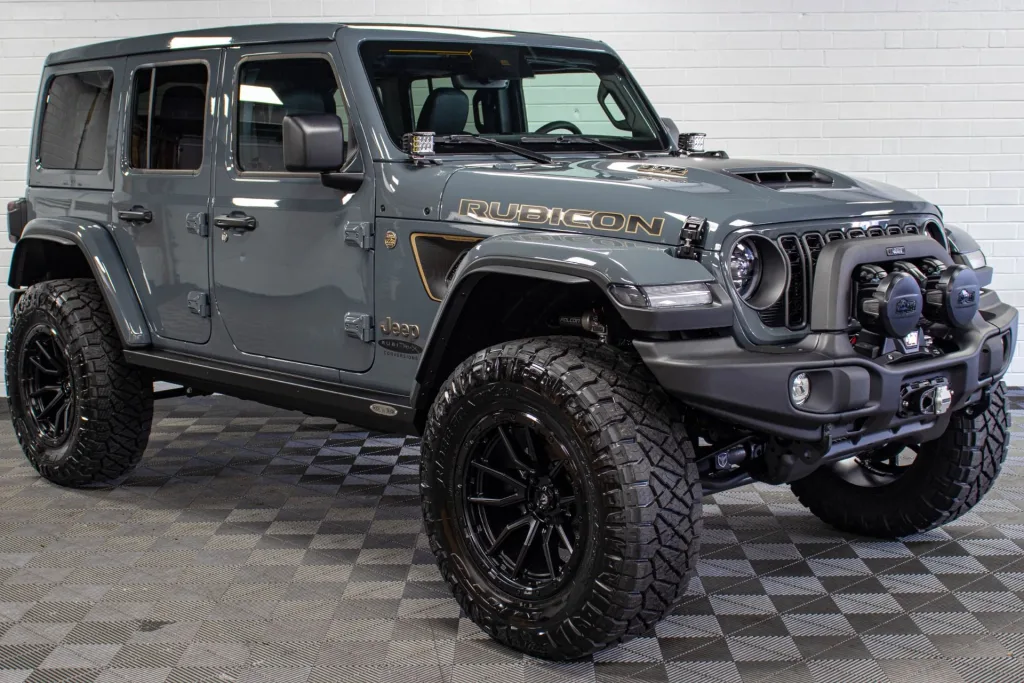
gray rubicon

​The word Rubicon carries a weight much larger than its size might suggest. Let's define Rubicon​, from a small river in Italy to a powerful symbol in everyday language, and even into the world of automobiles, Rubicon has traveled a remarkable path through history, language, and culture.
- Jeep Rubicon for sale near me
This article explores in detail: what Rubicon means, where it came from, and why it remains such a powerful term today.


What Is the Rubicon?

At its most literal, the Rubicon was, and still is, a small river in northeastern Italy. In the era of the Roman Republic (around the 1st century B.C.), it marked the boundary between the Roman province of Cisalpine Gaul (northern Italy) and the official territory of Rome itself.

Under Roman law, no general was permitted to cross the Rubicon River with a standing army. Doing so would be considered an act of treason and direct war against the Roman Senate and the people of Rome.

Thus, the Rubicon wasn't just a river — it was a legal and political line that no military leader was allowed to cross without catastrophic consequences.


Julius Caesar and the Rubicon

The Rubicon became immortalized in 49 B.C., when Gaius Julius Caesar, then governor of Gaul, faced a fateful decision.
The Senate, fearing his growing power, had ordered him to disband his army and return to Rome as a private citizen. Instead of obeying, Caesar marched his legion southward — and when he crossed the Rubicon River with his forces, he deliberately defied Roman law.

According to historical accounts, as he crossed, Caesar uttered the phrase:
"Alea iacta est" — "The die is cast."

By crossing the Rubicon, Caesar committed himself to civil war. There was no turning back.
This singular moment would forever associate "crossing the Rubicon" with making an irreversible, bold decision — one that commits a person to a specific course of action, regardless of the risks.

EventDateImportance
Julius Caesar crosses the Rubicon River49 B.C.Defies Roman law, starts Roman Civil War
Famous quote"The die is cast"Signaling a decisive, irreversible action

Modern Meaning of Rubicon

Today, the word Rubicon is used figuratively in English and other languages. It symbolizes:

  • A point of no return.
    Once a Rubicon is crossed, you cannot go back.
  • Making a bold, irreversible decision.
    Crossing your Rubicon often involves risk, uncertainty, and major consequences.

Example in sentences:

  • "After quitting my stable job to start a business, I had crossed my Rubicon."
  • "The company crossed its Rubicon when it decided to enter the international market."

Thus, even 2,000 years later, the idea of the Rubicon still resonates whenever someone must make a life-altering choice.

TermModern Definition
RubiconA decisive boundary; an irreversible point of no return

Rubicon in Culture and Media

Because of its powerful meaning, the term Rubicon often appears in literature, film, politics, and even business discussions.

  • Politics: Leaders often speak of "crossing the Rubicon" when describing a controversial or risky decision.
  • Business: Companies use the metaphor when they pivot strategies, launch new ventures, or enter high-risk markets.
  • Movies and Television: The Rubicon concept is featured in various thrillers and dramas that deal with irreversible choices and high-stakes scenarios.

Its symbolic meaning has remained strong because everyone — from emperors to entrepreneurs — faces moments when they must make an irreversible leap.


Rubicon and Jeep: A New Evolution

The meaning of Rubicon took a fascinating new turn when Jeep adopted the name for its ultimate off-road machine: the Jeep Wrangler Rubicon.

Introduced in 2003, the Jeep Rubicon was built to dominate the most grueling off-road trails in the world — including the actual Rubicon Trail in the Sierra Nevada mountains of California, one of the toughest off-road trails on the planet.

In this context, Rubicon represents:

  • A commitment to adventure
  • A decisive move toward rugged exploration
  • Crossing into untamed territory with no intention of turning back

Thus, when a driver chooses a Rubicon Jeep, they symbolically cross their own Rubicon: leaving behind comfort zones for adventure, challenge, and freedom.

Jeep RubiconMeaning
ModelJeep's most capable off-road Wrangler trim
SymbolismCommitment to extreme adventure and off-road mastery
InspirationNamed after the Rubicon Trail and Roman historical meaning

Summary: What Does Rubicon Mean?

To summarize:

  • Rubicon was originally the name of a small river in Italy.
  • Julius Caesar's crossing of the Rubicon marked an irreversible act of defiance, leading to civil war.
  • Today, "crossing the Rubicon" symbolizes reaching a point where one must fully commit and accept the consequences.
  • In modern culture, Rubicon is synonymous with decisive, bold moves — whether in personal life, politics, business, or exploration.
  • The Jeep Wrangler Rubicon uses the name to embody the spirit of bold, unstoppable adventure.
RubiconSummary
Literal MeaningRiver in Italy
Historical EventCaesar's irreversible march in 49 B.C.
Modern UsePoint of no return; bold, irreversible decision
Jeep ConnectionSymbol of extreme off-road capability

Final Thought

Rubicon is far more than a simple geographical term. It’s an idea — one that captures the spirit of human courage, determination, and action in the face of uncertainty.
Whether spoken in boardrooms, battlefields, or rugged mountain trails, Rubicon remains a timeless metaphor for boldness and irreversible change.

When you cross your Rubicon, you aren’t just making a choice.
You’re making history — your own.
Posted in:

Related Posts

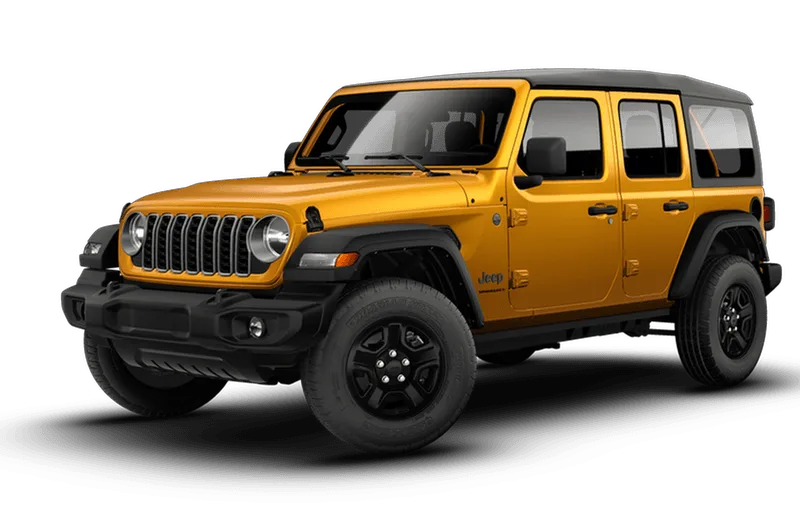
CC26_JLJL74_2TB_PYC_APA_XXX_XXX_XXX.44595767d2e79008ad8cdbe55f250a44

How much do you have to pay a month for a Jeep Wrangler?

How Much Do You Have to Pay a Month for a Jeep Wrangler? A Jeep Wrangler monthly payment usually ranges from about $575 to $1,100+ per month, depending on the price, down payment, credit score, interest rate, loan term, taxes, fees, and trim. The simple answer is this: a lower-trim Jeep Wrangler Sport may land around $600 to $750 per month with normal financing, while a Wrangler Willys, Sahara, Rubicon, 4xe, or 392 can easily push payments into the $800 to $1,200+ range. Jeep lists the 2026 Wrangler starting at $36,035 MSRP, while higher trims like Sahara, Rubicon, and Rubicon X start much higher. Jeep Wrangler Quick Monthly Payment Estimate Here is a realistic estimate using a 72-month loan, about 7% APR, and roughly estimated taxes and fees. Actual payments can be higher or lower. $36,000 Wrangler: about $615 to $700/month $45,000 Wrangler: about $760 to $875/month $55,000 Wrangler: about $930 to $1,070/month $65,000 Wrangler: about $1,100 to $1,260/month $75,000+ Wrangler 392: about $1,275 to $1,500+/month This assumes little to moderate money down. A larger down payment or trade-in can lower the payment. A higher APR can raise it fast. Wrangler Price by Trim Jeep’s official 2026 Wrangler page lists starting MSRPs such as: Sport: from $36,035 Sport S: from $39,685 Willys: from $43,755 Sahara: from $48,910 Rubicon: from $45,815 Rubicon X: from $55,765 Jeep Wrangler Those are starting prices before taxes, registration, dealer fees, accessories, packages, and finance charges. A real Wrangler on the lot can cost much more once options are added. What Affects Your Jeep Wrangler Payment? The biggest factors are: Vehicle price: A Rubicon costs much more per month than a Sport. Down payment: More money down lowers the amount financed. Trade-in equity: Positive equity can reduce your payment. Credit score: Better credit usually means a lower APR. Loan term: Longer terms lower monthly payments but increase total interest. Taxes and fees: California taxes and registration can add thousands to the financed amount. Add-ons: Warranties, protection products, accessories, and lift packages can raise the payment. New vs Used Wrangler Monthly Payment A used Wrangler may not always be dramatically cheaper because Wranglers hold value well. A clean used Wrangler can still have a strong price, especially if it is a Rubicon, Willys, 4xe, or low-mileage Unlimited. That said, used can still be the better monthly-payment move if you choose the right year, mileage, and trim. For LA and Simi Valley shoppers, compare used Jeep inventory against new Jeep inventory before deciding. Sometimes the new-car incentives make a new Wrangler closer in payment than expected. Best Way to Lower the Payment The cleanest ways to lower a Wrangler payment are: Choose a lower trim like Sport, Sport S, or Willys. Put more money down. Use trade-in equity. Improve credit before applying. Avoid unnecessary add-ons. Compare new and used options. Choose a realistic loan term. A longer loan can make the payment look easier, but do not stretch the term too far just to afford a higher trim. The total cost matters. Final Answer Most Jeep Wrangler payments fall around $600 to $1,100 per month. A basic Wrangler Sport may be close to $600 to $750/month with typical financing. A Wrangler Willys, Sahara, Rubicon, or 4xe may be closer to $800 to $1,100/month. A Wrangler 392 or heavily optioned model can go well above $1,200/month. The only accurate number comes from the exact Wrangler, your credit, down payment, trade value, taxes, fees, and approved APR.

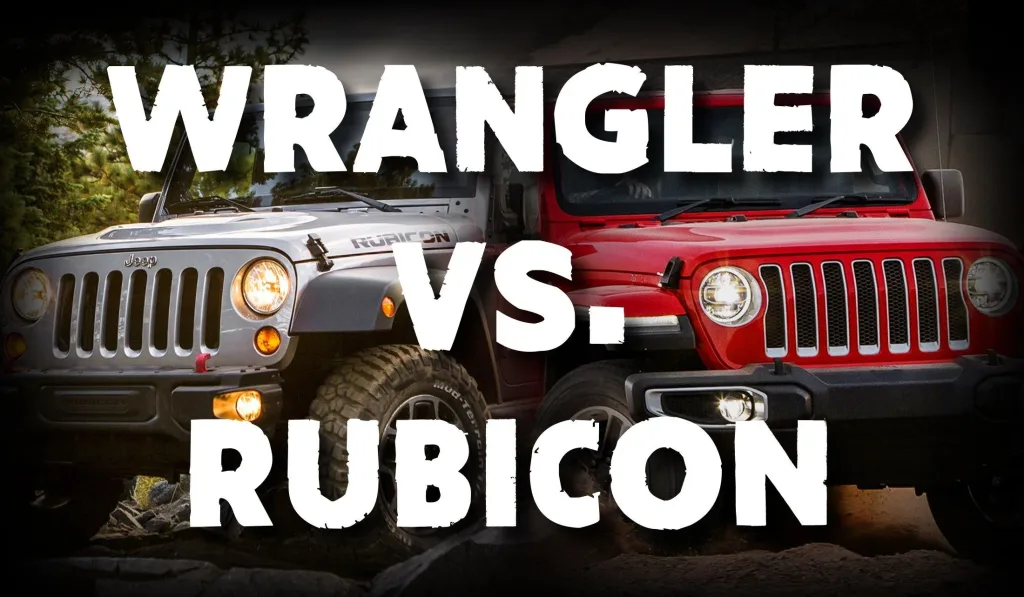
wrangler vs rubicon

Which Jeep is better, Rubicon or Wrangler?

Which Jeep is better, Rubicon or Wrangler? Which Jeep Is Better, Rubicon or Wrangler? The better choice depends on what you mean, because Rubicon is not a separate model from Wrangler. The Jeep Wrangler Rubicon is a trim level of the Jeep Wrangler. The simple answer is this: if you want the best Jeep for serious off-roading, the Rubicon is better. If you want the best Jeep for daily driving, price, comfort, or basic adventure use, another Wrangler trim may be better. A Wrangler Sport, Sport S, Willys, Sahara, or Rubicon all belong to the Wrangler family. The Rubicon is the factory-built trail specialist. Rubicon vs Wrangler: What’s the Difference? A Jeep Wrangler is the model. Rubicon is one version of it. Think of it like this: A Wrangler is the SUV. A Rubicon is the most off-road-focused Wrangler trim. The Wrangler lineup gives you the classic Jeep formula: removable roof, removable doors, available 4x4, rugged styling, and strong off-road heritage. The Rubicon takes that formula and adds hardware designed for more difficult trails. Jeep positions the Wrangler as its open-air 4x4 SUV, while Jeep Canada explains that the Rubicon’s Rock-Trac 4x4 system is built around a heavy-duty transfer case with a 4:1 low-range gear ratio for more controlled off-road torque. Why the Rubicon Is Better Off-Road The Rubicon is better off-road because it comes with equipment that standard Wrangler trims may not have. Depending on model year, a Rubicon can include: Tru-Lok electronic locking differentials. Rock-Trac 4x4 system. Lower crawl gearing. Heavy-duty axles. Electronic front sway bar disconnect. Rock rails. More aggressive off-road tires. Stronger trail protection. That equipment matters when you are climbing rocks, driving through ruts, crossing uneven ground, or crawling slowly over technical terrain. Stellantis has described Rubicon models with Rock-Trac 4x4, a 4:1 low-range ratio, Tru-Lok locking differentials, skid plates, and rear tow hooks as part of the Wrangler’s trail-focused capability. Why a Regular Wrangler May Be Better A regular Wrangler trim may be better if you do not need hardcore off-road equipment. For most people, a Wrangler Sport, Sport S, Willys, or Sahara is already capable enough for snow, dirt roads, camping trails, beach driving, light off-roading, and everyday adventure use. The Rubicon costs more because you are paying for serious trail hardware. If you never use lockers, sway bar disconnect, low-range crawl gearing, or rock rails, you may be spending money on features you do not need. For daily use, a Sahara or Sport S may make more sense because it can feel more practical, less expensive, and easier to live with. Rubicon vs Wrangler Sport The Wrangler Sport is usually the basic Wrangler. The Rubicon is the serious off-road Wrangler. Choose the Wrangler Sport if you want the lowest price, classic Jeep style, and a blank canvas for upgrades. Choose the Rubicon if you want factory off-road capability without building the Jeep yourself. The Sport is a good choice for daily driving and light trails. The Rubicon is the better choice for rock crawling and technical off-road driving. Rubicon vs Wrangler Sahara The Sahara is the comfort-focused Wrangler. The Rubicon is the trail-focused Wrangler. Choose the Sahara if you want a nicer daily driver, more comfort features, a polished look, and good road manners. Choose the Rubicon if you care more about off-road hardware than road comfort. A Sahara is better for pavement-heavy driving. A Rubicon is better for trail-heavy driving. Is the Rubicon Worth the Extra Money? Yes, the Rubicon is worth it if you actually use what it gives you. If you go off-road often, drive difficult trails, want stronger factory hardware, or plan to keep the Jeep long term, the Rubicon makes sense. It can also hold value well because off-road buyers recognize the equipment. If you mostly drive to work, run errands, and occasionally hit a gravel road, the Rubicon may be more Jeep than you need. For local shoppers, compare used Jeep inventory by trim, mileage, modifications, and service history. If you want newer Wrangler options with warranty coverage, check current new Jeep inventory. Final Answer: Which One Is Better? The Rubicon is the better Wrangler for serious off-roading. A regular Wrangler is better for buyers who want lower cost, daily comfort, and casual adventure capability. So the real answer is: Buy the Rubicon if you want the toughest factory trail setup. Buy another Wrangler trim if you want the Jeep look, open-air freedom, and 4x4 capability without paying extra for hardcore off-road equipment.

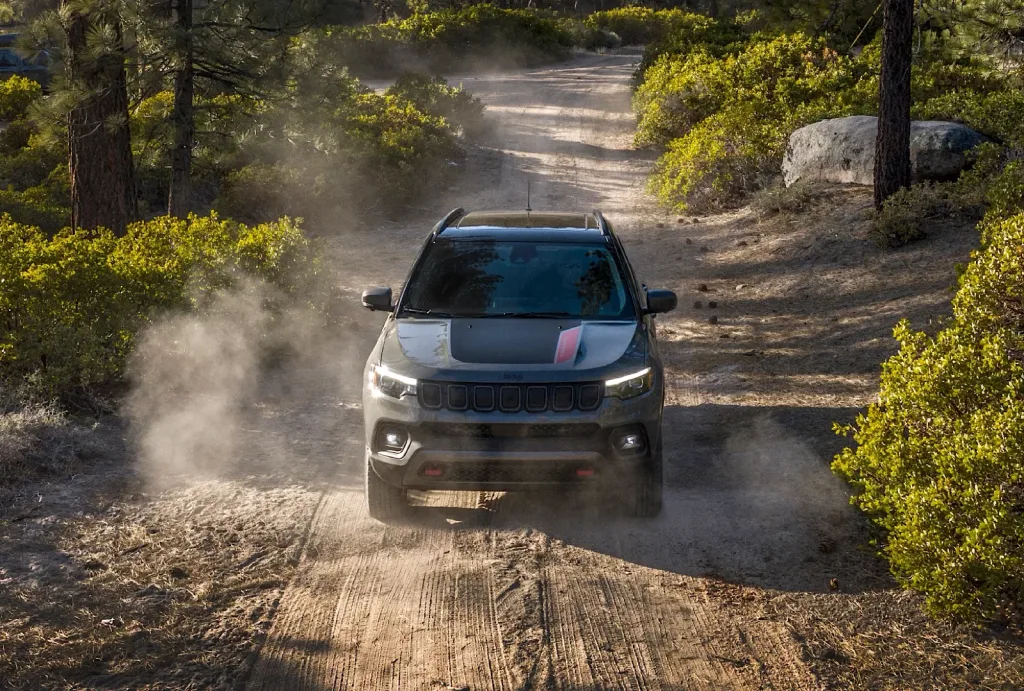
Jeep Compass 24

Jeep Compass Reliability

Jeep Compass Reliability The Jeep Compass is reasonably reliable, but it is not the top reliability pick in the compact SUV class. The simple answer is this: newer Jeep Compass models are generally average to slightly above average for reliability, while older Compass years, especially early first-generation models and some 2018 to 2020 models, need more careful inspection. RepairPal gives the Jeep Compass a 4.0 out of 5.0 reliability rating, ranking it 11th out of 26 compact SUVs, with an average annual repair cost of $526. J.D. Power gives the 2024 Compass a Quality & Reliability score of 81/100, while Consumer Reports describes the 2025 Compass as having about average reliability compared with other vehicles from the same model year. Is the Jeep Compass Reliable? Yes, the Jeep Compass can be reliable if it is maintained properly and you choose the right model year. It is not as proven as some compact SUVs like the Toyota RAV4, Honda CR-V, Mazda CX-5, or Subaru Forester, but it is also not a vehicle you should automatically avoid. The Compass makes the most sense for buyers who want Jeep styling, available 4x4 capability, compact size, and a lower price than larger Jeep models. The key is choosing carefully. A clean, newer Compass with service records is much safer than an older, neglected one with warning lights, transmission issues, or poor maintenance history. Best Jeep Compass Years for Reliability The safer Jeep Compass years are generally the newer models, especially 2021, 2022, 2023, 2024, and 2025. The 2024 and 2025 models are especially worth considering because they benefit from the newer 2.0L turbo engine and updated packaging. The 2024 Compass also earns a strong J.D. Power Quality & Reliability score of 81/100, which puts it in the “Great” range by J.D. Power’s scoring system. J.D. Power For used buyers, a 2021 to 2024 Compass with clean history, good maintenance records, no open recalls, and no transmission complaints is usually the best target. Jeep Compass Years to Be Careful With Be more careful with early Compass models and some 2018 to 2020 examples. CarComplaints lists 2007 as the worst Compass model year overall, with engine problems being the worst problem category. It also notes that the worst Compass years for engine complaints include 2018, 2016, and 2007. CarComplaints engine problems That does not mean every Compass from those years is bad. It means you should inspect them more carefully and avoid examples with poor service records, oil consumption issues, overheating history, rough shifting, stalling complaints, or unresolved recalls. Common Jeep Compass Problems Common Jeep Compass problems can include engine complaints, electrical issues, transmission concerns, infotainment glitches, suspension wear, and occasional oil or coolant-related problems depending on year. Some older models have more complaints than newer ones. Certain 2019 and 2020 Compass SUVs were also investigated for engine shutdown complaints. The Associated Press reported that NHTSA closed its investigation without a recall after finding the failure rate was low and that affected vehicles could usually be restarted immediately. AP News That kind of history is why a pre-purchase inspection matters, especially on used Compass models from the late 2010s. Is the Newer 2.0L Turbo Compass Better? The newer 2.0L turbocharged Compass is stronger and more competitive than the older 2.4L Compass. The old 2.4L engine was serviceable, but it was not especially exciting. The newer turbo engine gives the Compass better power and a more modern driving feel. Reliability data is still developing, but early ratings for recent Compass years are generally average to good, not alarming. If you are shopping newer, the 2024 or 2025 Compass is more appealing than many older versions because it feels more modern, quicker, and better equipped. Jeep Compass Maintenance Cost The Compass is not extremely expensive to maintain. RepairPal lists the average annual repair cost at $526, which is lower than many vehicles and reasonable for a compact SUV. RepairPal Normal ownership costs include oil changes, tires, brakes, battery, filters, fluids, wheel alignments, spark plugs, and occasional suspension or electrical repairs. Four-wheel-drive models may also need transfer case, rear differential, or drivetrain fluid service depending on use. The Compass is cheaper to maintain than a Wrangler or Grand Cherokee, but it still needs regular service. Is the Jeep Compass Good for High Mileage? A Jeep Compass can reach high mileage if maintained well, but it is not the compact SUV I would buy blindly at high mileage. A well-kept Compass can last 150,000 miles or more, but condition matters heavily. If the vehicle has skipped oil changes, transmission issues, coolant problems, electrical faults, or a rough idle, walk away. For high-mileage Compass shopping, focus on: Service records. Clean title. No overheating history. Smooth transmission behavior. No warning lights. No major oil leaks. Good tire wear. Completed recalls. Clean underbody. A cheaper Compass with poor maintenance is not a good deal. Jeep Compass vs Other Compact SUVs The Compass is better for buyers who want Jeep styling, available 4x4, and a compact SUV with rugged design cues. It is not the best choice if reliability is your only priority. A Toyota RAV4, Honda CR-V, Mazda CX-5, or Subaru Forester may be stronger choices for long-term dependability and resale value. But the Compass has its own appeal. It is smaller than the Grand Cherokee, more affordable than a Wrangler, easier to park than a Gladiator, and more Jeep-like than many regular crossovers. Used Jeep Compass Buying Tips Before buying a used Compass, check the VIN for recalls on the NHTSA recall lookup. NHTSA says recalls are issued when a manufacturer or NHTSA determines that a vehicle or equipment creates an unreasonable safety risk or fails to meet minimum safety standards. NHTSA Also test drive it carefully. Make sure the engine starts cleanly, idles smoothly, shifts properly, tracks straight, brakes evenly, and has no warning lights. Test the infotainment system, backup camera, heat, A/C, 4x4 system if equipped, and all power features. For local shoppers, compare available used Jeep inventory by year, trim, mileage, service history, and condition. If you want a newer Compass with warranty coverage, check current new Jeep inventory. Final Verdict: Is the Jeep Compass Reliable? The Jeep Compass is average to good for reliability, depending on year and condition. The best Compass models to buy are newer examples from 2021 to 2025, especially clean 2024 and 2025 models with warranty coverage and service records. Be more careful with older Compass years, especially 2007, 2016, 2018, 2019, and 2020, because complaint history and age-related issues become more important. The expert answer is simple: a newer, well-maintained Jeep Compass can be a solid compact SUV, but it is not the class leader for reliability. Buy based on condition, service history, recalls, and model year, not the Jeep badge alone.