Simi Valley Chrysler Dodge Jeep Ram

Blog / Jeep

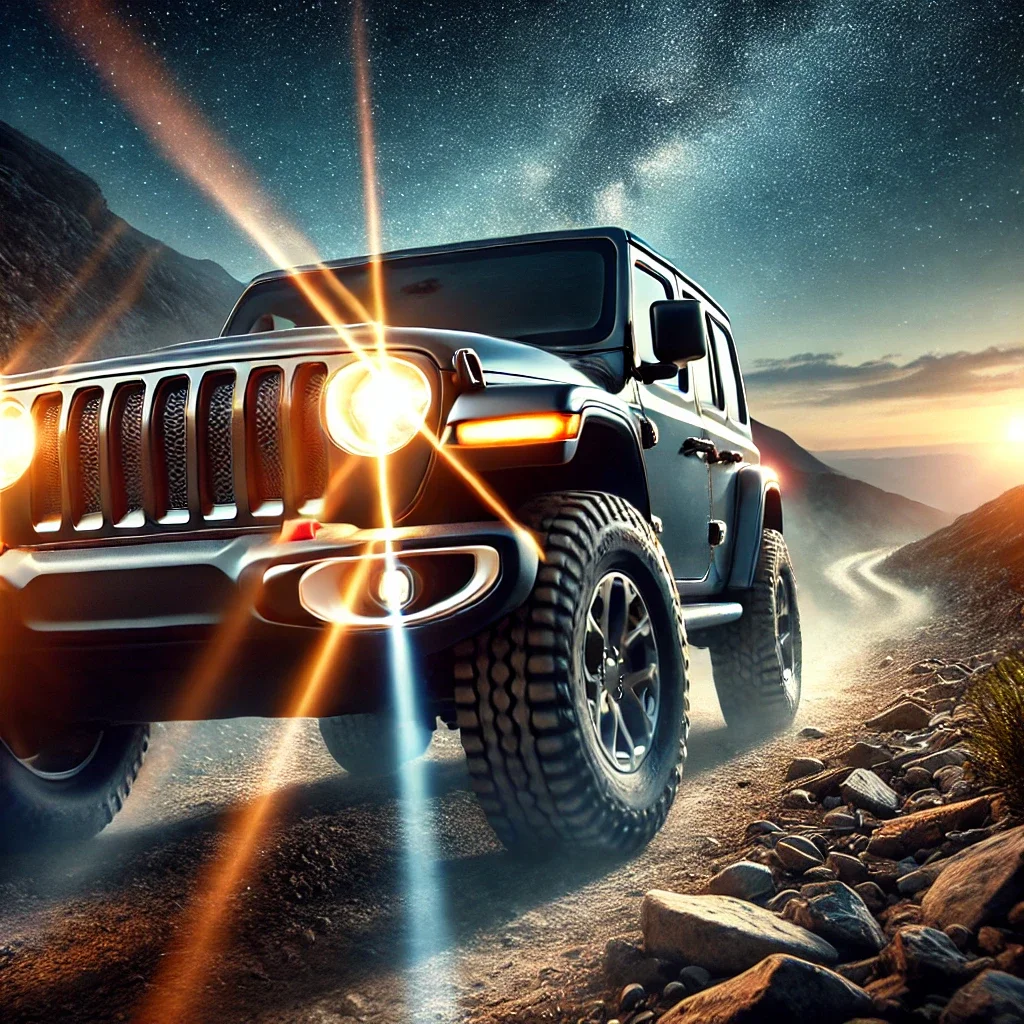
Jeep Wrangler Headlights: Illuminate Your Adventure

Jeep Wrangler Headlights

The Jeep Wrangler is renowned for its rugged durability and exceptional off-road capabilities, traits that make it a favorite among outdoor enthusiasts and adventure seekers. Yet, an often overlooked but equally crucial aspect of this iconic vehicle is its headlights. In the world of off-roading and rugged terrain exploration, visibility can mean the difference between a successful excursion and an unsafe situation. Jeep Wrangler headlights play a vital role in ensuring drivers can navigate safely in a variety of conditions, whether cruising city streets at night, traversing remote trails after sunset, or confronting challenging weather conditions like fog and heavy rain.

Effective lighting is not just a matter of convenience; it's a fundamental safety feature. For Jeep Wrangler owners, who frequently push their vehicles to the limits in less-than-ideal lighting conditions, the importance of having robust and reliable headlights cannot be overstated. This blog post is dedicated to unpacking the nuances of Jeep Wrangler headlights. We will explore the different types available, from halogen to LED and HID, discuss what makes each option suitable for various driving needs, and provide insightful tips on how to choose, upgrade, and maintain headlights to enhance both performance and style. Whether you’re looking to replace aging bulbs, upgrade for enhanced brightness and visibility, or simply add a personalized touch to your vehicle’s appearance, understanding the specifics of Jeep Wrangler headlights is the first step towards optimizing your driving experience for safety and efficiency.

Understanding the Basics: Jeep Wrangler Headlight Types

Jeep Wranglers typically come equipped with halogen headlights, but many owners opt to upgrade to either LED or HID (High-Intensity Discharge) options for improved visibility and efficiency. Here's a breakdown of the three main types of headlights you'll find in Jeep Wranglers:

Halogen

  • Pros: Cost-effective, easy to replace, and provide decent visibility.
  • Cons: Shorter lifespan and less efficient in terms of brightness and energy consumption compared to LEDs and HIDs.

LED (Light Emitting Diode)

  • Pros: Highly energy-efficient, very long lifespan, and provides excellent visibility with a clean, white light.
  • Cons: More expensive upfront, but cost savings in the long run due to lower energy use and less frequent replacements.

HID (High-Intensity Discharge)

  • Pros: Produce a bright light that's closer to natural daylight than halogen bulbs and are more energy-efficient than halogens.
  • Cons: Can be more expensive than LEDs and halogens, and installation might require some modifications to your Jeep.

Choosing the Right Headlights for Your Jeep Wrangler

When deciding which headlights to install in your Jeep Wrangler, consider the following factors:

  • Visibility Needs: How and where do you use your Jeep? If you frequently drive at night or in challenging weather conditions, brighter LEDs or HIDs might be a better choice.
  • Budget: Determine how much you are willing to spend. While LEDs and HIDs have a higher upfront cost, their longer lifespan and energy efficiency can provide savings over time.
  • Aesthetics: Headlights significantly affect the appearance of your Jeep. LEDs offer a modern look, while HIDs can give it a high-performance edge.
  • Legal Requirements: Check local regulations regarding headlight types. Some regions have specific rules about the brightness and the type of headlights allowed.

Upgrading Your Jeep Wrangler Headlights

Upgrading the headlights on your Jeep Wrangler can enhance both the vehicle's functionality and its look. Here’s how to go about it:

Step-by-Step Installation Guide

  1. Choose Your Headlights: Select the type based on your needs and budget.
  2. Gather Tools: Typically, you'll need basic hand tools like screwdrivers and possibly a torque wrench.
  3. Remove the Old Headlights: This usually involves unscrewing the housing and disconnecting the power connector.
  4. Install the New Headlights: Connect the new headlights to the power source, secure them in place, and ensure they are aligned properly.
  5. Test Your Headlights: Make sure they are working correctly and adjust the beam angles for optimal visibility and to avoid blinding other drivers.

Professional Installation

If you're not comfortable doing the installation yourself, it’s wise to hire a professional. This ensures that your headlights are installed correctly and safely, avoiding any potential issues down the road.

Maintaining Your Jeep Wrangler Headlights

Maintaining your headlights should be an essential part of your regular vehicle care routine, as they play a pivotal role in ensuring safety and visibility on the road. Whether you’re driving through dimly lit streets, navigating through heavy rain or fog, or tackling off-road adventures in challenging terrain, your headlights are your first line of defense against potential hazards. Well-maintained headlights not only illuminate the path ahead but also make your vehicle more visible to others, reducing the risk of accidents in low-light or adverse weather conditions. Neglecting their upkeep can lead to dim or misaligned lights, which compromise your ability to see and react to obstacles or changes in road conditions, making regular maintenance crucial for both safety and efficiency. By prioritizing headlight care, you ensure a safer and more reliable driving experience every time you hit the road.

Regular Cleaning

Over time, headlights can become clouded with dirt, dust, and road grime, significantly reducing their effectiveness. Regular cleaning of the headlight lenses can prevent buildup and ensure maximum light output. Use a quality cleaner designed for headlight lenses to remove debris without scratching or damaging the surface. For deeper cleans, especially if the headlights show signs of yellowing or oxidation, consider using a headlight restoration kit or professional service to bring back clarity.

Routine Bulb Checks and Replacement

Headlight bulbs can burn out or diminish in intensity over time, so it’s important to check them regularly for signs of wear or failure. Keeping an eye on the brightness of your headlights can help you determine when they need to be replaced. For vehicles equipped with halogen bulbs, replacements might be needed more frequently compared to those with longer-lasting LED or HID bulbs. Always replace headlights in pairs to ensure balanced visibility.

Proper Alignment

Misaligned headlights can impair your vision and potentially blind oncoming drivers. Headlights can become misaligned from impacts, vibrations, or even just the wear and tear of regular driving. Check the alignment of your headlights if you notice uneven lighting on the road or if your vehicle has been involved in an accident. You can adjust most headlights yourself using simple tools and following the manufacturer’s guidelines, or you can opt for a professional alignment to ensure accuracy.

Protective Measures

Consider applying a UV-resistant sealant to your headlight lenses to protect them from sun damage and oxidation. This can extend the life of the lens and maintain clarity. Additionally, installing grille guards or headlight guards can protect your headlights from physical impacts, which is especially useful for off-road driving where the risk of debris and minor collisions is higher.

By adopting these maintenance practices, you ensure that your Jeep Wrangler’s headlights remain in optimal condition, providing you with the best possible visibility in all conditions. Regular attention not only enhances your nighttime driving experience but also maintains the overall aesthetic appeal of your Jeep, keeping it looking sharp and functioning well.

Conclusion

Upgrading your Jeep Wrangler's headlights can significantly enhance your driving experience by improving both visibility and safety, especially during nighttime driving or in adverse weather conditions. Choosing the right type of headlights—whether LEDs for their efficiency and longevity, HIDs for their powerful illumination, or standard halogens for their cost-effectiveness—plays a crucial role in enhancing your vehicle's performance. Each option offers unique benefits, such as LEDs' energy efficiency and long lifespan, HIDs' intense brightness which is ideal for rural and off-road environments, and halogens' straightforward replacement and affordability.

Aside from boosting safety, upgrading your headlights also refreshes your Jeep’s appearance, adding a sleek, modern look that can increase its aesthetic appeal and potentially its resale value. To get started, assess your specific driving conditions and needs, then explore the various headlight options available at your local Jeep accessories store or consult with a professional for tailored advice. This upgrade is not just about achieving a stylish look—it’s about making a smart investment in your Jeep’s functionality and your own safety on the road.

Illuminate your adventures with the right Jeep Wrangler headlights and turn the night into day as you explore the world in your rugged ride!
Posted in:

Related Posts

CC26_JLJL74_2TB_PYC_APA_XXX_XXX_XXX.44595767d2e79008ad8cdbe55f250a44

How much do you have to pay a month for a Jeep Wrangler?

How Much Do You Have to Pay a Month for a Jeep Wrangler? A Jeep Wrangler monthly payment usually ranges from about $575 to $1,100+ per month, depending on the price, down payment, credit score, interest rate, loan term, taxes, fees, and trim. The simple answer is this: a lower-trim Jeep Wrangler Sport may land around $600 to $750 per month with normal financing, while a Wrangler Willys, Sahara, Rubicon, 4xe, or 392 can easily push payments into the $800 to $1,200+ range. Jeep lists the 2026 Wrangler starting at $36,035 MSRP, while higher trims like Sahara, Rubicon, and Rubicon X start much higher. Jeep Wrangler Quick Monthly Payment Estimate Here is a realistic estimate using a 72-month loan, about 7% APR, and roughly estimated taxes and fees. Actual payments can be higher or lower. $36,000 Wrangler: about $615 to $700/month $45,000 Wrangler: about $760 to $875/month $55,000 Wrangler: about $930 to $1,070/month $65,000 Wrangler: about $1,100 to $1,260/month $75,000+ Wrangler 392: about $1,275 to $1,500+/month This assumes little to moderate money down. A larger down payment or trade-in can lower the payment. A higher APR can raise it fast. Wrangler Price by Trim Jeep’s official 2026 Wrangler page lists starting MSRPs such as: Sport: from $36,035 Sport S: from $39,685 Willys: from $43,755 Sahara: from $48,910 Rubicon: from $45,815 Rubicon X: from $55,765 Jeep Wrangler Those are starting prices before taxes, registration, dealer fees, accessories, packages, and finance charges. A real Wrangler on the lot can cost much more once options are added. What Affects Your Jeep Wrangler Payment? The biggest factors are: Vehicle price: A Rubicon costs much more per month than a Sport. Down payment: More money down lowers the amount financed. Trade-in equity: Positive equity can reduce your payment. Credit score: Better credit usually means a lower APR. Loan term: Longer terms lower monthly payments but increase total interest. Taxes and fees: California taxes and registration can add thousands to the financed amount. Add-ons: Warranties, protection products, accessories, and lift packages can raise the payment. New vs Used Wrangler Monthly Payment A used Wrangler may not always be dramatically cheaper because Wranglers hold value well. A clean used Wrangler can still have a strong price, especially if it is a Rubicon, Willys, 4xe, or low-mileage Unlimited. That said, used can still be the better monthly-payment move if you choose the right year, mileage, and trim. For LA and Simi Valley shoppers, compare used Jeep inventory against new Jeep inventory before deciding. Sometimes the new-car incentives make a new Wrangler closer in payment than expected. Best Way to Lower the Payment The cleanest ways to lower a Wrangler payment are: Choose a lower trim like Sport, Sport S, or Willys. Put more money down. Use trade-in equity. Improve credit before applying. Avoid unnecessary add-ons. Compare new and used options. Choose a realistic loan term. A longer loan can make the payment look easier, but do not stretch the term too far just to afford a higher trim. The total cost matters. Final Answer Most Jeep Wrangler payments fall around $600 to $1,100 per month. A basic Wrangler Sport may be close to $600 to $750/month with typical financing. A Wrangler Willys, Sahara, Rubicon, or 4xe may be closer to $800 to $1,100/month. A Wrangler 392 or heavily optioned model can go well above $1,200/month. The only accurate number comes from the exact Wrangler, your credit, down payment, trade value, taxes, fees, and approved APR.

wrangler vs rubicon

Which Jeep is better, Rubicon or Wrangler?

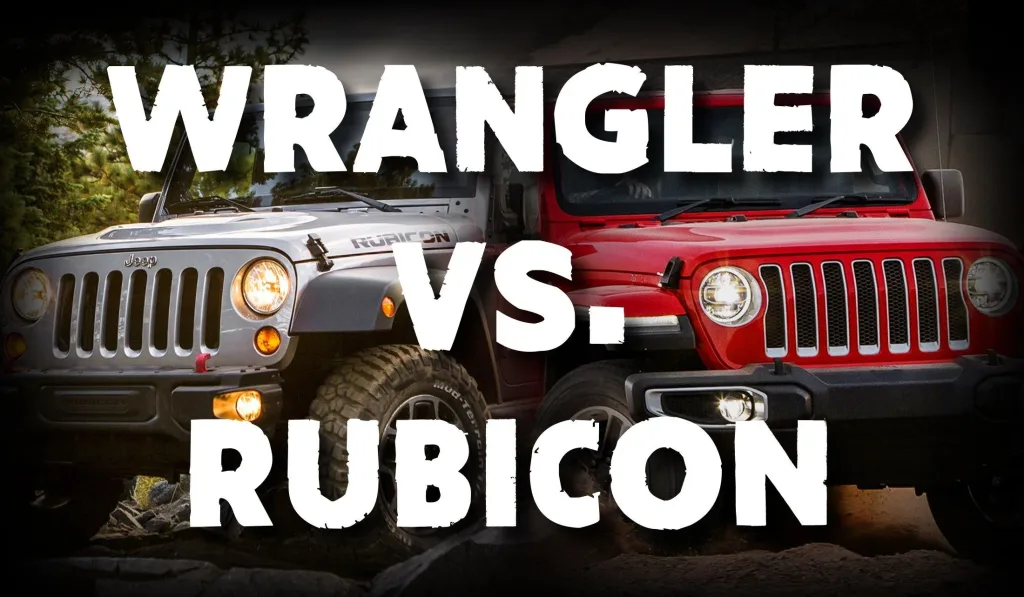
Which Jeep is better, Rubicon or Wrangler? Which Jeep Is Better, Rubicon or Wrangler? The better choice depends on what you mean, because Rubicon is not a separate model from Wrangler. The Jeep Wrangler Rubicon is a trim level of the Jeep Wrangler. The simple answer is this: if you want the best Jeep for serious off-roading, the Rubicon is better. If you want the best Jeep for daily driving, price, comfort, or basic adventure use, another Wrangler trim may be better. A Wrangler Sport, Sport S, Willys, Sahara, or Rubicon all belong to the Wrangler family. The Rubicon is the factory-built trail specialist. Rubicon vs Wrangler: What’s the Difference? A Jeep Wrangler is the model. Rubicon is one version of it. Think of it like this: A Wrangler is the SUV. A Rubicon is the most off-road-focused Wrangler trim. The Wrangler lineup gives you the classic Jeep formula: removable roof, removable doors, available 4x4, rugged styling, and strong off-road heritage. The Rubicon takes that formula and adds hardware designed for more difficult trails. Jeep positions the Wrangler as its open-air 4x4 SUV, while Jeep Canada explains that the Rubicon’s Rock-Trac 4x4 system is built around a heavy-duty transfer case with a 4:1 low-range gear ratio for more controlled off-road torque. Why the Rubicon Is Better Off-Road The Rubicon is better off-road because it comes with equipment that standard Wrangler trims may not have. Depending on model year, a Rubicon can include: Tru-Lok electronic locking differentials. Rock-Trac 4x4 system. Lower crawl gearing. Heavy-duty axles. Electronic front sway bar disconnect. Rock rails. More aggressive off-road tires. Stronger trail protection. That equipment matters when you are climbing rocks, driving through ruts, crossing uneven ground, or crawling slowly over technical terrain. Stellantis has described Rubicon models with Rock-Trac 4x4, a 4:1 low-range ratio, Tru-Lok locking differentials, skid plates, and rear tow hooks as part of the Wrangler’s trail-focused capability. Why a Regular Wrangler May Be Better A regular Wrangler trim may be better if you do not need hardcore off-road equipment. For most people, a Wrangler Sport, Sport S, Willys, or Sahara is already capable enough for snow, dirt roads, camping trails, beach driving, light off-roading, and everyday adventure use. The Rubicon costs more because you are paying for serious trail hardware. If you never use lockers, sway bar disconnect, low-range crawl gearing, or rock rails, you may be spending money on features you do not need. For daily use, a Sahara or Sport S may make more sense because it can feel more practical, less expensive, and easier to live with. Rubicon vs Wrangler Sport The Wrangler Sport is usually the basic Wrangler. The Rubicon is the serious off-road Wrangler. Choose the Wrangler Sport if you want the lowest price, classic Jeep style, and a blank canvas for upgrades. Choose the Rubicon if you want factory off-road capability without building the Jeep yourself. The Sport is a good choice for daily driving and light trails. The Rubicon is the better choice for rock crawling and technical off-road driving. Rubicon vs Wrangler Sahara The Sahara is the comfort-focused Wrangler. The Rubicon is the trail-focused Wrangler. Choose the Sahara if you want a nicer daily driver, more comfort features, a polished look, and good road manners. Choose the Rubicon if you care more about off-road hardware than road comfort. A Sahara is better for pavement-heavy driving. A Rubicon is better for trail-heavy driving. Is the Rubicon Worth the Extra Money? Yes, the Rubicon is worth it if you actually use what it gives you. If you go off-road often, drive difficult trails, want stronger factory hardware, or plan to keep the Jeep long term, the Rubicon makes sense. It can also hold value well because off-road buyers recognize the equipment. If you mostly drive to work, run errands, and occasionally hit a gravel road, the Rubicon may be more Jeep than you need. For local shoppers, compare used Jeep inventory by trim, mileage, modifications, and service history. If you want newer Wrangler options with warranty coverage, check current new Jeep inventory. Final Answer: Which One Is Better? The Rubicon is the better Wrangler for serious off-roading. A regular Wrangler is better for buyers who want lower cost, daily comfort, and casual adventure capability. So the real answer is: Buy the Rubicon if you want the toughest factory trail setup. Buy another Wrangler trim if you want the Jeep look, open-air freedom, and 4x4 capability without paying extra for hardcore off-road equipment.

Jeep Compass 24

Jeep Compass Reliability

Jeep Compass Reliability The Jeep Compass is reasonably reliable, but it is not the top reliability pick in the compact SUV class. The simple answer is this: newer Jeep Compass models are generally average to slightly above average for reliability, while older Compass years, especially early first-generation models and some 2018 to 2020 models, need more careful inspection. RepairPal gives the Jeep Compass a 4.0 out of 5.0 reliability rating, ranking it 11th out of 26 compact SUVs, with an average annual repair cost of $526. J.D. Power gives the 2024 Compass a Quality & Reliability score of 81/100, while Consumer Reports describes the 2025 Compass as having about average reliability compared with other vehicles from the same model year. Is the Jeep Compass Reliable? Yes, the Jeep Compass can be reliable if it is maintained properly and you choose the right model year. It is not as proven as some compact SUVs like the Toyota RAV4, Honda CR-V, Mazda CX-5, or Subaru Forester, but it is also not a vehicle you should automatically avoid. The Compass makes the most sense for buyers who want Jeep styling, available 4x4 capability, compact size, and a lower price than larger Jeep models. The key is choosing carefully. A clean, newer Compass with service records is much safer than an older, neglected one with warning lights, transmission issues, or poor maintenance history. Best Jeep Compass Years for Reliability The safer Jeep Compass years are generally the newer models, especially 2021, 2022, 2023, 2024, and 2025. The 2024 and 2025 models are especially worth considering because they benefit from the newer 2.0L turbo engine and updated packaging. The 2024 Compass also earns a strong J.D. Power Quality & Reliability score of 81/100, which puts it in the “Great” range by J.D. Power’s scoring system. J.D. Power For used buyers, a 2021 to 2024 Compass with clean history, good maintenance records, no open recalls, and no transmission complaints is usually the best target. Jeep Compass Years to Be Careful With Be more careful with early Compass models and some 2018 to 2020 examples. CarComplaints lists 2007 as the worst Compass model year overall, with engine problems being the worst problem category. It also notes that the worst Compass years for engine complaints include 2018, 2016, and 2007. CarComplaints engine problems That does not mean every Compass from those years is bad. It means you should inspect them more carefully and avoid examples with poor service records, oil consumption issues, overheating history, rough shifting, stalling complaints, or unresolved recalls. Common Jeep Compass Problems Common Jeep Compass problems can include engine complaints, electrical issues, transmission concerns, infotainment glitches, suspension wear, and occasional oil or coolant-related problems depending on year. Some older models have more complaints than newer ones. Certain 2019 and 2020 Compass SUVs were also investigated for engine shutdown complaints. The Associated Press reported that NHTSA closed its investigation without a recall after finding the failure rate was low and that affected vehicles could usually be restarted immediately. AP News That kind of history is why a pre-purchase inspection matters, especially on used Compass models from the late 2010s. Is the Newer 2.0L Turbo Compass Better? The newer 2.0L turbocharged Compass is stronger and more competitive than the older 2.4L Compass. The old 2.4L engine was serviceable, but it was not especially exciting. The newer turbo engine gives the Compass better power and a more modern driving feel. Reliability data is still developing, but early ratings for recent Compass years are generally average to good, not alarming. If you are shopping newer, the 2024 or 2025 Compass is more appealing than many older versions because it feels more modern, quicker, and better equipped. Jeep Compass Maintenance Cost The Compass is not extremely expensive to maintain. RepairPal lists the average annual repair cost at $526, which is lower than many vehicles and reasonable for a compact SUV. RepairPal Normal ownership costs include oil changes, tires, brakes, battery, filters, fluids, wheel alignments, spark plugs, and occasional suspension or electrical repairs. Four-wheel-drive models may also need transfer case, rear differential, or drivetrain fluid service depending on use. The Compass is cheaper to maintain than a Wrangler or Grand Cherokee, but it still needs regular service. Is the Jeep Compass Good for High Mileage? A Jeep Compass can reach high mileage if maintained well, but it is not the compact SUV I would buy blindly at high mileage. A well-kept Compass can last 150,000 miles or more, but condition matters heavily. If the vehicle has skipped oil changes, transmission issues, coolant problems, electrical faults, or a rough idle, walk away. For high-mileage Compass shopping, focus on: Service records. Clean title. No overheating history. Smooth transmission behavior. No warning lights. No major oil leaks. Good tire wear. Completed recalls. Clean underbody. A cheaper Compass with poor maintenance is not a good deal. Jeep Compass vs Other Compact SUVs The Compass is better for buyers who want Jeep styling, available 4x4, and a compact SUV with rugged design cues. It is not the best choice if reliability is your only priority. A Toyota RAV4, Honda CR-V, Mazda CX-5, or Subaru Forester may be stronger choices for long-term dependability and resale value. But the Compass has its own appeal. It is smaller than the Grand Cherokee, more affordable than a Wrangler, easier to park than a Gladiator, and more Jeep-like than many regular crossovers. Used Jeep Compass Buying Tips Before buying a used Compass, check the VIN for recalls on the NHTSA recall lookup. NHTSA says recalls are issued when a manufacturer or NHTSA determines that a vehicle or equipment creates an unreasonable safety risk or fails to meet minimum safety standards. NHTSA Also test drive it carefully. Make sure the engine starts cleanly, idles smoothly, shifts properly, tracks straight, brakes evenly, and has no warning lights. Test the infotainment system, backup camera, heat, A/C, 4x4 system if equipped, and all power features. For local shoppers, compare available used Jeep inventory by year, trim, mileage, service history, and condition. If you want a newer Compass with warranty coverage, check current new Jeep inventory. Final Verdict: Is the Jeep Compass Reliable? The Jeep Compass is average to good for reliability, depending on year and condition. The best Compass models to buy are newer examples from 2021 to 2025, especially clean 2024 and 2025 models with warranty coverage and service records. Be more careful with older Compass years, especially 2007, 2016, 2018, 2019, and 2020, because complaint history and age-related issues become more important. The expert answer is simple: a newer, well-maintained Jeep Compass can be a solid compact SUV, but it is not the class leader for reliability. Buy based on condition, service history, recalls, and model year, not the Jeep badge alone.