




Simi Valley Chrysler Dodge Jeep Ram

Blog

Jeep Grand Cherokee Reliability​ - Mechanic Advice

Jeep Grand Cherokee Reliability​

Are Jeep Grand Cherokees reliable vehicles?
It’s one of the most searched questions in the midsize SUV segment, and for good reason. The Jeep Grand Cherokee occupies a unique position in the market. It is not a compact crossover, not a full-size SUV, and not a hardcore off-roader like the Wrangler. Instead, it sits in the middle: a premium two-row midsize SUV that blends comfort, performance, towing capability, luxury features, and legitimate off-road engineering.

That combination makes it desirable — and controversial.

Searches for jeep grand cherokee reliability, jeep grand cherokee reliability by year, and jeep grand cherokee years to avoid dominate buyer research behavior because the Grand Cherokee has developed a reputation that is both respected and questioned. Some owners report decades of dependable service. Others report catastrophic failures, early breakdowns, and expensive repairs.

So what’s the truth?

To answer that question properly, you have to move beyond marketing claims and reliability charts and listen to real owners. One of the clearest pictures of real-world grand cherokee reliability comes from a long Reddit discussion titled “How reliable is the GC really?” in the r/JeepGrandCherokee community. Owners from multiple generations, trims, and production years shared their experiences — good, bad, and everything in between.

What emerges from that discussion is not a simple answer — but a clear pattern.


Jeep Grand Cherokee Reliability by Year: Why Model Year Matters More Than Brand
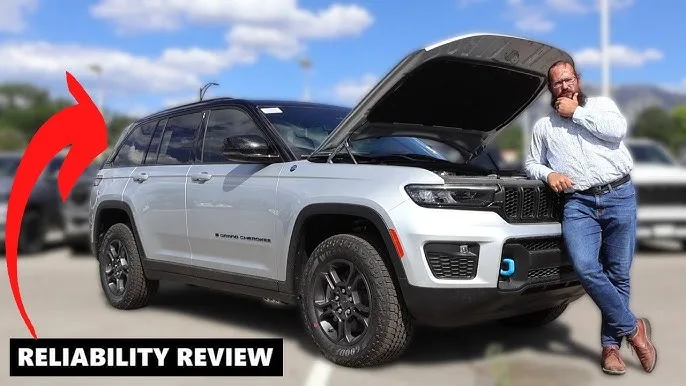
Jeep Grand Cherokee Reliability by Year

The most consistent theme across hundreds of owner comments is this:

Jeep Grand Cherokee reliability by year matters more than the Jeep badge itself.

Owners are not divided by brand loyalty — they are divided by production cycles.

Some report near-perfect reliability:

A 2021 owner with 28,000 miles reported:

“No issues. Zero. Powertrain is strong. It’s been a good experience for us so far.”

A 2019 Trailhawk owner:

“Zero issues here. Love it.”

A 2016 Limited owner with 149,000 miles:

“No real issues. Regular maintenance.”

A family with multiple Grand Cherokees:

“2011 with 190k miles… great SUV. 2016 with 70k miles… never a thing wrong with it.”

A 2012 owner with 126,000 miles:

“12 years of worry-free service.”

At the same time, other owners report severe failures:

A 2018 model:
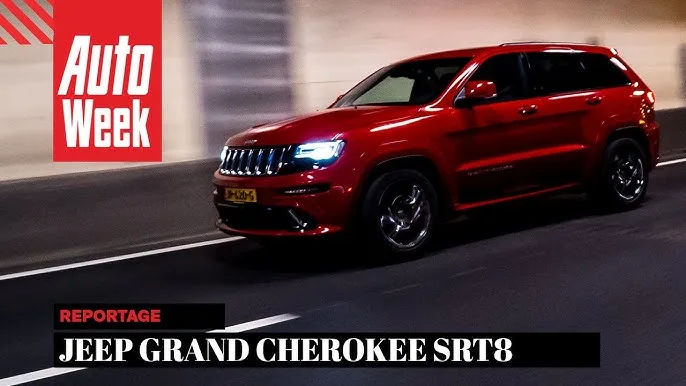
Jeep Grand Cherokee Reliability by Year11

“Camshaft replaced at 71,000 miles.”

A 2017 model:

“Engine blew around 60k miles, transmission clutch pack went out at 110k.”

A 2018 Limited:

“Transmission valve failure, then engine failure at 84,000 miles.”

A 2025 Summit:

“Electrical issue killing the batteries before 200 miles.”

A 2023 Overland:

“Three big issues and one tow truck visit within the first year.”

This contrast explains why people don’t just search is jeep grand cherokee reliable anymore — they search jeep grand cherokee reliability by year and jeep grand cherokee years to avoid.

Reliability is not consistent across the lineup. It is production-cycle dependent.


Are Jeep Grand Cherokees Reliable Vehicles? The Conditional Answer

Are Jeep Grand Cherokees reliable vehicles?
The honest answer is: yes — conditionally.

They are not universally unreliable.
They are not universally dependable.

They are year-dependent, generation-dependent, drivetrain-dependent, and maintenance-dependent.
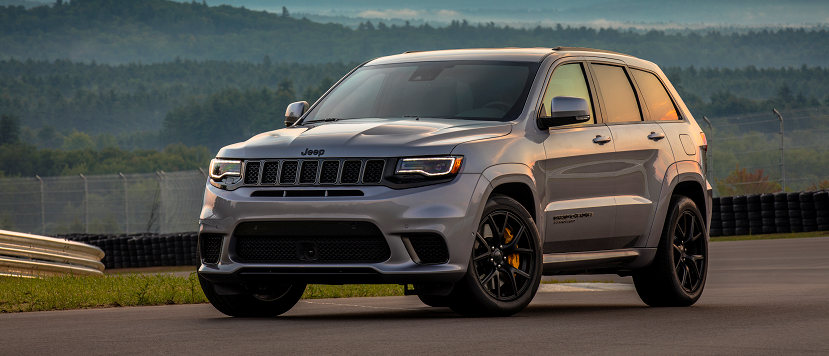
JP018_134GC__2_

This is why owners themselves differentiate between Jeep brand reliability and Jeep Grand Cherokee reliability. As one owner put it:

“Jeep makes some real turds, but the Grand Cherokee isn’t one of them.”

That statement reflects a broader truth: the Grand Cherokee has historically been one of Jeep’s better-engineered platforms — but not every version of it.


Jeep Grand Cherokee Best Years vs Jeep Grand Cherokee Years to Avoid

From real ownership patterns, clear reliability clusters appear.

The Jeep Grand Cherokee best years tend to share three traits:

  1. Mature platforms (not first-year redesigns)
  2. Proven drivetrains
  3. Stabilized electronics and software

Owners consistently praise:
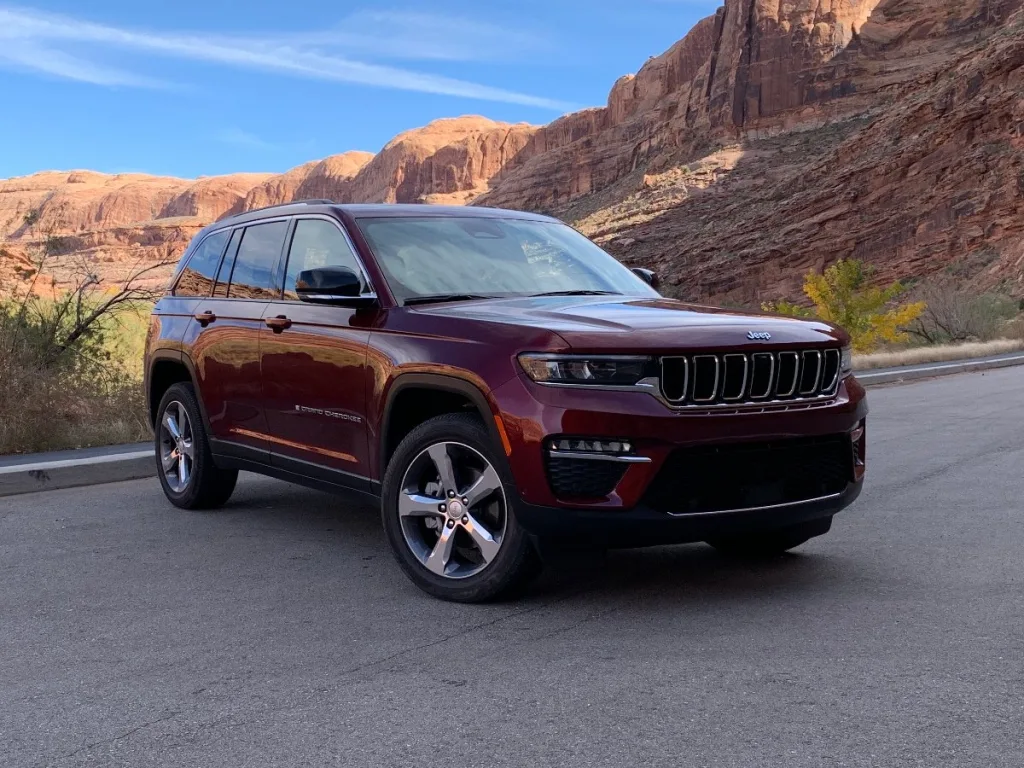
Jeep Grand Cherokee Best Years vs Jeep Grand Cherokee Years to Avoid
  • 2010–2012 models with proven powertrains
  • 2015 models with stable mechanical platforms
  • 2016–2019 models with refined transmissions and electronics
  • 2019 Trailhawk trims with high long-term satisfaction
  • 2017 Overland models exceeding 130k miles without failures

These production windows align with searches like:

  • jeep grand cherokee best years
  • best years for jeep grand cherokee
  • best jeep grand cherokee years
  • best year for jeep grand cherokee
  • best year jeep grand cherokee
  • best grand cherokee years

The Jeep Grand Cherokee years to avoid tend to show:

  • Early redesign production issues
  • Oil cooler housing failures
  • Camshaft and valvetrain failures
  • Electrical drain problems
  • Infotainment instability
  • Transmission valve body failures
  • Air suspension electrical faults
  • Software-driven system failures

These years drive searches like:

  • jeep grand cherokee years to avoid
  • what year jeep grand cherokee to avoid
  • most reliable grand cherokee years

Most Reliable Jeep Grand Cherokee Year: Why There Isn’t One Single Winner

Searches like most reliable jeep grand cherokee year assume there is one perfect model year.
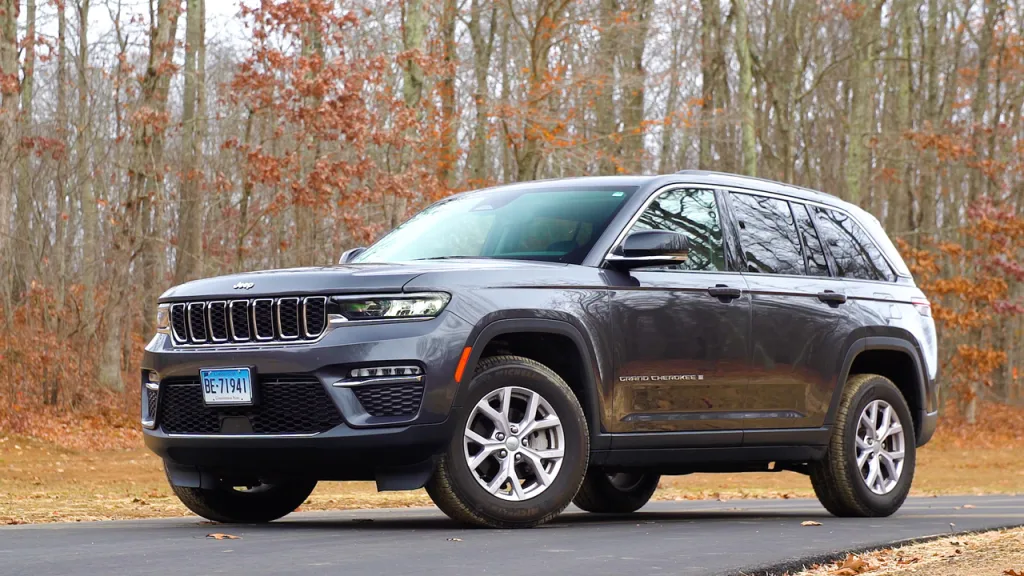
Most Reliable Jeep Grand Cherokee Year

Reality doesn’t work that way.

Reliability clusters around platform maturity, not calendar years.

The most reliable jeep grand cherokee years typically appear:

  • After redesign bugs are resolved
  • After drivetrain revisions
  • After software stabilization
  • After supplier quality issues are corrected

That’s why reliability is best measured in production phases, not single years.

Owners with 150k–250k miles almost always own mid-cycle models, not first-year redesigns.


The Proven Drivetrain Effect

Several owners referenced “proven drivetrains,” which matters more than trim or features.

The 3.6L Pentastar V6, when properly maintained, appears frequently in high-mileage success stories.
The ZF 8-speed transmission, when serviced properly, shows both strong performance and long-term durability — but failures occur when neglected.

At the same time, known weak points appear consistently:

  • Plastic oil filter housing warping
  • Oil cooler leaks
  • Camshaft failures
  • Electronic control module failures
  • Battery drain faults
  • Software integration problems

These issues explain why jeep grand cherokee reliability varies so widely across years.


2010 Jeep Grand Cherokee and Long-Term Survivability

The 2010 Jeep Grand Cherokee appears repeatedly in high-mileage ownership stories.

Owners report:

  • Long drivetrain life
  • Low major failure rates
  • Strong off-road durability
  • Multi-purpose usage (family vehicle, work vehicle, overland builds)

This generation reflects what happens when platforms mature: reliability improves.


Jeep Cherokee Reliability vs Jeep Grand Cherokee Reliability

Many buyers cross-shop models, leading to searches like:

  • jeep cherokee reliability
  • jeep cherokee reliability by year
  • jeep cherokee years to avoid
  • most reliable jeep cherokee year
  • best years for jeep cherokee
  • are jeep cherokees reliable

The Cherokee is mechanically simpler in many configurations, which can reduce failure points. But reliability still follows the same rule:

Year selection matters more than model name.

Both platforms show:

  • Reliable production windows
  • Failure-prone production windows
  • Stable drivetrain generations
  • Problematic early redesigns

Ownership Psychology: Why People Still Buy Grand Cherokees

Despite reliability concerns, people keep buying them. Why?

Because buyers aren’t just buying reliability — they’re buying experience:

  • Driving feel
  • Interior comfort
  • Ride quality
  • Towing capacity
  • Off-road capability
  • Luxury features
  • Design
  • Power delivery

As one owner said:

“Hondas and Toyotas are anemic to drive.”

Another said:

“The Jeep had that look and driving experience that made us fall in love with it.”

Grand Cherokees are emotional purchases, not purely rational ones.


The Reliability Tradeoff

Buyers understand the tradeoff:

Toyota reliability = mechanical safety, less excitement
Jeep Grand Cherokee = capability, comfort, performance, design — with risk

This is why buyers no longer ask:
“Is the Jeep Grand Cherokee reliable?”

They ask:

  • Which years are reliable?
  • Which years should I avoid?
  • Which drivetrains last?
  • Which generations are stable?

Most Reliable Jeep Grand Cherokee Years: The Ownership Pattern

From owner data, the most reliable jeep grand cherokee years typically come from:

  • Mid-cycle refresh generations
  • Post-redesign stabilization years
  • Models with mature software systems
  • Models with proven drivetrains
  • Models with resolved supplier defects

Not from first-year redesigns.
Not from early platform launches.
Not from tech-heavy experimental cycles.


Long-Term Reliability Reality

If you are researching:

  • are jeep grand cherokees reliable
  • are jeep grand cherokees reliable vehicles
  • jeep grand cherokee reliability
  • jeep grand cherokee reliability by year
  • jeep grand cherokee years to avoid
  • best years for jeep grand cherokee
  • most reliable jeep grand cherokee year
  • grand cherokee reliability
  • most reliable jeep grand cherokee

The conclusion is clear:

The Jeep Grand Cherokee is not a reliability gamble —
it is a year-selection decision.

Choose the right year → excellent ownership experience
Choose the wrong year → expensive ownership experience


Final Verdict: The Real Answer

So, is the Jeep Grand Cherokee reliable?

Yes — in the right years.
No — in the wrong ones.

The Grand Cherokee is not inherently unreliable.
It is not inherently dependable.

It is production-cycle dependent.

That is the truth real owners reveal.

Reliability is not about the badge.
It is not about the trim.
It is not about the marketing.

It is about:

  • Platform maturity
  • Drivetrain stability
  • Software stability
  • Engineering revisions
  • Maintenance discipline

And above all:

Year selection.

That is the real meaning of jeep grand cherokee reliability by year — and why it matters more than any rating, chart, or brand reputation.

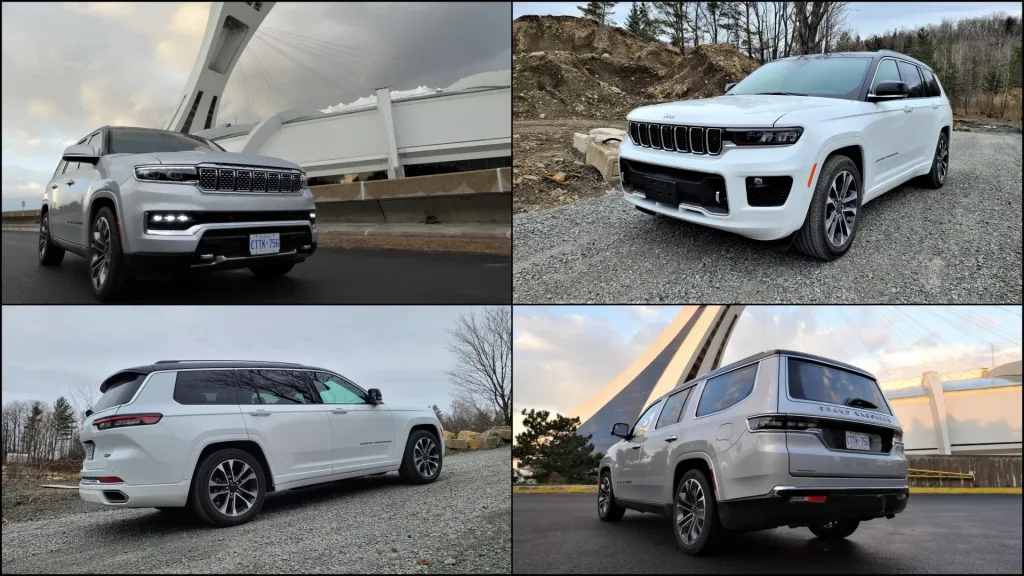
Recommended Posts

Freightliner Bumpers and Cascadia Fairing Panels for a Stronger, Sleeker Truck

Shop durable Freightliner truck bumpers and Cascadia fairing panels for sale. Precise-fit exterior components for 2008-2017 and 2018+ trucks with fast shipping and expert support. Keeping a Freightliner Cascadia in top condition is about more than the engine under the hood — the exterior body components play a huge role in how the truck performs, looks, and holds its value. Side fairings, step skirts, and front-end pieces all work together to cut drag, protect vulnerable systems, and give the rig a clean, professional presence on the road. Operators searching for quality freightliner bumpers for sale often find that upgrading the entire front and side profile delivers the biggest return. When you pair durable freightliner truck bumpers with well-fitted aerodynamic panels, your Cascadia gains both protection and efficiency in one smart upgrade. The Value of a Complete Exterior Upgrade A truck's exterior is its first line of defense and its calling card all at once. Aerodynamic fairing panels smooth the airflow around the fuel tanks and drive area, lowering wind resistance and helping every gallon of diesel go further. A solid front end absorbs impacts and shields the radiator and cooling system from road debris. Together these components reduce long-term repair costs while keeping the truck looking sharp mile after mile. Over time, that combination of efficiency and protection adds up to real savings, since a truck that burns less fuel and stays out of the repair bay simply earns more for its owner on every route. At tacoma-truckparts.com, the Cascadia selection covers front, middle, and rear fairing panels, step skirts, extensions, and complete sets for both driver and passenger sides. Whether you run a 2008-2017 model or a 2018-and-newer truck, there are pieces engineered to match your exact frame and factory mounting points. Precision Fit for Every Model Year Fitment is everything with exterior body components. Panels and front-end pieces built for your specific model year line up cleanly with existing hardware, so installation is straightforward and the finished surface sits flush and secure. Durable materials stand up to road spray, gravel, and constant vibration, keeping the truck looking its best season after season. Reinforced panels and aluminum step skirts add both function and a polished, professional finish that owner-operators take pride in. Choosing correctly-sized components also protects everything around them. Well-fitted fairings shield tanks, steps, and wiring from flying debris, while a strong front end guards the systems behind it. That kind of protection keeps your Cascadia earning out on the highway instead of sitting in the shop. Efficiency, Protection, and Uptime Downtime is expensive, which is why fast order processing and dependable availability matter as much as the parts themselves. Orders ship quickly, backed by knowledgeable support that understands the daily demands facing fleet managers and independent drivers alike. Being able to find the exact panel, skirt, or front-end piece you need without guesswork keeps maintenance simple and predictable. Investing in your Cascadia's exterior is a smart move for fuel economy, curb appeal, and long-term resale value. With aerodynamic fairings and dependable front-end components working together, your truck cuts cleanly through the wind, looks its best, and stays ready for the next long haul. A well-maintained, polished rig also builds trust with customers and makes a strong impression during inspections. Browse the full selection today and give your Freightliner Cascadia the efficient, protected, road-ready finish it truly deserves.

Jeep Grand Cherokee L and Wagoneer

Compare Jeep Grand Cherokee L and Wagoneer

Yes, Jeep SUVs do offer 3rd row seating. The main Jeep SUVs with three rows are the Jeep Grand Cherokee L and the Jeep Wagoneer / Grand Wagoneer lineup, depending on model year and availability. For most families near Simi Valley, Thousand Oaks, Moorpark, Oxnard, Los Angeles, San Fernando Valley, Santa Clarita, and Burbank, the Jeep Grand Cherokee L is the more practical three-row Jeep SUV. The Wagoneer and Grand Wagoneer are better for shoppers who want maximum passenger room, more cargo space, stronger towing capability, and a larger full-size SUV feel. If you want to compare options, start with the new Jeep inventory at Simi Valley Chrysler Dodge Jeep Ram, check the used Jeep inventory, or value your current vehicle before upgrading through the trade-in page. Table of Contents Which Jeep SUVs Have 3rd Row Seating? Jeep Grand Cherokee L: The Practical 3-Row Jeep SUV Jeep Wagoneer and Grand Wagoneer: The Bigger 3-Row Jeep Option Grand Cherokee vs. Grand Cherokee L: Which One Has More Room? Grand Cherokee L vs. Wagoneer: Which 3-Row Jeep Is Better? Is the Third Row Comfortable for Adults? How Much Cargo Space Do 3-Row Jeep SUVs Offer? Can a 3-Row Jeep SUV Tow? Common Buyer Warnings Before Buying a Used 3-Row Jeep Local Dealership Angle: Simi Valley CDJR Final Answer Which Jeep SUVs Have 3rd Row Seating? The Jeep SUVs with 3rd row seating are the Jeep Grand Cherokee L and the Jeep Wagoneer / Grand Wagoneer family. The standard Jeep Grand Cherokee is a two-row SUV with seating for up to five passengers. The Grand Cherokee L is the longer three-row version with seating for up to seven passengers. Jeep confirms that the two-row Grand Cherokee seats up to five, while the Grand Cherokee L seats up to seven. The Wagoneer and Grand Wagoneer are larger full-size Jeep SUVs with three-row seating. They are designed for shoppers who want more passenger space, more cargo capacity, more towing ability, and a more premium full-size SUV experience. So the simple answer is: Choose the Jeep Grand Cherokee L if you want a midsize three-row Jeep SUV. Choose the Wagoneer or Grand Wagoneer if you want a larger full-size three-row Jeep SUV. Choose the regular Grand Cherokee if you only need two rows and prefer a smaller, easier-to-park SUV. Jeep Grand Cherokee L: The Practical 3-Row Jeep SUV The Jeep Grand Cherokee L is usually the best fit for families who want three rows without going all the way up to a full-size SUV. It gives you: Seating for up to seven passengers. Available second-row captain’s chairs or a second-row bench, depending on configuration. A usable third row for kids, teens, or occasional adult passengers. Available 4x4 capability. Strong towing capability when properly equipped. A more manageable size than a Wagoneer. A more premium feel than many mainstream three-row SUVs. According to Jeep, the Grand Cherokee L offers up to 84.6 cubic feet of cargo space with the second and third rows folded. Jeep also notes that a second-row bench seat is available so the vehicle can carry up to seven passengers. Source: Jeep Grand Cherokee 3-Row SUV That makes the Grand Cherokee L a smart choice for families who need extra seating but still want a vehicle that feels comfortable for daily driving, school pickup, road trips, and weekend getaways. Jeep Wagoneer and Grand Wagoneer: The Bigger 3-Row Jeep Option The Wagoneer and Grand Wagoneer are the larger three-row Jeep SUVs. They are built for shoppers who want more room, more towing confidence, and more upscale features than the Grand Cherokee L. The Grand Wagoneer is especially strong for buyers who need a premium full-size SUV. Jeep lists the 2026 Grand Wagoneer with seating for seven, 179 cubic feet of passenger volume, and strong cargo space depending on configuration. Source: Jeep Grand Wagoneer Specs The Grand Wagoneer is also the stronger choice for towing. Jeep lists an available maximum towing capacity of up to 10,000 pounds when properly equipped. Source: Jeep Grand Wagoneer Capability Choose the Wagoneer or Grand Wagoneer if you want: A larger full-size SUV. More third-row room. More cargo space. More luxury features. Stronger towing capability when properly equipped. A better fit for larger families. A stronger road-trip SUV. The tradeoff is size. A Wagoneer or Grand Wagoneer will feel larger in traffic, parking lots, tight garages, and city driving compared to a Grand Cherokee L. Grand Cherokee vs. Grand Cherokee L: Which One Has More Room? The Jeep Grand Cherokee and Jeep Grand Cherokee L are closely related, but they are not the same. The standard Grand Cherokee has two rows and seats up to five passengers. It is better for drivers who want a premium SUV, strong available 4x4 capability, and easier daily maneuverability without needing a third row. The Grand Cherokee L adds the third row and stretches the vehicle to create space for up to seven passengers. It is the better choice if you have a larger family, drive with kids and friends, or want extra flexibility for road trips. Choose the standard Grand Cherokee if you want: Two rows. Easier parking. Slightly simpler family use. More focus on front and second-row comfort. A good mix of daily driving and Jeep capability. Choose the Grand Cherokee L if you want: Three rows. Seating for up to seven. More passenger flexibility. More cargo flexibility. A better family SUV setup. A stronger alternative to three-row crossovers. For shoppers near Simi Valley and Thousand Oaks who want one SUV for daily driving, family trips, and weekend adventures, the Grand Cherokee L is usually the more flexible choice. Grand Cherokee L vs. Wagoneer: Which 3-Row Jeep Is Better? The better choice depends on how much space and capability you need. The Jeep Grand Cherokee L is better if you want a three-row SUV that still feels manageable for daily driving. It is easier to park, easier to maneuver, and more practical for many families who only need the third row part of the time. The Wagoneer or Grand Wagoneer is better if you want more room and more towing strength. It is the better choice for larger families, frequent road trips, heavy cargo needs, and towing larger trailers when properly equipped. Choose the Grand Cherokee L if: You want three rows but do not want a massive SUV. You need seating for up to seven. You want a premium midsize SUV feel. You want available Jeep 4x4 capability. You want a practical family SUV for daily use. Choose the Wagoneer or Grand Wagoneer if: You need more adult-friendly third-row space. You want more cargo space behind the rows. You tow more often. You want a larger, more premium SUV. You regularly travel with a full family and luggage. For most local families, the Grand Cherokee L is the sweet spot. For shoppers who want the biggest Jeep SUV available, the Wagoneer and Grand Wagoneer are the stronger fit. Is the Third Row Comfortable for Adults? The third row in the Jeep Grand Cherokee L is useful, but it is best for kids, teens, and shorter trips with adults. Adults can use it, but it is not as spacious as a full-size SUV third row. The Wagoneer and Grand Wagoneer are better if adult third-row comfort is a major priority. Their larger body gives passengers more room to stretch out, especially on longer drives. Think of it this way: Grand Cherokee L: better for families who need occasional third-row use. Wagoneer / Grand Wagoneer: better for regular adult third-row use. Standard Grand Cherokee: better if you do not need a third row at all. If you regularly drive with six or seven people, test the third row before buying. Seat comfort depends on passenger height, second-row position, seat configuration, and cargo needs. How Much Cargo Space Do 3-Row Jeep SUVs Offer? Cargo space depends on which Jeep SUV you choose and how many seats are in use. The Jeep Grand Cherokee L is flexible because you can fold the third row when you do not need it. With the second and third rows folded, Jeep lists up to 84.6 cubic feet of cargo space. Source: Jeep Grand Cherokee 3-Row SUV That is useful for: Groceries. Strollers. Sports gear. Camping supplies. Luggage. Home improvement items. Road-trip bags. The Wagoneer and Grand Wagoneer offer more space overall because they are full-size SUVs. They are better if you need to carry passengers and cargo at the same time. If you have a big family and often travel with luggage, the Wagoneer or Grand Wagoneer makes more sense. If you only need the third row occasionally, the Grand Cherokee L is usually enough. Can a 3-Row Jeep SUV Tow? Yes, three-row Jeep SUVs can tow when properly equipped, but towing capacity depends on engine, drivetrain, equipment, trim, and vehicle condition. The Jeep Grand Cherokee L can tow up to 6,200 pounds when properly equipped, according to Jeep’s Grand Cherokee specifications. Source: Jeep Grand Cherokee Specs The Grand Wagoneer can tow up to 10,000 pounds when properly equipped, according to Jeep. Source: Jeep Grand Wagoneer Capability That makes the Grand Cherokee L strong enough for many smaller trailers, light campers, personal watercraft, and utility trailers. The Grand Wagoneer is the better choice if you tow heavier loads more often. Before towing, always check: Owner’s manual. Exact towing rating by VIN. Trailer weight. Tongue weight. Payload. Hitch rating. Tire condition. Brake controller needs. Cooling system condition. Local towing laws. Always use “when properly equipped” for towing because not every trim or configuration has the same rating. Common Buyer Warnings Before Buying a Used 3-Row Jeep A used Jeep Grand Cherokee L, Wagoneer, or Grand Wagoneer can be a strong family SUV, but condition matters. Before buying, check: Service history. Tire wear. Brake condition. Suspension noise. Oil leaks. Coolant leaks. Transmission shifting. 4x4 system operation. Infotainment screen function. Power seat and power-folding seat operation. Liftgate operation. Prior accident history. Rust or underbody damage. Water leaks. Towing history. Aftermarket wiring. Open recalls by VIN. If the SUV was used for towing, inspect the hitch, rear suspension, brakes, tires, and cooling system. If it was used off-road, inspect the underbody, skid plates, suspension, wheels, and alignment. Always check recalls by VIN using the official NHTSA recall lookup tool, especially when buying a used family SUV. Local Dealership Angle: Simi Valley CDJR For shoppers near Simi Valley, Thousand Oaks, Moorpark, Oxnard, Los Angeles, San Fernando Valley, Santa Clarita, and Burbank, a three-row Jeep SUV makes sense if you want family space without giving up Jeep capability. At Simi Valley Chrysler Dodge Jeep Ram, you can compare available Jeep Grand Cherokee L, Wagoneer, Grand Wagoneer, and other Jeep SUVs in new inventory. If you want a lower payment or more trim options, check the used inventory and compare mileage, condition, service history, trim, drivetrain, and warranty coverage. You can also start your approval through the finance application, estimate your vehicle’s value through the trade-in page, schedule maintenance with the service department, or order genuine Mopar parts through the parts department. For families who need a daily driver, road-trip SUV, school-run vehicle, and weekend adventure vehicle in one package, the Grand Cherokee L is usually the best starting point. For maximum space and towing strength, move up to the Wagoneer or Grand Wagoneer. Final Answer: Do Any Jeep SUVs Have 3rd Row Seating? Yes, Jeep SUVs do have 3rd row seating. The main options are the Jeep Grand Cherokee L and the Jeep Wagoneer / Grand Wagoneer lineup. The best choice for most families is the Jeep Grand Cherokee L because it offers seating for up to seven, useful cargo flexibility, available 4x4 capability, and a more manageable size than a full-size SUV. The Wagoneer and Grand Wagoneer are better if you want maximum space, more premium features, and stronger towing capability when properly equipped. For shoppers near Simi Valley, Thousand Oaks, Moorpark, Oxnard, Los Angeles, San Fernando Valley, Santa Clarita, and Burbank, compare new and used three-row Jeep SUVs at Simi Valley Chrysler Dodge Jeep Ram, check financing options, value your trade, or schedule a test drive to see which Jeep SUV fits your family best.

CC26_JLJL74_2TB_PYC_APA_XXX_XXX_XXX.44595767d2e79008ad8cdbe55f250a44

How much do you have to pay a month for a Jeep Wrangler?

How Much Do You Have to Pay a Month for a Jeep Wrangler? A Jeep Wrangler monthly payment usually ranges from about $575 to $1,100+ per month, depending on the price, down payment, credit score, interest rate, loan term, taxes, fees, and trim. The simple answer is this: a lower-trim Jeep Wrangler Sport may land around $600 to $750 per month with normal financing, while a Wrangler Willys, Sahara, Rubicon, 4xe, or 392 can easily push payments into the $800 to $1,200+ range. Jeep lists the 2026 Wrangler starting at $36,035 MSRP, while higher trims like Sahara, Rubicon, and Rubicon X start much higher. Jeep Wrangler Quick Monthly Payment Estimate Here is a realistic estimate using a 72-month loan, about 7% APR, and roughly estimated taxes and fees. Actual payments can be higher or lower. $36,000 Wrangler: about $615 to $700/month $45,000 Wrangler: about $760 to $875/month $55,000 Wrangler: about $930 to $1,070/month $65,000 Wrangler: about $1,100 to $1,260/month $75,000+ Wrangler 392: about $1,275 to $1,500+/month This assumes little to moderate money down. A larger down payment or trade-in can lower the payment. A higher APR can raise it fast. Wrangler Price by Trim Jeep’s official 2026 Wrangler page lists starting MSRPs such as: Sport: from $36,035 Sport S: from $39,685 Willys: from $43,755 Sahara: from $48,910 Rubicon: from $45,815 Rubicon X: from $55,765 Jeep Wrangler Those are starting prices before taxes, registration, dealer fees, accessories, packages, and finance charges. A real Wrangler on the lot can cost much more once options are added. What Affects Your Jeep Wrangler Payment? The biggest factors are: Vehicle price: A Rubicon costs much more per month than a Sport. Down payment: More money down lowers the amount financed. Trade-in equity: Positive equity can reduce your payment. Credit score: Better credit usually means a lower APR. Loan term: Longer terms lower monthly payments but increase total interest. Taxes and fees: California taxes and registration can add thousands to the financed amount. Add-ons: Warranties, protection products, accessories, and lift packages can raise the payment. New vs Used Wrangler Monthly Payment A used Wrangler may not always be dramatically cheaper because Wranglers hold value well. A clean used Wrangler can still have a strong price, especially if it is a Rubicon, Willys, 4xe, or low-mileage Unlimited. That said, used can still be the better monthly-payment move if you choose the right year, mileage, and trim. For LA and Simi Valley shoppers, compare used Jeep inventory against new Jeep inventory before deciding. Sometimes the new-car incentives make a new Wrangler closer in payment than expected. Best Way to Lower the Payment The cleanest ways to lower a Wrangler payment are: Choose a lower trim like Sport, Sport S, or Willys. Put more money down. Use trade-in equity. Improve credit before applying. Avoid unnecessary add-ons. Compare new and used options. Choose a realistic loan term. A longer loan can make the payment look easier, but do not stretch the term too far just to afford a higher trim. The total cost matters. Final Answer Most Jeep Wrangler payments fall around $600 to $1,100 per month. A basic Wrangler Sport may be close to $600 to $750/month with typical financing. A Wrangler Willys, Sahara, Rubicon, or 4xe may be closer to $800 to $1,100/month. A Wrangler 392 or heavily optioned model can go well above $1,200/month. The only accurate number comes from the exact Wrangler, your credit, down payment, trade value, taxes, fees, and approved APR.