





Simi Valley Chrysler Dodge Jeep Ram

Blog

Jeep Compass Lease For Sale : Los Angeles

compass

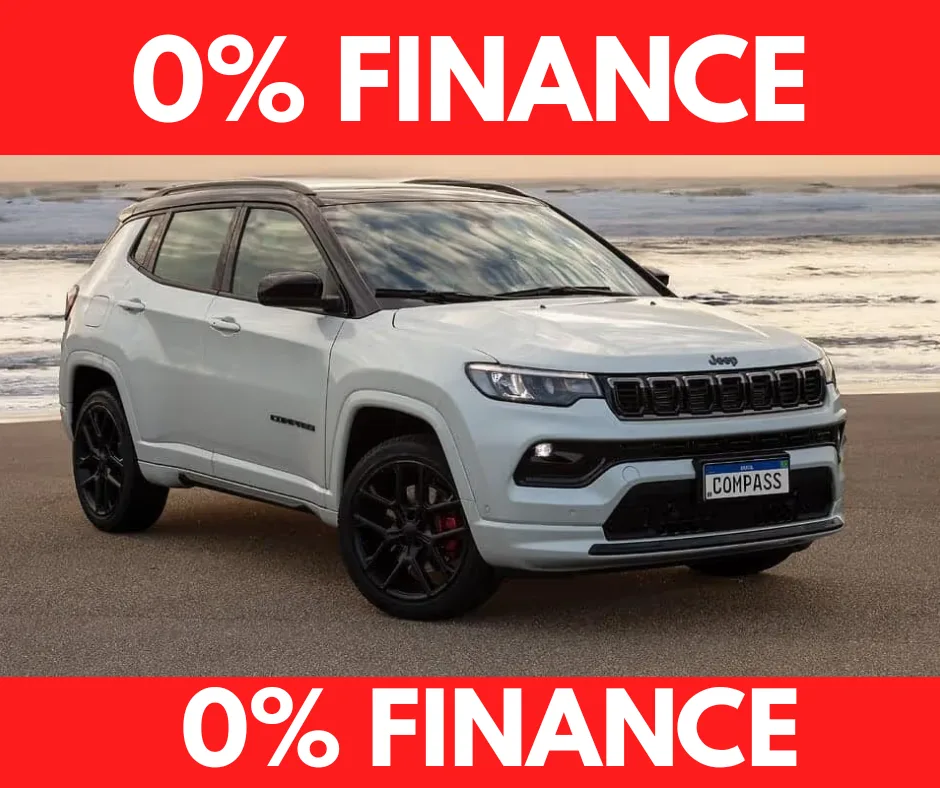
​Los Angeles is a city of contrasts—sprawling freeways, sun-soaked coastal drives, and rugged trails just a short trip away in places like Angeles National Forest or Joshua Tree. The 2025 Jeep Compass, a compact SUV with urban sophistication and off-road grit, is an ideal match for LA’s dynamic lifestyle. Leasing this versatile vehicle allows Angelenos to enjoy its modern tech, bold style, and capability without the long-term commitment of ownership. This guide explores the latest 2025 Jeep Compass lease deals in Los Angeles, why it’s a great fit for the city, and tips to secure the best offer.

Why Lease a 2025 Jeep Compass in Los Angeles?

The 2025 Jeep Compass strikes a balance between city-friendly maneuverability and adventure-ready performance. Its compact footprint makes parking in tight spots—like those in West Hollywood or Downtown LA—a breeze, while its available 4x4 system and Trailhawk trim handle off-road escapes to Big Bear or Malibu Creek State Park with ease. Powered by a 2.0L turbo engine delivering 200 horsepower (best-in-class standard power), the Compass offers peppy performance for merging onto the 405 or cruising the Pacific Coast Highway. Inside, the Uconnect 5 infotainment system with a 10.1-inch touchscreen, wireless Apple CarPlay, and advanced safety features like blind-spot monitoring cater to LA’s tech-savvy and safety-conscious drivers.

Leasing is a popular choice in Los Angeles, where residents value flexibility and the chance to drive a new vehicle every few years. With competitive lease offers and incentives, the 2025 Jeep Compass can be an affordable way to enjoy a stylish SUV that fits both LA’s urban sprawl and outdoor adventures.

Current Lease Deals for the 2025 Jeep Compass in Los Angeles

Lease deals for the 2025 Jeep Compass vary by trim, mileage allowance, down payment, and credit score. Below are some of the latest offers available in the Los Angeles area, valid through April 30, 2025, unless otherwise noted. Prices are estimates based on recent data, but local taxes, registration, and dealer fees (e.g., $115–$699) can increase costs. Always contact dealers directly for precise terms.

  • Jeep Compass Sport SUV:
    • Monthly Payment: ~$426/month
    • Down Payment: ~$1,000
    • Term: 36 months
    • Mileage: 10,000 miles/year
    • Total Cost: ~$17,908 over the lease term
    • Notes: The base Sport trim offers essentials like a 10.25-inch digital cluster and Uconnect 5, ideal for budget-conscious drivers who want Jeep’s iconic style. Higher payments may apply for lower credit scores.
  • Jeep Compass Latitude SUV:
    • Monthly Payment: ~$405–$507/month
    • Down Payment: ~$1,000–$2,953
    • Term: 36 months
    • Mileage: 10,000–12,000 miles/year
    • Total Cost: ~$17,643–$18,802
    • Notes: The Latitude adds premium touches like adaptive cruise control and a larger touchscreen, making it a favorite for LA commuters. Check with dealers like Van Nuys Chrysler Dodge Jeep Ram for specific promotions.
  • Jeep Compass Limited SUV:
    • Monthly Payment: ~$406/month
    • Down Payment: ~$2,953
    • Term: 36 months
    • Mileage: 10,000 miles/year
    • Total Cost: ~$18,802
    • Notes: The Limited trim includes leatherette seats and advanced safety tech, perfect for LA’s image-driven culture.
  • Regional Offer Example (Glendale, CA):
    • Monthly Payment: ~$426/month
    • Down Payment: ~$6,000 (includes first month’s payment, taxes, and fees)
    • Term: 36 months
    • Mileage: 5,000 miles/year
    • Notes: Available at Glendale Dodge Chrysler Jeep Ram for well-qualified lessees (720+ credit score). Excess mileage fees are $0.25/mile.

These deals exclude additional costs like California sales tax (8.5–10.25% in LA County) and registration fees. For example, Los Angeles Chrysler Dodge Jeep Ram at 2025 S Figueroa St. may add a negotiable administration fee up to $115.

Incentives and Special Programs

Jeep offers several incentives to sweeten the deal for Los Angeles lessees:

  • Jeep Wave® Program: Included with every 2025 Compass lease, this provides free maintenance (oil changes, tire rotations) for worry-free driving in LA’s traffic-heavy streets.
  • Military Bonus Cash: Active, retired, or recently discharged veterans (within 12 months) can claim $500 off. Submit eligibility details online for an authorization number.
  • First Responders Discount: A $500 bonus is available for law enforcement, firefighters, or medical personnel, a great perk for LA’s first responder community.
  • FCA US LLC DriveAbility: Offers up to $1,000 reimbursement for adaptive equipment, supporting drivers with disabilities.

Note that some promotions, like employee pricing, may not apply to leases. Verify eligibility with your dealer.

Tips for Leasing a Jeep Compass in Los Angeles

  1. Shop Around: Compare offers from dealers like Los Angeles CDJR (2025 S Figueroa St.), Glendale Dodge Chrysler Jeep Ram, or Scott Robinson Chrysler Dodge Jeep Ram in Torrance. Each may have unique specials.
  2. Negotiate Key Terms: Haggle on the capitalized cost (vehicle price), money factor (interest rate), and mileage allowance. Increasing your down payment can lower monthly costs, but aim to keep it under $3,000 for affordability.
  3. Account for Mileage: LA’s commutes—think 101 to 110—can pile on miles. If you exceed 10,000–12,000 miles/year, negotiate a higher cap to avoid $0.25–$0.30/mile overage fees.
  4. Check Your Credit: Tier 1 credit (720+) unlocks the best rates. If your score is lower, expect higher payments or a larger down payment.
  5. Explore Nearby Dealerships: Dealers in Van Nuys, Santa Monica, or Sunnyvale may offer better deals. For example, Sunnyvale CDJR has competitive Compass specials.
  6. Understand Lease-End Costs: Returning the vehicle incurs a $395 disposition fee unless you buy it or lease another Jeep. You can also purchase the Compass at its residual value.

Why the Compass Suits LA’s Lifestyle

The 2025 Jeep Compass is built for Los Angeles’ blend of urban hustle and outdoor adventure. Its 24/32 city/highway MPG saves on fuel during long commutes from the Valley to Downtown, while safety features like cross-traffic detection ease navigation on crowded streets. The Trailhawk trim, with Falken® WILDPEAK® All-Terrain Tires, tackles trails in Griffith Park or the San Gabriel Mountains. With vibrant colors and sleek styling, the Compass fits LA’s trendsetting vibe, whether you’re parked at a Venice Beach café or a Hollywood hotspot.

Where to Find Deals in Los Angeles

Key dealerships to explore include:

  • Los Angeles Chrysler Dodge Jeep Ram: 2025 S Figueroa St, Los Angeles, CA 90007. Call (213) 477-1800 for current specials.
  • Glendale Dodge Chrysler Jeep Ram: 9 miles from LA, known for low-mileage lease deals.
  • Scott Robinson Chrysler Dodge Jeep Ram: Torrance, CA, offers monthly Compass promotions.
  • Van Nuys Chrysler Dodge Jeep Ram: 9 miles from LA, with deals like $2,928 due at signing for a Latitude.

For real-time offers, visit Jeep’s website or Edmunds.

Final Thoughts

Leasing a 2025 Jeep Compass in Los Angeles is a smart way to drive a versatile, stylish SUV that matches the city’s fast-paced, adventurous spirit. With monthly payments starting at ~$405–$426, incentives like Jeep Wave®, and a range of trims, the Compass is both affordable and practical. Whether you’re weaving through Santa Monica traffic or exploring trails near Malibu, this SUV delivers. Contact LA-area dealers, compare offers, and negotiate to land the best lease deal for your needs. Happy driving!

Recommended Posts

/What is the Most Common Problem with the Jeep Grand Cherokee

What is the Most Common Problem with the Jeep Grand Cherokee

The Most Common Problem with the Jeep Grand Cherokee: What Every Owner Should Know The Jeep Grand Cherokee has a reputation that’s equal parts rugged capability and frustrating reliability. It can tow, crawl over rocks, and haul the family in comfort. But if you talk to enough owners—or spend time digging through complaint databases—you’ll notice a pattern. One issue comes up again and again. The most common problem with the Jeep Grand Cherokee is electrical system failure. That’s not just a minor annoyance. Electrical gremlins can leave you stranded, drain your battery overnight, or cause a chain reaction of warning lights that makes you wonder if the whole SUV is falling apart. Here’s a closer look at what goes wrong, which models are most affected, and what you can do about it. WHY ELECTRICAL ISSUES TOP THE LIST Across multiple model years, electrical complaints dominate owner reports and NHTSA data. For the 2024 Grand Cherokee, owners frequently report engines losing power, batteries dying, exterior lighting malfunctioning, and infotainment systems freezing. But the problem isn’t new. Older generations have their own electrical headaches, especially the infamous TIPM. The TIPM Problem The Totally Integrated Power Module (TIPM) is a fuse box on steroids. It controls fuel pump operation, lighting, wipers, and more. When it fails—and it often does—you might experience: - A fuel pump that won’t prime or stops working - Wipers that run nonstop or won’t turn on - Random warning lights - Battery drain that kills the battery overnight Replacing a TIPM isn’t cheap, and diagnosing the issue can be a nightmare because the symptoms mimic other problems. Battery Drain and Infotainment Glitches Modern Grand Cherokees are rolling computers. That means parasitic battery drains, unresponsive touchscreens, and software bugs are common. Some owners have replaced batteries multiple times only to find the real culprit is a faulty module that never sleeps. OTHER COMMON PROBLEMS WORTH KNOWING While electrical faults are the most frequent, they aren’t the only issues. If you’re shopping for a Grand Cherokee, keep these in mind too. Transmission Trouble Rough shifting, delayed engagement, and occasional slipping into neutral are common complaints, especially in model years from 2005 through 2015. Some owners describe a “clunk” when shifting from park to drive. Engine and Cooling Issues The 2024 model has seen reports of stalling, overheating, and excessive oil consumption. Older models (2011–2014) have fuel-related stalling complaints, often at higher mileage. Suspension Recall Jeep recently recalled over 328,000 Grand Cherokees from 2021–2023 because rear coil springs could detach while driving. It’s the third recall for the same problem, which tells you something about persistence. MODEL YEARS TO WATCH Based on complaint data, these model years are often flagged as ones to approach with caution: - 2011 - 2012 - 2014 - 2015 - 2018 - 2021–2024 That doesn’t mean every single one is a lemon. But electrical failure rates on some of these years are up to 3.2 times the model’s median. If you’re buying used, a pre-purchase inspection by a mechanic who knows Jeeps is worth every penny. WHAT YOU CAN DO If you own a Grand Cherokee or plan to buy one: 1. Check for recalls using your VIN on the NHTSA website. 2. Scan for stored codes before buying. Electrical issues often leave ghost codes. 3. Test the battery and charging system—a weak battery can trigger dozens of false warnings. 4. Consider an extended warranty if you’re buying an older model with known electrical quirks. 5. Join owner forums to learn the specific workarounds for your model year. THE BOTTOM LINE The Jeep Grand Cherokee is still a capable, comfortable, and iconic SUV. But its Achilles’ heel is the electrical system. From TIPM failures to battery drains and infotainment glitches, these problems are the most common complaints among owners. If you can look past them—or budget for repairs—you’ll enjoy everything else the Grand Cherokee does well. Just don’t ignore the warning signs. Have you dealt with electrical issues in your Grand Cherokee? Share your story in the comments—it might help another owner avoid the same headache.

Jeep Grand Cherokee L and Wagoneer

Compare Jeep Grand Cherokee L and Wagoneer

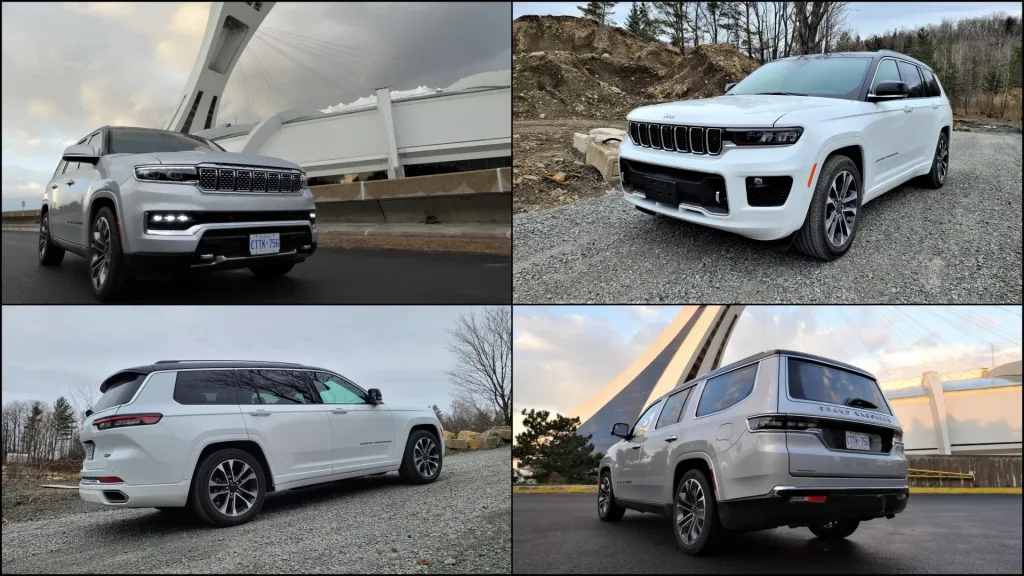
Yes, Jeep SUVs do offer 3rd row seating. The main Jeep SUVs with three rows are the Jeep Grand Cherokee L and the Jeep Wagoneer / Grand Wagoneer lineup, depending on model year and availability. For most families near Simi Valley, Thousand Oaks, Moorpark, Oxnard, Los Angeles, San Fernando Valley, Santa Clarita, and Burbank, the Jeep Grand Cherokee L is the more practical three-row Jeep SUV. The Wagoneer and Grand Wagoneer are better for shoppers who want maximum passenger room, more cargo space, stronger towing capability, and a larger full-size SUV feel. If you want to compare options, start with the new Jeep inventory at Simi Valley Chrysler Dodge Jeep Ram, check the used Jeep inventory, or value your current vehicle before upgrading through the trade-in page. Table of Contents Which Jeep SUVs Have 3rd Row Seating? Jeep Grand Cherokee L: The Practical 3-Row Jeep SUV Jeep Wagoneer and Grand Wagoneer: The Bigger 3-Row Jeep Option Grand Cherokee vs. Grand Cherokee L: Which One Has More Room? Grand Cherokee L vs. Wagoneer: Which 3-Row Jeep Is Better? Is the Third Row Comfortable for Adults? How Much Cargo Space Do 3-Row Jeep SUVs Offer? Can a 3-Row Jeep SUV Tow? Common Buyer Warnings Before Buying a Used 3-Row Jeep Local Dealership Angle: Simi Valley CDJR Final Answer Which Jeep SUVs Have 3rd Row Seating? The Jeep SUVs with 3rd row seating are the Jeep Grand Cherokee L and the Jeep Wagoneer / Grand Wagoneer family. The standard Jeep Grand Cherokee is a two-row SUV with seating for up to five passengers. The Grand Cherokee L is the longer three-row version with seating for up to seven passengers. Jeep confirms that the two-row Grand Cherokee seats up to five, while the Grand Cherokee L seats up to seven. The Wagoneer and Grand Wagoneer are larger full-size Jeep SUVs with three-row seating. They are designed for shoppers who want more passenger space, more cargo capacity, more towing ability, and a more premium full-size SUV experience. So the simple answer is: Choose the Jeep Grand Cherokee L if you want a midsize three-row Jeep SUV. Choose the Wagoneer or Grand Wagoneer if you want a larger full-size three-row Jeep SUV. Choose the regular Grand Cherokee if you only need two rows and prefer a smaller, easier-to-park SUV. Jeep Grand Cherokee L: The Practical 3-Row Jeep SUV The Jeep Grand Cherokee L is usually the best fit for families who want three rows without going all the way up to a full-size SUV. It gives you: Seating for up to seven passengers. Available second-row captain’s chairs or a second-row bench, depending on configuration. A usable third row for kids, teens, or occasional adult passengers. Available 4x4 capability. Strong towing capability when properly equipped. A more manageable size than a Wagoneer. A more premium feel than many mainstream three-row SUVs. According to Jeep, the Grand Cherokee L offers up to 84.6 cubic feet of cargo space with the second and third rows folded. Jeep also notes that a second-row bench seat is available so the vehicle can carry up to seven passengers. Source: Jeep Grand Cherokee 3-Row SUV That makes the Grand Cherokee L a smart choice for families who need extra seating but still want a vehicle that feels comfortable for daily driving, school pickup, road trips, and weekend getaways. Jeep Wagoneer and Grand Wagoneer: The Bigger 3-Row Jeep Option The Wagoneer and Grand Wagoneer are the larger three-row Jeep SUVs. They are built for shoppers who want more room, more towing confidence, and more upscale features than the Grand Cherokee L. The Grand Wagoneer is especially strong for buyers who need a premium full-size SUV. Jeep lists the 2026 Grand Wagoneer with seating for seven, 179 cubic feet of passenger volume, and strong cargo space depending on configuration. Source: Jeep Grand Wagoneer Specs The Grand Wagoneer is also the stronger choice for towing. Jeep lists an available maximum towing capacity of up to 10,000 pounds when properly equipped. Source: Jeep Grand Wagoneer Capability Choose the Wagoneer or Grand Wagoneer if you want: A larger full-size SUV. More third-row room. More cargo space. More luxury features. Stronger towing capability when properly equipped. A better fit for larger families. A stronger road-trip SUV. The tradeoff is size. A Wagoneer or Grand Wagoneer will feel larger in traffic, parking lots, tight garages, and city driving compared to a Grand Cherokee L. Grand Cherokee vs. Grand Cherokee L: Which One Has More Room? The Jeep Grand Cherokee and Jeep Grand Cherokee L are closely related, but they are not the same. The standard Grand Cherokee has two rows and seats up to five passengers. It is better for drivers who want a premium SUV, strong available 4x4 capability, and easier daily maneuverability without needing a third row. The Grand Cherokee L adds the third row and stretches the vehicle to create space for up to seven passengers. It is the better choice if you have a larger family, drive with kids and friends, or want extra flexibility for road trips. Choose the standard Grand Cherokee if you want: Two rows. Easier parking. Slightly simpler family use. More focus on front and second-row comfort. A good mix of daily driving and Jeep capability. Choose the Grand Cherokee L if you want: Three rows. Seating for up to seven. More passenger flexibility. More cargo flexibility. A better family SUV setup. A stronger alternative to three-row crossovers. For shoppers near Simi Valley and Thousand Oaks who want one SUV for daily driving, family trips, and weekend adventures, the Grand Cherokee L is usually the more flexible choice. Grand Cherokee L vs. Wagoneer: Which 3-Row Jeep Is Better? The better choice depends on how much space and capability you need. The Jeep Grand Cherokee L is better if you want a three-row SUV that still feels manageable for daily driving. It is easier to park, easier to maneuver, and more practical for many families who only need the third row part of the time. The Wagoneer or Grand Wagoneer is better if you want more room and more towing strength. It is the better choice for larger families, frequent road trips, heavy cargo needs, and towing larger trailers when properly equipped. Choose the Grand Cherokee L if: You want three rows but do not want a massive SUV. You need seating for up to seven. You want a premium midsize SUV feel. You want available Jeep 4x4 capability. You want a practical family SUV for daily use. Choose the Wagoneer or Grand Wagoneer if: You need more adult-friendly third-row space. You want more cargo space behind the rows. You tow more often. You want a larger, more premium SUV. You regularly travel with a full family and luggage. For most local families, the Grand Cherokee L is the sweet spot. For shoppers who want the biggest Jeep SUV available, the Wagoneer and Grand Wagoneer are the stronger fit. Is the Third Row Comfortable for Adults? The third row in the Jeep Grand Cherokee L is useful, but it is best for kids, teens, and shorter trips with adults. Adults can use it, but it is not as spacious as a full-size SUV third row. The Wagoneer and Grand Wagoneer are better if adult third-row comfort is a major priority. Their larger body gives passengers more room to stretch out, especially on longer drives. Think of it this way: Grand Cherokee L: better for families who need occasional third-row use. Wagoneer / Grand Wagoneer: better for regular adult third-row use. Standard Grand Cherokee: better if you do not need a third row at all. If you regularly drive with six or seven people, test the third row before buying. Seat comfort depends on passenger height, second-row position, seat configuration, and cargo needs. How Much Cargo Space Do 3-Row Jeep SUVs Offer? Cargo space depends on which Jeep SUV you choose and how many seats are in use. The Jeep Grand Cherokee L is flexible because you can fold the third row when you do not need it. With the second and third rows folded, Jeep lists up to 84.6 cubic feet of cargo space. Source: Jeep Grand Cherokee 3-Row SUV That is useful for: Groceries. Strollers. Sports gear. Camping supplies. Luggage. Home improvement items. Road-trip bags. The Wagoneer and Grand Wagoneer offer more space overall because they are full-size SUVs. They are better if you need to carry passengers and cargo at the same time. If you have a big family and often travel with luggage, the Wagoneer or Grand Wagoneer makes more sense. If you only need the third row occasionally, the Grand Cherokee L is usually enough. Can a 3-Row Jeep SUV Tow? Yes, three-row Jeep SUVs can tow when properly equipped, but towing capacity depends on engine, drivetrain, equipment, trim, and vehicle condition. The Jeep Grand Cherokee L can tow up to 6,200 pounds when properly equipped, according to Jeep’s Grand Cherokee specifications. Source: Jeep Grand Cherokee Specs The Grand Wagoneer can tow up to 10,000 pounds when properly equipped, according to Jeep. Source: Jeep Grand Wagoneer Capability That makes the Grand Cherokee L strong enough for many smaller trailers, light campers, personal watercraft, and utility trailers. The Grand Wagoneer is the better choice if you tow heavier loads more often. Before towing, always check: Owner’s manual. Exact towing rating by VIN. Trailer weight. Tongue weight. Payload. Hitch rating. Tire condition. Brake controller needs. Cooling system condition. Local towing laws. Always use “when properly equipped” for towing because not every trim or configuration has the same rating. Common Buyer Warnings Before Buying a Used 3-Row Jeep A used Jeep Grand Cherokee L, Wagoneer, or Grand Wagoneer can be a strong family SUV, but condition matters. Before buying, check: Service history. Tire wear. Brake condition. Suspension noise. Oil leaks. Coolant leaks. Transmission shifting. 4x4 system operation. Infotainment screen function. Power seat and power-folding seat operation. Liftgate operation. Prior accident history. Rust or underbody damage. Water leaks. Towing history. Aftermarket wiring. Open recalls by VIN. If the SUV was used for towing, inspect the hitch, rear suspension, brakes, tires, and cooling system. If it was used off-road, inspect the underbody, skid plates, suspension, wheels, and alignment. Always check recalls by VIN using the official NHTSA recall lookup tool, especially when buying a used family SUV. Local Dealership Angle: Simi Valley CDJR For shoppers near Simi Valley, Thousand Oaks, Moorpark, Oxnard, Los Angeles, San Fernando Valley, Santa Clarita, and Burbank, a three-row Jeep SUV makes sense if you want family space without giving up Jeep capability. At Simi Valley Chrysler Dodge Jeep Ram, you can compare available Jeep Grand Cherokee L, Wagoneer, Grand Wagoneer, and other Jeep SUVs in new inventory. If you want a lower payment or more trim options, check the used inventory and compare mileage, condition, service history, trim, drivetrain, and warranty coverage. You can also start your approval through the finance application, estimate your vehicle’s value through the trade-in page, schedule maintenance with the service department, or order genuine Mopar parts through the parts department. For families who need a daily driver, road-trip SUV, school-run vehicle, and weekend adventure vehicle in one package, the Grand Cherokee L is usually the best starting point. For maximum space and towing strength, move up to the Wagoneer or Grand Wagoneer. Final Answer: Do Any Jeep SUVs Have 3rd Row Seating? Yes, Jeep SUVs do have 3rd row seating. The main options are the Jeep Grand Cherokee L and the Jeep Wagoneer / Grand Wagoneer lineup. The best choice for most families is the Jeep Grand Cherokee L because it offers seating for up to seven, useful cargo flexibility, available 4x4 capability, and a more manageable size than a full-size SUV. The Wagoneer and Grand Wagoneer are better if you want maximum space, more premium features, and stronger towing capability when properly equipped. For shoppers near Simi Valley, Thousand Oaks, Moorpark, Oxnard, Los Angeles, San Fernando Valley, Santa Clarita, and Burbank, compare new and used three-row Jeep SUVs at Simi Valley Chrysler Dodge Jeep Ram, check financing options, value your trade, or schedule a test drive to see which Jeep SUV fits your family best.

CC26_JLJL74_2TB_PYC_APA_XXX_XXX_XXX.44595767d2e79008ad8cdbe55f250a44

How much do you have to pay a month for a Jeep Wrangler?

How Much Do You Have to Pay a Month for a Jeep Wrangler? A Jeep Wrangler monthly payment usually ranges from about $575 to $1,100+ per month, depending on the price, down payment, credit score, interest rate, loan term, taxes, fees, and trim. The simple answer is this: a lower-trim Jeep Wrangler Sport may land around $600 to $750 per month with normal financing, while a Wrangler Willys, Sahara, Rubicon, 4xe, or 392 can easily push payments into the $800 to $1,200+ range. Jeep lists the 2026 Wrangler starting at $36,035 MSRP, while higher trims like Sahara, Rubicon, and Rubicon X start much higher. Jeep Wrangler Quick Monthly Payment Estimate Here is a realistic estimate using a 72-month loan, about 7% APR, and roughly estimated taxes and fees. Actual payments can be higher or lower. $36,000 Wrangler: about $615 to $700/month $45,000 Wrangler: about $760 to $875/month $55,000 Wrangler: about $930 to $1,070/month $65,000 Wrangler: about $1,100 to $1,260/month $75,000+ Wrangler 392: about $1,275 to $1,500+/month This assumes little to moderate money down. A larger down payment or trade-in can lower the payment. A higher APR can raise it fast. Wrangler Price by Trim Jeep’s official 2026 Wrangler page lists starting MSRPs such as: Sport: from $36,035 Sport S: from $39,685 Willys: from $43,755 Sahara: from $48,910 Rubicon: from $45,815 Rubicon X: from $55,765 Jeep Wrangler Those are starting prices before taxes, registration, dealer fees, accessories, packages, and finance charges. A real Wrangler on the lot can cost much more once options are added. What Affects Your Jeep Wrangler Payment? The biggest factors are: Vehicle price: A Rubicon costs much more per month than a Sport. Down payment: More money down lowers the amount financed. Trade-in equity: Positive equity can reduce your payment. Credit score: Better credit usually means a lower APR. Loan term: Longer terms lower monthly payments but increase total interest. Taxes and fees: California taxes and registration can add thousands to the financed amount. Add-ons: Warranties, protection products, accessories, and lift packages can raise the payment. New vs Used Wrangler Monthly Payment A used Wrangler may not always be dramatically cheaper because Wranglers hold value well. A clean used Wrangler can still have a strong price, especially if it is a Rubicon, Willys, 4xe, or low-mileage Unlimited. That said, used can still be the better monthly-payment move if you choose the right year, mileage, and trim. For LA and Simi Valley shoppers, compare used Jeep inventory against new Jeep inventory before deciding. Sometimes the new-car incentives make a new Wrangler closer in payment than expected. Best Way to Lower the Payment The cleanest ways to lower a Wrangler payment are: Choose a lower trim like Sport, Sport S, or Willys. Put more money down. Use trade-in equity. Improve credit before applying. Avoid unnecessary add-ons. Compare new and used options. Choose a realistic loan term. A longer loan can make the payment look easier, but do not stretch the term too far just to afford a higher trim. The total cost matters. Final Answer Most Jeep Wrangler payments fall around $600 to $1,100 per month. A basic Wrangler Sport may be close to $600 to $750/month with typical financing. A Wrangler Willys, Sahara, Rubicon, or 4xe may be closer to $800 to $1,100/month. A Wrangler 392 or heavily optioned model can go well above $1,200/month. The only accurate number comes from the exact Wrangler, your credit, down payment, trade value, taxes, fees, and approved APR.