





Simi Valley Chrysler Dodge Jeep Ram

Blog

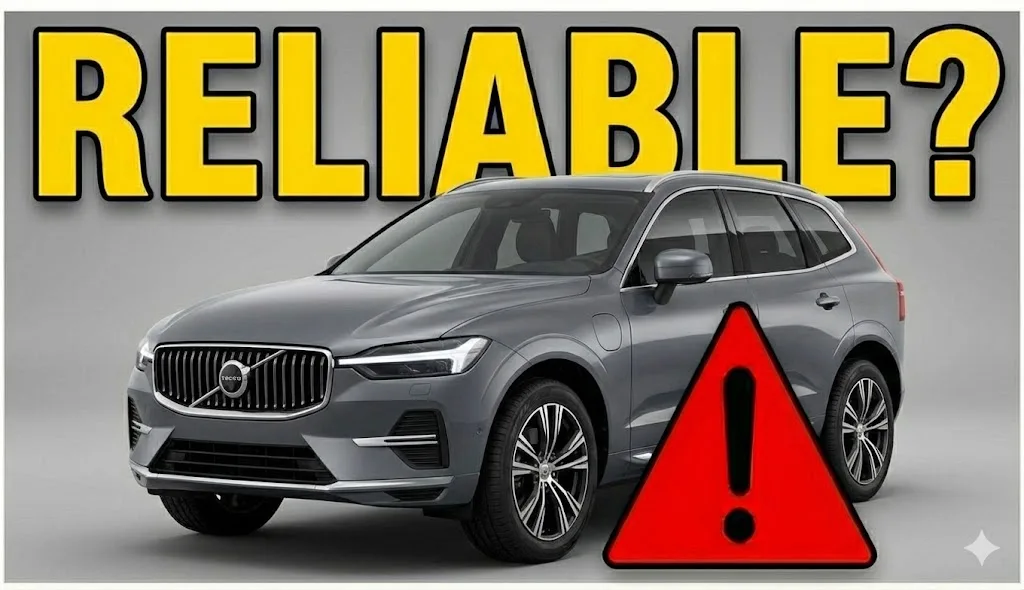
Are Volvos Reliable? A Deep, No-Nonsense Look at Long-Term Ownership

unnamed (35)

Are Volvos Reliable?

Volvos are generally reliable enough for luxury-car buyers, but they are not cheap, simple, low-maintenance vehicles like a Toyota or Honda.

The honest answer is this: Volvo reliability is average to above average depending on the model, but repair costs can be higher than mainstream brands. If you maintain a Volvo properly, it can be a safe, comfortable, long-lasting vehicle. If you buy a neglected used one, especially with complex electronics or hybrid components, repairs can get expensive fast.

RepairPal gives Volvo an overall reliability rating of 3.5 out of 5.0, ranking it 17th out of 32 car brands. It also lists Volvo’s average annual repair cost at $769, which is higher than many non-luxury brands. RepairPal also reports an average of 0.5 repair-shop visits per year and a 9% chance of a severe repair.

So, are Volvos reliable? Yes, but with luxury-car ownership costs.

Why Volvo Has a Mixed Reliability Reputation

Volvo has always had a strong reputation for safety, solid construction, and long-distance comfort. Many older Volvo models became famous for lasting hundreds of thousands of miles with proper maintenance.

Modern Volvos are different. They are still well-built, but they are also more complicated. Newer Volvo models use advanced driver-assistance systems, large infotainment screens, turbocharged engines, plug-in hybrid systems, mild-hybrid technology, and complex software.

That makes the driving experience more refined, but it also means there is more that can go wrong.

This is why Volvo reliability often looks mixed in owner surveys. The mechanical foundation may be solid, but electronics, infotainment systems, sensors, software issues, and hybrid-related systems can affect reliability scores.

Consumer Reports says most new Volvo models score average or below average in its reliability rankings, and it also notes that infotainment systems on many Volvo models are less intuitive. Consumer Reports

Are Volvo SUVs Reliable?

Volvo SUVs are popular, especially the XC40, XC60, and XC90.

The Volvo XC60 is one of the stronger choices in the lineup. J.D. Power gives the 2025 Volvo XC60 a consumer rating of 75 out of 100, using previous-year ratings and review data. J.D. Power

Consumer Reports also says the 2025 Volvo XC60 is more reliable than other vehicles from the same model year, though it notes that the model has had NHTSA recalls. Consumer Reports

The XC40 can be a good choice for shoppers who want a smaller premium SUV, but buyers should check recalls, software updates, and service history carefully. The XC90 is comfortable and upscale, but because it is larger and more complex, repairs can cost more.

For used Volvo SUVs, condition matters more than the badge. A well-maintained XC60 can be a smart buy. A neglected XC90 with no service history can become expensive quickly.

Are Volvo Cars Reliable?

Volvo sedans and wagons can be reliable, especially when maintained properly.

The Volvo S60, for example, has a RepairPal reliability rating of 3.5 out of 5.0, ranking it 11th out of 31 luxury midsize cars. RepairPal lists the S60’s average annual repair cost at $750 and says major issues are uncommon. RepairPal

Volvo wagons such as the V60 and V90 appeal to buyers who want comfort, safety, cargo space, and a more unique alternative to luxury SUVs. They can be excellent vehicles, but they still carry premium maintenance and repair costs.

If you are buying used, look for maintenance records, software update history, brake service, tire condition, suspension condition, and signs of oil leaks or cooling system issues.

Are Used Volvos Reliable?

Used Volvos can be reliable, but only if they have been maintained properly.

This is where many buyers get caught. A used Volvo may look like a bargain compared with a new luxury SUV, but it still has luxury-car repair costs. Parts, diagnostics, labor, electronic modules, sensors, suspension components, and hybrid systems can all cost more than similar work on a mainstream vehicle.

A used Volvo is usually a better buy when it has:

Clean service records.

No major accident history.

No open recalls.

Proof of regular oil changes.

Completed software updates.

Good tires and brakes.

No warning lights.

No water leaks.

A clean pre-purchase inspection.

The worst used Volvo to buy is one with missing maintenance records, electrical glitches, cheap aftermarket repairs, deferred service, or a seller who cannot explain the vehicle’s history.

Common Volvo Reliability Problems

Modern Volvos are not known for one single universal failure, but there are common areas buyers should watch.

These can include infotainment glitches, software bugs, sensor issues, battery problems, electronic warning messages, suspension wear, oil leaks on some older models, cooling system issues, and expensive repairs on hybrid or plug-in hybrid components.

Recalls are also worth checking. Reuters reported that Volvo recalled more than 400,000 U.S. vehicles over a rearview camera issue affecting multiple 2021 to 2025 models, with the fix handled through software updates or dealerships. Reuters

That does not mean every Volvo is unreliable. It means modern vehicles, especially luxury vehicles with heavy software integration, need proper updates and recall work.

Are Volvo Repairs Expensive?

Yes, Volvo repairs are usually more expensive than mainstream-brand repairs.

Volvo is a premium European brand. That means parts and labor can cost more, especially at dealership service departments. Independent Volvo specialists can sometimes reduce the cost, but repairs will still usually be higher than a Toyota, Honda, Mazda, or Hyundai.

RepairPal’s average annual repair cost of $769 for Volvo is a useful benchmark. RepairPal It is not outrageous for a luxury brand, but it is not cheap either.

Volvo repairs become more expensive when the vehicle has air suspension, plug-in hybrid components, advanced safety sensors, complex electronics, or poor service history.

Do Volvos Last Long?

Yes, Volvos can last a long time with proper maintenance.

Many Volvo owners keep their vehicles for well over 150,000 miles. Some older Volvos have reputations for extreme longevity. Newer Volvos can also last, but they require consistent service and attention to software, fluids, brakes, tires, and electronics.

The biggest difference between a long-lasting Volvo and a problematic Volvo is usually maintenance.

If you want a Volvo to last, do not skip oil changes. Do not ignore warning lights. Keep up with software updates. Replace fluids on time. Fix small issues before they become big issues. Use a trusted Volvo mechanic or dealership.

Volvo Reliability vs Toyota, Honda, and Lexus

Volvo is not usually as reliable or inexpensive to maintain as Toyota, Honda, or Lexus.

Toyota and Lexus are often the safer choices for buyers who want low ownership costs and long-term dependability. Honda is also usually easier and cheaper to maintain than Volvo.

Volvo’s advantage is different. It offers a premium interior, strong safety identity, refined seats, Scandinavian design, quiet driving manners, and a more distinctive feel than many mainstream brands.

So the choice is not only reliability. It is about priorities.

Choose Toyota or Lexus if you want maximum dependability and lower long-term repair risk.

Choose Volvo if you want safety, comfort, design, luxury feel, and are comfortable with higher maintenance costs.

Volvo Reliability vs BMW, Audi, and Mercedes

Compared with BMW, Audi, and Mercedes-Benz, Volvo is often competitive on reliability but not automatically cheaper to own.

Volvo may feel simpler and more understated than some German luxury brands, but modern Volvos are still complex premium vehicles. Repairs can still be expensive, especially for electronics, sensors, plug-in hybrid systems, and advanced safety equipment.

A Volvo may be a more practical luxury choice for some buyers, especially if they value comfort and safety over performance. But it should still be budgeted like a European luxury vehicle, not a basic commuter car.

Are Volvo Hybrids Reliable?

Volvo plug-in hybrids can be strong vehicles, but they are more complex than gas-only models.

A plug-in hybrid adds electric motors, a battery pack, charging hardware, cooling systems, and software management on top of the gas engine. That can improve performance and efficiency, but it also increases complexity.

Volvo’s warranty coverage helps here. Volvo Car USA says its New Vehicle Limited Warranty lasts 4 years or 50,000 miles, whichever comes first. Volvo Cars USA Hybrid and electric components may have separate coverage depending on the model and market, so buyers should check the warranty booklet for the exact vehicle.

If you are buying a used Volvo plug-in hybrid, check battery warranty status, charging history, service records, and whether all software updates and recalls have been completed.

Are Volvo EVs Reliable?

Volvo’s electric vehicles are still newer, so long-term reliability is harder to judge than older gas models.

EVs have fewer traditional engine parts, but they rely heavily on batteries, software, charging systems, cooling systems, and electronic control modules. This can reduce some maintenance but introduce different repair risks.

Volvo’s newer EVs, such as the EX30 and EX90, are important models for the brand, but early-production EVs can sometimes face recalls or software issues. Reuters reported that Volvo faced pressure in Thailand over EX30 battery-fire concerns tied to a global recall involving battery overheating risk. Volvo described the incidents as very rare, but the issue shows why early EV buyers should pay attention to recall status and software updates. Reuters

That does not mean Volvo EVs should be avoided. It means buyers should treat them like modern software-heavy vehicles and verify support, warranty, and recall history.

Best Volvo Models for Reliability

The best Volvo for reliability is usually the one with the cleanest maintenance history and simplest configuration.

For many used buyers, the XC60 is one of the better-balanced choices because it offers strong demand, a practical size, and a broad ownership base. The S60 can also be a reasonable pick for sedan shoppers who want a premium car without stepping into a larger, more expensive SUV.

The XC90 is desirable, but buyers should be more careful because larger luxury SUVs generally cost more to repair and maintain. Plug-in hybrid versions can be excellent, but they should be inspected carefully before purchase.

When shopping, prioritize service history over trim level. A lower-trim Volvo with excellent maintenance is usually smarter than a fully loaded one with unknown history.

Should You Buy a Volvo?

Yes, a Volvo can be a good buy if you understand what you are getting.

A Volvo makes sense if you want a safe, comfortable, premium vehicle with strong design and a calm driving experience. It is especially appealing for buyers who prioritize seats, cabin quality, driver-assistance features, and understated luxury.

A Volvo may not be the best choice if your only priority is cheap ownership. For that, Toyota, Honda, Mazda, or Lexus may be safer long-term options.

If you buy a Volvo, budget for maintenance. Keep records. Check recalls. Get a pre-purchase inspection if buying used. Avoid neglected examples.

FAQs About Volvo Reliability

Are Volvos reliable cars?

Yes, Volvos are generally reliable, but they have higher repair costs than many mainstream brands. RepairPal gives Volvo a 3.5 out of 5.0 reliability rating, which places it in the middle of the market.

Are Volvos expensive to fix?

Yes, Volvo repairs can be expensive because Volvo is a premium European brand. RepairPal lists Volvo’s average annual repair cost at $769, which is higher than many mainstream brands.

How long do Volvos last?

A well-maintained Volvo can last well beyond 150,000 miles. Some Volvos last much longer, but long-term dependability depends heavily on maintenance, driving habits, and repair history.

Are used Volvos reliable?

Used Volvos can be reliable if they have clean service records and no major neglected issues. Avoid used Volvos with warning lights, missing maintenance history, accident damage, or unresolved recalls.

Is Volvo more reliable than BMW or Audi?

Volvo can be competitive with BMW and Audi, but it is still a premium European brand with higher repair costs than mainstream vehicles. The specific model and maintenance history matter more than the badge.

Is Volvo as reliable as Toyota?

No, Volvo is generally not as inexpensive or consistently reliable as Toyota. Toyota is usually better for low-cost long-term ownership, while Volvo is better for buyers who prioritize safety, comfort, and premium design.

Final Thoughts: Are Volvos Reliable?

Volvos are reliable enough for many luxury-car buyers, but they are not the cheapest vehicles to own.

The brand has a strong safety reputation, comfortable interiors, and solid long-distance appeal. Reliability ratings are generally middle-of-the-pack to above average depending on the model, but repair costs are higher than mainstream brands.

The smartest way to buy a Volvo is to choose the right model, verify the service history, check for recalls, and budget for premium maintenance. Do that, and a Volvo can be a dependable, comfortable, and safe vehicle for years.

Recommended Posts

Freightliner Bumpers and Cascadia Fairing Panels for a Stronger, Sleeker Truck

Shop durable Freightliner truck bumpers and Cascadia fairing panels for sale. Precise-fit exterior components for 2008-2017 and 2018+ trucks with fast shipping and expert support. Keeping a Freightliner Cascadia in top condition is about more than the engine under the hood — the exterior body components play a huge role in how the truck performs, looks, and holds its value. Side fairings, step skirts, and front-end pieces all work together to cut drag, protect vulnerable systems, and give the rig a clean, professional presence on the road. Operators searching for quality freightliner bumpers for sale often find that upgrading the entire front and side profile delivers the biggest return. When you pair durable freightliner truck bumpers with well-fitted aerodynamic panels, your Cascadia gains both protection and efficiency in one smart upgrade. The Value of a Complete Exterior Upgrade A truck's exterior is its first line of defense and its calling card all at once. Aerodynamic fairing panels smooth the airflow around the fuel tanks and drive area, lowering wind resistance and helping every gallon of diesel go further. A solid front end absorbs impacts and shields the radiator and cooling system from road debris. Together these components reduce long-term repair costs while keeping the truck looking sharp mile after mile. Over time, that combination of efficiency and protection adds up to real savings, since a truck that burns less fuel and stays out of the repair bay simply earns more for its owner on every route. At tacoma-truckparts.com, the Cascadia selection covers front, middle, and rear fairing panels, step skirts, extensions, and complete sets for both driver and passenger sides. Whether you run a 2008-2017 model or a 2018-and-newer truck, there are pieces engineered to match your exact frame and factory mounting points. Precision Fit for Every Model Year Fitment is everything with exterior body components. Panels and front-end pieces built for your specific model year line up cleanly with existing hardware, so installation is straightforward and the finished surface sits flush and secure. Durable materials stand up to road spray, gravel, and constant vibration, keeping the truck looking its best season after season. Reinforced panels and aluminum step skirts add both function and a polished, professional finish that owner-operators take pride in. Choosing correctly-sized components also protects everything around them. Well-fitted fairings shield tanks, steps, and wiring from flying debris, while a strong front end guards the systems behind it. That kind of protection keeps your Cascadia earning out on the highway instead of sitting in the shop. Efficiency, Protection, and Uptime Downtime is expensive, which is why fast order processing and dependable availability matter as much as the parts themselves. Orders ship quickly, backed by knowledgeable support that understands the daily demands facing fleet managers and independent drivers alike. Being able to find the exact panel, skirt, or front-end piece you need without guesswork keeps maintenance simple and predictable. Investing in your Cascadia's exterior is a smart move for fuel economy, curb appeal, and long-term resale value. With aerodynamic fairings and dependable front-end components working together, your truck cuts cleanly through the wind, looks its best, and stays ready for the next long haul. A well-maintained, polished rig also builds trust with customers and makes a strong impression during inspections. Browse the full selection today and give your Freightliner Cascadia the efficient, protected, road-ready finish it truly deserves.

Jeep Grand Cherokee L and Wagoneer

Compare Jeep Grand Cherokee L and Wagoneer

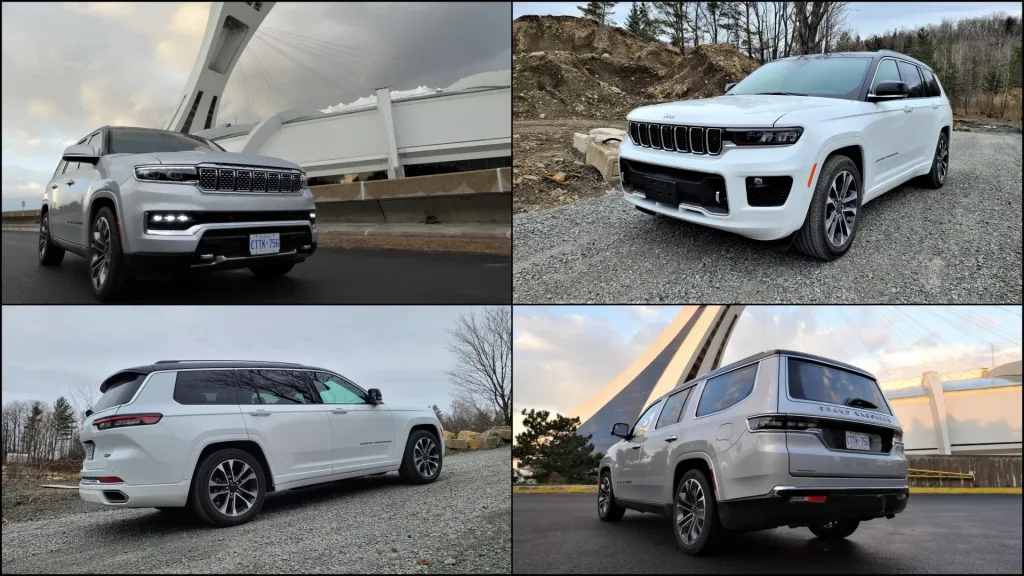
Yes, Jeep SUVs do offer 3rd row seating. The main Jeep SUVs with three rows are the Jeep Grand Cherokee L and the Jeep Wagoneer / Grand Wagoneer lineup, depending on model year and availability. For most families near Simi Valley, Thousand Oaks, Moorpark, Oxnard, Los Angeles, San Fernando Valley, Santa Clarita, and Burbank, the Jeep Grand Cherokee L is the more practical three-row Jeep SUV. The Wagoneer and Grand Wagoneer are better for shoppers who want maximum passenger room, more cargo space, stronger towing capability, and a larger full-size SUV feel. If you want to compare options, start with the new Jeep inventory at Simi Valley Chrysler Dodge Jeep Ram, check the used Jeep inventory, or value your current vehicle before upgrading through the trade-in page. Table of Contents Which Jeep SUVs Have 3rd Row Seating? Jeep Grand Cherokee L: The Practical 3-Row Jeep SUV Jeep Wagoneer and Grand Wagoneer: The Bigger 3-Row Jeep Option Grand Cherokee vs. Grand Cherokee L: Which One Has More Room? Grand Cherokee L vs. Wagoneer: Which 3-Row Jeep Is Better? Is the Third Row Comfortable for Adults? How Much Cargo Space Do 3-Row Jeep SUVs Offer? Can a 3-Row Jeep SUV Tow? Common Buyer Warnings Before Buying a Used 3-Row Jeep Local Dealership Angle: Simi Valley CDJR Final Answer Which Jeep SUVs Have 3rd Row Seating? The Jeep SUVs with 3rd row seating are the Jeep Grand Cherokee L and the Jeep Wagoneer / Grand Wagoneer family. The standard Jeep Grand Cherokee is a two-row SUV with seating for up to five passengers. The Grand Cherokee L is the longer three-row version with seating for up to seven passengers. Jeep confirms that the two-row Grand Cherokee seats up to five, while the Grand Cherokee L seats up to seven. The Wagoneer and Grand Wagoneer are larger full-size Jeep SUVs with three-row seating. They are designed for shoppers who want more passenger space, more cargo capacity, more towing ability, and a more premium full-size SUV experience. So the simple answer is: Choose the Jeep Grand Cherokee L if you want a midsize three-row Jeep SUV. Choose the Wagoneer or Grand Wagoneer if you want a larger full-size three-row Jeep SUV. Choose the regular Grand Cherokee if you only need two rows and prefer a smaller, easier-to-park SUV. Jeep Grand Cherokee L: The Practical 3-Row Jeep SUV The Jeep Grand Cherokee L is usually the best fit for families who want three rows without going all the way up to a full-size SUV. It gives you: Seating for up to seven passengers. Available second-row captain’s chairs or a second-row bench, depending on configuration. A usable third row for kids, teens, or occasional adult passengers. Available 4x4 capability. Strong towing capability when properly equipped. A more manageable size than a Wagoneer. A more premium feel than many mainstream three-row SUVs. According to Jeep, the Grand Cherokee L offers up to 84.6 cubic feet of cargo space with the second and third rows folded. Jeep also notes that a second-row bench seat is available so the vehicle can carry up to seven passengers. Source: Jeep Grand Cherokee 3-Row SUV That makes the Grand Cherokee L a smart choice for families who need extra seating but still want a vehicle that feels comfortable for daily driving, school pickup, road trips, and weekend getaways. Jeep Wagoneer and Grand Wagoneer: The Bigger 3-Row Jeep Option The Wagoneer and Grand Wagoneer are the larger three-row Jeep SUVs. They are built for shoppers who want more room, more towing confidence, and more upscale features than the Grand Cherokee L. The Grand Wagoneer is especially strong for buyers who need a premium full-size SUV. Jeep lists the 2026 Grand Wagoneer with seating for seven, 179 cubic feet of passenger volume, and strong cargo space depending on configuration. Source: Jeep Grand Wagoneer Specs The Grand Wagoneer is also the stronger choice for towing. Jeep lists an available maximum towing capacity of up to 10,000 pounds when properly equipped. Source: Jeep Grand Wagoneer Capability Choose the Wagoneer or Grand Wagoneer if you want: A larger full-size SUV. More third-row room. More cargo space. More luxury features. Stronger towing capability when properly equipped. A better fit for larger families. A stronger road-trip SUV. The tradeoff is size. A Wagoneer or Grand Wagoneer will feel larger in traffic, parking lots, tight garages, and city driving compared to a Grand Cherokee L. Grand Cherokee vs. Grand Cherokee L: Which One Has More Room? The Jeep Grand Cherokee and Jeep Grand Cherokee L are closely related, but they are not the same. The standard Grand Cherokee has two rows and seats up to five passengers. It is better for drivers who want a premium SUV, strong available 4x4 capability, and easier daily maneuverability without needing a third row. The Grand Cherokee L adds the third row and stretches the vehicle to create space for up to seven passengers. It is the better choice if you have a larger family, drive with kids and friends, or want extra flexibility for road trips. Choose the standard Grand Cherokee if you want: Two rows. Easier parking. Slightly simpler family use. More focus on front and second-row comfort. A good mix of daily driving and Jeep capability. Choose the Grand Cherokee L if you want: Three rows. Seating for up to seven. More passenger flexibility. More cargo flexibility. A better family SUV setup. A stronger alternative to three-row crossovers. For shoppers near Simi Valley and Thousand Oaks who want one SUV for daily driving, family trips, and weekend adventures, the Grand Cherokee L is usually the more flexible choice. Grand Cherokee L vs. Wagoneer: Which 3-Row Jeep Is Better? The better choice depends on how much space and capability you need. The Jeep Grand Cherokee L is better if you want a three-row SUV that still feels manageable for daily driving. It is easier to park, easier to maneuver, and more practical for many families who only need the third row part of the time. The Wagoneer or Grand Wagoneer is better if you want more room and more towing strength. It is the better choice for larger families, frequent road trips, heavy cargo needs, and towing larger trailers when properly equipped. Choose the Grand Cherokee L if: You want three rows but do not want a massive SUV. You need seating for up to seven. You want a premium midsize SUV feel. You want available Jeep 4x4 capability. You want a practical family SUV for daily use. Choose the Wagoneer or Grand Wagoneer if: You need more adult-friendly third-row space. You want more cargo space behind the rows. You tow more often. You want a larger, more premium SUV. You regularly travel with a full family and luggage. For most local families, the Grand Cherokee L is the sweet spot. For shoppers who want the biggest Jeep SUV available, the Wagoneer and Grand Wagoneer are the stronger fit. Is the Third Row Comfortable for Adults? The third row in the Jeep Grand Cherokee L is useful, but it is best for kids, teens, and shorter trips with adults. Adults can use it, but it is not as spacious as a full-size SUV third row. The Wagoneer and Grand Wagoneer are better if adult third-row comfort is a major priority. Their larger body gives passengers more room to stretch out, especially on longer drives. Think of it this way: Grand Cherokee L: better for families who need occasional third-row use. Wagoneer / Grand Wagoneer: better for regular adult third-row use. Standard Grand Cherokee: better if you do not need a third row at all. If you regularly drive with six or seven people, test the third row before buying. Seat comfort depends on passenger height, second-row position, seat configuration, and cargo needs. How Much Cargo Space Do 3-Row Jeep SUVs Offer? Cargo space depends on which Jeep SUV you choose and how many seats are in use. The Jeep Grand Cherokee L is flexible because you can fold the third row when you do not need it. With the second and third rows folded, Jeep lists up to 84.6 cubic feet of cargo space. Source: Jeep Grand Cherokee 3-Row SUV That is useful for: Groceries. Strollers. Sports gear. Camping supplies. Luggage. Home improvement items. Road-trip bags. The Wagoneer and Grand Wagoneer offer more space overall because they are full-size SUVs. They are better if you need to carry passengers and cargo at the same time. If you have a big family and often travel with luggage, the Wagoneer or Grand Wagoneer makes more sense. If you only need the third row occasionally, the Grand Cherokee L is usually enough. Can a 3-Row Jeep SUV Tow? Yes, three-row Jeep SUVs can tow when properly equipped, but towing capacity depends on engine, drivetrain, equipment, trim, and vehicle condition. The Jeep Grand Cherokee L can tow up to 6,200 pounds when properly equipped, according to Jeep’s Grand Cherokee specifications. Source: Jeep Grand Cherokee Specs The Grand Wagoneer can tow up to 10,000 pounds when properly equipped, according to Jeep. Source: Jeep Grand Wagoneer Capability That makes the Grand Cherokee L strong enough for many smaller trailers, light campers, personal watercraft, and utility trailers. The Grand Wagoneer is the better choice if you tow heavier loads more often. Before towing, always check: Owner’s manual. Exact towing rating by VIN. Trailer weight. Tongue weight. Payload. Hitch rating. Tire condition. Brake controller needs. Cooling system condition. Local towing laws. Always use “when properly equipped” for towing because not every trim or configuration has the same rating. Common Buyer Warnings Before Buying a Used 3-Row Jeep A used Jeep Grand Cherokee L, Wagoneer, or Grand Wagoneer can be a strong family SUV, but condition matters. Before buying, check: Service history. Tire wear. Brake condition. Suspension noise. Oil leaks. Coolant leaks. Transmission shifting. 4x4 system operation. Infotainment screen function. Power seat and power-folding seat operation. Liftgate operation. Prior accident history. Rust or underbody damage. Water leaks. Towing history. Aftermarket wiring. Open recalls by VIN. If the SUV was used for towing, inspect the hitch, rear suspension, brakes, tires, and cooling system. If it was used off-road, inspect the underbody, skid plates, suspension, wheels, and alignment. Always check recalls by VIN using the official NHTSA recall lookup tool, especially when buying a used family SUV. Local Dealership Angle: Simi Valley CDJR For shoppers near Simi Valley, Thousand Oaks, Moorpark, Oxnard, Los Angeles, San Fernando Valley, Santa Clarita, and Burbank, a three-row Jeep SUV makes sense if you want family space without giving up Jeep capability. At Simi Valley Chrysler Dodge Jeep Ram, you can compare available Jeep Grand Cherokee L, Wagoneer, Grand Wagoneer, and other Jeep SUVs in new inventory. If you want a lower payment or more trim options, check the used inventory and compare mileage, condition, service history, trim, drivetrain, and warranty coverage. You can also start your approval through the finance application, estimate your vehicle’s value through the trade-in page, schedule maintenance with the service department, or order genuine Mopar parts through the parts department. For families who need a daily driver, road-trip SUV, school-run vehicle, and weekend adventure vehicle in one package, the Grand Cherokee L is usually the best starting point. For maximum space and towing strength, move up to the Wagoneer or Grand Wagoneer. Final Answer: Do Any Jeep SUVs Have 3rd Row Seating? Yes, Jeep SUVs do have 3rd row seating. The main options are the Jeep Grand Cherokee L and the Jeep Wagoneer / Grand Wagoneer lineup. The best choice for most families is the Jeep Grand Cherokee L because it offers seating for up to seven, useful cargo flexibility, available 4x4 capability, and a more manageable size than a full-size SUV. The Wagoneer and Grand Wagoneer are better if you want maximum space, more premium features, and stronger towing capability when properly equipped. For shoppers near Simi Valley, Thousand Oaks, Moorpark, Oxnard, Los Angeles, San Fernando Valley, Santa Clarita, and Burbank, compare new and used three-row Jeep SUVs at Simi Valley Chrysler Dodge Jeep Ram, check financing options, value your trade, or schedule a test drive to see which Jeep SUV fits your family best.

CC26_JLJL74_2TB_PYC_APA_XXX_XXX_XXX.44595767d2e79008ad8cdbe55f250a44

How much do you have to pay a month for a Jeep Wrangler?

How Much Do You Have to Pay a Month for a Jeep Wrangler? A Jeep Wrangler monthly payment usually ranges from about $575 to $1,100+ per month, depending on the price, down payment, credit score, interest rate, loan term, taxes, fees, and trim. The simple answer is this: a lower-trim Jeep Wrangler Sport may land around $600 to $750 per month with normal financing, while a Wrangler Willys, Sahara, Rubicon, 4xe, or 392 can easily push payments into the $800 to $1,200+ range. Jeep lists the 2026 Wrangler starting at $36,035 MSRP, while higher trims like Sahara, Rubicon, and Rubicon X start much higher. Jeep Wrangler Quick Monthly Payment Estimate Here is a realistic estimate using a 72-month loan, about 7% APR, and roughly estimated taxes and fees. Actual payments can be higher or lower. $36,000 Wrangler: about $615 to $700/month $45,000 Wrangler: about $760 to $875/month $55,000 Wrangler: about $930 to $1,070/month $65,000 Wrangler: about $1,100 to $1,260/month $75,000+ Wrangler 392: about $1,275 to $1,500+/month This assumes little to moderate money down. A larger down payment or trade-in can lower the payment. A higher APR can raise it fast. Wrangler Price by Trim Jeep’s official 2026 Wrangler page lists starting MSRPs such as: Sport: from $36,035 Sport S: from $39,685 Willys: from $43,755 Sahara: from $48,910 Rubicon: from $45,815 Rubicon X: from $55,765 Jeep Wrangler Those are starting prices before taxes, registration, dealer fees, accessories, packages, and finance charges. A real Wrangler on the lot can cost much more once options are added. What Affects Your Jeep Wrangler Payment? The biggest factors are: Vehicle price: A Rubicon costs much more per month than a Sport. Down payment: More money down lowers the amount financed. Trade-in equity: Positive equity can reduce your payment. Credit score: Better credit usually means a lower APR. Loan term: Longer terms lower monthly payments but increase total interest. Taxes and fees: California taxes and registration can add thousands to the financed amount. Add-ons: Warranties, protection products, accessories, and lift packages can raise the payment. New vs Used Wrangler Monthly Payment A used Wrangler may not always be dramatically cheaper because Wranglers hold value well. A clean used Wrangler can still have a strong price, especially if it is a Rubicon, Willys, 4xe, or low-mileage Unlimited. That said, used can still be the better monthly-payment move if you choose the right year, mileage, and trim. For LA and Simi Valley shoppers, compare used Jeep inventory against new Jeep inventory before deciding. Sometimes the new-car incentives make a new Wrangler closer in payment than expected. Best Way to Lower the Payment The cleanest ways to lower a Wrangler payment are: Choose a lower trim like Sport, Sport S, or Willys. Put more money down. Use trade-in equity. Improve credit before applying. Avoid unnecessary add-ons. Compare new and used options. Choose a realistic loan term. A longer loan can make the payment look easier, but do not stretch the term too far just to afford a higher trim. The total cost matters. Final Answer Most Jeep Wrangler payments fall around $600 to $1,100 per month. A basic Wrangler Sport may be close to $600 to $750/month with typical financing. A Wrangler Willys, Sahara, Rubicon, or 4xe may be closer to $800 to $1,100/month. A Wrangler 392 or heavily optioned model can go well above $1,200/month. The only accurate number comes from the exact Wrangler, your credit, down payment, trade value, taxes, fees, and approved APR.