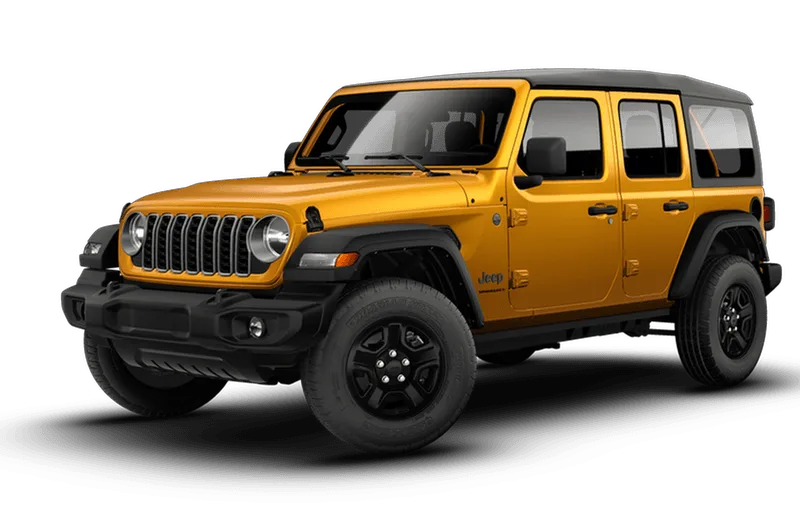





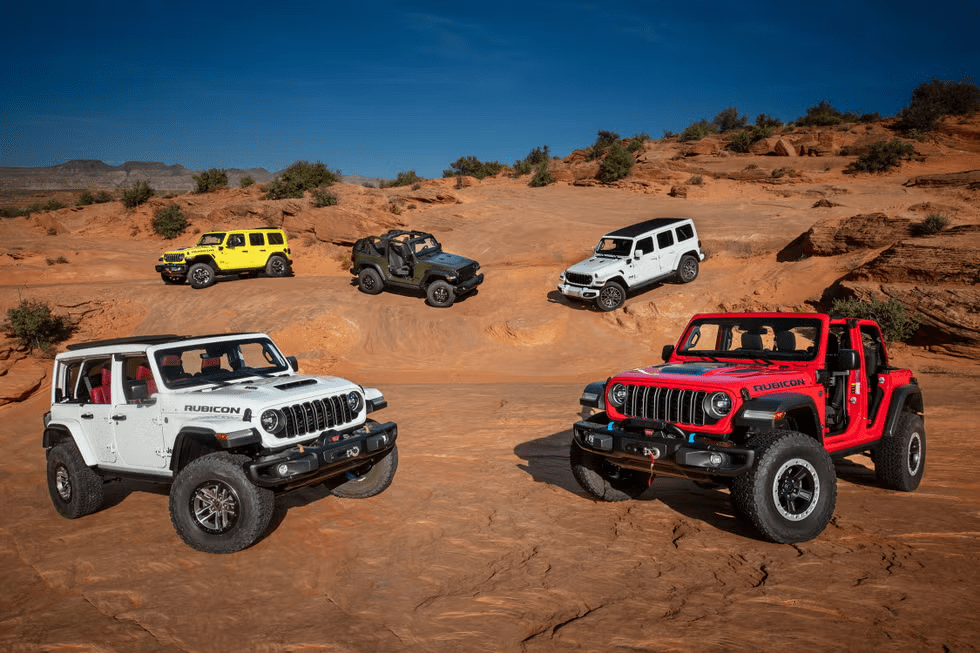
Jeep wrangler safety is something a lot of people are looking to learn about before buying. When it comes to safety, Jeep Wranglers present an interesting blend of features designed for both on-road and off-road scenarios. Here's a comprehensive look at their safety aspects:
Structural Integrity and Design
Jeep Wranglers are built with a robust body-on-frame design, providing a solid foundation that enhances durability and impact resistance. This construction is particularly beneficial during off-road adventures, where the vehicle needs to withstand rough terrains and unexpected obstacles. The high-strength steel frame contributes significantly to occupant protection in the event of a collision.
Jeep Wrangler Safety: Advanced Safety Features
Modern Jeep Wranglers come equipped with a variety of advanced safety features. These include:
- Electronic Stability Control (ESC): Helps maintain vehicle stability by detecting and reducing loss of traction.
- Electronic Roll Mitigation (ERM): Anticipates potential rollover situations and applies corrective measures to prevent it.
- Hill Start Assist and Hill Descent Control: Provides added control when navigating steep inclines or declines.
- Advanced Multistage Airbags: Offers protection for front occupants, with sensors adjusting the airbag deployment force based on the severity of the impact.
- ParkView® Rear Backup Camera: Enhances rear visibility to assist with parking and avoid obstacles.
Off-Road Safety Enhancements
For off-road enthusiasts, the Wrangler's safety extends beyond traditional features. The Trail Rated® badge signifies that the vehicle has passed rigorous tests for traction, water fording, maneuverability, articulation, and ground clearance. These capabilities ensure that the Wrangler can safely navigate challenging environments, reducing the risk of accidents in off-road conditions.
Visibility and Driver Assistance
Visibility is a critical aspect of driving safety, and the Wrangler’s design offers large windows and high seating positions for excellent outward visibility. The available LED lighting package, including headlights, fog lights, and taillights, enhances visibility in low-light conditions, further promoting safe driving.
What Jeep has the best safety rating?
The Jeep Grand Cherokee typically has the best safety ratings among Jeep models. It consistently receives high marks in crash tests conducted by organizations such as the National Highway Traffic Safety Administration (NHTSA) and the Insurance Institute for Highway Safety (IIHS). The Grand Cherokee is known for its robust construction, advanced safety features, and comprehensive suite of driver-assistance technologies, all of which contribute to its excellent safety performance.
Is the 2024 Jeep Wrangler safe?
The safety of the 2024 Jeep Wrangler depends on various factors, including its design, features, and crash test ratings. Generally, Jeep Wranglers are built with a sturdy body-on-frame construction, which contributes to their durability and impact resistance. They also come equipped with a range of safety features such as electronic stability control, advanced airbags, and available driver-assistance technologies.
However, specific safety ratings for the 2024 Jeep Wrangler would be determined by crash tests conducted by organizations like the National Highway Traffic Safety Administration (NHTSA) and the Insurance Institute for Highway Safety (IIHS). These tests evaluate the vehicle's performance in various crash scenarios and assign ratings based on factors like frontal impact, side impact, rollover resistance, and crash avoidance features.
To get the most accurate and up-to-date information about the safety of the 2024 Jeep Wrangler, it's advisable to refer to the official safety ratings from NHTSA and IIHS once they become available for this model year.
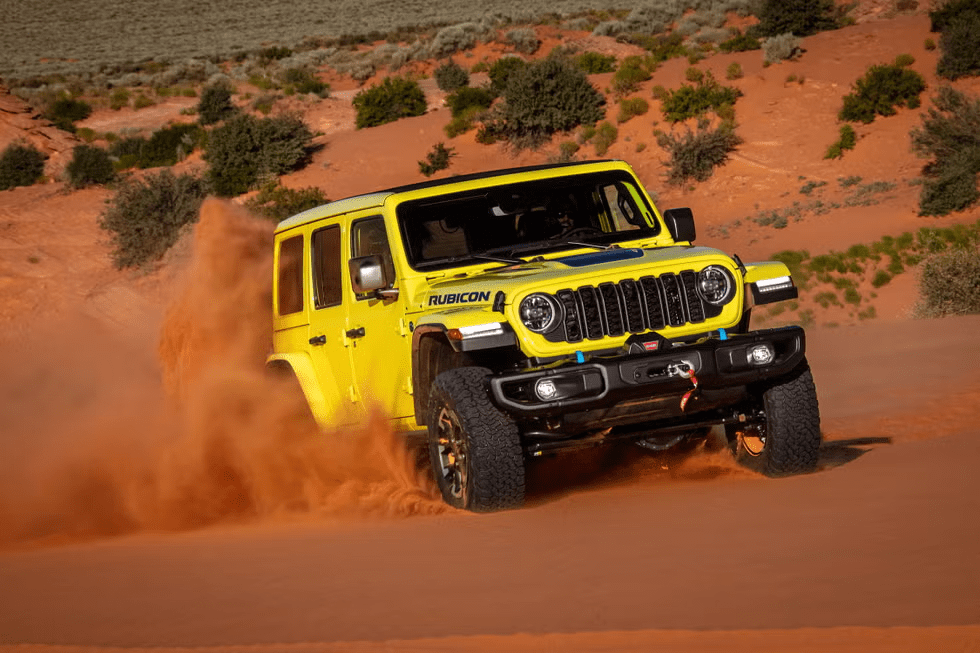
Jeep wrangler safety: Are Jeeps Safe and Reliable?
Jeeps are generally considered safe vehicles, especially when equipped with modern safety features. Their robust construction, including body-on-frame designs and high-strength steel frames, contributes to their safety. Additionally, Jeep models often come with advanced safety technologies like electronic stability control, multiple airbags, and available driver-assistance systems.
In terms of reliability, Jeep's ratings can vary depending on the model and specific year. Some Jeep models have received average to above-average reliability ratings from organizations like J.D. Power and Consumer Reports, while others may have lower ratings. It's important to note that factors such as maintenance, driving habits, and individual vehicle history can also influence reliability.
Given these considerations, it's challenging to provide a single numerical rating for both safety and reliability across all Jeep models. However, on a scale of 1 to 10, with 10 being the highest:
- Safety: Jeeps typically range from 7 to 9, with newer models and those equipped with advanced safety features scoring higher.
- Reliability: Jeeps range from 5 to 8, depending on the model year, maintenance history, and specific vehicle condition.
These ratings are general and may vary based on the specific Jeep model, trim level, and individual vehicle history. It's recommended to research and review the safety and reliability ratings for the particular Jeep model you're interested in to make an informed decision.
Do Jeep Wranglers roll over easily?
Jeep Wranglers are known for their off-road capabilities and rugged design, but they also have a higher risk of rollover compared to many other vehicles. This is primarily due to their higher ground clearance and narrow wheelbase, which are essential for off-roading but can make them more prone to tipping over in certain situations.
Factors Contributing to Rollover Risk
- High Center of Gravity:
- The Wrangler's high ground clearance and elevated ride height, which are advantageous for off-roading, raise its center of gravity. This can make the vehicle more susceptible to tipping over during sharp turns or sudden maneuvers.
- Narrow Wheelbase:
- A relatively narrow wheelbase compared to the vehicle's height can also contribute to a higher rollover risk.
- Off-Road Use:
- Off-roading often involves navigating uneven terrain and steep inclines, which can increase the likelihood of a rollover if not driven carefully.
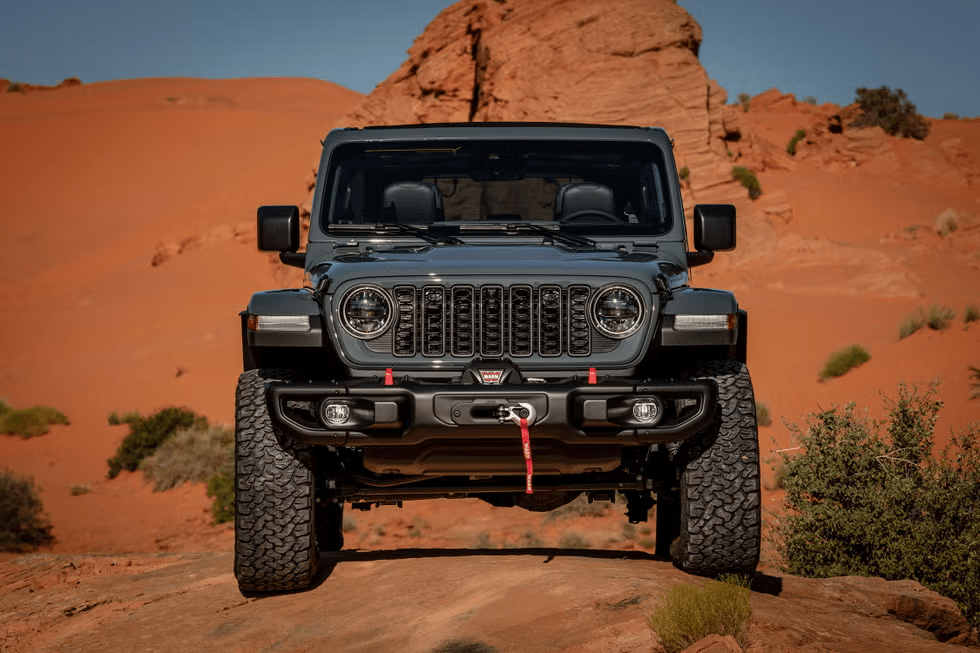
Mitigation Features
Jeep Wranglers are equipped with several features designed to mitigate the risk of rollovers:
- Electronic Stability Control (ESC):
- Helps maintain vehicle stability by reducing loss of traction and improving control during emergency maneuvers.
- Electronic Roll Mitigation (ERM):
- Anticipates potential rollover situations and applies corrective measures, such as braking and adjusting engine power, to prevent a rollover.
- Advanced Traction Control:
- Helps manage wheel slip and maintain control on slippery or uneven surfaces.
Driving Tips to Reduce Rollover Risk
- Drive Carefully:
- Avoid sharp turns at high speeds and sudden maneuvers, especially on paved roads.
- Proper Loading:
- Distribute cargo weight evenly and avoid overloading the vehicle, which can raise the center of gravity further.
- Use Off-Road Features:
- Utilize features like low-range gearing and differential locks when navigating challenging off-road conditions to maintain better control.
Conclusion
While Jeep Wranglers do have a higher risk of rollover compared to many other vehicles due to their design, this risk can be managed with careful driving and by making use of the vehicle's safety features. The Wrangler is designed to excel in off-road environments, and understanding its handling characteristics is key to safely enjoying its capabilities.
Jeep Wrangler Safety: Are Jeep Wranglers Safe in a Crash?
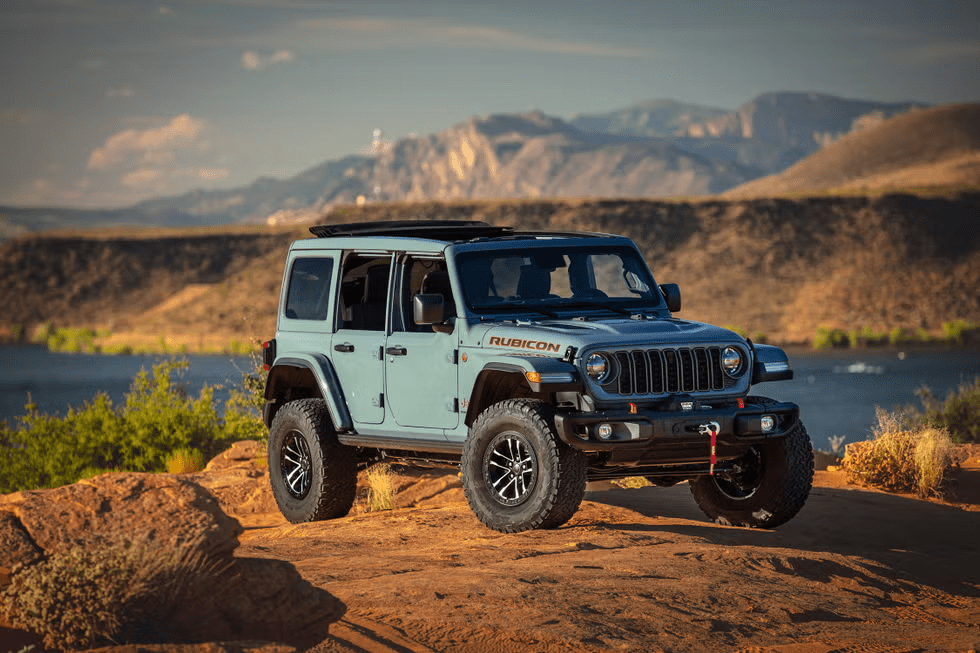
We sell Jeeps in the Ventura/ Los Angeles Area. Jeep Wranglers offer a mix of safety features and crash performance, but their safety in a crash can vary based on several factors. Here’s a detailed look at their crash safety:
Structural Design and Safety Features
Structural Integrity:
- Body-on-Frame Construction: The Wrangler's body-on-frame design provides a sturdy structure, which is beneficial for off-road durability but can impact its crash performance differently compared to unibody SUVs.
- High-Strength Steel Frame: This enhances the vehicle’s ability to withstand impacts and provides better protection for occupants.
Safety Features:
- Airbags: Wranglers come equipped with advanced multistage front airbags and available supplemental side airbags for added protection.
- Electronic Stability Control (ESC): Helps maintain vehicle stability and control during emergency maneuvers.
- Electronic Roll Mitigation (ERM): Works to prevent rollovers by applying brakes and reducing engine power when necessary.
- Advanced Driver Assistance Systems (ADAS): Includes features like forward collision warning, blind-spot monitoring, and rear cross-path detection.
Jeep Wrangler Safety: Crash Test Ratings
National Highway Traffic Safety Administration (NHTSA):
- Frontal Crash Tests: Historically, the Wrangler has received average ratings in frontal crash tests.
- Side Crash Tests: The vehicle tends to perform better in side-impact tests.
- Rollover Ratings: Given its higher center of gravity, the Wrangler typically receives lower rollover resistance ratings compared to other SUVs.
Insurance Institute for Highway Safety (IIHS):
- Moderate Overlap Front Test: Generally performs well.
- Small Overlap Front Test: Has shown varied results, sometimes indicating areas for improvement.
- Side Impact Test: Usually scores well.
- Roof Strength Test: Strong roof structure offers good protection in rollover scenarios.
- Headlights and ADAS: Newer models with advanced safety packages and improved headlights have better ratings.
Real-World Considerations
Off-Road Safety:
- Off-Road Capabilities: Designed to handle rough terrain, which contributes to its overall safety when used in off-road environments.
- Visibility: High seating position and large windows enhance driver visibility, reducing the likelihood of accidents.
On-Road Safety:
- Handling Characteristics: The higher center of gravity and off-road suspension can affect on-road handling and stability, especially in sharp turns or sudden maneuvers.
Conclusion
While Jeep Wranglers have solid structural integrity and a range of safety features, their crash test ratings reveal some areas where they may not perform as well as other SUVs, particularly in rollover resistance and some frontal crash scenarios. However, their robust design and off-road capabilities offer a different kind of safety advantage in rugged environments.
Overall, Jeep Wranglers can be considered safe in crashes, but prospective buyers should consider their specific needs and review the latest safety ratings for the model year they are interested in. For those who prioritize off-road capabilities and adventure, the Wrangler remains a compelling and relatively safe choice.
Jeep Wrangler Safety: Are Jeep Wranglers Safe for New Drivers?
When it comes to choosing a first car, safety is always a big concern. So, how do Jeep Wranglers stack up for new drivers? Let's break it down.
The Good Stuff
Sturdy and Tough:
- Jeep Wranglers are built like tanks. Their body-on-frame construction is super solid, which can give you peace of mind knowing it can handle a bit of rough and tumble.
Great Visibility:
- One of the perks of driving a Wrangler is the high seating position and large windows. This gives you a great view of the road, which is a huge plus for avoiding accidents.
Modern Safety Features:
- Newer Wranglers come packed with advanced safety features. Think electronic stability control, multiple airbags, and options like blind-spot monitoring. These can really help keep new drivers safe.
Off-Road Ready:
- While most new drivers aren’t heading off-road, it's good to know the Wrangler can handle rough terrain like a champ. This versatility adds an extra layer of confidence.
The Not-So-Good Stuff
Rollover Risk:
- Here’s where things get tricky. Wranglers have a higher center of gravity, which means they’re more prone to rolling over, especially in sharp turns. This can be a bit intimidating for someone who’s just learning to drive.
Handling:
- Wranglers are designed for off-roading, so they can feel a bit different on regular roads compared to more conventional cars. They’re not as stable in tight maneuvers, which can take some getting used to.
Fuel Efficiency:
- Let’s face it, Wranglers aren’t the most fuel-efficient vehicles out there. This might be something to consider if you’re a new driver on a tight budget.
Crash Test Ratings:
- While Wranglers do well in some crash tests, their ratings can be a mixed bag, especially when it comes to rollover tests. It's something to keep in mind.
Real-Life Considerations
Experience Matters:
- If you’re set on a Wrangler, it’s really important to get some proper training on how to handle it. Understanding how to navigate its higher rollover risk and off-road capabilities is key.
What Are You Using It For?
- If you’re mainly driving in the city or on highways, you might want to consider something with better on-road stability and fuel efficiency. But if you’re planning to hit the trails or live in a rural area, the Wrangler’s off-road prowess can be a big advantage.
Safety Features:
- Go for the newer models if you can. They come with more comprehensive safety packages that can make a big difference. Features like forward collision warning and blind-spot monitoring can be really helpful for new drivers.
Bottom Line
Jeep Wranglers have a lot going for them, especially if you’re into their rugged look and off-road capabilities. This increases in Los Angeles. However, they do come with some challenges, particularly around handling and rollover risk. With the right training and understanding of its unique driving characteristics, a Wrangler can be a safe and fun choice for new drivers. Just make sure to weigh the pros and cons based on your specific needs and driving environment.
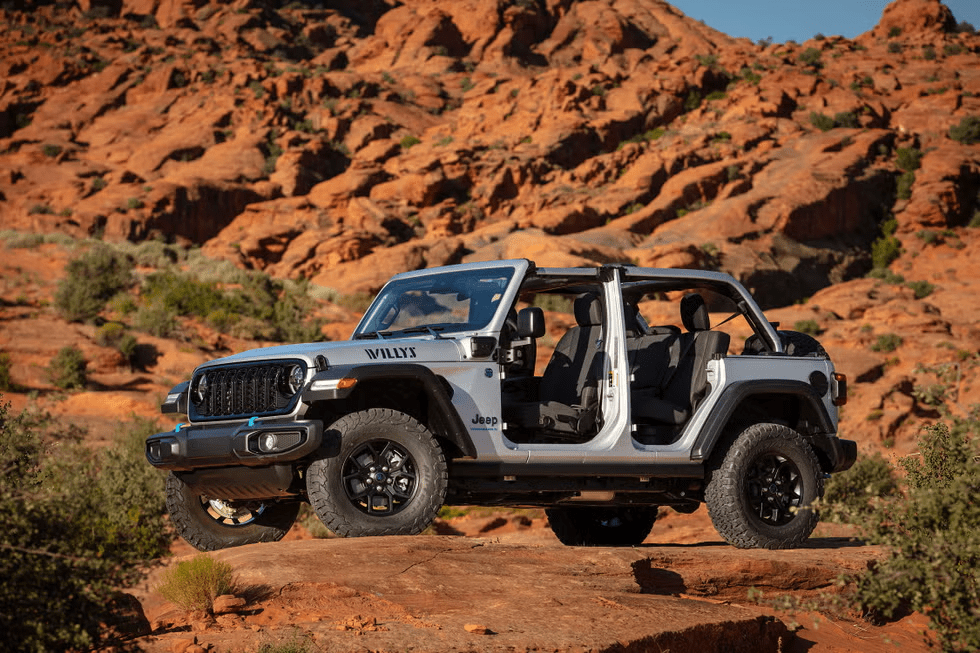
What is the Safest Jeep Wrangler Model?
The safest Jeep Wrangler model is typically the newest and has the most up-to-date safety features. As of now, the 2024 Jeep Wrangler is likely the safest due to several enhancements and modern safety technologies. Here’s why:
Advanced Safety Features
The 2024 Jeep Wrangler comes equipped with a variety of advanced safety features that improve its overall safety rating:
- Forward Collision Warning: Alerts the driver of potential frontal collisions.
- Blind-Spot Monitoring: Helps detect vehicles in the driver’s blind spots.
- Rear Cross-Path Detection: Assists when reversing by detecting cross traffic.
- Adaptive Cruise Control: Maintains a set distance from the vehicle ahead.
- Automatic Emergency Braking: Applies the brakes automatically to prevent a collision.
- ParkView® Rear Backup Camera: Provides a clear view when reversing.
Improved Crash Test Ratings
The latest models often benefit from improvements in design and technology that enhance their performance in crash tests. The 2024 model is expected to perform better in these tests compared to older models due to structural reinforcements and additional safety features.
Enhanced Lighting
The 2024 Wrangler offers advanced LED lighting options, improving visibility in low-light conditions and enhancing safety for night driving.
Driver Assistance Technologies
Newer models come with a suite of driver-assistance technologies that can significantly reduce the risk of accidents. These technologies are continually improved in newer models.
Conclusion
While older models can be safe, the 2024 Jeep Wrangler is likely the safest option due to its advanced safety features, improved crash test ratings, and modern driver-assistance technologies. If safety is a top priority, opting for the newest model with the most comprehensive safety package is the best choice.